
Last Updated on July 26, 2026 by Daniel Globe
Costa Rica is a premier destination for trekkers, renowned for its diverse ecosystems, breathtaking landscapes, and rich biodiversity. With over 25% of its land designated as protected national parks and reserves, the country offers trails that wind through lush rainforests, up volcanic slopes, and along pristine coastlines. Navigating these environments requires selecting the right base camp—whether that means rustic backcountry campsites, sustainable rainforest lodges, or high-altitude mountain cabins.
Quick Answer
The best Costa Rica hiking accommodations range from eco-lodges in the Osa Peninsula and cloud forest cabins in Monteverde to overnight backcountry ranger stations in Corcovado National Park. Hikers should choose accommodations based on proximity to trailheads and book national park campsites months in advance via the official SINAC system.
Key Takeaways
- Eco-Lodges: Provide direct rainforest access, private trail systems, and expert local naturalists.
- Mountain Cabins: Ideal for high-altitude hikes in regions like Monteverde and Chirripó.
- National Park Camping: Requires advance online reservations through Costa Rica’s SINAC portal.
- Budget Options: Hostels in hubs like La Fortuna offer trail shuttles and communal kitchens.
- Luxury Resorts: Combine trail access with thermal hot springs and full-service amenities.
Disclosure: As an Amazon Associate I earn from qualifying purchases. Some links on this page are affiliate links, at no extra cost to you.
Eco-Lodges in the Rainforest
Immersive Accommodations
Nestled deep within primary and secondary rainforests, eco-lodges utilize local timber, solar power, and low-impact architectural designs to provide modern comfort without disrupting the surrounding habitat. For instance, Lapa Rios Lodge on the Osa Peninsula features open-air bungalows elevated above the forest canopy, putting guests directly alongside wildlife corridors.
Enhancing the Hiking Experience
Staying at an eco-lodge integrates lodging directly into your daily trekking routine. Most lodges feature private reserve trails right outside your room, allowing early morning birdwatching and night walks when forest activity peaks.
Promoting Conservation Efforts
At Selva Bananito Lodge in the Caribbean region, accommodations directly fund the protection of private watershed reserves. Guests can embark on guided hikes through primary rainforests to spot sloths, toucans, and footprint tracks of native wild cats, supporting community-led conservation through sustainable tourism.
Mountain Cabins with Scenic Views
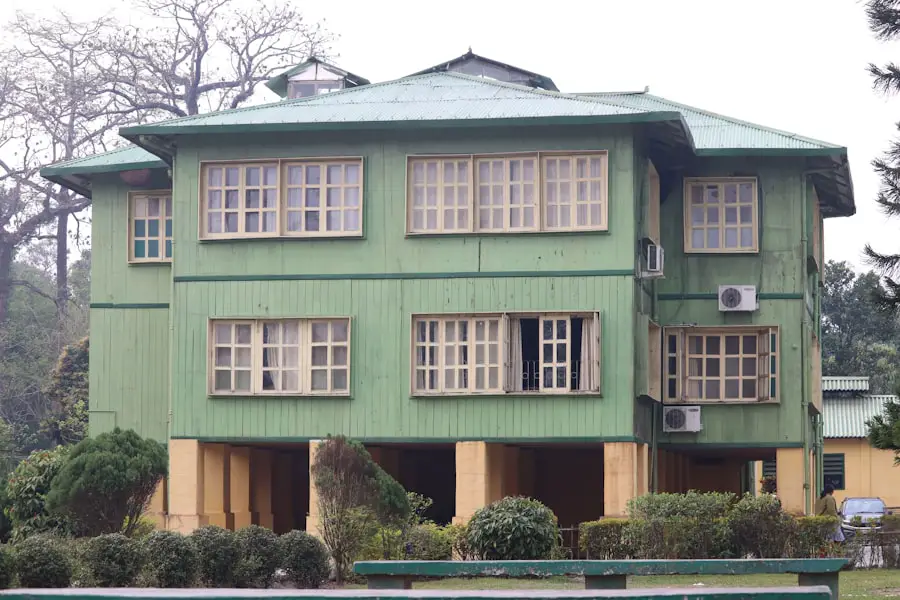
For high-altitude trekking and cooler climates, mountain cabins provide a sheltered retreat. Perched along the Talamanca Range and cloud forest ridges, these cabins feature expansive vistas over valleys, volcanic peaks, and canopy forests. The Monteverde Cloud Forest Reserve corridor hosts several rustic and mid-range cabins tailored to hikers.
Cabins at Cloud Forest Lodge feature floor-to-ceiling windows framing the misty canopy, giving hikers a peaceful space to recharge after long days on the trail. Beyond their scenic appeal, mountain cabins serve as immediate gateways to iconic trail networks where suspension bridges cross high above dense cloud forest flora.
Pro Tip: High-altitude mountain regions like Monteverde and San Gerardo de Rivas drop in temperature significantly at night. Choose cabins with fireplaces or provided heated bedding, and pack warm fleece layers for the evenings.
Camping Options in National Parks
Camping inside Costa Rica’s national parks offers an immersive backcountry experience. While wild camping outside designated zones is strictly prohibited to protect fragile ecosystems, several key parks maintain regulated camping areas and ranger station dormitories for multi-day hikers.
| National Park | Campground / Station | Accommodations | Key Amenities |
|---|---|---|---|
| Corcovado National Park | Sirena Biological Station | Dormitory bunk beds & platforms | Shared bath, meal service, potable water |
| Chirripó National Park | Base Crestones Lodge | Rustic mountain shelter dorms | Solar power, hot showers, dining hall |
| Santa Rosa National Park | Sector Naranjo / Murciélago | Designated tent campsites | Basic restrooms, outdoor showers, picnic tables |
Warning: All national park overnight stays require advance permits. You must register and purchase entry passes ahead of time through the official SINAC (System of Conservation Areas) online portal. Walk-in permits are not issued at park entrances.
Hostels and Budget-Friendly Accommodations
Hostels offer clean, social, and cost-effective lodging for independent backpackers. Situated in outdoor hubs like La Fortuna, Monteverde, and Puerto Viejo, hostels cater directly to active travelers by coordinating early morning trail shuttles, offering gear storage, and arranging certified guides.
Properties such as Selina Hostel in La Fortuna sit minutes from the Arenal Volcano trailheads. Shared kitchen facilities help lower food expenses, while communal spaces allow trekkers to exchange up-to-date trail conditions and transit tips.
Luxury Resorts with Hiking Trails
For travelers seeking high-end hospitality after rigorous physical effort, luxury eco-resorts deliver world-class amenities right alongside private wilderness networks. Properties like the Four Seasons Resort at Peninsula Papagayo incorporate nature trails directly into their sprawling coastal estates.
Near Arenal Volcano, Tabacón Thermal Resort & Spa allows guests to explore private rainforest trails during the day before relaxing in natural, volcanically heated river pools. Guided hikes led by resident naturalists provide detailed insight into local plant life, bird species, and regional geology.
Wellness Retreats with Hiking Packages
Combining outdoor endurance with recovery, wellness retreats across Costa Rica incorporate daily trail hikes alongside yoga, breathwork, and healthy dining. Destinations like the Blue Spirit Retreat in Nosara feature coastal and jungle walking paths designed for mindful movement.
Participants move along forest paths and coastal headlands before engaging in evening recovery sessions. This balance of cardiovascular exercise and structured relaxation makes wellness retreats popular for active travelers seeking holistic rejuvenation.
Homestays with Local Guides
Homestays provide an authentic look into Costa Rican culture, connecting travelers directly with local families in rural communities bordering national parks. Guests receive home-cooked meals, cultural immersion, and personalized guidance on nearby trails.
“Staying with local families near rural reserves provides crucial economic support to gateway communities while granting hikers access to lesser-known private trails.”
For example, staying with rural families near Monteverde or Chirripó offers exposure to sustainable farming traditions alongside guided hikes through private cloud forest reserves where rare species, such as the resplendent quetzal, nest.
Treehouse Accommodations in the Cloud Forest
Treehouse accommodations offer an elevated stay within the forest canopy. Suspended meters above the ground, these treehouses put hikers on eye level with roosting birds, canopy mammals, and arboreal flora.
Properties such as the Treehouse Lodge in Tortuguero and treehouse eco-resorts near Monteverde integrate private access bridges to canopy trail networks. Sleeping among the treetops allows guests to wake up to the morning calls of howler monkeys and toucans before hitting the trails.
Hiking Tours with Accommodation Included
Multi-day guided trekking packages streamline logistics by bundling transportation, luggage transfers, backcountry permits, and nightly stays into a single itinerary. Tour operators coordinate lodging across different ecosystems, moving hikers seamlessly from coastal hotels to mountain lodges.
These organized tours frequently cover routes across Manuel Antonio National Park, Rincón de la Vieja, and the Trans-TAP route. Having pre-arranged lodging and dedicated support vehicles allows hikers to focus fully on the physical journey without managing complex daily travel logistics.
Tips for Choosing the Best Hiking Accommodation
Selecting the right accommodation requires matching your physical objectives with regional geography and logistical constraints:
- Trailhead Proximity: Choose stays located within short driving distance of park gates to beat mid-day heat and rain showers.
- Gear Management: Look for properties offering secure luggage storage, drying rooms for wet boots, and laundry facilities.
- Transportation Access: Confirm whether remote lodges provide 4×4 shuttle transfers, as many rural dirt roads become impassable for standard rental cars in the green season.
- Power & Connectivity: If you carry navigation devices or portable chargers, ensure your lodging provides reliable power outlets. Learn more about gear prep in our guide on the best solar charger for backpacking.
Note: Costa Rica’s rainy season (“green season”) runs from late May through November. Bring waterproof dry bags for your gear when staying at open-air lodges or backcountry campsites.
Frequently Asked Questions
What are the best areas in Costa Rica for hiking?
Top hiking areas include Arenal Volcano National Park, Monteverde Cloud Forest Reserve, Corcovado National Park, Chirripó National Park (home to Costa Rica’s highest peak), and Manuel Antonio National Park.
What types of accommodations are available for hikers in Costa Rica?
Options include eco-lodges, mountain cabins, hostels, luxury eco-resorts, treehouses, homestays, and national park backcountry dormitories or tent campgrounds.
Are there specific accommodations that cater to hikers in Costa Rica?
Yes, many eco-lodges and mountain cabins cater specifically to trekkers by providing early packed breakfasts, trail maps, equipment drying areas, on-site naturalists, and guided night hikes.
What should hikers consider when choosing accommodations in Costa Rica?
Key considerations include proximity to national park gates, mandatory advance booking requirements (via SINAC), weather conditions, drying facilities for wet gear, and 4×4 road accessibility during rainy months.
Are there recommended accommodations for hikers in Costa Rica?
Recommended options include Arenal Observatory Lodge near Arenal Volcano, Cloud Forest Lodge in Monteverde, Sirena Station in Corcovado National Park, and Lapa Rios Ecolodge on the Osa Peninsula.
Sources
- SINAC Costa Rica — Official System of Conservation Areas national park entry and camping permit administration
- Visit Costa Rica (ICT) — Costa Rica Tourism Board official travel guidelines and eco-certification details
- Monteverde Conservation League — Official trail maps, ecosystem data, and reserve management policies

