

Last Updated on September 27, 2026 by Caleb Warren
Choosing a down parka for cold weather means balancing warmth, coverage, durability, and freedom of movement. Fill power matters, but the fit, amount of insulation, and protection from wind and moisture also affect how comfortable you feel outdoors.
The Mountain Hardwear Women’s Stretchdown Parka combines 700-fill RDS-certified down with a flexible, abrasion-resistant shell. Its longer cut, adjustable hood, and two-way zipper make it a practical option for cold-weather travel, camping, and outdoor activities.
This guide uses the manufacturer’s published specifications, product information, and relevant safety considerations to explain its strengths and limitations. It also covers the features worth comparing before you buy a down parka.
Down Parkas Compared
| Product | Best for | Insulation | Coverage and hood |
|---|---|---|---|
| Cold-weather coverage and mobility | 700-fill RDS-certified down; 20D stretch-woven shell | 33-inch center-back length in Medium; adjustable helmet-compatible hood |
| Mountain Hardwear Women’s Stretchdown Parka Black X-Large | Best Cold Weather Performance | Insulation: 700-fill RDS-certified down insulation | Material: 20D Durable Stretch Doubleweave (86% Nylon, 14% Elastane) | Hood: Helmet-compatible hood with three-way drawcord adjustment | VIEW LATEST PRICE | Read Our Analysis |
More Details on Our Top Picks
Mountain Hardwear Women’s Stretchdown Parka Black X-Large
When you’re braving the cold, the Mountain Hardwear Women’s Stretchdown Parka in Black is your ultimate ally. This X-Large parka features a 20D durable stretch doubleweave fabric that combines 86% nylon and 14% elastane, offering exceptional stretch and resistance to abrasions. Packed with 700-fill RDS-certified down insulation, it keeps you warm without bulk. The helmet-compatible hood adjusts easily with a three-way drawcord, ensuring a snug fit. Plus, the two-way center front zipper enhances your mobility. With two secure zippered chest pockets, you can safely store essentials, making this parka the perfect choice for chilly adventures.
- Insulation:700-fill RDS-certified down insulation
- Material:20D Durable Stretch Doubleweave (86% Nylon, 14% Elastane)
- Hood:Helmet-compatible hood with three-way drawcord adjustment
- Zipper:Two-way center front zipper for increased mobility
- Storage:Two interior secure zippered chest pockets
- Color:Black
- Additional Feature:Abrasion- and tear-resistant
- Additional Feature:Exclusive stretch-woven fabric
- Additional Feature:Helmet-compatible hood
Bottom line: The Mountain Hardwear Women’s Stretchdown Parka offers longer coverage and flexible insulation for cold-weather travel, camping, and outdoor breaks. Its stretch fabric and two-way zipper make it especially useful when you want warmth without a stiff outer layer.
Key Specifications
- Insulation: 700-fill RDS-certified down, providing loft for cold-weather insulation.
- Shell: 20D nylon-elastane doubleweave, designed for stretch and abrasion resistance.
- Hood: Helmet-compatible with three-way adjustment, helping customize coverage.
- Length: 33-inch center back in Medium, extending coverage below the waist.
- Closure: Two-way front zipper, allowing easier movement and ventilation.
The stretch-woven construction is the main reason to consider this parka over a more rigid insulated coat. It allows movement through the shoulders and torso while the longer design covers more of your body.
The adjustable hood, hook-and-loop cuffs, and drawcord hem help limit cold air entering through openings. Two interior zippered chest pockets and two brushed zippered hand pockets provide secure storage for smaller essentials.
Its main limitation is wet-weather protection. The published specifications do not establish it as a waterproof shell. For prolonged rain or wet snow, choose a compatible waterproof outer layer rather than relying on the down insulation alone.
- 700-fill RDS-certified down insulation
- Stretch-woven fabric supports freedom of movement
- Longer cut adds coverage below the waist
- Adjustable helmet-compatible hood
- Two-way zipper and secure interior and exterior pockets
- Not specified as a fully waterproof parka
- Down insulation requires protection from prolonged moisture
- Longer design is less compact than a short insulated jacket
Which Down Parka Should You Buy?
Your ideal parka depends on how you spend time outside. The Mountain Hardwear Women’s Stretchdown Parka is the product covered in this roundup, but different winter activities call for different levels of protection.
- Cold-weather travel: Consider the Mountain Hardwear Women’s Stretchdown Parka for its longer cut and adjustable openings.
- Camping and outdoor breaks: Its down insulation and extended coverage suit periods of lower activity when staying warm matters.
- Activities requiring a helmet: Its three-way adjustable, helmet-compatible hood is a useful feature.
- Active movement: Its stretch-woven fabric and two-way zipper help reduce restriction.
- Persistent rain or wet snow: Prioritize a waterproof shell and protect your down insulation from moisture.
How We Chose
We focused on published product information and features that matter when choosing a down parka for cold weather. This is a specification-based buying guide, not a claim of independent field testing.
- Insulation: Fill power, down certification, coverage, and construction.
- Mobility: Stretch materials, fit, zipper design, and freedom of movement.
- Weather protection: Hood adjustment, cuff and hem closures, and stated water resistance.
- Everyday practicality: Pocket placement, jacket length, weight, and layering options.
- Source checks: Manufacturer specifications, the linked product listing, and public product-safety information.
Factors to Consider When Choosing a Down Parka: Top Picks for Cold Weather Performance
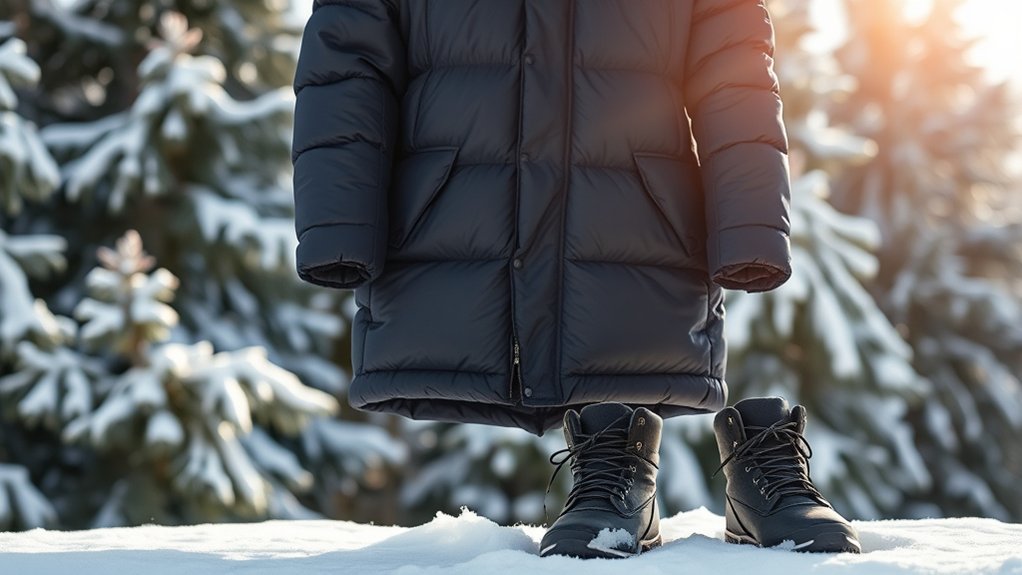
When choosing a down parka, focus on insulation quality, material durability, weather resistance, and fit. The right combination depends on your climate, activity level, and how much clothing you plan to wear underneath.
Insulation Quality Matters
Fill power measures how much space a given weight of down occupies when fully lofted. Higher fill power can deliver more insulating loft for the same down weight, but it does not provide a complete warmth rating.
Also consider the amount of down, the jacket’s construction, and its overall coverage. A substantial parka with 700-fill down can be warmer than a lighter jacket with a higher fill-power number.
Look for RDS-certified down if animal-welfare requirements and supply-chain traceability matter to you. Remember that certification does not establish waterproof performance. Protect down insulation from becoming saturated.
Material Durability and Stretch
Your parka’s outer fabric affects comfort, weight, and resistance to wear. Nylon blends are common because they offer a useful balance of strength and low weight. Elastane adds stretch, helping the garment move with your body.
The Mountain Hardwear Women’s Stretchdown Parka uses 20D Durable Stretch Doubleweave fabric with 86% nylon and 14% elastane. Its woven construction is designed to resist abrasion and tearing while allowing movement.
For regular outdoor use, also inspect seam construction, cuffs, zippers, and areas exposed to backpack straps.
Weather Resistance Features
A down parka can provide excellent insulation without being waterproof. Check the manufacturer’s description for water-repellent treatments, waterproof membranes, and seam construction rather than treating these terms as interchangeable.
Adjustable hoods, cuffs, and hems help reduce drafts. A two-way zipper can improve ventilation and movement, while a draft flap may limit cold air entering through the front closure.
For prolonged rain or wet snow, use an appropriate waterproof shell. If the jacket will regularly get wet, compare synthetic insulation as well, since it generally retains more insulating function when damp.
Fit and Comfort
Your down parka should leave enough room for a base layer and midlayer without compressing the insulation. A tight fit can restrict movement and reduce the insulating air space around your body.
Check shoulder movement, sleeve length, chest and hip measurements, and whether the hem rises when you lift your arms. Adjustable drawcords can help close gaps without making the whole jacket restrictive.
Longer parkas provide added coverage around the hips and upper legs. The trade-off is that extra length may be less convenient for some fast-moving activities.
Hood Design and Functionality
A well-designed hood protects your head and neck without blocking your view. Look for adjustable drawcords that let you control the opening and the hood’s position.
A helmet-compatible hood is helpful if you use climbing or other outdoor head protection. However, check that it can also be adjusted comfortably when you are not wearing a helmet.
Insulation around the hood, an effective collar, and a secure front closure can improve comfort in cold, windy conditions.
Zipper and Pocket Accessibility
A two-way front zipper lets you open the coat from the bottom while keeping the upper section closed. This can improve comfort when sitting, climbing, or taking longer steps.
Check whether you can reach the hand pockets while wearing a backpack or gloves. Zippered pockets help keep small belongings secure, while interior pockets offer sheltered storage.
Look at zipper pulls, draft protection, and the placement of pocket openings. These small details become more important when your hands are cold.
Weight and Packability
Down insulation is valued for its warmth-to-weight ratio and ability to compress. However, a longer parka normally requires more shell material and insulation than a shorter jacket.
Check the stated weight and the size used for that measurement. Manufacturer weights often refer to Medium rather than every available size.
For travel, confirm whether the parka has a built-in stow pocket or supplied stuff sack. Do not assume every down parka is designed for compact packing. Avoid leaving compressed down in storage for extended periods.
Style and Aesthetics
A parka should fit your daily needs as well as your winter clothing. Darker colors can be easy to coordinate, while brighter colors may be easier to spot outdoors.
Consider the overall shape and length. A closer cut can look streamlined, but it should still leave space for comfortable layering. A roomier design may suit people who regularly wear thick midlayers.
Practical details such as pocket placement, adjustable cuffs, and hood shape can affect the appearance without sacrificing useful features.
Mistakes to Avoid When Buying a Down Parka
- Choosing by fill power alone: Compare coverage, construction, and insulation quantity where available.
- Confusing water resistance with waterproofing: Check the manufacturer’s stated protection before wearing down in wet conditions.
- Buying a restrictive fit: Try the parka with the layers you normally wear.
- Ignoring activity level: A warm parka for stationary use may be too insulating during strenuous exercise.
- Assuming every model year has identical specifications: Check the exact linked version before comparing features.
FAQs
How Do I Properly Care for My Down Parka?
Follow the care label supplied with your particular parka. When machine washing is permitted, use a detergent suitable for down and the recommended wash settings. Avoid fabric softener. Dry the garment thoroughly according to its label, using low heat when allowed. Clean dryer balls can help separate down clumps and restore loft during drying.
Are Down Parkas Waterproof or Water-Resistant?
Down parkas are not automatically waterproof. Some have water-repellent outer fabrics that resist light moisture, while others include a waterproof membrane. Check the exact garment specifications. Down can lose insulating loft when saturated, so a waterproof shell is useful during prolonged rain or wet snow. RDS certification addresses down sourcing, not water resistance.
What Is the Average Lifespan of a Down Parka?
A down parka’s lifespan depends on construction, frequency of use, cleaning, and storage. Quality down can retain useful loft for years when properly maintained. Inspect the fabric, seams, zippers, and insulation regularly. Promptly repair small tears and avoid long-term compressed storage. Replace the garment when damage or lost loft prevents it from providing the warmth you need.
How Do I Choose the Right Size for a Down Parka?
Measure your chest and hips, then compare those measurements with the manufacturer’s size chart. Allow room for your usual winter layers without choosing a fit that compresses the insulation. Check shoulder movement, sleeve length, and comfort when sitting. If buying online, confirm the exact color and size selected by the product link before ordering.
Can Down Parkas Be Used for Activities Like Skiing or Hiking?
Yes, but their suitability depends on the activity and weather. A down parka can be useful during rest stops, camping, and low-intensity periods in cold conditions. During strenuous hiking or skiing, excess sweating can dampen insulation. Choose layers that allow ventilation, and use appropriate waterproof outerwear when conditions require it.
What Is the Difference Between Down Fill Power and Fill Weight?
Fill power describes the loft of a given weight of down, while fill weight is the amount of down inside the garment. Both help explain insulation performance. A higher fill-power jacket is not necessarily warmer if it contains much less down. Also compare garment coverage, construction, fit, and wind protection rather than judging warmth from one number.
Is RDS-Certified Down Warmer Than Regular Down?
No. RDS certification concerns animal-welfare requirements and supply-chain traceability, not warmth. The insulating performance of down depends on its quality, fill power, amount, and how it is distributed inside the garment. Certification can help you make a sourcing decision, but it does not replace the need to compare technical specifications or weather protection.
Should I Wear a Waterproof Shell Over a Down Parka?
A waterproof shell is useful when you expect prolonged rain or wet snow and your parka is not waterproof. Make sure the shell is large enough to fit over the insulation without compressing it. For frequent wet-weather activity, you may prefer a waterproof insulated jacket or a layering system designed for those conditions.
Final Verdict
For cold-weather coverage and mobility, the Mountain Hardwear Women’s Stretchdown Parka combines 700-fill RDS-certified down, stretch-woven fabric, and an adjustable hood. Its longer cut and two-way zipper make it worth considering for winter travel and outdoor activities.
Choose it if you value flexible insulation and extended coverage. For prolonged wet weather, plan on additional waterproof protection.
