Last Updated on November 4, 2026 by Caleb Warren
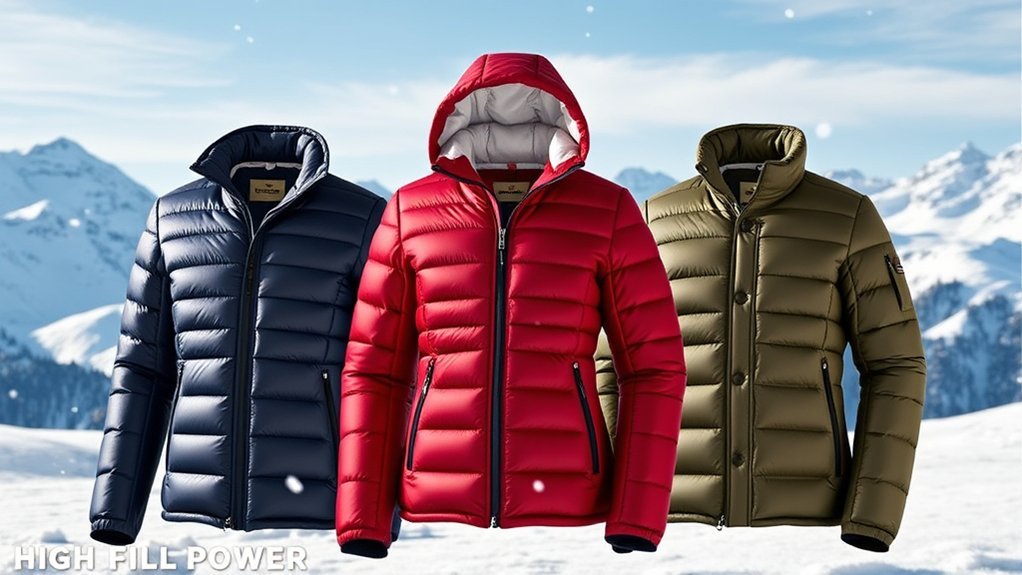
Choosing a high fill power down jacket can help you stay warm without carrying unnecessary weight. But fill power alone does not tell you how warm a jacket will feel. The amount of down, garment coverage, fit, and weather protection matter too.
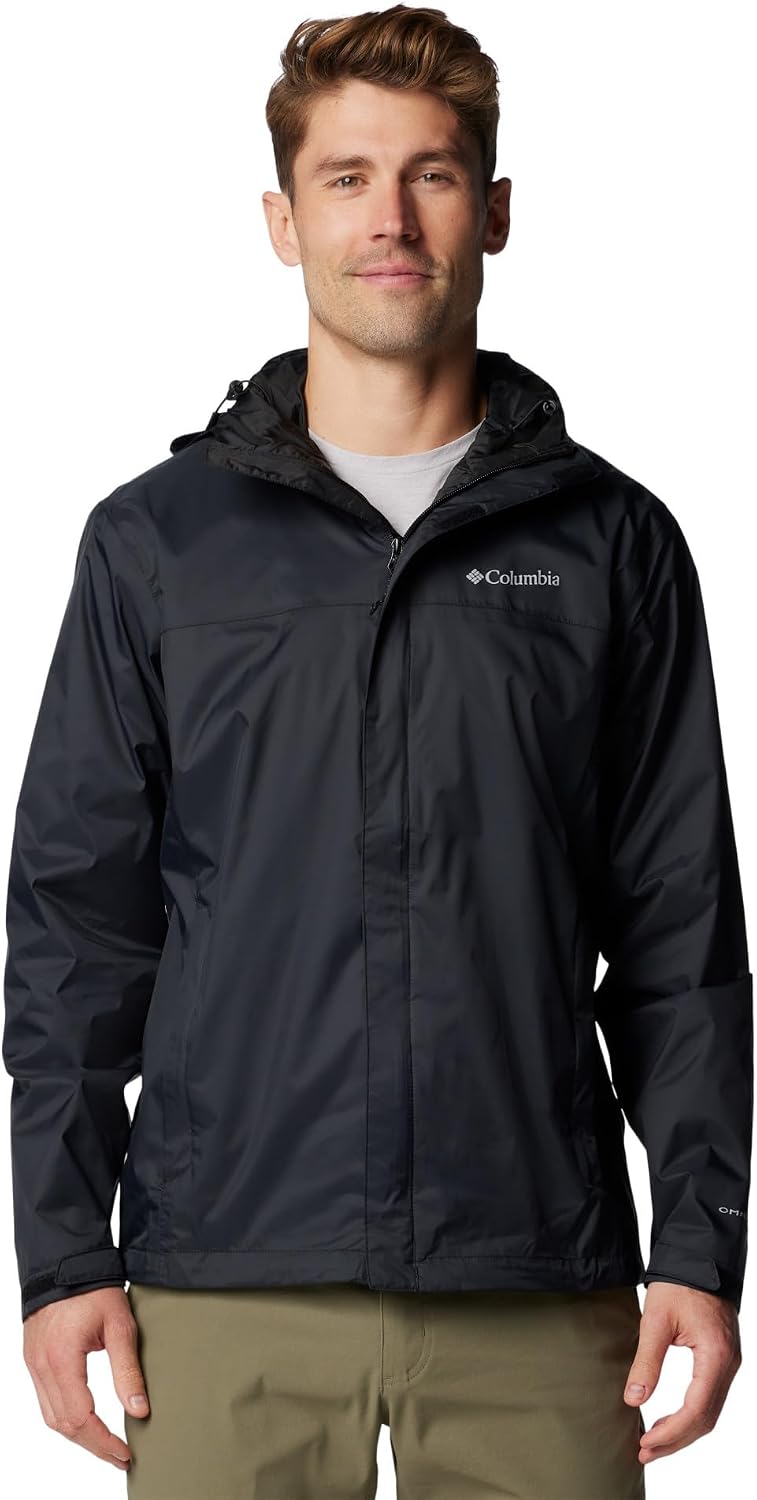
For lightweight cold-weather layering, two options worth comparing are the Mudere Women’s Lightweight Quilted Puffer Jacket and the Stone Glacier Grumman Vest. The Mudere is a full-sleeve jacket advertised with 800-fill-power down, while the Stone Glacier is a technical vest with manufacturer-confirmed 850+ fill power goose down. Each serves a different purpose, so choosing the right one depends on how you plan to use it.
Disclosure: As an Amazon Associate I earn from qualifying purchases. Some links on this page are affiliate links, at no extra cost to you.
Quick Answer: Which Down Layer Should You Choose?
Choose the Mudere Women’s Lightweight Quilted Puffer Jacket if you want a full-sleeve quilted jacket for daily wear, commuting, or casual winter outings. Its advertised insulation specifications should be confirmed before purchasing.
Choose the Stone Glacier Grumman Vest if you prioritize lightweight core insulation, packability, and freedom of arm movement. Its 850+ fill power goose down and technical construction make it useful for outdoor layering, but it does not provide sleeve coverage.
Important: A higher fill-power number does not automatically mean a warmer garment. Fill weight, design, coverage, and clothing layers affect overall warmth.
Key Takeaways
- 800+ fill power generally indicates highly efficient down insulation with good compressibility.
- Fill weight matters: The amount of insulation influences warmth just as much as its loft efficiency.
- Jackets and vests serve different purposes: Jackets cover your arms, while vests focus on core warmth.
- Water resistance is not waterproofing: Add a suitable rain shell when you expect prolonged wet weather.
- Verify product details: Check the exact size, insulation label, care instructions, and return policy before buying.
Top High Fill Power Down Jacket and Vest Picks
| Mudere Women’s Lightweight Quilted Puffer Jacket | Full-Sleeve Everyday Option | Insulation: Advertised 800 fill power duck down; independent verification pending | Weather Resistance: Advertised water-resistant exterior; technical rating not confirmed | Packability: Lightweight design; packed dimensions not verified | Check Price on Amazon | Read Our Analysis | |
| Stone Glacier Grumman Vest | Technical Core Insulation | Insulation: 850+ fill power goose down; current manufacturer specification | Weather Resistance: Pertex Quantum shell and treated down; not waterproof | Packability: Compressible design with an internal storage pocket | Check Price on Amazon | Read Our Analysis |
Product information note: Specifications were reviewed in October 2026. The Stone Glacier technical details are based on the manufacturer’s published vest specifications. Mudere’s advertised insulation details could not be independently confirmed for the linked Amazon variant. Always check the current product page before ordering.
More Details on Our Top Picks
-
Mudere Women’s Lightweight Quilted Puffer Jacket
If you want a winter jacket that balances everyday style with practical coverage, the Mudere Women’s Lightweight Quilted Puffer Jacket is worth a closer look. Its quilted design and slim-fit styling may appeal to shoppers who prefer a less bulky appearance for commuting, traveling, and casual outdoor use.
The jacket is advertised as using 800 fill power duck down, a specification that would indicate efficient insulation if confirmed. However, the exact down composition, fill weight, and certification details were not independently verified for the linked Amazon listing.
The described full-zip design and pockets could make this jacket convenient for daily wear. Its advertised water-resistant construction may help in light moisture, but you should not assume it is fully waterproof or suitable for extended exposure to heavy rain.
Why You’ll Like It
- Full-sleeve coverage: Provides more complete arm coverage than a vest.
- Everyday styling: The quilted design can work with casual winter clothing.
- Layering potential: Can be combined with a base layer or sweater if the size allows.
- Practical design: A front zipper and pockets are useful for daily activities.
Who Should Buy This Jacket?
Consider this option if you want a women’s quilted puffer jacket for everyday cold-weather activities and prefer a more fitted look. Check the size chart and verify the actual insulation details before choosing it for demanding outdoor conditions.
Who Should Avoid This Jacket?
It may not be your best choice if you need verified technical insulation specifications, a documented extreme-cold rating, or guaranteed waterproof protection. For backcountry trips where equipment performance is critical, prioritize products with detailed manufacturer specifications.
Before You Buy: Confirm the exact fill power, down percentage, RDS certification claim, pocket configuration, shell treatment, sizing, and washing instructions on the current product listing. These details should not be assumed from the advertised product name alone.- Insulation Fill Power:Advertised 800 fill power; not independently verified
- Weather Resistance:Advertised water-resistant design; waterproof rating not confirmed
- Packability:Lightweight design; packed dimensions not verified
- Design Fit:Advertised slim-fit styling
- Material:Duck down insulation claimed; exact composition requires confirmation
- Care Instructions:Follow the instructions on the product’s care label
- Additional Feature:Quilted puffer styling
- Additional Feature:Full-sleeve coverage
- Additional Feature:Front zipper and pocket design
-
Stone Glacier Grumman Vest
The Stone Glacier Grumman Vest is designed for outdoor enthusiasts who want efficient core insulation without the extra bulk of full sleeves. It is particularly useful when layering for hiking, hunting, or other cold-weather outdoor activities where freedom of arm movement matters.
According to Stone Glacier’s current manufacturer specifications, the vest uses 850+ fill power goose down with a HyperDRY water-repellent treatment. The outer fabric is a lightweight 15-denier Pertex Quantum shell, designed to support packability and help reduce exposure to wind and light moisture.
The current manufacturer listing specifies approximately 8.8 oz total garment weight in size Large and 3.5 oz of down insulation. These specifications differ from those of the Grumman Down Jacket and may also vary between product generations.
For convenience, the vest includes an internal pocket that doubles as a stuff sack, an elastic waist hem, and YKK zippers. Its compact design can make it a useful extra layer in a backpack.
Because this is a sleeveless vest rather than a jacket, it will not provide the same arm coverage as a full-sleeve garment. During very cold or windy conditions, combine it with suitable layers and an appropriate protective shell.
Why You’ll Like It
- 850+ fill power: High-loft goose down supports an efficient warmth-to-weight ratio.
- Lightweight construction: Suitable for carrying as an additional insulating layer.
- Packable design: An internal pocket doubles as storage for the vest.
- Technical shell: The 15-denier Pertex Quantum fabric helps keep weight down.
- Flexible layering: Sleeveless construction allows freedom of movement around the arms.
Who Should Buy This Vest?
This vest is a practical choice for hikers, hunters, travelers, and other outdoor enthusiasts who need lightweight core insulation. It can work especially well as part of a layered clothing system rather than as a complete winter outer layer.
Who Should Avoid This Vest?
Avoid choosing it as your only insulating garment if you need full arm protection in freezing conditions. It is also not a substitute for a waterproof shell during heavy rain or prolonged exposure to wet weather.
Pro Tip: Check which Grumman Vest generation the retailer is selling. Published garment weights, fill weights, and packing features may differ between older and current versions. Compare the linked listing with the Stone Glacier manufacturer specifications before ordering.- Insulation Fill Power:850+ fill power goose down
- Weather Resistance:HyperDRY treated down and Pertex Quantum shell; not waterproof
- Packability:Internal pocket doubles as a stuff sack on the current version
- Design Fit:Sleeveless technical vest with elastic waist hem
- Material:15-denier Pertex Quantum shell
- Care Instructions:Follow the manufacturer’s garment-specific instructions
- Additional Feature:Approximately 8.8 oz in size Large on the current manufacturer listing
- Additional Feature:Approximately 3.5 oz of down insulation on the current version
- Additional Feature:YKK zippers and compact layering design
Factors to Consider When Choosing High Fill Power Down Outerwear
Choosing the right high fill power down jacket or vest requires more than comparing insulation numbers. You should consider how much down is used, how the garment fits, how it handles moisture, and how easily you can carry it.
The following factors will help you make a better buying decision.
Insulation Quality and Type
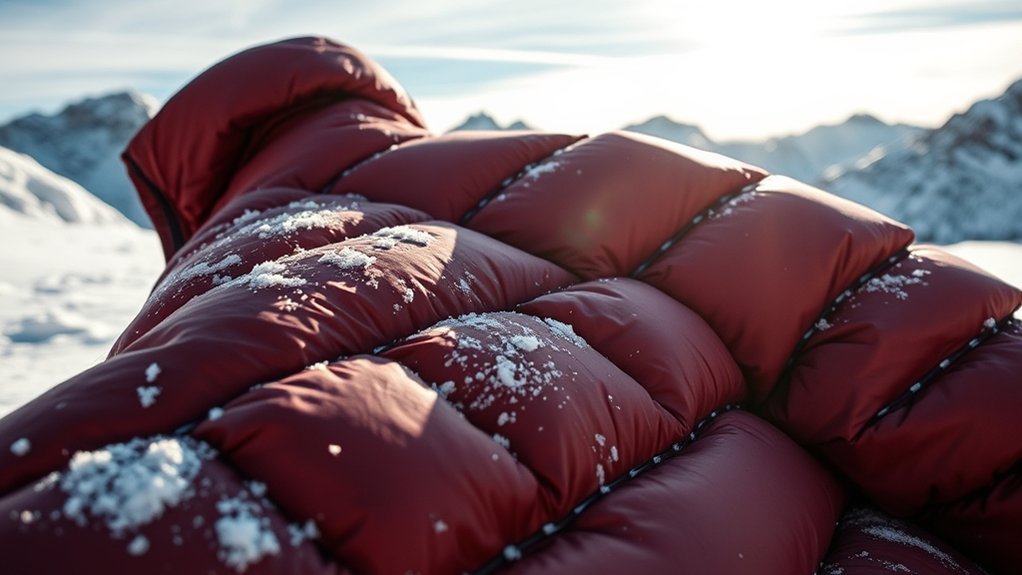
Down fill power measures the loft of down insulation. Higher fill power means the down can expand to occupy more space per unit of weight, helping it trap insulating air efficiently.
Jackets and vests using 800 fill power or higher can provide an attractive balance of insulation efficiency, low weight, and compressibility.
However, fill power is not the same as warmth. Two garments with identical fill-power ratings can feel very different because they contain different amounts of insulation.
Fill weight is the actual amount of down inside the garment. A jacket with a larger quantity of lower-fill-power down may provide more warmth than a very lightly filled premium jacket.
For the best comparison, consider:
- Fill power: How efficiently the down expands and traps air.
- Fill weight: How much down insulation the garment contains.
- Construction: How the insulation is distributed across the garment.
- Coverage: Whether the garment includes sleeves, a hood, and adequate torso length.
- Layering: How comfortably the garment fits over your other clothing.
Both goose down and duck down can provide effective insulation. Rather than choosing only by bird type, compare fill power, fill weight, construction, and your intended use.
You can learn more from REI’s explanation of down fill power.
Weather Resistance Features
Weather protection is important when choosing insulated outerwear for cold conditions. Wind and moisture can affect both comfort and insulation performance.
Look for water-resistant shell fabrics, wind-resistant construction, and protective design features such as adjustable hems or well-fitting collars.
Some down garments also use water-repellent treatments on the insulation to help it resist moisture. However, treated down and water-resistant fabrics do not make a garment fully waterproof.
For hiking, camping, or traveling in wet conditions, consider wearing a suitable waterproof rain shell over your down layer.
Weight and Packability
If you enjoy backpacking, hiking, or traveling, weight and packability can make a significant difference.
High-fill-power down is popular because it offers efficient insulation without requiring as much material for a similar level of loft.
However, garment weight is influenced by more than insulation. Shell fabric, zippers, pockets, hoods, and other construction details also add weight.
When comparing options, check the manufacturer’s listed garment weight and the size used for that measurement. A weight stated for size Large may not match the weight of a smaller or larger version.
Look for a jacket or vest that can compress into a practical storage size without compromising the insulation you need.
Remember: Lightweight outerwear is useful for portability, but the lightest garment is not always the warmest choice for your conditions.
Design and Fit
The right fit helps your down garment retain warmth while allowing comfortable movement.
A jacket that fits too tightly may compress its insulation and restrict layering. An excessively loose garment can allow unwanted air movement around your body.
For everyday use, a fitted quilted jacket may be comfortable and easy to style. For outdoor activities, you may prefer a cut that accommodates additional layers.
Consider these design features:
- Sleeve coverage: Full-sleeve jackets help protect your arms, while vests focus on core insulation.
- Collar design: A well-fitting collar can help limit heat loss around the neck.
- Hem adjustment: Elastic or adjustable hems help reduce cold air entering from below.
- Pocket placement: Accessible pockets improve convenience when wearing a backpack or other equipment.
- Layering space: Enough room for a base layer or fleece can improve versatility.
Before buying, compare your chest, waist, and other relevant measurements with the manufacturer’s size chart.
Care and Maintenance
Proper care helps your down jacket or vest maintain its loft and useful life.
Over time, accumulated dirt and body oils can affect the loft of down insulation. Cleaning the garment according to its care label helps maintain its performance.
Depending on the manufacturer’s instructions, some down garments can be machine washed with a suitable down-specific cleaning product.
Follow these basic care principles:
- Read the garment’s care label before washing.
- Use a cleaning product suitable for down when recommended.
- Avoid fabric softeners unless the manufacturer specifically permits them.
- Dry the garment thoroughly using the recommended method.
- Where permitted, use dryer balls during tumble drying to help separate down clusters.
- Store the garment loosely in a dry, breathable space instead of leaving it tightly compressed for long periods.
Always prioritize the manufacturer’s instructions because shell materials, water-repellent treatments, and garment construction can affect cleaning requirements.
Versatility for Activities
The best down layer depends on how and where you plan to wear it.
For daily commuting and casual winter wear, a full-sleeve jacket offers more complete coverage and can be easier to use as a standalone outer layer in appropriate conditions.
For hiking, hunting, and active layering, a lightweight down vest may be useful when you want core insulation without restricting your arms.
For backpacking and travel, packability becomes especially important. A compact down garment can fit into a backpack and provide an additional layer when temperatures drop.
If you expect prolonged exposure to freezing temperatures, strong wind, or heavy precipitation, consider a complete clothing system rather than relying only on a lightweight jacket or vest.
How to Compare Down Jackets and Vests Before Buying
A high fill power rating is useful, but your purchase should reflect your actual clothing needs.
Before You Buy Checklist
- Insulation: Is the advertised fill power supported by product documentation?
- Fill weight: Does the manufacturer disclose how much down is inside?
- Coverage: Do you need a full-sleeve jacket or a sleeveless vest?
- Weather protection: Is the garment water-resistant, waterproof, or neither?
- Fit: Will it accommodate your normal winter clothing layers?
- Weight: Is it light enough for your travel or hiking needs?
- Packability: Does it have a storage pocket or included stuff sack?
- Care: Are cleaning and drying instructions practical for you?
- Returns: Can you return or exchange the garment if the fit is wrong?
What Does RDS Certification Mean?
The Responsible Down Standard (RDS) is a third-party standard focused on animal welfare and traceability in the down supply chain.
It includes requirements intended to prevent practices such as live plucking and force-feeding.
However, RDS certification does not guarantee a particular fill power, garment warmth level, or weather-resistance rating.
If ethical down sourcing matters to you, check whether the specific garment carries a verifiable RDS claim.
For more information, visit the Textile Exchange Responsible Down Standard guide.
Frequently Asked Questions
How Do I Properly Care for My Down Jacket?
Follow the garment’s care label. When machine washing is permitted, use the recommended cycle and a suitable cleaner. Avoid fabric softeners, dry the jacket thoroughly, and restore loft using the manufacturer’s recommended drying method.
What Is the Difference Between Down and Synthetic Insulation?
Down insulation uses fine insulating plumage from ducks or geese and is valued for its warmth-to-weight ratio and compressibility. Synthetic insulation generally uses manufactured fibers, often polyester, and can retain more insulating performance when damp. The better choice depends on your weather conditions, budget, and intended use.
Can High Fill Power Jackets Be Machine Washed?
Many down jackets are machine washable, but not all have identical care requirements. Always follow the manufacturer’s instructions for washing, detergent selection, drying temperatures, and storage.
Are Down Jackets Suitable for Wet Conditions?
Down jackets can be suitable for cold weather with occasional light moisture, depending on their construction. However, prolonged wet conditions can reduce down loft and warmth. Wear a waterproof shell over your down layer when significant rain or wet snow is expected.
How Do I Choose the Right Size for a Down Jacket?
Measure your chest and waist and compare the measurements with the brand’s size chart. Consider the clothing you will wear underneath. Choose a size that allows comfortable movement and layering without compressing the insulation.
Is 850 Fill Power Warmer Than 800 Fill Power?
Not necessarily. With equal fill weight and similar construction, 850-fill-power down offers greater loft than 800-fill-power down. But an entire garment’s warmth also depends on the quantity of insulation, baffle construction, coverage, and fit.
Should I Buy a Down Jacket or a Down Vest?
Choose a jacket when you want full arm coverage and more complete protection from cold air. Choose a vest when you mainly need core insulation and prefer unrestricted arm movement. For extremely cold conditions, a vest is usually best treated as one component of a layered clothing system.
What Should I Check Before Buying High Fill Power Down?
Check the exact fill power, fill weight if available, shell material, garment weight, fit, weather resistance, care instructions, and return policy. Also confirm that the specifications apply to the particular product version and size you are purchasing.
Conclusion
Finding the right high fill power down jacket or vest comes down to understanding how you plan to use it. Good insulation efficiency matters, but so do garment coverage, fit, total insulation weight, and weather protection.
The Mudere Women’s Lightweight Quilted Puffer Jacket is an option to investigate if you want a stylish, full-sleeve puffer for everyday winter wear. Verify its advertised insulation and weather-protection specifications before ordering.
The Stone Glacier Grumman Vest is a more clearly documented technical option for lightweight core insulation. Its manufacturer-confirmed 850+ fill power goose down, Pertex Quantum shell, and packable construction make it useful for outdoor layering, although it does not provide full-sleeve protection.
Final recommendation: Choose based on the coverage and activities you need, not the fill-power number alone. Confirm the current product specifications and size before purchasing so your down layer fits comfortably into your cold-weather clothing system.