

Last Updated on September 11, 2026 by Logan Reeves
You depend on crampons to keep you safe and efficient on snow and ice, so choosing the right pair matters for both performance and risk management. This guide highlights field-tested options that balance traction, fit and weight so you can match a model to your boots and objectives.
Read on to identify the crampon that reduces fatigue, improves security on steep terrain and fits your technical needs and budget.
Disclosure: As an Amazon Associate I earn from qualifying purchases. Some links on this page are affiliate links, at no extra cost to you.
Top Picks
|
Category |
Product |
Score |
|---|---|---|
|
🏆 Best Technical |
92/100 |
|
|
🚀 Best Lightweight |
86/100 |
|
|
💰 Best Value Hiking |
90/100 |
Selection Criteria
We prioritized real-world performance metrics you care about: reliable traction on snow and ice, secure attachment to common boot types, weight for approaches, durability of materials and ease of on-mountain adjustments. You should be able to tell whether a crampon suits technical ice, mixed climbing or winter hiking by its point configuration and construction. We also considered fit range, user adjustability, warranty and value so the recommendations cover distinct use cases rather than one-size-fits-all claims.
Black Diamond Neve
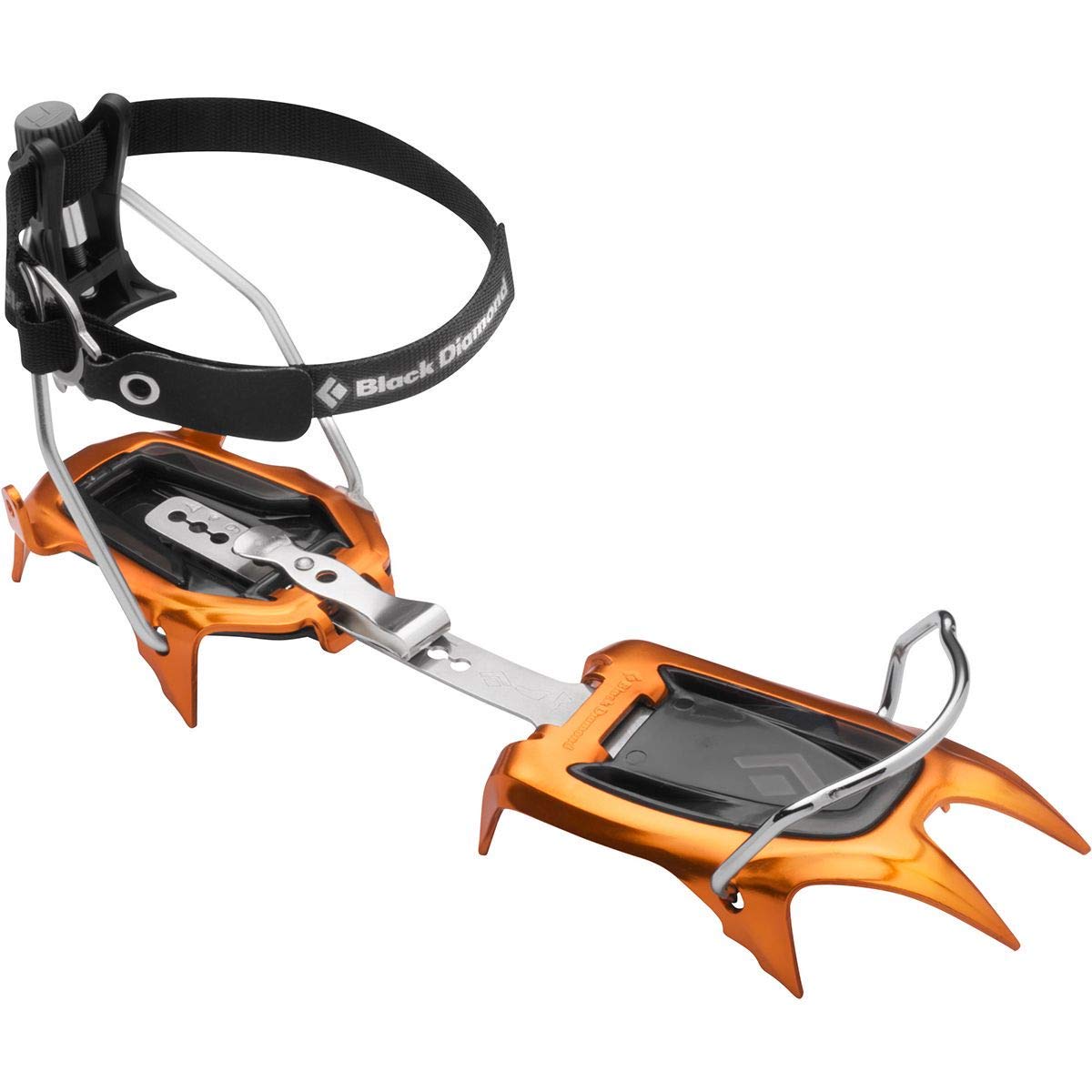
If you want crampons that shave weight without sacrificing confidence on steep snow, these are built for fast approaches and ski-mountaineering objectives. The aluminum 10-point layout keeps your pack light and your movements quick, while the two attachment configurations let you use semi-technical or more casual boots.
They aren’t meant to replace steel tools for sustained mixed climbing, but for long approaches, glacier travel in moderate conditions, and days when every ounce matters they make sense. If your priorities are speed and low weight, you’ll appreciate their balance of bite and flexibility.
What People Say
Customers frequently highlight how light these crampons feel and how that makes uphill travel easier on long days. Reviewers also mention the dual attachment options and the confident traction on steep, snowy slopes.
A smaller number of users point out that aluminum requires more care than steel on mixed or rocky terrain.
Overall Sentiment: Positive

|
Pros |
Cons |
|---|---|
|
✅ Excellent weight-to-performance ratio |
❌ Aluminum is less durable than steel for mixed climbing |
|
✅ Versatile attachment for different boot styles |
❌ One-size fit may not suit very large or very small boots |
|
✅ Good bite and flexibility on snow |
When To Use Them
|
Situation |
How It Helps |
|---|---|
|
Ski-Mountaineering |
You gain lighter kit for long skinning and bootpack approaches, making transitions quicker and reducing leg fatigue. |
|
Alpine Approach to Rock Routes |
The flexible, lightweight frame keeps you moving efficiently on snowfields before you switch to rock shoes. |
|
Glacier Travel in Moderate Conditions |
The 10-point layout offers stable traction for walking crevassed terrain where you need reliable bite without heavy hardware. |
|
Fast Spring Missions |
You can move fast on firm snow while keeping pack weight down, which is ideal for short objective days with technical exits. |
Comfort
Comfortable for long approaches thanks to low weight and flexible frame, though fit depends on boot compatibility and may need careful adjustment.
Key Benefits
- Very lightweight 10-point aluminum design reduces fatigue on long approaches
- Two attachment modes fit a range of boots from semi-technical to non-technical
- Flexible but aggressive construction maintains traction on steep snow
Rating: 4.3 (total: 8+)
Petzl Lynx
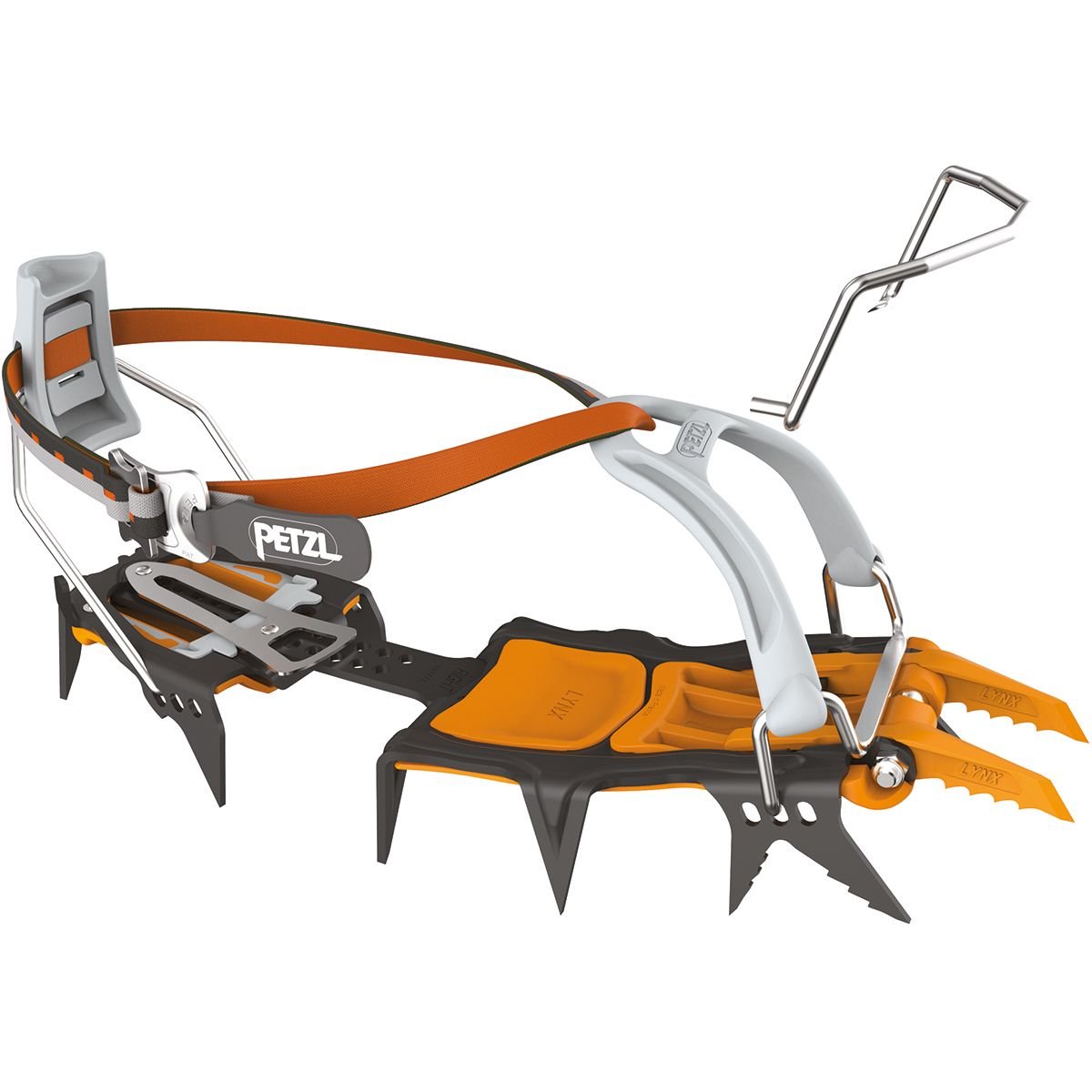
You’ll find the Petzl Lynx sits between alpine crampons and technical ice tools, giving you flexibility for a lot of objectives. The design supports monopoint or dual-point configurations and works well with semi-automatic and automatic bindings, so you can switch from steep ice to classic alpine moves without changing hardware.
It’s a practical choice for regular climbers who need one reliable pair for varied terrain, and the included case keeps them tidy when you’re moving between objectives. If you want a do-it-all crampon that handles vertical ice and straightforward mixed routes, these are a solid pick.
What People Say
Buyers frequently praise the Lynx for its versatility and build quality, noting that it performs well on both ice and alpine approaches. Many appreciate the convenience of the carry case and the multiple attachment options, while a few mention that there are different product versions so you should confirm the specific model to match your boots.
Overall Sentiment: Positive

|
Pros |
Cons |
|---|---|
|
✅ Versatile for ice and alpine climbs |
❌ Some listings may represent different versions, so double-check the model |
|
✅ Sturdy construction and reliable bite |
❌ May require careful setup to fit certain boot shapes |
|
✅ Compact storage case included |
When To Use Them
|
Situation |
How It Helps |
|---|---|
|
Vertical Ice |
You get secure front-pointing options and stable performance when you’re committing to steep frozen terrain. |
|
Mixed Routes |
The adaptable configuration lets you balance precision and durability for occasional rock contacts. |
|
Alpine Approaches |
You can move efficiently on snow and glacier travel without switching to a completely different crampon. |
|
Guide or Frequent Climber Days |
The durable build and broad compatibility reduce downtime and simplify kit management between objectives. |
Comfort
Stable and confidence-inspiring when set up correctly; you may need to fine-tune the attachment for a snug fit on some boots.
Key Benefits
- Adaptable configurations for monopoint or dual-point climbing
- Good compatibility with a wide range of boot types
- Includes a carrying case for neat storage and transport
- Balanced durability suitable for ice and classic alpine terrain
Rating: 4.4 (total: 25+)
Kahtoola KTS

You want dependable traction on winter trails without the bulk of full-mountaineering gear, and the KTS delivers that in a simple, practical package. These crampons use alloy steel for robust bite on packed snow and ice while staying flexible enough to work with trail and backpacking boots.
They’re easy to adjust on the trail, tolerate a range of sole flex, and replace microspikes when you need something more aggressive. For regular winter hikers, backcountry day trips, or mixed-condition approaches where you value comfort and adaptability, these make a reliable go-to option.
What People Say
Users often note the dramatic traction improvement over microspikes and highlight how comfortable the KTS feels on long winter hikes. Many call out the ease of slipping them onto flexible boots and the confidence they provide on steep packed snow.
A handful of users mention cosmetic wear or surface oxidation over time, so ongoing care helps maintain appearance.
Overall Sentiment: Positive

|
Pros |
Cons |
|---|---|
|
✅ Excellent grip for winter hiking and backpacking |
❌ Red paint finish may wear and show oxidation over time |
|
✅ Comfortable on flexible-soled footwear |
❌ Not intended for sustained technical mixed or vertical ice |
|
✅ Easy to adjust and fit various boot sizes |
❌ Medium-large sizing may not suit very small or very large feet |
|
✅ Backed by a 3-year limited warranty |
When To Use Them
|
Situation |
How It Helps |
|---|---|
|
Packed Snow Trails |
You get confident traction for hiking and short ascents without the stiffness of technical crampons. |
|
Backpacking Approaches |
The flexible frame works with trail boots, letting you move comfortably while carrying a pack. |
|
Trail Running in Winter |
You can attach them to stiffened trail shoes for faster travel on packed, icy approaches where microspikes fall short. |
|
Replacing Microspikes |
They provide a step up in bite and stability when microspikes feel marginal on steeper, firmer snow. |
Comfort
Comfortable for long outings when paired with compatible boots; the flexible design reduces pressure points, though proper adjustment is important for the best fit.
Key Benefits
- Superior traction compared with microspikes on packed snow and ice
- Flexible design fits a variety of hiking and trail shoe soles
- Durable alloy steel construction for repeated use
- Relatively simple adjustment and good fit range
Rating: 4.4 (total: 29+)
FAQ
How Do I Choose The Right Crampon For My Boots?
You should match the crampon attachment type to your boot sole and intended use. Automatic crampons require a rigid sole with a heel welt, semi-automatic need a heel welt but tolerate some sole flex, and strap-on models work with nearly any boot but are bulkier; confirm compatibility with the manufacturer before buying. Also consider point configuration and material: aluminum 10-point frames are lighter for approaches and ski-mountaineering, while steel is better for sustained ice and mixed climbing. Finally, try them on with the socks and gaiters you plan to use so you can check fit and make adjustments before heading out.
Aluminum Or Steel: Which Material Should You Pick?
Choose based on how you climb rather than brand alone. Aluminum keeps weight down and reduces fatigue on long approaches and ski objectives, but it wears faster on rock and mixed terrain, so it’s best for snow-focused travel.
Steel is heavier but far more durable and forgiving when you encounter rock, ice tools, or mixed climbing, making it the safer choice for technical routes. Consider your typical objectives and prioritize durability for technical work or weight savings for fast, snow-only missions.
How Do I Fit And Maintain Crampons Safely?
Start by adjusting length and bindings on soft ground or packed snow so you can fine-tune them without risk; a snug, wobble-free fit is key to preventing detachment. Inspect rivets, straps, and points before and after trips, keep moving parts clean and lightly lubricated, and remove paint chips or surface rust promptly to slow corrosion.
Replace worn points and broken straps rather than improvising a fix in the field, and store crampons dry and separated from other metal gear to preserve their condition.
Customer Preferences
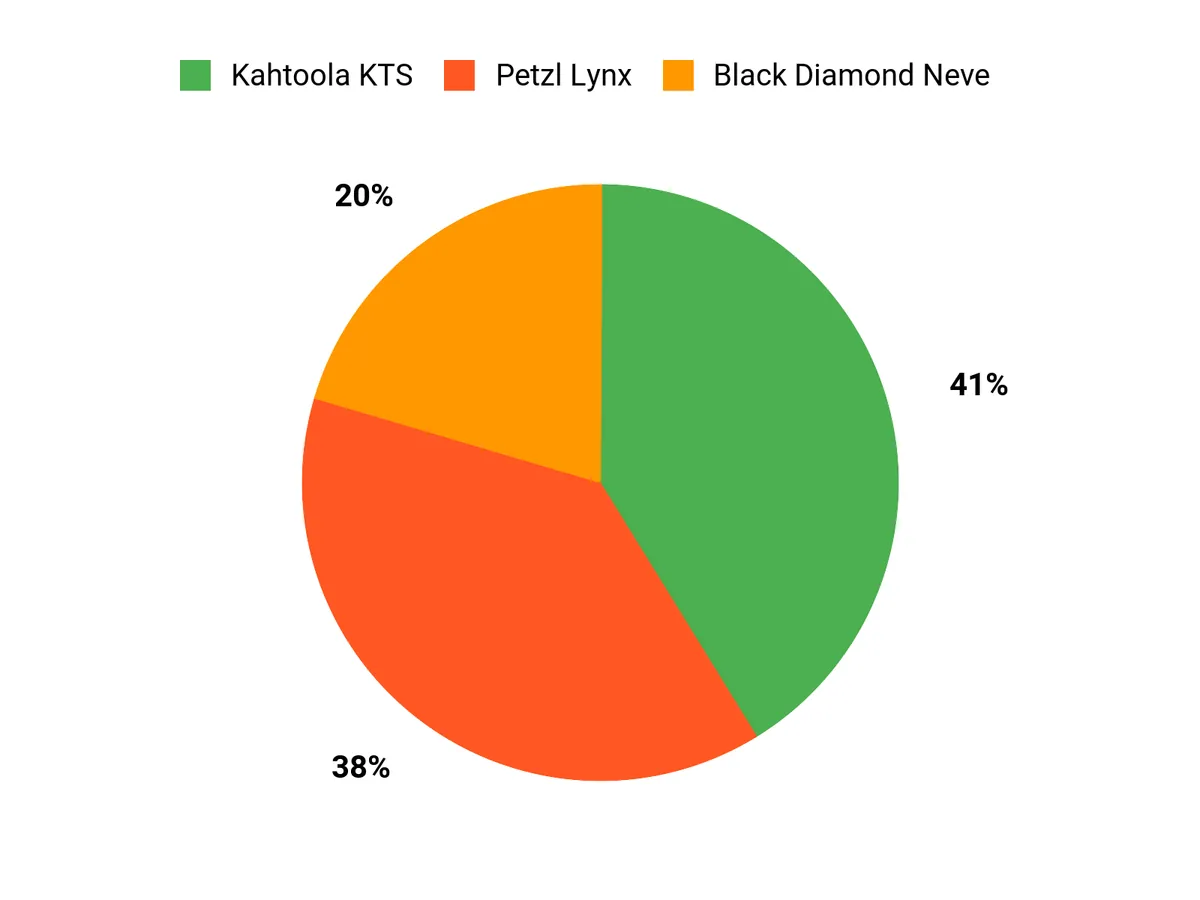
When choosing between the Neve, Lynx and KTS you typically prioritize weight versus durability and the terrain you expect to cover: you lean toward the Black Diamond Neve for light, fast ski approaches, the Petzl Lynx for versatile ice and mixed climbing, and the Kahtoola KTS when aggressive traction on winter trails is the priority. Fit and attachment compatibility are just as important because a properly matched crampon keeps you safer and more efficient, so you often accept a small weight penalty for a model that fits your boots and objectives.
Wrapping Up
Match the crampon to your objectives and footwear to get the best result. Choose the Petzl Lynx if you need a technical, versatile tool for ice and mixed routes. Pick the Black Diamond Neve when minimizing weight for approaches and ski-mountaineering is the priority.
Opt for the Kahtoola KTS if you spend most of your time on winter trails and want excellent traction at a lower price. Each option delivers distinct benefits in traction, fit and ease of use so you can select the one that keeps you confident and efficient on winter terrain.
| Black Diamond Neve Pro Crampon | Petzl Lynx Crampon | Kahtoola KTS Steel Hiking Crampons | |
|---|---|---|---|
|
|
|
|
|
| Rating | 4.3/5 (8 reviews) | 4.4/5 (25 reviews) | 4.4/5 (29 reviews) |
| Material | Aluminum | Synthetic | Alloy Steel |
| Sport Type | Mountaineering, Ice Climbing | Climbing | Mountaineering, Ice Climbing |
| Weight | 1.3 Pounds | 1.76 ounces | 1.7 Pounds |
| Included Components | Crampon | Item | KTS Crampon Traction Footwear |
| Shop Now | Shop Now | Shop Now |
This Roundup is reader-supported. When you click through links we may earn a referral commission on qualifying purchases.

