
Last Updated on July 28, 2026 by Daniel Globe
Florence cooking classes range from quick pasta workshops in the historic center to full-day farmhouse experiences with a market visit and transportation. The best option depends on what you want to cook, how much time you have, who is traveling with you, and whether you have dietary restrictions. Menus, prices, and availability change, so compare the exact class page before booking—especially if you have celiac disease or a serious food allergy.
Quick Answer
Choose a three-hour pasta, pizza, or gelato class for convenience, a seven-hour farmhouse day for scenery and transportation, or a private class for a custom menu. Before paying, confirm the minimum age, group size, allergen controls, language, cancellation policy, and whether the price includes a meal, wine, recipes, or transportation.
Key Takeaways
- Central Florence workshops commonly last about three to three and a half hours, while a market-and-farmhouse day can take seven hours.
- A class described as “hands-on” may still include demonstrations, so check what each guest will personally prepare.
- Minimum ages vary. Selected Mama Florence classes accept children aged six and older, while Walkabout’s farmhouse class starts at age eight.
- Vegetarian requests are often easier to accommodate than vegan, gluten-free, or severe-allergy requirements.
- Starting prices and sales change by date. Compare the final checkout total, inclusions, and cancellation terms before booking.
At a Glance
| Typical Duration | About 2.5–3.5 hours for many city classes; up to 7 hours for a market visit and countryside experience |
| Skill Level | Most tourist classes welcome beginners; experienced cooks should look for small-group or private technical classes |
| Usually Included | Ingredients, tools, apron use, instruction, and a meal; recipes, wine, certificates, market visits, and transportation depend on the listing |
| Typical Cost | Many group classes cost about €60–€160 per person; full-day, specialized, and private classes generally cost more |
Disclosure: As an Amazon Associate I earn from qualifying purchases. Some links on this page are affiliate links, at no extra cost to you.
Overview of Cooking Classes in Florence
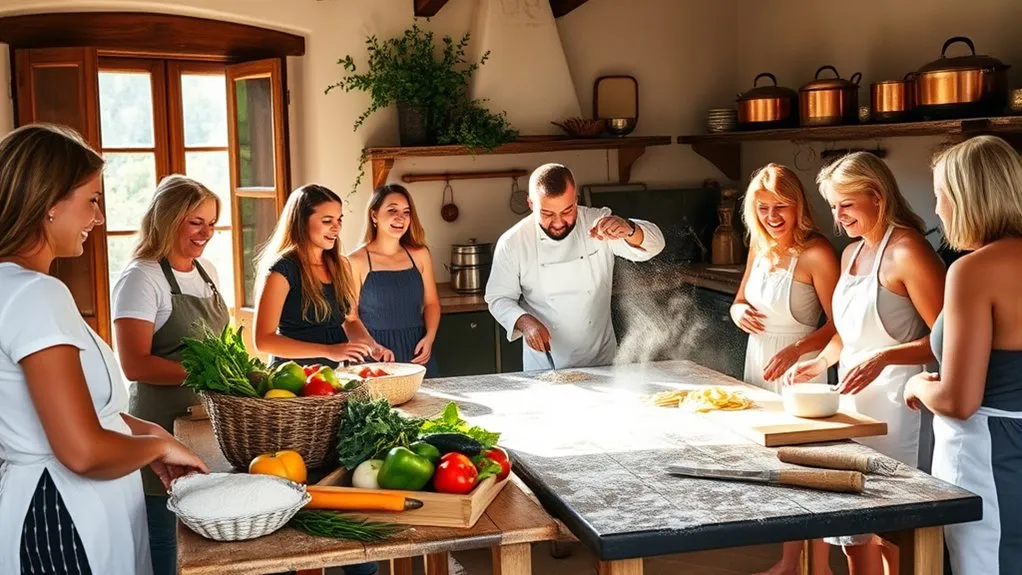
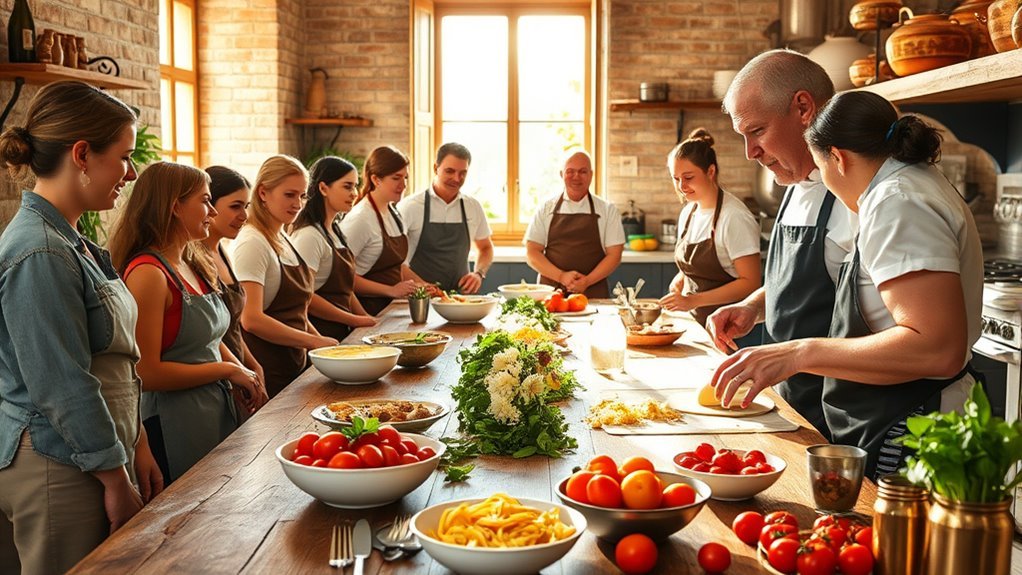
Cooking classes in Florence cover much more than fresh pasta. Depending on the experience, you may prepare pizza, gelato, tiramisù, sauces, seasonal Tuscan dishes, or a complete multi-course meal. Some classes stay in the historic center, while others combine a food-market visit with transportation to a farmhouse outside the city.
Duration and group size vary. For example, Towns of Italy’s pizza-and-gelato class lasts three hours and allows up to 20 participants. A typical Mama Florence pasta class lasts about three and a half hours, including the meal. The Walkabout market-and-farmhouse experience lasts seven hours and includes transportation.
Classes may provide aprons, utensils, ingredients, wine, soft drinks, recipes, and a certificate. These inclusions are not automatic, so read the product page rather than relying on a general description.
| Class Type | Best For | What to Confirm |
|---|---|---|
| Pasta workshop | Learning dough, rolling, shaping, and sauces | Number of pasta shapes, egg-free options, meal, and recipes |
| Pizza and gelato | Families, couples, and first-time cooks | Minimum age and whether gelato is hands-on or demonstrated |
| Market and cooking class | Understanding local ingredients and seasonal shopping | Which market, market duration, walking distance, and start time |
| Countryside farmhouse | A full-day Tuscan experience with scenery | Transportation, age limits, walking, menu, and return time |
| Private class | Custom menus, celebrations, and focused instruction | Total group price, location, substitutions, and cancellation terms |
| Dietary-specialist class | Celiac, gluten-free, vegan, or vegetarian travelers | Separate tools, surfaces, ingredients, airborne flour, and cross-contact controls |
How to Choose the Right Florence Cooking Class
Products Worth Considering

Italian City Flag design. Express your pride, roots, and love of Florence Italy.
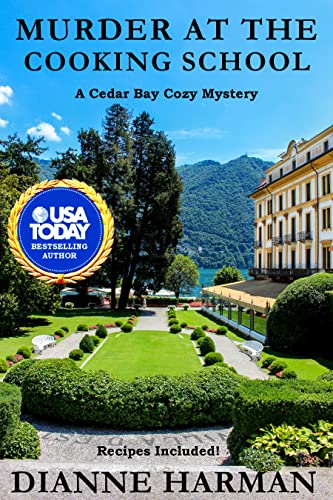

Includes Apron, Oven Mitt & Pot Holder.
Choose the Location and Duration
A central class is easier to fit around museums, churches, and walking tours. A countryside experience takes more time but may include a market visit, coach transportation, wine, and a full lunch. Check the stated finish time rather than assuming a “half-day” class will leave the afternoon free.
Check How Hands-On the Class Is
“Hands-on” can mean every participant makes a full dish, or it can mean the group shares tasks while the chef demonstrates important steps. A gelato component, for example, may be a demonstration rather than individual churning. Look for wording that explains exactly what each guest prepares.
Compare the Full Inclusions
Two classes with similar starting prices can offer very different value. Check whether the fee includes a full meal, wine, soft drinks, recipes, a certificate, a market tour, transportation, taxes, or only the lesson and tasting.
Pro Tip: Save a screenshot of the listing and inclusions when you book. Seasonal menus, meeting points, start times, and promotional prices may change before your travel date.
Discover Authentic Pasta-Making Techniques in Florence
A good pasta class teaches more than how to mix flour and eggs. You should learn how the dough should feel, when it has been kneaded enough, how long it needs to rest, and how thinly to roll it. Classes may cover long pasta such as tagliatelle, filled pasta such as ravioli, and sauces chosen for the season.
Mama Florence’s pasta-making class, for example, lists a multi-course meal, several pasta preparations, wine pairings, tools, and electronic recipes. Towns of Italy’s pasta-and-gelato class combines fresh pasta instruction with a gelato tasting.
Menus vary, and fresh Italian pasta commonly contains egg. Vegan travelers should confirm that the dough, filling, sauces, and finishing ingredients will all be free of egg, butter, cheese, and meat stock.
The most useful pasta class does not just give you a recipe—it teaches you how to judge dough texture, thickness, and moisture so you can repeat the process at home.
Experience Cooking in the Beautiful Tuscan Countryside
A countryside class is best for travelers who want the cooking lesson to feel like a full Tuscan day rather than a short city activity. These experiences may combine a market visit, coach journey, farmhouse kitchen, shared meal, and views of olive groves or rolling hills.
Authentic Farmhouse Setting
The Walkabout farmhouse cooking class is a current example. Its seven-hour itinerary starts in Florence, includes a food-market visit and transportation to the farm, and finishes with lunch, wine, recipes, and a cooking diploma.
- Meet the guide at the stated Florence meeting point.
- Visit a local food market and discuss Tuscan ingredients.
- Travel to the countryside using the included transportation.
- Prepare dishes such as bruschetta, fresh pasta, a main course, and tiramisù.
- Eat the meal before returning to Florence.
That operator currently accepts participants aged eight and older. Other farmhouse classes may have different age limits, transportation arrangements, menus, or walking requirements.
Hands-On Cooking Experience
A farmhouse setting can provide more workspace and a slower pace than a busy central workshop. However, it also commits most of the day. Check the departure point, return time, air-conditioning, terrain, and whether the activity runs in rain or extreme heat.
Menus are often seasonal. A listed roast, sauce, dessert, or vegetable may be replaced when ingredients change, so treat sample menus as examples unless the operator guarantees a fixed menu.
Family-Friendly Pizza and Gelato Classes in Florence
Pizza and gelato classes are popular with families because the tasks are easy to divide. Children can shape dough, add toppings, mix ingredients, and eat what they helped prepare. The right choice still depends on age, attention span, supervision requirements, and allergy needs.
Engaging Kids in Cooking
Towns of Italy’s three-hour pizza-and-gelato class is marketed as family-friendly. Participants learn pizza preparation, watch the gelato process, eat their creations, and receive a digital recipe booklet. Guests under 18 must attend with an adult, and soft drinks are provided for children in place of wine.
Mama Florence states that children aged six and older may join selected pasta and pizza classes with adult supervision. Do not assume the same age policy applies to every menu or operator.
Hands-On Learning Experience
Before booking, ask whether each child will have an individual workstation or share tasks with an adult. Also check whether the ovens, knives, mixers, and hot pans are used by guests or handled only by the chef.
- Choose the right length: Three hours is manageable for many school-age children, but may be too long for younger children.
- Check the start time: A late dinner class may conflict with a child’s normal schedule.
- Review the menu: Make sure the child will eat enough of the dishes to enjoy the final meal.
- Confirm drinks: Check that water and soft drinks are included when wine is served to adults.
Delicious Family Bonding Time
Cooking together gives families a shared activity rather than another sightseeing stop. Children can practice measuring, following instructions, teamwork, and safe food preparation. Parents should still remain responsible for supervision and inform the school in advance about allergies or additional support needs.
Gluten-Free Cooking Classes for Italian Dishes
“Gluten-free option available” does not necessarily mean that a class is suitable for someone with celiac disease. A regular pasta kitchen may contain airborne wheat flour, shared rolling machines, wooden boards, utensils, and cooking water.
Warning: Anyone with celiac disease, wheat allergy, or a severe food allergy should obtain written confirmation about ingredients, airborne flour, work surfaces, utensils, pasta machines, cooking water, and cross-contact procedures. A dietary preference and a medically required restriction are not the same.
Mama Florence offers a specific gluten-free cooking class and states that its other pasta classes are not suitable for people with celiac disease. Its general class pages also warn that shared kitchens and tools can create cross-contamination and may be unsuitable for severe or life-threatening allergies.
Chef Vary’s gluten-free class page states that the experience is held in a certified kitchen used exclusively for gluten-free cooking. Because that is a provider claim, contact the school directly if you need details about its certification or operating procedures.
| Need | Question to Ask | Why It Matters |
|---|---|---|
| Celiac disease | Is the entire class gluten-free, and are the room, tools, and machinery reserved for gluten-free use? | Small amounts of accidental gluten contamination can be a concern. |
| Wheat allergy | Can the kitchen prevent contact with wheat flour and wheat-containing ingredients? | A gluten-free substitution alone may not address every allergy risk. |
| Gluten-free preference | Can the menu be adapted with a suitable flour and sauce? | More group classes may be workable when cross-contact is not a medical concern. |
The Italian Celiac Association’s English-language guidance explains why accidental contamination must be considered when preparing food and eating outside the home.
Take a Private Cooking Class for a Custom Experience
A private cooking class costs more than a shared group class, but it can be worthwhile for a celebration, multigenerational family, experienced cook, or traveler who needs a carefully planned menu. Private does not automatically mean allergen-safe, so the same kitchen questions still apply.
Products Worth Considering

Tailored Menu Options
A private class may let you request particular pasta shapes, traditional Tuscan dishes, desserts, wine pairings, or vegetarian and vegan alternatives. Chef Vary’s customizable private class, for example, advertises a choice of three or four dishes and optional market-tour elements.
- Traditional menu: Pasta, sauces, seasonal appetizers, a main dish, and dessert.
- Vegetarian or vegan menu: Confirm every course, including pasta dough, stock, cheese, butter, and dessert.
- Market-focused menu: Select ingredients with the chef before cooking.
- Wine-pairing menu: Ask whether wine is included or charged separately.
Personalized Instruction Experience
A private format gives the chef more time to correct technique and answer questions. It is useful when you want to practice knife skills, pasta thickness, filled-pasta sealing, sauce consistency, or adapting recipes to equipment you have at home.
Ask whether the quoted amount is per person or for the whole group. Also confirm the maximum group size, venue address, number of dishes, meal service, taxes, and any travel charge for a chef visiting a villa.
Flexible Scheduling Availability
Private classes may offer more choice of start time, but availability is never guaranteed. Popular evenings and weekends can fill early. Some schools also require a minimum payment or apply stricter cancellation terms to custom menus.
Note: Send dietary requests before paying and ask the school to include any agreed menu or safety arrangement in the written booking confirmation.
Learn Vegan and Vegetarian Cooking in Florence
Vegetarian classes are relatively common because many Italian dishes can be built around pasta, vegetables, legumes, cheese, and seasonal sauces. Vegan classes require more planning because traditional pasta, filled pasta, pesto, risotto, desserts, and gelato may contain egg, butter, milk, cheese, or meat stock.
Mama Florence’s vegetarian class states that it is not suitable for a vegan diet and that other participants may prepare meat. By contrast, selected Chef Vary classes advertise vegetarian and vegan options.
Before booking a vegan class, confirm all of the following:
- The pasta dough contains no egg.
- Sauces and fillings contain no cheese, butter, cream, meat stock, or anchovy.
- The gelato or dessert is dairy-free and egg-free.
- Wine or other drinks meet any personal vegan-production requirements.
- The full group menu can be adapted without limiting your participation to only one dish.
Go on a Market Tour Before Cooking Your Meal
A market tour adds useful context to a cooking class. You can learn how a chef chooses tomatoes, herbs, cheese, meat, fish, or seasonal vegetables before using those ingredients in the kitchen. However, not every market-and-cooking package allows guests to purchase every ingredient for the class; some tours are educational walks followed by a preplanned menu.
Mercato Centrale has two distinct areas. According to Florence’s official tourism portal, the historic ground-floor market currently opens Monday through Friday from 9:00 a.m. to 3:00 p.m. and Saturday from 9:00 a.m. to 5:00 p.m.; it is closed Sundays and holidays. The first-floor food hall has longer daily hours. Check the current schedule on the FeelFlorence Mercato Centrale page before planning an independent visit.
When comparing market tours, ask:
- Which market will the group visit?
- How much walking is involved?
- Does the tour begin before the market’s food stalls close?
- Are tastings included?
- Will you buy ingredients or only discuss them?
- Is the cooking kitchen within walking distance?
Make Delicious Gelato Yourself
A gelato class can cover ingredient balance, flavoring, freezing, texture, sorbet, and the difference between gelato and standard ice cream. The amount of hands-on work varies. In some combined pizza-and-gelato classes, guests make pizza while the chef demonstrates the gelato process. Other specialist classes give participants a larger role in mixing and flavor development.
Mama Florence’s gelato-and-biscuit class is one current specialist option. Towns of Italy combines a gelato demonstration with its pizza class and includes a digital recipe booklet.
For dairy-free or vegan needs, ask whether the class will prepare fruit sorbet or a plant-based gelato and whether the base, chocolate, biscuits, cones, and toppings are suitable. Gluten-free guests should also check biscuits, cones, shared scoops, and work surfaces.
Find Budget-Friendly Cooking Class Options in Florence
Florence cooking-class prices change with season, demand, group size, sales, and currency settings. The examples below were checked on July 28, 2026 and should be treated as starting-price references rather than guaranteed rates.
| Example | Duration | Published Starting Price | Main Inclusions |
|---|---|---|---|
| Towns of Italy pasta and gelato | 3 hours | Approximately €63.75 sale price; €75 regular listing when checked | Pasta instruction, meal, drinks, gelato element, and recipes |
| Towns of Italy pizza and gelato | 3 hours | From approximately €69 | Pizza lesson, gelato demonstration, meal, adult wine or children’s soft drinks, and recipes |
| Walkabout market and farmhouse class | 7 hours | From approximately €120 | Market visit, round-trip transportation, cooking, lunch, wine, recipes, and diploma |
| Selected Chef Vary specialist classes | Varies by class | Selected listings around €140 | Specialized menus, smaller-format instruction, or dietary options depending on the product |
Pastamania and other marketplace-listed classes may appear at lower promotional prices on certain dates. The displayed amount can change by currency, party size, platform fees, and cancellation option, so compare the final checkout price rather than an undated figure from a review article.
Pro Tip: Do not choose by price alone. A €70 class without transportation or a full meal may offer less total value than a €120 experience that includes a market tour, coach transfer, lunch, wine, recipes, and most of the day’s entertainment.
What to Confirm Before Booking
- Exact menu: Sample dishes may change with the season.
- Hands-on participation: Ask which items you will personally make.
- Group size: “Small group” can still mean as many as 20 participants.
- Language: Verify that the class is taught in a language you understand.
- Minimum age: Check both the age limit and adult-supervision rule.
- Dietary safety: Obtain written confirmation for celiac disease, wheat allergy, or severe allergies.
- Mobility: Ask about stairs, standing time, seating, restrooms, walking, and accessible transportation.
- Meeting point: Confirm whether the class starts at the kitchen, a train station, or a market.
- Transportation: Never assume a countryside venue includes pickup or return travel.
- Inclusions: Check for taxes, tools, meal, wine, soft drinks, recipes, and certificates.
- Cancellation: Read the deadline, weather policy, minimum-enrollment rule, and refund terms.
Products Worth Considering

Express your pride, roots and love for Florence Italy.
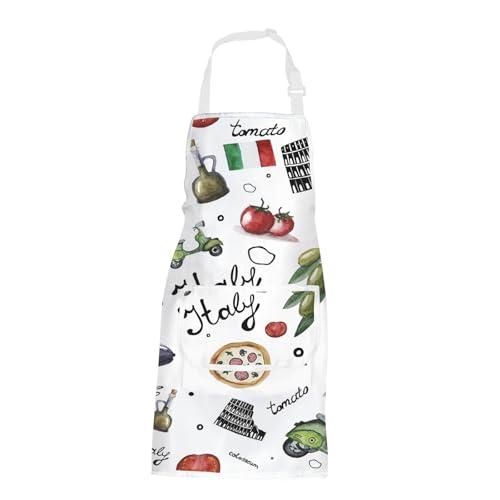
[HIGH QUALITY]- The apron is made of Composite material, waterproof, Oil proof,comfortable, anti-wrinkle, durable, non-fading, not easy to age. We got you covered from splatters and stains when cooking.

Florence Italy Tshirt. Retro, vintage bold curved text design in the colors of white and red with city flag shield
Frequently Asked Questions
What should I wear to a cooking class in Florence?
Wear comfortable clothes and closed-toe, nonslip shoes because you may stand for several hours. Tie back long hair and avoid loose sleeves or valuable clothing that could be stained. Most schools provide apron use, but confirm this in the listing.
Are classes suitable for beginners with no cooking experience?
Yes. Most visitor-focused classes are designed for beginners and provide ingredients, tools, demonstrations, and step-by-step instruction. Experienced cooks may prefer a private class, specialist workshop, or smaller technical group.
Can I take recipes home after the class?
Many schools provide printed or digital recipes, but not every class does. Towns of Italy, Mama Florence, and Walkabout list recipes among the inclusions for selected experiences. Check the exact product page before booking.
Is transportation provided to countryside cooking classes?
Transportation is included with some organized day trips, including Walkabout’s market-and-farmhouse class. Other farmhouse or villa classes require you to arrange a car, taxi, or private driver. Verify both the outward journey and return transportation.
Are dietary restrictions accommodated in Florence cooking classes?
Sometimes, but accommodation depends on the class and kitchen. Vegetarian requests are often easier than vegan or gluten-free requests. People with celiac disease, wheat allergy, or severe allergies should choose an appropriate specialist class and obtain written confirmation about cross-contact controls.
How far in advance should I book?
Book as soon as your Florence dates are fixed, especially for weekends, school holidays, private classes, and small dietary-specialist sessions. Flexible travelers may find last-minute space, but the preferred time or menu may be unavailable.
Are cooking classes in Florence taught in English?
Many visitor-focused classes are taught in English, but language schedules vary. Check the selected date rather than assuming every session is multilingual, particularly for private or locally marketed classes.
Do Florence cooking classes include wine?
Many adult classes include wine with the meal, while others charge separately. Family classes may provide soft drinks for children. Check the number of drinks, whether water is included, and whether alcohol-free alternatives are available.
Are cooking classes accessible to travelers with limited mobility?
Accessibility differs by venue. Historic buildings and farmhouses may have stairs, uneven paths, or limited seating. Contact the operator before booking to ask about step-free access, accessible restrooms, standing time, seating, and transportation.
Conclusion
The best Florence cooking class is not simply the one with the lowest price or longest menu. Choose a class that fits your available time, preferred dishes, group, skill level, and dietary needs. A central pasta or pizza workshop is convenient, a market-and-farmhouse tour provides a fuller Tuscan day, and a private class offers the most control. Confirm the details directly with the operator, then arrive ready to cook, eat, and take useful techniques home.
Sources
- FeelFlorence: San Lorenzo Market and Mercato Centrale — official location and opening-hour information.
- Towns of Italy: Pizza and Gelato Class — duration, group size, inclusions, age supervision, and celiac restriction.
- Walkabout: Florence Market and Farmhouse Cooking Class — transportation, duration, age, menu, price, recipes, and diploma.
- Mama Florence: Pasta-Making Class — duration, child age guidance, meal, recipes, dietary requests, and shared-kitchen warning.
- Chef Vary: Gluten-Free Italian Cooking Class — provider’s gluten-free kitchen and dietary-option information.
- Italian Celiac Association: Celiac Disease in Children and Adults — accidental gluten-contamination precautions.
