
Last Updated on July 28, 2026 by Daniel Globe
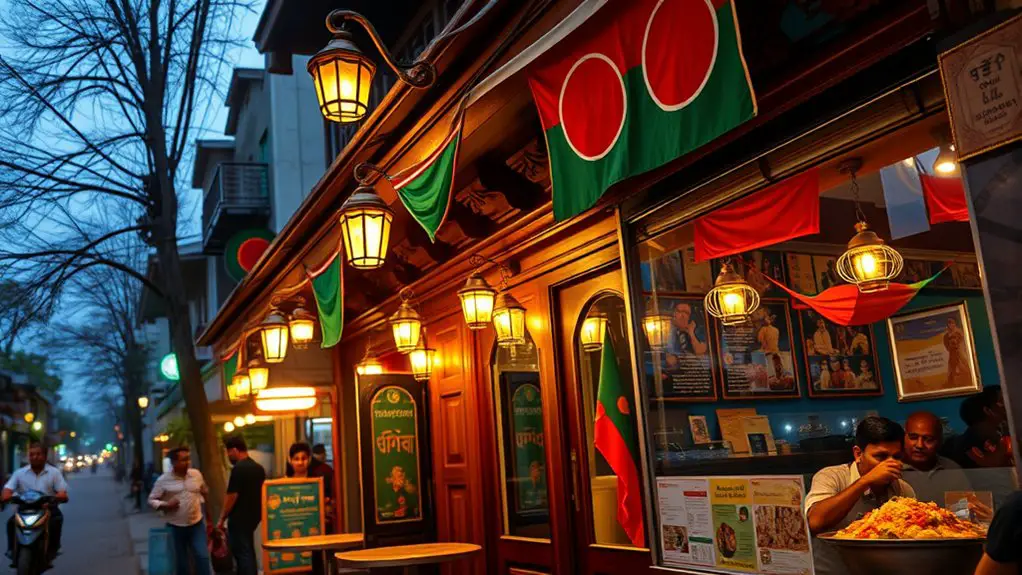
London’s Bangladeshi food scene is rooted in the East End, but it is broader than the tourist-facing curry houses most visitors associate with Brick Lane. The best way to find distinctly Bangladeshi cooking is to look for regional dishes, fish specialities, bhortas, and menus shaped by Sylheti and other Bangladeshi traditions—not just familiar British curry-house staples.
Quick Answer
Start in Brick Lane’s Banglatown and nearby Whitechapel, where several restaurants still serve distinctly Bangladeshi dishes. Look for bhorta, kala bhuna, shorshe ilish, shutki, shatkora curry, and named river fish. Check the restaurant’s own menu, current Food Standards Agency record, opening hours, and booking policy before travelling.
Key Takeaways
- Brick Lane remains London’s best-known Bangladeshi food district, but Whitechapel and other East London neighbourhoods also deserve attention.
- A regional menu may list bhorta, hilsa or ilish, shutki, shatkora, kala bhuna, and specific fish such as rui, boal, mola, or keski.
- Graam Bangla, Amar Gaon, and Kolapata are useful starting points, not a fixed ranking; menus and ownership can change.
- Food hygiene ratings measure hygiene standards, not flavour or service quality, so use them alongside recent dish-specific reviews.
- Do not assume every dish is halal, vegetarian, vegan, nut-free, or dairy-free. Ask about ingredients and cross-contact before ordering.
Disclosure: As an Amazon Associate I earn from qualifying purchases. Some links on this page are affiliate links, at no extra cost to you.
Where to Find Bangladeshi Restaurants in London
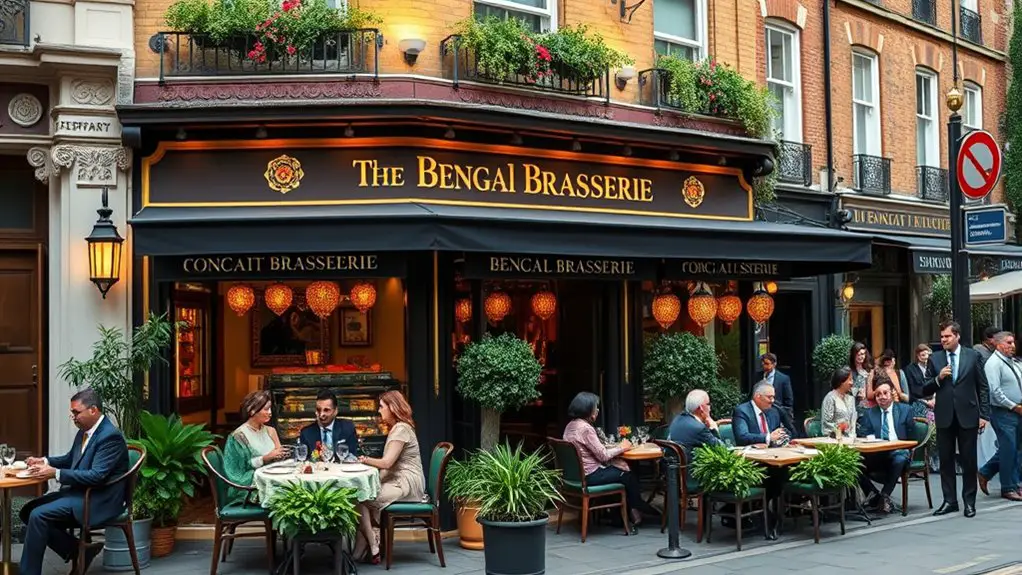
Banglatown is the southern stretch of Brick Lane and nearby Osborn Street in Tower Hamlets. Migration from Bengal to London has a long history, while the largest post-war arrivals came in the late 1950s and early 1960s. As the local community grew, Bangladeshi-owned cafés and curry houses became a major part of Brick Lane’s identity.
In 1997, Tower Hamlets officially promoted this part of Brick Lane as Banglatown, with gateways, painted street furniture, business improvements, and cultural events. The restaurant cluster later peaked at about 60 Bangladeshi- or Pakistani-owned curry restaurants and cafés in the mid-2000s. A 2020 research count found 23 on Brick Lane and Osborn Street, a 62% decline. That figure is a dated benchmark, not a current restaurant total.
Brick Lane is now a mixed destination of curry houses, cafés, bakeries, street art, vintage shops, and nightlife. Bangladeshi food remains part of the area’s identity: Tower Hamlets revived the Brick Lane Curry Festival in September 2025 after it had last been held in 2016.
Note: The 2020 count of 23 curry outlets should not be presented as today’s number. Independent restaurants can close, reopen, move, or change menus quickly, so verify the venue on its official site and the Food Standards Agency database before making a special trip.
Current Restaurants to Check
The following venues were checked against active official websites or recent Food Standards Agency records in July 2026. They are starting points for further research rather than a claim that one restaurant is objectively “best.”
| Restaurant | Location | What to Look For | Verify |
|---|---|---|---|
| Graam Bangla | 68 Brick Lane | Village-style cooking, bhortas, kala bhuna, hilsa, rui, and mustard-based fish dishes. | Official site · FSA record |
| Amar Gaon | 50 Brick Lane | Sylheti and wider Bangladeshi dishes, including chingri bhuna, mola fish, boal fish, and loti shutki. | Official site · FSA record |
| Kolapata | 222 Whitechapel Road | A broad Bangladeshi menu with fish, biryani, curries, grills, and house specialities outside the main Brick Lane strip. | Official site · FSA record |
Menus, prices, hours, and booking systems can change without notice. Check the restaurant’s own page on the day you visit and call if you are travelling for a particular fish or regional dish.
What Bangladeshi Cuisine Looks Like on the Plate
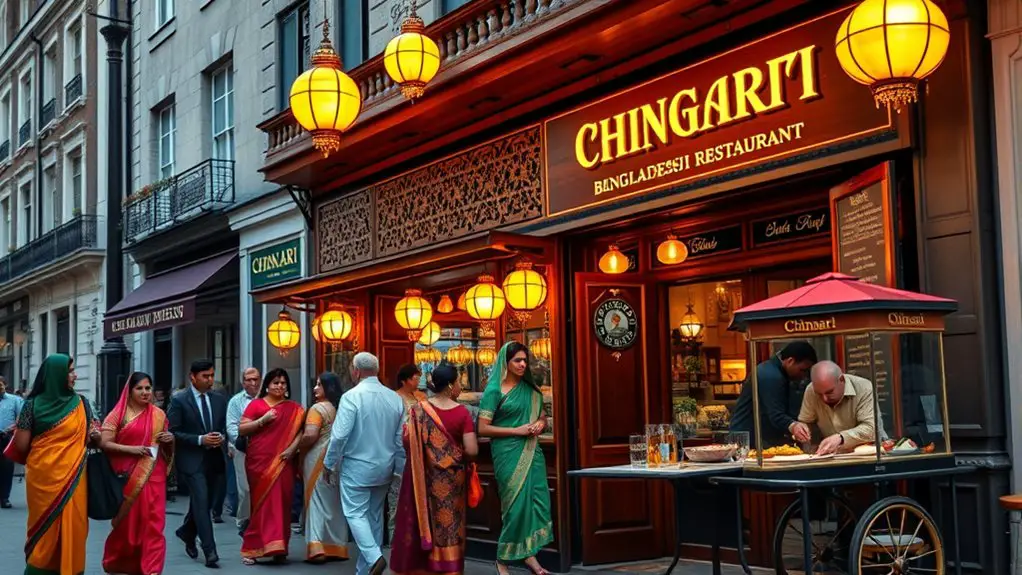
Specialist Bangladeshi restaurants may also serve familiar British curry-house dishes, but their regional side of the menu is usually more specific. Many London Bangladeshis have family roots in Sylhet, so fish, citrusy shatkora, dried fish, rice, lentils, and strongly seasoned vegetable dishes often feature. Spellings vary between menus: you may see bhorta or bharta, ilish or elish, and shorshe or shorsha.
- Bhorta or bharta: Mashed vegetables, fish, lentils, or dried fish mixed with ingredients such as mustard oil, onion, chilli, and herbs.
- Shorshe ilish: Hilsa cooked with mustard. Hilsa is prized for its rich flavour but contains many fine bones.
- Kala bhuna: A dark, slow-cooked meat dish built from deeply reduced onions and spices.
- Shutki and loti shutki: Dried or fermented fish preparations with a powerful aroma and savoury flavour; loti refers to taro stems.
- Shatkora curry: A Sylheti-style curry flavoured with the peel of a fragrant, bitter citrus fruit, often paired with beef or lamb.
- Khichuri: Rice and lentils cooked together, sometimes served with fried fish, egg, meat, pickles, or vegetable sides.
- Biryani: Seasoned rice layered or cooked with meat, poultry, fish, egg, or vegetables. Style and heat level vary by restaurant.
- Pitha and mishti: Rice cakes and sweets that may appear seasonally, at specialist sweet shops, or during community celebrations rather than on every dinner menu.
The clearest sign of a distinctly Bangladeshi menu is specificity: named fish, regional dishes, bhortas, shutki, shatkora, and preparations that go beyond the standard British curry-house list.
How to Order a Balanced First Meal
For two people, a useful starting order is plain rice or pulao, one fish or meat dish, one dal or vegetable curry, and one or two bhortas to share. Ask which dishes are cooked that day and which are most typical of the owner’s home region. A staff recommendation is often more useful than ordering only the most familiar curry name.
Pro Tip: Ask, “Which dishes are Bangladeshi or Sylheti specials today?” That question is more precise than asking for the “most authentic” dish and can reveal off-menu fish, bhorta, or seasonal preparations.
Warning: Hilsa and several small river fish can contain many fine bones. Eat slowly, supervise children closely, and ask the restaurant which fish is easiest to handle if you are unfamiliar with whole-fish dishes.
How to Choose a Good Bangladeshi Restaurant
“Authentic” is not a formal standard, and Bangladeshi cooking varies by region, family, religion, season, and migration history. Instead of judging a restaurant by décor or marketing language, use practical signals that show what the kitchen actually cooks.
- Read the regional part of the menu: Look for named preparations and fish species rather than only generic labels such as “fish curry.”
- Check daily or handwritten specials: Small restaurants may rotate fish, bhortas, and vegetable dishes according to supply.
- Read recent, detailed reviews: Give more weight to reviews that name dishes, describe service, and were posted recently.
- Confirm the business is current: Compare the official website or social page with its Food Standards Agency entry.
- Check the full bill: Confirm whether rice, bread, water, and service charge are included before comparing value.
Check Hygiene, Not Just Review Stars
The Food Standards Agency’s hygiene rating search records inspections for restaurants, cafés, and takeaways. Ratings run from 0 to 5, with 5 meaning “very good” hygiene standards. The score covers food handling, the condition of the premises, and food-safety management; it is not a review of taste, value, atmosphere, or hospitality.
Ask About Halal, Vegetarian, Vegan, and Allergen Needs
Many Bangladeshi restaurants serve halal meat, but certification, suppliers, alcohol policies, and kitchen practices vary. Ask the restaurant directly rather than assuming. Vegetarian dishes may contain ghee, and apparently plant-based sides can include fish, dried fish, shrimp paste, or shared cooking equipment.
UK restaurants must provide accurate information about the 14 regulated allergens used in their food. If you have an allergy or coeliac disease, call ahead, explain the exact ingredient you must avoid, and ask about cross-contact as well as the recipe. Mustard, milk, wheat, crustaceans, fish, and nuts may appear across a Bangladeshi menu.
Warning: A “vegetarian,” “vegan,” or “halal” label does not answer an allergy question. Tell staff about the allergy before ordering and ask whether ingredients, oils, utensils, grills, and fryers are shared.
Reservations and Value for Money
Some casual venues accept walk-ins, while smaller dining rooms can fill at weekend dinner times. Book ahead when a restaurant offers reservations, especially for a group or a special trip. For value, compare the complete meal rather than one curry price: check portion size, whether rice is separate, service charges, set menus, and whether dishes are designed for sharing.
Planning a Bangladeshi Food Trip in East London
Brick Lane and Osborn Street
This is the easiest area for a first visit because several restaurants sit within a short walk. It also has the most tourist traffic and the widest mix of general curry houses and specialist Bangladeshi venues. Read menus before entering instead of choosing solely from street-side offers.
Whitechapel Road and the Wider East End
Whitechapel has a large Bangladeshi community and a more everyday mix of restaurants, cafés, groceries, sweet shops, and market businesses. It is a useful second stop when you want to look beyond Brick Lane’s concentrated visitor district.
Check Events Separately
Food festivals and cultural performances are occasional, not a standard feature of most restaurants. The Brick Lane Curry Festival returned in September 2025, but future dates should be confirmed through Tower Hamlets event listings or the venue’s official channels.
Note: Before leaving, verify opening hours, last orders, payment methods, step-free access, toilets, alcohol policy, and whether the dish you want is available. These practical details are more likely to change than the restaurant’s main cuisine.
Frequently Asked Questions
Where is the best place to find Bangladeshi restaurants in London?
Start with Brick Lane’s Banglatown and nearby Whitechapel in Tower Hamlets. Brick Lane offers the best-known cluster, while Whitechapel has restaurants and food businesses serving the local Bangladeshi community. The strongest choice depends on the dish you want, so compare current menus rather than treating one street as a complete guide.
Which London restaurants serve distinctly Bangladeshi dishes?
Graam Bangla and Amar Gaon on Brick Lane, plus Kolapata on Whitechapel Road, are useful places to check. Look at their current menus for bhorta, fish specialities, shutki, shatkora, kala bhuna, and other regional dishes. Verify status and opening hours before visiting.
Do Bangladeshi restaurants cater to vegetarian and vegan diets?
Many offer dal, vegetable curries, rice dishes, and bhortas, but recipes vary. Ask whether a dish contains ghee, dairy, egg, fish, dried fish, shrimp paste, or meat stock, and whether shared fryers or cooking surfaces are used.
Are Bangladeshi restaurants in London halal?
Many are, but halal status is venue-specific. Ask about meat suppliers, certification if that matters to you, alcohol service, and shared kitchen practices. Do not rely only on cuisine type, neighbourhood, or an old review.
Should I book ahead at popular venues?
Book when the restaurant accepts reservations, especially for weekend dinner, a group, or a trip built around one venue. Casual cafés may operate mainly as walk-in businesses, so check the current booking policy rather than assuming.
How can I find good value for money?
Compare the total cost of a full meal, including rice, bread, drinks, and service charge. Shared fish, meat, dal, vegetable, and bhorta dishes can offer better variety than separate mains. Use recent reviews to check portion sizes, but avoid assuming that older or family-run venues are automatically cheaper.
Are there Bangladeshi restaurants with live music or cultural events?
Occasional festivals and cultural programmes take place around Brick Lane, but live entertainment is not a reliable nightly restaurant feature. Check Tower Hamlets event listings and each venue’s current social channels for confirmed dates.
What should a first-time diner order?
Try rice or pulao with one regional fish or meat dish, a dal or vegetable curry, and one or two bhortas. Ask for the day’s Bangladeshi or Sylheti specials and tell staff your preferred spice level and any dietary restrictions.
Conclusion
London’s Bangladeshi food story is centred on Brick Lane but is not confined to it. Begin in Banglatown, continue into Whitechapel, and choose restaurants by their current regional menu rather than by street reputation alone. Named fish, bhortas, shutki, shatkora, and daily specials are useful clues. Before visiting, confirm the hours, menu, hygiene record, dietary details, and booking policy.
Sources
- Beyond Banglatown: Independence, partition and post-1947 migrations — Bengali and Sylheti migration history in the East End.
- Beyond Banglatown: The rise of Banglatown — the 1997 branding, regeneration programme, and growth of Brick Lane’s restaurant district.
- King’s College London / Runnymede Trust: Beyond Banglatown — the 60-to-23 restaurant decline recorded between the mid-2000s and early 2020.
- Tower Hamlets Council: Brick Lane Curry Festival 2025 — current cultural context and the festival’s return after 2016.
- Food Standards Agency: Food Hygiene Rating Scheme — what hygiene ratings measure and how the 0-to-5 scale works.
- GOV.UK / Food Standards Agency: Eating out with a food allergy — restaurant allergen-information duties and advice on cross-contact questions.
