

Last Updated on November 4, 2026 by Mason Reed
If you’re looking for the best 4-person backpacking tents, start with a shelter that balances trail weight, weather protection, and usable sleeping space. The Kelty Late Start 4P is a strong all-around choice, while the Kelty Grand Mesa 4P offers a practical mix of weight and durability. The Clostnature Polaris 4P adds dual-door convenience, and the BISINNA 4P offers an accessible setup for group trips. Below, you’ll find six backpacking-friendly options, their main advantages, honest limitations, and the key details to check before buying.
Disclosure: As an Amazon Associate I earn from qualifying purchases. Some links on this page are affiliate links, at no extra cost to you.
Quick Answer: The Kelty Late Start 4P is our best overall pick for backpackers who want a manageable carrying weight, straightforward setup, and a full-coverage rainfly. Choose the Kelty Grand Mesa 4P for another practical three-season option, or the Clostnature Polaris 4P if two doors and extra gear access matter more to your group.
Important: A four-person capacity rating describes the intended sleeping capacity, not guaranteed comfort for four adults with full backpacks. Compare actual floor measurements and sleeping pad sizes before ordering.
Key Takeaways
- Best overall: Kelty Late Start 4P for balanced trail weight and simple setup.
- Best practical value: Kelty Grand Mesa 4P for dependable three-season features.
- Best dual-door option: Clostnature Polaris 4P for easier entry and gear access.
- Best compact group option: Clostnature Crux 4P for a relatively manageable carrying weight.
- Best straightforward setup: BISINNA 4P for groups that value dual doors and a familiar freestanding design.
- Best for shorter hikes: Forceatt 4P when extra interior space matters more than minimizing weight.
Before You Buy: Check that the Amazon listing has the 4-person size selected. Several tent families also come in one-person, two-person, or three-person versions. Their dimensions and weights are not interchangeable. Prices, included accessories, and availability may also change.
Our Top 4 Person Tent Picks
| Kelty Late Start 4P Lightweight Backpacking Tent | 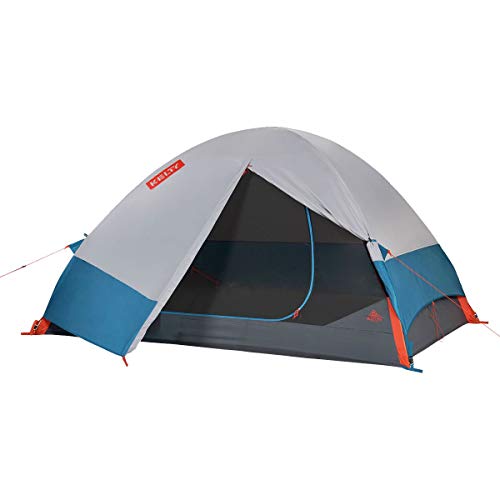 |
Best Overall | Capacity: 4 persons | Packaged Weight: 6 lb 15 oz | Key Feature: Quick Corners setup | Check Price on Amazon | Read Our Analysis |
| Kelty Grand Mesa 2P/4P Backpacking Tent (2024 Model) | 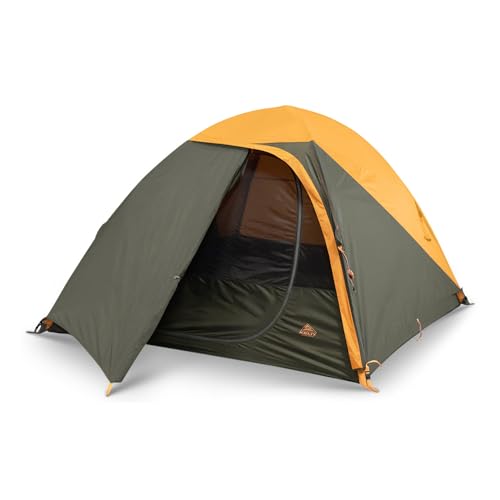 |
Best Practical Value | Capacity: 4 persons | Packaged Weight: 7 lb 7 oz | Key Feature: Aluminum poles and EZ-Zip vestibule | Check Price on Amazon | Read Our Analysis |
| Clostnature Lightweight Waterproof Camping Tent |  |
Best Dual-Door Design | Capacity: 4 persons | Listed Total Weight: About 7.38 lb | Key Feature: Two doors and vestibules | Check Price on Amazon | Read Our Analysis |
| Clostnature Ultralight Backpacking Tent for 1-4 Persons |  |
Best Compact Group Option | Capacity: 4 persons in 4P version | Listed Weight: About 7.2 lb | Key Feature: Freestanding construction | Check Price on Amazon | Read Our Analysis |
| BISINNA Lightweight Waterproof Camping Tent for 2/4 Persons |  |
Best Straightforward Setup | Capacity: 4 persons in 4P version | Weight: Verify selected variant | Key Feature: Two D-shaped doors | Check Price on Amazon | Read Our Analysis |
| Forceatt Waterproof Lightweight Camping Tent for 2-4 People |  |
Best for Shorter Hikes | Capacity: 4 persons in 4P version | Listed Weight: About 9.7 lb | Key Feature: Dual doors and vestibules | Check Price on Amazon | Read Our Analysis |
Comparison note: Weights are from available manufacturer or product information and may represent different measurement methods. Check the exact 4P listing for packaged weight, included stakes, footprint, and accessories before buying. These are recommendations based on stated features and specifications, not claims of hands-on field testing.
More Details on Our Top Picks
-
Kelty Late Start 4P Lightweight Backpacking Tent
The Kelty Late Start 4P is a strong starting point if you want a four-person backpacking shelter without an overly complicated setup. Its Quick Corners system helps hold the aluminum poles in place while you assemble the tent.
Kelty lists a minimum weight of 6 lb 7 oz and a packaged weight of 6 lb 15 oz. The 55 sq. ft. floor provides space for a group sleeping arrangement, while the 56-inch peak height gives seated campers useful headroom.
The full-coverage rainfly, mesh wall sections, and rainfly vent provide a practical combination of weather protection and airflow. Its pre-bent aluminum poles also help create usable interior space.
Why You’ll Like It: A manageable group-carrying weight, simple setup system, and compact packed dimensions make this tent appealing for weekend backpacking trips.
Who Should Buy This: Small groups that want a three-season backpacking shelter with a familiar design and relatively easy pitching.
Who Should Avoid This: Campers who strongly prefer separate entrances. The Late Start 4P has one door and one vestibule, so people may need to move around one another when entering or exiting.
Important Limitation: A single vestibule offers less separate gear access than a dual-door design. Plan your sleeping arrangement before heading out with four adults.
Manufacturer Reference: Kelty Late Start 4P specifications.
- Capacity: 4 persons
- Minimum Weight: 6 lb 7 oz
- Packaged Weight: 6 lb 15 oz
- Floor Area: 55 sq. ft.
- Peak Height: 56 inches
- Waterproofing: 1200mm-rated polyester fly and floor
- Setup Design: Quick Corners with aluminum poles
- Ventilation: Mesh walls and rainfly vent
- Additional Feature: Full-coverage rainfly
- Additional Feature: One door and one vestibule
- Additional Feature: Shark Mouth carry bag
-
Kelty Grand Mesa 2P/4P Backpacking Tent (2024 Model)
If you want a practical backpacking shelter that combines usable interior space with a straightforward design, the Kelty Grand Mesa 4P deserves consideration.
Its four-person configuration has approximately 54.5 sq. ft. of floor space, with floor dimensions of 98 by 80 inches. The 56-inch peak height provides reasonable seated headroom for campers who want to change clothes or organize gear inside.
Kelty specifies a 6 lb 13 oz minimum weight and a 7 lb 7 oz packaged weight. Two aluminum poles, Quick Corners, and color-coded attachments help simplify setup. The EZ-Zip vestibule provides storage outside the main sleeping area.
Why You’ll Like It: The Grand Mesa focuses on useful backpacking features without requiring a complicated pole system. Its freestanding layout also helps when adjusting the tent’s position before staking.
Who Should Buy This: Backpackers who want a practical three-season shelter and can share its carrying weight between several hikers.
Who Should Avoid This: Groups that need two separate entrances or the lowest possible total tent weight.
Important Limitation: The tent uses one entrance and one vestibule. Also, the minimum and packaged weights differ, so use the packaged figure when estimating the full load.
Manufacturer Reference: Kelty Grand Mesa 4 specifications.
- Capacity: 4 persons
- Minimum Weight: 6 lb 13 oz
- Packaged Weight: 7 lb 7 oz
- Floor Area: 54.5 sq. ft.
- Peak Height: 56 inches
- Waterproofing: Manufacturer-listed 1200mm polyester fly and floor
- Setup Design: Freestanding with Quick Corners
- Pole Material: Aluminum
- Additional Feature: EZ-Zip vestibule
- Additional Feature: Color-coded attachments
- Additional Feature: Shark Mouth carry bag
-
Clostnature Lightweight Waterproof Camping Tent
The Clostnature Polaris 4P is an appealing choice when you want easier access to your gear and sleeping area. Unlike several single-door backpacking tents, its four-person configuration provides two D-shaped doors and vestibule space on both sides.
The listed floor measures approximately 86.6 by 92.5 inches, with a peak height around 55 inches. Its freestanding aluminum-pole design makes pitching and repositioning the tent relatively straightforward.
The four-person product information lists approximately 7.38 lb total weight and 6.54 lb minimum trail weight. These figures are more appropriate for this configuration than the lighter numbers sometimes shown for smaller versions.
The polyester fly and floor are advertised with PU 5000mm waterproof coating, while factory-sealed seams and a bathtub-style floor help resist water entry when the tent is properly pitched.
Why You’ll Like It: Two entrances can reduce the need to climb over other campers at night. Separate vestibule access also helps keep shoes and other gear outside the sleeping area.
Who Should Buy This: Groups that value independent entrances, cross-ventilation, and convenient equipment storage.
Who Should Avoid This: Backpackers who prioritize the absolute lightest shelter over internal space and additional access points.
Important Limitation: The Clostnature product family includes multiple capacities. Confirm that the selected size is 4 Person and verify the stated total weight before purchasing.
- Capacity: 4 persons
- Listed Total Weight: Approximately 7.38 lb
- Minimum Trail Weight: Approximately 6.54 lb
- Floor Dimensions: About 86.6 x 92.5 inches
- Peak Height: About 55 inches
- Waterproof Coating: Advertised PU 5000mm
- Setup Design: Freestanding with aluminum poles
- Ventilation: Mesh sections and two doors
- Additional Feature: Bathtub-style floor
- Additional Feature: Factory-sealed seams
- Additional Feature: Dual vestibule storage
-
Clostnature Ultralight Backpacking Tent for 1-4 Persons
The Clostnature Crux 4P offers an alternative for backpackers who want a four-person tent with a simple freestanding design. It is worth comparing with the Polaris if your main concern is carrying a manageable group shelter on a multi-day hike.
The four-person configuration is advertised with floor measurements around 86.6 by 92.5 inches and a peak height near 55 inches. Its two-pole arrangement and mesh interior help balance straightforward pitching with ventilation.
Available product information lists the 4P version at approximately 7.16 lb, although published weight figures are not fully consistent across sellers. The original 4 lb claim should not be used for this four-person model.
The polyester construction is advertised with PU 5000mm waterproof treatment. A rainfly and ventilated inner tent help manage wet weather and condensation when the tent is properly assembled.
Why You’ll Like It: The Crux offers a familiar, uncomplicated shelter design that can be divided among group members for easier transportation.
Who Should Buy This: Backpackers looking for a four-person option with practical interior dimensions and a relatively manageable group-carrying weight.
Who Should Avoid This: Hikers who need a verified ultralight shelter with a much lower packed weight, or buyers who want more clearly documented specifications.
Important Limitation: Listings in this family can display specifications for other capacities. Confirm the 4P size, door layout, packaged weight, and accessories on the exact product page.
- Capacity: 4 persons in the 4P configuration
- Listed Weight: Approximately 7.2 lb; verify with seller
- Floor Dimensions: Approximately 86.6 x 92.5 inches
- Peak Height: Approximately 55 inches
- Waterproof Coating: Advertised PU 5000mm
- Setup Design: Freestanding
- Ventilation: Mesh interior sections
- Additional Feature: Aluminum-pole design
- Additional Feature: Rainfly and vestibule storage
- Additional Feature: Multiple capacity options in product family
-
BISINNA Lightweight Waterproof Camping Tent for 2/4 Persons
The BISINNA Lightweight Waterproof Camping Tent is worth considering if you prefer a traditional freestanding tent with an uncomplicated setup process. The four-person version provides a practical sleeping layout, two D-shaped doors, and large mesh sections for ventilation.
The tent uses polyester fabric and aluminum poles. Its rainfly is advertised with a PU 2000mm waterproof coating, and the double-layer design separates the sleeping area from the outer weather cover.
The manufacturer-style product description suggests that a straightforward pitch can take under 10 minutes, although actual setup time depends on your experience, the ground conditions, and the weather.
Why You’ll Like It: Dual entrances make sharing the tent easier, while mesh panels and rainfly ventilation help reduce the stuffy feeling that can develop inside a crowded shelter.
Who Should Buy This: Small groups and newer backpackers who want a familiar tent layout with two entrances.
Who Should Avoid This: Backpackers who need a precisely verified low packed weight before choosing their shelter.
Important Limitation: Seller information varies by color and capacity. Confirm the 4-person variant and its total carrying weight. Do not assume that weights advertised for the two-person tent apply to this version.
- Capacity: 4 persons in the selected configuration
- Waterproof Coating: Advertised PU 2000mm rainfly
- Setup Design: Freestanding
- Pole Material: Aluminum
- Weight: Verify the selected 4P configuration
- Ventilation: Large mesh panels
- Doors: Two D-shaped doors
- Additional Feature: Double-layer construction
- Additional Feature: Rainfly and carry bag
- Additional Feature: Three-season-oriented design
-
Forceatt Waterproof Lightweight Camping Tent for 2-4 People
The Forceatt 4-Person Camping Tent is an option for groups that plan shorter backpacking trips and are comfortable carrying a heavier shelter.
The four-person listing describes a roomy design with two doors and vestibule storage. This layout can make it easier to organize boots and backpacks outside the sleeping area and reduce traffic through a single entrance.
At approximately 9.7 lb for the listed 4P configuration, the Forceatt is noticeably heavier than the Kelty backpacking options featured above. Dividing the tent components among several hikers may make its weight more manageable.
Its polyester materials, rainfly, and ventilated design are intended for outdoor camping. However, waterproof claims and seller-provided season labels should not be interpreted as proof of suitability for severe storms or snow loading.
Why You’ll Like It: The combination of accessible entrances, storage areas, and a straightforward pole design can make group camping easier.
Who Should Buy This: Groups taking short hikes to established campsites, especially when participants can divide the shelter’s carrying load.
Who Should Avoid This: Solo carriers, ultralight backpackers, and hikers covering long distances who need to minimize every pound.
Important Limitation: Weight and dimension specifications can vary across Forceatt capacity options. Confirm the exact four-person configuration and the included setup components.
- Capacity: 4 persons in the selected configuration
- Listed Weight: Approximately 9.7 lb
- Setup Design: Freestanding pole structure
- Material: Polyester fabric
- Ventilation: Mesh sections and airflow openings
- Doors: Two doors
- Storage: Vestibule areas
- Additional Feature: Rainfly coverage
- Additional Feature: Guyline and stake setup
- Additional Feature: Better suited to shorter carrying distances
Factors to Consider When Choosing a 4 Person Backpacking Tent
The best four-person backpacking tent is not necessarily the one with the biggest floor or the highest advertised waterproof rating. You need to balance how far you’ll carry it, how many people will sleep inside, and the conditions you’re likely to encounter.
Weight and Portability
Weight is one of the most important considerations for a backpacking shelter. For four-person tents, a packaged weight around 7 to 8 pounds can be manageable when the components are shared among several hikers. Heavier options may still work for shorter routes.
Pay attention to three different measurements:
- Minimum trail weight: Usually the tent body, rainfly, and poles, without every accessory.
- Packaged weight: The tent and the accessories supplied in the package.
- Actual carrying weight: What you choose to bring, including any extra stakes, repair items, and footprint.
For example, a tent weighing 8 pounds creates an average load of 2 pounds per person if its components are divided equally between four hikers. Your actual distribution may differ because poles and fabric cannot always be divided into equal portions.
Look at packed dimensions as well. A tent may be reasonably light but have long pole segments that are awkward to carry inside a small backpack.
Weather Resistance Features
For three-season backpacking, consider the rainfly, waterproof coatings, taped seams, floor construction, stakes, and guylines together.
Hydrostatic-head ratings such as 1200mm, 2000mm, and 5000mm describe a fabric’s resistance to water pressure under test conditions. They do not guarantee that an entire tent will remain dry in every storm.
Look for a properly fitted rainfly, well-finished seams, and a floor that reduces the chance of water entering around the edges. Correct pitching, tight guylines, suitable campsite placement, and drainage are also important.
Weather Safety Note: A three-season backpacking tent should not automatically be used for heavy snow, exposed winter conditions, or severe mountain storms. Check the specific manufacturer’s guidance and the weather forecast before your trip. Never use fuel-burning heaters, stoves, or grills inside a sleeping tent.
Setup Ease and Speed
A tent that is easy to pitch can save effort after a long day of hiking. Freestanding designs with color-coded clips, Quick Corners, or simple two-pole frames can be especially useful for beginners.
Before your first trip, practice setting up the tent at home. Check how the rainfly attaches, where the guylines connect, and whether every required stake is included.
Remember that a freestanding tent still needs to be properly anchored against wind. A fast advertised setup time is not a substitute for secure pitching.
Interior Space and Comfort
Four-person capacity does not automatically mean four adults will sleep comfortably with all their gear. Most tent capacities are based on how many sleeping spaces fit within the floor area.
Check the floor length and width against your sleeping pads. Four 20-inch-wide pads placed side by side need at least 80 inches of clear width, assuming that layout fits the tent’s shape. Wider pads require more room.
Peak height matters for sitting upright and changing clothes. However, a high peak does not necessarily provide equal headroom along the walls.
For more comfort, especially when everyone carries large packs, consider how vestibules and interior storage pockets can keep equipment outside the main sleeping area.
Ventilation and Airflow
Good ventilation helps reduce condensation and improves comfort when several people sleep in a tent.
Look for large mesh areas, adjustable rainfly vents, and doors that allow airflow without leaving the sleeping area exposed to insects.
Two doors can improve access and airflow, but a well-designed one-door tent may still work well for your group.
Leave appropriate ventilation openings clear whenever conditions permit. Condensation can occur even in a properly waterproofed tent, especially in humid or cold weather.
Material Durability and Quality
Tent durability depends on fabric strength, pole construction, stitching, coatings, and how well you care for the shelter.
Common backpacking tent materials include polyester and nylon, often with polyurethane or silicone-based waterproof treatments.
Do not confuse fabric thread-count labels with denier. Markings such as 190T or 210T generally describe fabric thread density, while denier values such as 68D describe yarn linear density. These numbers are not directly interchangeable measures of durability.
Aluminum poles are common on backpacking tents because they offer a useful strength-to-weight balance. Also inspect zipper quality, seam construction, reinforced corners, and floor materials.
Price and Value Comparison
A good backpacking tent is not necessarily the cheapest or the most expensive. Compare its useful features with how often you expect to camp.
If you only take a few short trips a year, a heavier shelter may provide acceptable value. If you regularly hike long distances, paying more for a lighter and more packable design may be worthwhile.
Compare total weight, included accessories, replacement part availability, warranty terms, floor space, and rainfly coverage before deciding.
Because Amazon prices change, use the product links above to compare current offers rather than relying on an outdated published price.
Additional Features and Accessories
Small accessories can improve comfort, weather protection, and organization during a backpacking trip.
- Vestibules: Offer sheltered storage for shoes, packs, and equipment.
- Interior pockets: Keep headlamps, phones, and other small items easier to find.
- Footprints: Help protect tent floors from abrasion and rough ground.
- Guylines: Support a properly tensioned pitch in breezy conditions.
- Repair supplies: A suitable pole sleeve, patches, and zipper-care items can be useful on longer trips.
Check whether these items come with your selected tent. An accessory shown in a product photograph is not always included in every package.
Before You Buy: 4-Person Backpacking Tent Checklist
| What to Check | Why It Matters |
|---|---|
| Exact 4P capacity | Prevents ordering a smaller variant by mistake. |
| Packaged and minimum weight | Helps estimate what your group will carry. |
| Floor dimensions | Helps confirm that your sleeping pads fit. |
| Doors and vestibules | Affects access, ventilation, and equipment storage. |
| Rainfly and seam construction | Important for weather protection during a trip. |
| Packed dimensions | Determines how easily the tent fits in or on your pack. |
| Included accessories | Avoids unexpected purchases before departure. |
| Warranty and returns | Clarifies your options if the tent arrives damaged or incomplete. |
Which 4-Person Backpacking Tent Should You Choose?
Your best option depends on how far you will hike and what matters most to your group.
For regular backpacking trips: Start with the Kelty Late Start 4P or Kelty Grand Mesa 4P. Both have manufacturer-documented carrying weights and straightforward three-season designs.
For groups that want two entrances: Consider the Clostnature Polaris 4P. Its door and vestibule arrangement can make shared sleeping space more convenient.
For a compact group shelter: Compare the Clostnature Crux 4P with the Polaris, checking the exact selected configuration and total weight.
For simple family or beginner trips: The BISINNA 4P is worth considering, particularly if easy access and a familiar pole setup are priorities.
For short hikes to a campsite: The Forceatt 4P can work when carrying extra weight is acceptable and the group values its two-door layout.
Pro Tip: Before choosing a tent for four adults, lay your sleeping pads side by side at home and measure their combined width. Then compare that measurement with the tent’s usable floor dimensions. This is more reliable than judging space from product photos alone.
Frequently Asked Questions
What Is the Average Weight of a 4 Person Backpacking Tent?
Four-person backpacking tent weights vary substantially by design and materials. Many conventional backpacking models weigh around 6 to 10 pounds, while specialized lightweight models can weigh less. Always compare the same weight category, preferably minimum trail weight or packaged weight, rather than mixing figures from different configurations.
How Do I Properly Set up a 4 Person Tent?
Choose an established, level campsite away from drainage channels and other obvious hazards. Spread out the footprint if required, assemble the poles according to the manufacturer’s instructions, attach the tent body, install the rainfly, and secure the stakes and guylines. Keep the rainfly properly tensioned and avoid allowing it to press against the inner tent where possible.
Practice at home before your first trip so you can identify missing components or setup problems early.
Can a 4 Person Tent Fit Larger Sleeping Pads?
Yes, but it depends on the floor dimensions and the number of pads. Four standard 20-inch-wide pads require at least 80 inches of clear floor width when arranged side by side. Four 25-inch-wide pads would require 100 inches of width. Tapered sleeping pads and tent floor shapes can also affect the fit.
Measure your pads and compare them with the tent’s actual usable interior dimensions before buying.
What Materials Are Best for Tent Waterproofing?
Polyester and nylon with appropriate waterproof treatments are widely used in backpacking tents. Polyurethane and silicone-based coatings can provide water resistance, but fabric ratings alone do not determine the overall weather protection. Look for well-made seams, suitable rainfly coverage, a protective floor design, and secure guyline attachment points.
How Do I Maintain My Backpacking Tent for Longevity?
Clean off dirt gently, remove debris from zippers, and let the tent dry completely before long-term storage. Avoid machine washing unless the manufacturer specifically permits it. Keep the tent loosely stored in a cool, dry location instead of leaving it tightly compressed for months.
Inspect the rainfly, floor, seams, poles, and guylines before each trip. Repair minor damage promptly and follow the manufacturer’s directions for refreshing waterproof treatments. For more detailed care guidance, see REI’s tent care guide.
Conclusion
Choosing the best 4-person backpacking tent comes down to carrying weight, usable floor space, weather protection, and how easily your group can share the shelter.
The Kelty Late Start 4P is our overall recommendation for a balanced three-season backpacking setup. The Kelty Grand Mesa 4P is another practical option, while the Clostnature Polaris 4P stands out when dual-door access matters more.
For shorter trips, the BISINNA and Forceatt options may also suit your plans, provided you verify the exact four-person size and carrying weight.
Before ordering, compare your sleeping pad dimensions, check the included accessories, and confirm the current product details on Amazon. Choosing the right tent for your actual hiking conditions will help make your next camping trip more comfortable and easier to manage.
