
Last Updated on July 27, 2026 by Daniel Globe
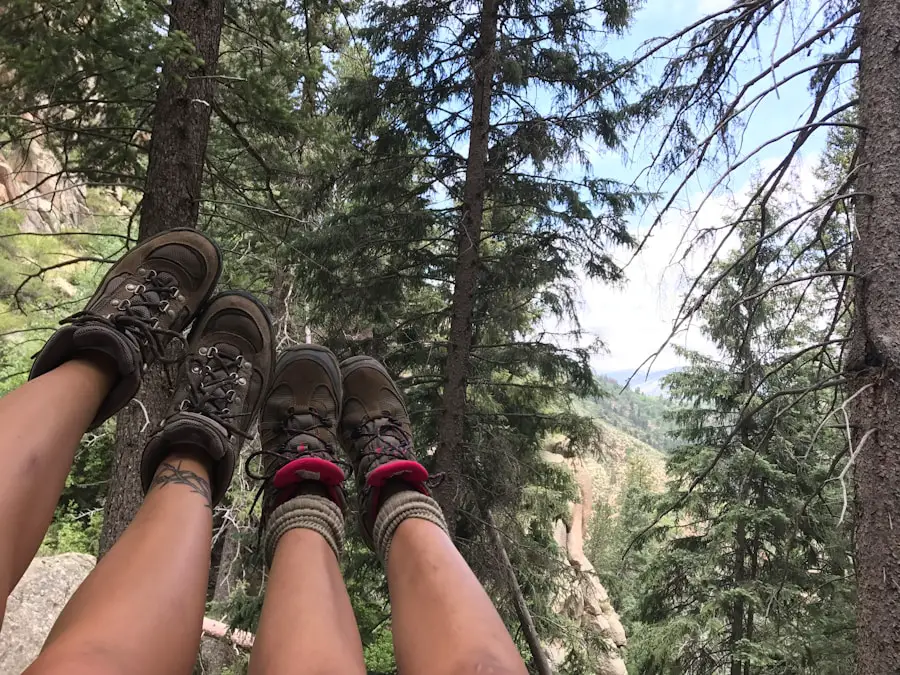
You do not need heavy hiking boots for every walk in the woods, but your footwear should match the trail. A comfortable pair of athletic shoes may work on a paved or smooth, dry path. As trails become steeper, rockier, muddier, longer, or more remote, hiking shoes, trail runners, or boots with better traction and protection become much more useful.
Quick Answer
No, you do not need hiking shoes for every hike. Comfortable athletic shoes can work on paved or easy, dry trails. Hiking shoes or trail runners are better for uneven dirt, roots, rocks, or mud, while sturdier boots make more sense for rugged terrain, cold conditions, heavier packs, or trips where extra protection is valuable.
Key Takeaways
- You do not automatically need hiking shoes for a short, easy, well-maintained trail.
- Traction, fit, underfoot protection, terrain, weather, distance, and pack weight matter more than whether footwear is labeled a “hiking shoe.”
- Trail-running shoes are a practical lightweight option for many day hikes and maintained trails.
- Hiking boots are useful when you want more structure, protection, warmth, or support for rugged terrain and heavier loads.
- Waterproof footwear helps in persistently wet or cold conditions but usually sacrifices some breathability.
- Whatever you wear, make sure it fits properly and has enough tread for the conditions you expect.
Disclosure: As an Amazon Associate I earn from qualifying purchases. Some links on this page are affiliate links, at no extra cost to you.
Benefits of Hiking Shoes
Hiking shoes sit between ordinary athletic shoes and heavier hiking boots. Most are low-cut, with tougher uppers, trail-focused outsoles, and more protection underfoot than a typical road-running sneaker. That combination can make them comfortable for day hikes without the extra weight and stiffness of a boot.
One of their biggest advantages is traction. Hiking outsoles use rubber and lug patterns designed for dirt, rock, roots, and other uneven surfaces. The exact tread that works best depends on the terrain: widely spaced, deeper lugs can shed mud well, while different tread patterns may work better on rock or packed trail.
Hiking shoes also commonly provide toe protection and a more protective midsole. On rocky trails, those features can help shield your feet from sharp stones and repeated impacts. Stiffer footwear may also feel more stable when the ground is uneven.
Water resistance is another potential benefit, but it is not automatically better. Waterproof membranes can reduce water entering through the upper during rain, wet grass, or shallow puddles. They also tend to be less breathable than highly ventilated non-waterproof footwear. REI’s current hiking-footwear guidance recommends choosing between those designs based on the terrain and conditions you actually expect to encounter. REI’s hiking boot and shoe guide explains these trade-offs in more detail.
Note: “Waterproof” does not mean your feet can never get wet. Water can enter over the collar, and sweat can build up inside less-breathable footwear. In hot, dry conditions, a breathable shoe that dries quickly may be more comfortable.
The best hiking footwear is not necessarily the heaviest pair. It is the pair that fits your feet and matches the trail, weather, distance, and load you plan to carry.
Alternatives to Hiking Shoes
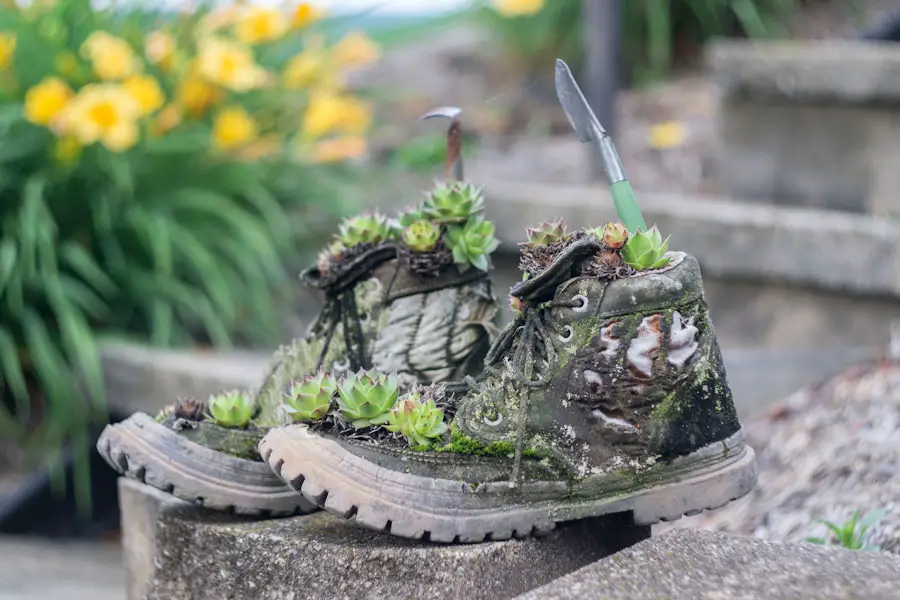
Hiking shoes are only one option. Trail-running shoes, hiking boots, approach shoes, and even ordinary athletic shoes can all make sense in the right situation.
Trail-Running Shoes
Trail runners are lighter and more flexible than many hiking shoes, while still using outsoles designed for off-road surfaces. They are popular for day hiking, faster hiking, and long-distance trips where low weight and breathability are priorities.
The trade-off is usually less protection and structure than a more substantial hiking shoe or boot. For easy to moderate terrain, however, a good trail runner can be an excellent hiking shoe alternative.
Hiking Boots
Hiking boots generally have more substantial uppers, stiffer soles, and collars that extend higher around the ankle. They can be useful for rugged terrain, colder weather, heavier packs, backpacking, and situations where extra protection is worth the added weight.
A higher and more structured collar can provide additional support, but boots cannot guarantee that you will avoid an ankle sprain. Good footing, appropriate tread, proper fit, conditioning, and careful movement still matter.
Approach Shoes
Approach shoes combine hiking features with climbing-oriented sticky rubber. They are especially useful when a hike involves rocky approaches, scrambling, or reaching a climbing route.
Because they are specialized for rock, their cushioning, tread, and all-day trail comfort may not suit every ordinary hike.
Regular Athletic Shoes
Comfortable sneakers can be perfectly reasonable for paved paths and some smooth, dry, well-maintained routes. The National Park Service’s general Hike Smart guidance distinguishes tennis shoes for paved urban pathways from sturdier hiking footwear for dirt and gravel trails.
The problem arises when road-oriented sneakers are taken onto terrain their soles and uppers were not designed to handle. Smooth tread, soft exposed foam, limited toe protection, and poor performance in mud can become disadvantages on rougher trails.
Considerations for Choosing Hiking Shoes
| Consideration | What to Look For |
| Fit | Snug through the heel and midfoot without pinching, plus enough room for your toes to move without striking the front on descents. |
| Traction | An outsole and lug pattern suited to packed dirt, loose rock, mud, or other surfaces on your route. |
| Underfoot Protection | More cushioning, stiffness, or a rock plate if the trail is rough and rocky. |
| Waterproofing | Useful for sustained wet, cold, muddy, or snowy conditions; less important when breathability and fast drying are bigger priorities. |
| Weight | Lighter footwear can feel more nimble, while heavier footwear may provide more structure and protection. |
| Pack & Distance | Longer trips, rough ground, and heavier loads may justify more structured footwear than a short day hike. |
Get the Fit Right
Fit matters more than the brand name on the shoe. Hiking footwear should feel secure without squeezing your foot. Your heel should not slide excessively, and your toes should have enough space that they do not repeatedly hit the front of the shoe when walking downhill.
Try footwear with the same type of socks you plan to hike in. REI also recommends trying footwear later in the day, when feet may be slightly swollen, and spending time walking on an incline if possible before deciding on a pair.
Pro Tip: Do not save brand-new stiff hiking boots for your biggest trip. Wear them on shorter walks first. Flexible trail runners and light hiking shoes may need little break-in, but burly boots often become more comfortable after several shorter outings.
Wear Suitable Socks
Good footwear can still cause trouble when paired with the wrong socks. Moisture-wicking synthetic or wool socks help manage sweat better than socks that stay wet for long periods.
The American Academy of Dermatology recommends properly fitting shoes and moisture-wicking socks to reduce the friction and chafing that can lead to blisters.
Types of Terrain and the Need for Hiking Shoes
The harder the terrain becomes, the more valuable trail-specific footwear tends to be. A smooth park path and a loose mountain descent place very different demands on your feet.
| Trail or Condition | Practical Footwear Starting Point |
| Paved walking path | Comfortable athletic or walking shoes |
| Smooth, dry maintained trail | Athletic shoes with adequate tread, trail runners, or light hiking shoes |
| Roots, rocks, loose dirt, moderate hills | Trail runners or hiking shoes with suitable traction and underfoot protection |
| Rugged mountain terrain or heavy pack | Structured hiking shoes or hiking/backpacking boots, depending on conditions and preference |
| Frequent rain or persistent mud | Trail footwear with appropriate mud traction; waterproofing may help when conditions are cool or continuously wet |
| Snow or ice | Weather-appropriate boots plus the correct traction device when conditions require one |
Snow and ice deserve special attention. A hiking boot’s normal outsole may not provide enough traction on hard ice. Depending on the route, conditions may call for removable traction devices or specialized winter or mountaineering equipment. Always check the specific trail’s current conditions before leaving.
Potential Risks of Not Wearing Hiking Shoes
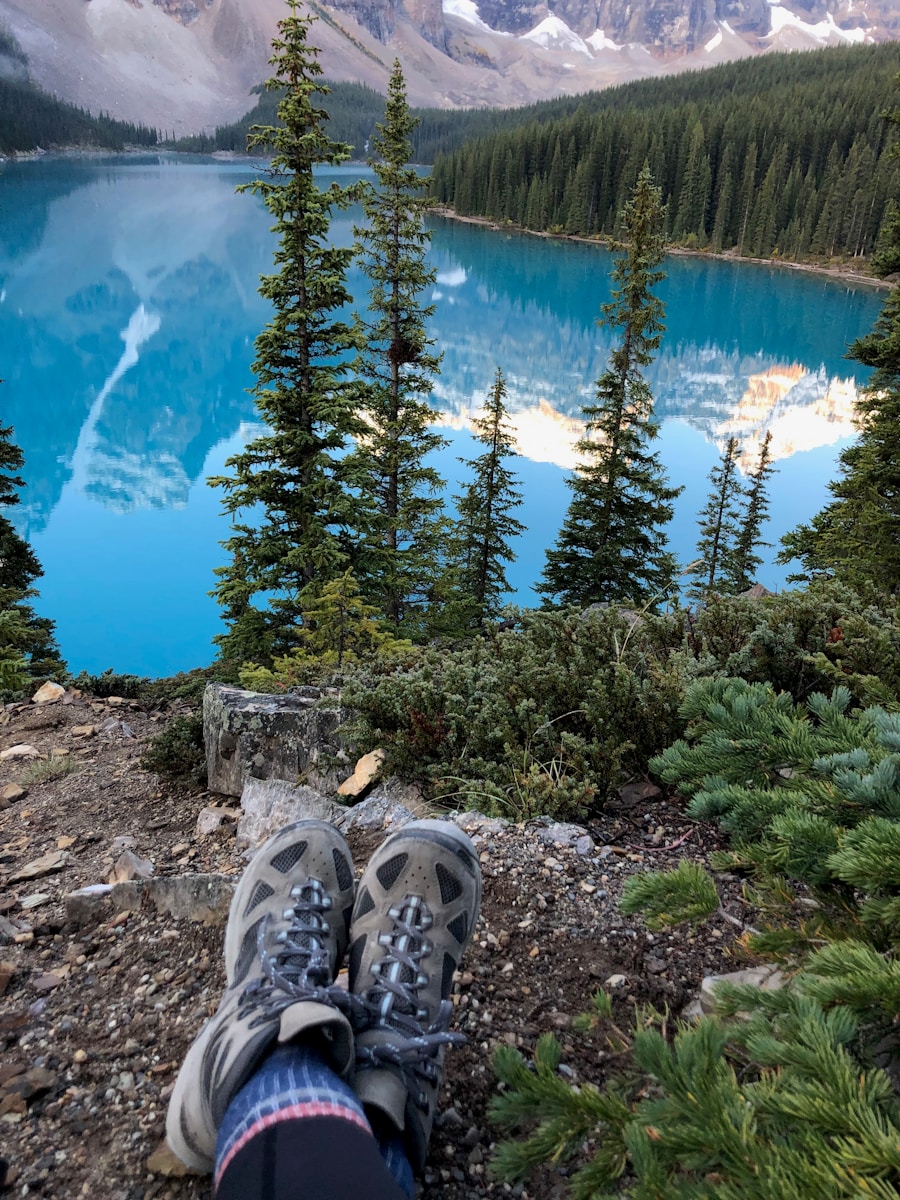
The risk is not simply that a shoe lacks the words “hiking shoe” on the box. The real problem is wearing footwear that does not suit the conditions.
A smooth outsole can lose traction in mud or loose dirt. Thin, soft soles can leave feet sore on repeated sharp rocks. Poorly fitting shoes can rub and produce hot spots or blisters. Open-toed footwear also leaves the toes more exposed to rocks, roots, and trail debris.
The National Park Service warns against inappropriate footwear on difficult trails. At Little River Canyon National Preserve, the park notes that many summer injuries involve visitors hiking into the canyon in flip-flops or other footwear that is poorly suited to steep, rocky, loose terrain. See the park’s current hiking-safety guidance.
Warning: Do not rely on footwear alone to make a hazardous route safe. Wet rock, ice, steep drop-offs, fast-moving water, loose scree, and severe weather can exceed what ordinary hiking shoes or boots can safely handle. Turn around when trail conditions are beyond your equipment or experience.
Tips for Hiking Without Hiking Shoes
If you do not own dedicated hiking shoes, you can still enjoy many beginner-friendly routes. Start by choosing a trail that matches the footwear you already have.
- Choose easy terrain. Favor paved paths or well-maintained, relatively smooth trails in dry conditions.
- Inspect the outsole. Do not use shoes with worn-smooth tread or loose, separating soles.
- Prioritize fit. Your shoes should not pinch, slide around your heel, or let your toes hit the front on descents.
- Wear moisture-wicking socks. They can help manage moisture and reduce friction against the skin.
- Slow down on uneven ground. Shorter, controlled steps can make footing easier to manage.
- Check trail conditions. A route that is easy when dry can become slippery and difficult after rain.
- Turn around when necessary. If traction is poor or the trail becomes rougher than expected, changing plans is safer than forcing the hike.
Avoid switching to loose flip-flops for active hiking or moving-water crossings. For any stream crossing, first decide whether the crossing itself is safe. High, cold, fast-moving, or unclear water can be dangerous regardless of the footwear you are wearing.
When Are Hiking Boots Better Than Hiking Shoes?
Hiking shoes work well for many day hikes, but boots may be the better tool when conditions become more demanding.
Consider a sturdier hiking or backpacking boot when you expect rough off-trail travel, prolonged rocky terrain, colder conditions, snow, a heavier overnight pack, or situations where a tougher upper and more structured sole are valuable.
That does not mean every backpacker needs a heavy boot. Many experienced hikers use trail runners or hiking shoes. Your own comfort, conditioning, previous injuries, pack weight, terrain, and trip length all affect the decision.
If you have persistent foot or ankle pain, significant instability, a recent injury, or another condition that affects walking, individualized advice from an appropriate healthcare professional may be more useful than relying on a general footwear rule.
How to Prevent Blisters on a Hike
Blisters are usually a friction problem, so waterproofing alone is not the answer. Proper fit is one of the most important defenses.
The American Academy of Dermatology recommends shoes that are neither too tight nor too loose and suggests nylon or other moisture-wicking socks for blister prevention. Stop and address a hot spot when you first notice rubbing instead of waiting for a blister to become painful.
For longer trips, carrying blister supplies such as moleskin or another suitable protective dressing can help you manage an irritated area before it ruins the rest of the hike.
Making the Right Choice for Your Hiking Adventures
Choosing hiking footwear does not have to be complicated. Begin with the trail rather than the shoe.
If you are walking on a paved or easy, dry route, comfortable athletic shoes may be all you need. For ordinary dirt trails with rocks and roots, hiking shoes or trail runners offer useful traction and protection without the bulk of a heavy boot. As terrain, weather, pack weight, and trip length become more demanding, sturdier footwear becomes easier to justify.
Most importantly, wear footwear that fits your feet and is in good condition. A technically impressive boot that causes heel lift, pinches your toes, or does not match the terrain is not the right choice.
Before heading out, review current trail and weather conditions rather than relying only on a general footwear recommendation. The National Park Service’s Hike Smart guidance is a useful starting point for matching your preparation and equipment to the trip.
Frequently Asked Questions
What are hiking shoes?
Hiking shoes are trail-oriented, usually low-cut footwear designed to provide traction, underfoot protection, durability, and comfort on outdoor terrain. They are generally lighter and more flexible than hiking boots and provide less support around the ankle than a higher boot.
Do I need hiking shoes?
Not for every hike. Athletic shoes can work on paved or easy, dry, maintained paths. Hiking shoes or trail runners become more useful when the route includes dirt, rocks, roots, mud, steeper grades, or longer distances. Rugged terrain, heavy loads, snow, and cold conditions may justify hiking boots.
What are the benefits of hiking shoes?
Compared with many road-oriented sneakers, hiking shoes commonly provide trail-specific traction, tougher uppers, toe protection, and more protection underfoot. They are also usually lighter and less bulky than hiking boots, which makes them a versatile choice for many day hikes.
Can I use regular sneakers for hiking?
Yes, on some routes. Comfortable sneakers with adequate tread can be fine for paved paths and easier, dry, well-maintained trails. They become less suitable when the trail is steep, rocky, muddy, loose, or otherwise requires more grip and protection.
Are trail-running shoes good for hiking?
Yes. Trail runners are a popular choice for hiking because they combine trail-focused traction with low weight, flexibility, and breathability. They generally provide less structure and protection than burly hiking shoes or boots, so the best choice depends on the terrain and load.
Do hiking shoes need to be waterproof?
No. Waterproof footwear can be helpful in cool, wet, muddy, or snowy conditions, but waterproof membranes generally reduce breathability. In warm or dry conditions, many hikers prefer breathable non-waterproof shoes that allow moisture to escape and dry more quickly.
How should hiking shoes fit?
They should feel secure without pinching. Your heel should stay reasonably stable, your toes should be able to move, and your toes should not repeatedly hit the front of the shoe on descents. Try them with your normal hiking socks and, when possible, test them on an incline.
Do I need hiking boots instead of hiking shoes?
Not necessarily. Hiking shoes and trail runners suit many day hikes. Boots become more attractive for rugged terrain, colder weather, heavier loads, snow, or whenever you prefer additional structure and protection. The best choice depends on the trip and your feet rather than one universal rule.
Sources
- National Park Service — Hike Smart — footwear selection, trail preparation, socks, and general hiking safety.
- National Park Service — Little River Canyon Hiking Safety — hazards associated with inappropriate footwear on steep, rocky terrain.
- REI Co-op — How to Choose Hiking Boots and Shoes — footwear types, terrain, fit, construction, waterproofing, traction, and break-in guidance.
- American Academy of Dermatology — How to Prevent and Treat Blisters — proper shoe fit, moisture-wicking socks, friction, and blister prevention.

