
Last Updated on July 27, 2026 by Daniel Globe
Hiking poles can improve balance on rough trails and take some strain off your legs, but flying with them requires more than simply collapsing them and putting them in a backpack. At U.S. airport security checkpoints, the most important detail is the pole tip. TSA rules also work separately from your airline’s carry-on size and baggage rules.
Quick Answer
Yes—some hiking poles can go in carry-on bags at U.S. airports. TSA currently allows blunt-tipped hiking poles in carry-on or checked baggage, but sharp-tipped hiking poles are not allowed in carry-on bags. Your airline’s size rules still apply, and the TSA officer at the checkpoint makes the final decision.
Key Takeaways
- TSA allows blunt-tipped hiking poles in carry-on or checked baggage, subject to screening and the officer’s final decision.
- Sharp-tipped hiking poles are not allowed in carry-on bags and should be packed in checked baggage.
- Collapsing or folding a pole helps it fit inside luggage but does not make a sharp tip acceptable at security.
- Airline size, baggage-count, and storage rules apply in addition to TSA security rules.
- For international or partner-airline trips, check the rules of every security authority and operating airline on the itinerary.
Modern trekking poles are usually made from aluminum or carbon fiber and may use telescoping or folding shafts. Their adjustable length and compact design make them easier to pack than older walking sticks. On the trail, hikers also use poles to test footing, improve stability, probe shallow water, move light trail debris, or support certain trekking-pole shelters.
Disclosure: As an Amazon Associate I earn from qualifying purchases. Some links on this page are affiliate links, at no extra cost to you.
TSA Rules for Hiking Poles in Carry-On Bags
The Transportation Security Administration’s current hiking-pole guidance makes a clear distinction between blunt and sharp tips.
| Item | TSA rule for U.S. checkpoints |
| Blunt-tipped hiking pole | Allowed in carry-on or checked baggage, subject to screening and the TSA officer’s final decision. |
| Sharp-tipped hiking pole | Not allowed in carry-on baggage. Pack it in checked baggage. |
| Ski pole | TSA lists ski poles as prohibited in carry-on baggage but permitted in checked baggage. |
For U.S. airport security, the tip matters more than whether the hiking pole is carbon fiber, aluminum, telescoping, or folding.
TSA also states that an item that is normally permitted may receive additional screening or may still be refused if an officer believes it presents a security concern. That means no article or packing trick can guarantee that a particular pole will pass the checkpoint.
Warning: Do not take a sharp-tipped hiking pole to the security checkpoint expecting to gate-check it later. If TSA does not allow it through security, you may need to return to the airline’s ticket counter to check it or give it up.
Hiking Poles as Carry-On Items

A blunt-tipped hiking pole can be eligible for carry-on screening under TSA rules, but that does not automatically mean an airline must accept it as an extra cabin item. The pole still needs to comply with the airline’s baggage allowance and must be stored safely under a seat or in an overhead compartment when required.
The easiest approach is usually to collapse or fold an eligible pole and place it completely inside your normal carry-on bag. That reduces the chance of exceeding your airline’s item-count limits and protects the pole from being snagged or damaged while boarding.
Collapsibility matters mainly for storage. A sharp-tipped pole does not become an approved carry-on merely because it folds down to 15 or 20 inches.
Note: TSA does not publish a universal measurement defining exactly how rounded a hiking-pole tip must be to count as “blunt.” If your pole has an exposed hard metal or carbide point, the safer choice is to put it in checked baggage or confirm the item with TSA before traveling.
How to Decide Whether Your Hiking Pole Should Be Checked
Before packing, inspect the pole rather than relying only on the manufacturer’s description.
- Look at the actual tip. A rounded, blunt end fits TSA’s published carry-on category more clearly than an exposed pointed metal or carbide tip.
- Collapse or fold the pole completely. Measure it in its packed configuration so you know whether it can fit inside your airline-approved baggage.
- Check removable accessories. Remove loose baskets, mud guards, straps, or other parts if the manufacturer allows it and they could catch on luggage.
- Do not assume a removable rubber cover guarantees approval. If a sharp point remains underneath, checking the pole avoids uncertainty at the checkpoint.
- Review the operating airline’s baggage rules. A TSA-permitted item can still be too large to carry into the aircraft cabin.
Pro Tip: Take a photo of your pole fully collapsed next to a tape measure before leaving home. It gives you a quick reference when checking airline dimensions and deciding which bag to use.
Potential Issues with Hiking Poles in Carry-On
| Issue | What It Means |
|---|---|
| Sharp tip | Sharp-tipped hiking poles are not allowed in carry-on baggage at TSA checkpoints. |
| Additional screening | Even a generally permitted blunt-tipped pole may receive additional inspection, and the TSA officer makes the final decision. |
| Cabin size | A permitted pole may still be too long or bulky for your airline’s carry-on allowance. |
| Full overhead bins | An otherwise acceptable carry-on bag may be gate-checked when cabin storage is full. |
| Different international rules | Another country’s security authority or a partner airline may apply different restrictions. |
Security and airline acceptance are two separate hurdles. TSA determines whether an item can pass through a U.S. passenger-security checkpoint. The airline determines whether the item fits its cabin-baggage rules and can be safely stowed aboard the aircraft.
This distinction also explains why a pole that passes security could still need to be checked at the gate because of its size or because the overhead compartments are full.
Alternatives to Bringing Hiking Poles in Carry-On
If your trekking poles have sharp carbide or metal tips, checking them is usually the simplest way to keep your own equipment for the trip. Collapse the poles, protect the tips, and pack them where the shafts are less likely to bend under pressure.
Renting poles at your destination is another practical choice. Outdoor outfitters, guided hiking companies, ski shops, and equipment-rental businesses in popular hiking areas may rent trekking poles by the day or week. Renting also eliminates the risk of a pole being delayed or damaged with checked baggage.
Buying an inexpensive pair after arrival can make sense on a longer trip, especially when checked-bag charges would approach the cost of replacement poles.
Some hikers also travel without poles and obtain them only for the trails where they are needed. A sturdy natural stick found where local rules permit can occasionally provide simple support, but it does not offer the adjustability, paired balance, wrist straps, or predictable strength of purpose-built trekking poles.
Tips for Traveling with Hiking Poles
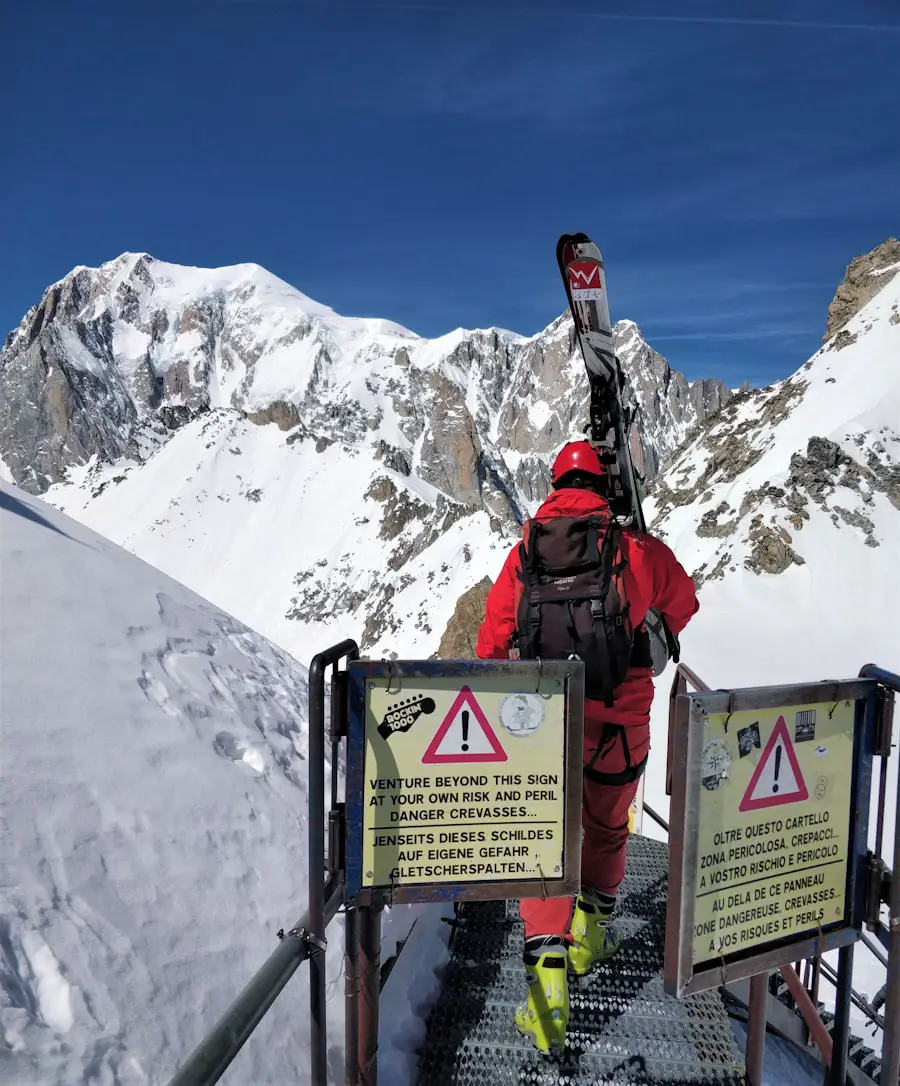
Good packing protects both the poles and other baggage. Start by collapsing or folding each pole to its shortest manufacturer-approved length.
If You Are Carrying On a Blunt-Tipped Pole
- Place the pole completely inside your carry-on bag whenever possible.
- Secure telescoping locks so sections cannot slide open while the bag is being handled.
- Protect the end of the pole so it does not damage your bag or other belongings.
- Keep the pole easy to reach in case a security officer requests additional screening.
- Verify the airline’s current carry-on dimensions before leaving for the airport.
If You Are Checking Hiking Poles
- Collapse the poles fully.
- Cover or securely wrap pointed tips to protect baggage handlers, inspectors, your luggage, and the poles themselves.
- Bundle a pair together so individual sections cannot move around the suitcase.
- Place the poles near the center or along a reinforced side of the bag rather than directly against a thin outer panel.
- Use clothing, a trekking-pole sleeve, or other soft gear to cushion lightweight carbon-fiber shafts.
- Confirm checked-bag size, weight, and fee limits with the operating airline.
Arriving with enough time to resolve a baggage issue is sensible, but good preparation matters more than simply arriving early. Decide whether the poles belong in checked or carry-on baggage before you reach the security checkpoint.
Airline Policies on Hiking Poles
Airlines do not all publish hiking-pole rules in the same way. Some explicitly discuss trekking poles, while others rely on their standard baggage policy plus TSA restrictions.
| Airline | Current Relevant Guidance |
|---|---|
| Delta Air Lines | Delta explicitly lists hiking or trekking poles among items allowed when properly packed in accordance with TSA rules and subject to standard baggage allowances. Delta’s standard carry-on maximum is 22 × 14 × 9 inches. |
| American Airlines | American’s carry-on policy allows one carry-on plus one personal item and sets a 22 × 14 × 9-inch maximum for the carry-on bag. American directs travelers to TSA requirements for restricted items. |
| Southwest Airlines | Southwest’s current carry-on policy allows one carry-on and one personal item. Its carry-on size limit is 24 × 16 × 10 inches, and it directs travelers to TSA’s prohibited-item guidance. |
Note: Airline dimensions can change, and regional aircraft or partner airlines may impose tighter limits. Check the operating carrier—not only the airline that sold the ticket—before departure.
International and Connecting Flights
TSA rules govern security screening at U.S. airports. They do not automatically control security checkpoints in another country. If your return flight begins outside the United States, check the aviation-security rules for that country as well as the baggage rules of the operating airline.
The same caution applies to codeshare and partner-airline itineraries. One carrier may sell the ticket while another operates the aircraft and applies its own cabin-baggage limits.
If you are uncertain about a particular pole, verify the rules before departure rather than assuming the policy will be identical in both directions.
Conclusion and Final Considerations
Traveling with hiking poles is straightforward once you separate TSA security rules from airline baggage rules. At U.S. checkpoints, TSA currently permits blunt-tipped hiking poles in carry-on or checked baggage, while sharp-tipped hiking poles belong in checked baggage. A collapsible design helps with packing but does not override the sharp-tip restriction.
Before leaving home, inspect the tip, collapse the poles, check the operating airline’s dimensions, and pack pointed equipment securely. For international trips, verify the rules again for the return journey. A few minutes of preparation can prevent a favorite pair of trekking poles from becoming a last-minute problem at the airport.
If your trip also includes driving with a pet, you may be interested in this guide to traveling safely with your puppy in the car.
Frequently Asked Questions
What are hiking poles?
Hiking poles, also called trekking poles, are lightweight poles used to improve balance and stability while walking on trails. Many models telescope or fold so they can be shortened for storage and travel.
Are hiking poles allowed in carry-on luggage?
TSA currently allows blunt-tipped hiking poles in carry-on or checked baggage. Sharp-tipped hiking poles are not allowed in carry-on baggage. The airline’s baggage rules also apply, and TSA officers make the final checkpoint decision.
Does collapsing a hiking pole make it acceptable for carry-on?
No. Collapsing a pole can help it meet airline size and storage requirements, but it does not change TSA’s rule for sharp-tipped poles. A sharp-tipped hiking pole should be packed in checked baggage.
Can hiking poles be brought on a plane as a personal item?
A blunt-tipped pole still has to meet TSA requirements and your airline’s personal-item rules. Because a personal item normally must fit under the seat, packing a fully collapsed pole inside an approved bag is safer than assuming the pole itself will qualify as an extra personal item.
Can hiking poles go in checked luggage?
Yes. TSA permits hiking poles in checked baggage. Collapse them and securely cover or wrap pointed tips so they cannot injure baggage handlers or damage other items.
Do the same hiking-pole rules apply on international flights?
Not necessarily. TSA rules apply to U.S. security checkpoints. Other countries and operating airlines may have different restrictions, so check the rules for each departure airport and carrier on your itinerary.
Sources
- Transportation Security Administration — Hiking Poles — current U.S. carry-on and checked-baggage rules for blunt- and sharp-tipped hiking poles.
- Transportation Security Administration — What Can I Bring? — TSA’s broader restricted-items list, including hiking poles, walking sticks, and ski poles.
- Delta Air Lines — Other Possibly Hazardous Items — Delta guidance covering hiking and trekking poles.
- American Airlines — Carry-On Bags — carry-on dimensions, storage requirements, and TSA-restriction guidance.
- Southwest Airlines — Carry-On and Personal Item Policy — current carry-on dimensions and baggage requirements.

