
Last Updated on September 11, 2026 by Daniel Globe
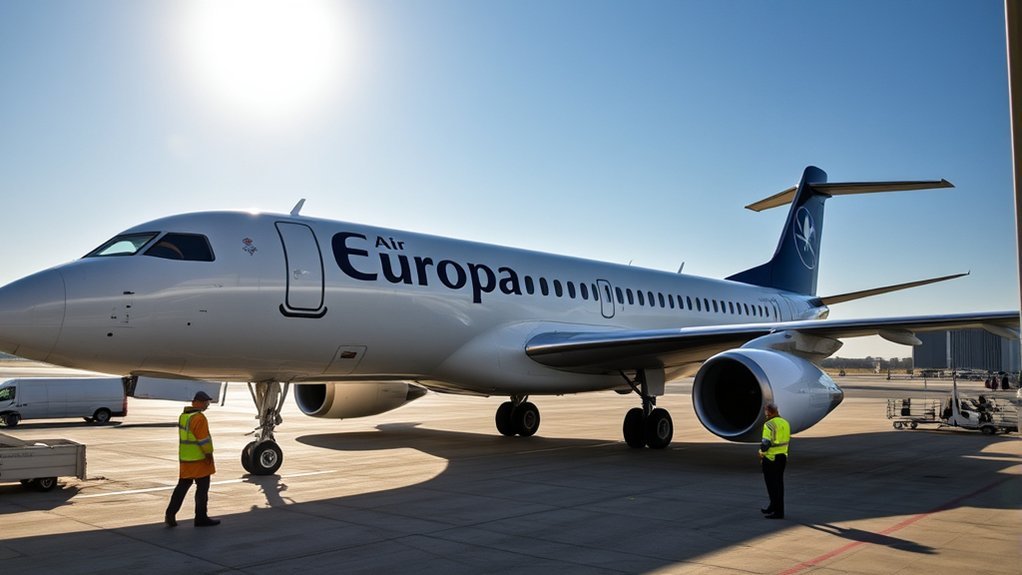
Air Europa holds a Seven Star PLUS safety rating and has built nearly 40 years of operation without a major accident, supported by structured audits and mature turbulence management protocols. Flying a modern fleet centered on Boeing 787 Dreamliners and Boeing 737s with an average age of 7.8 years, the Spanish carrier bridges European domestic routes with dense transatlantic destinations. Whether you are evaluating seating options, baggage allowances, or inflight medical emergency protocols, this comprehensive guide covers the operational details and safety standards behind Air Europa.
Quick Answer
Is Air Europa safe and comfortable? Yes. Air Europa maintains the highest 7-Star PLUS safety rating on AirlineRatings with zero major accidents in nearly four decades. Its modern fleet of Boeing 787 Dreamliners and 737s features an average age of under 8 years, equipped with HEPA air filtration, modern inflight entertainment, and 24/7 MedAire medical emergency support.
Key Takeaways
- Safety Rating: Holds a top 7-Star PLUS rating backed by 70-point operational audits and MedLink emergency response.
- Modern Fleet: Operates 47 aircraft—primarily Boeing 787 Dreamliners for long-haul and Boeing 737s for regional routes.
- Carry-On Limits: Allows 1 cabin bag (55 x 35 x 25 cm, max 10 kg in Economy / 14 kg in Business) plus 1 personal accessory (40 x 30 x 15 cm).
- Alliance Benefits: Full SkyTeam alliance member offering lounge access, SkyPriority, and reciprocal mileage earning.
Air Europa’s Safety Record and Certifications
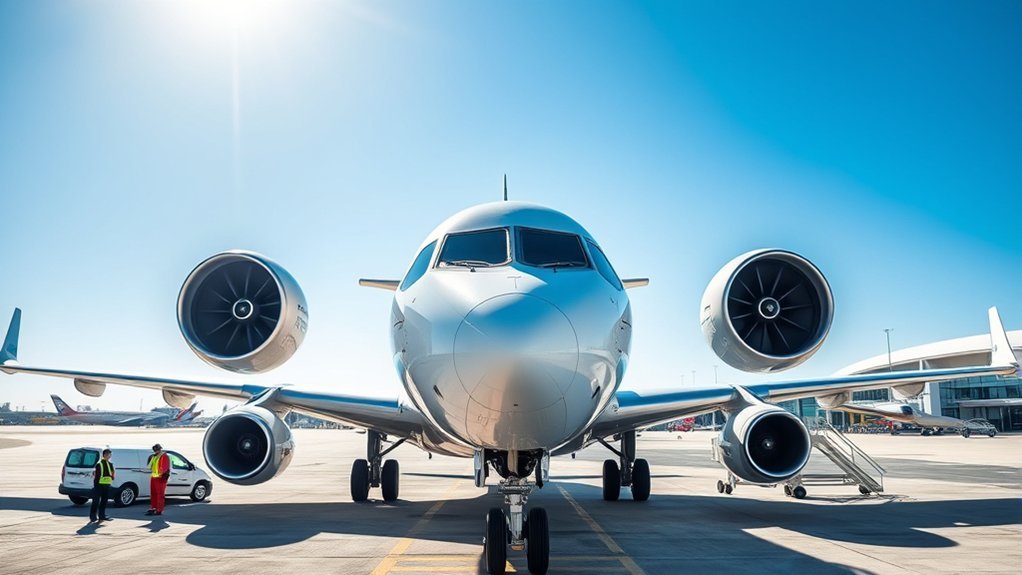
Air Europa’s safety record reflects a consistently high operational standard, underscored by its top rating on independent evaluation platforms and nearly 40 years without a fatal accident. You can read that result as the product of disciplined safety protocols and structured audit processes, rather than luck. Inspectors evaluate 70 distinct audit points on every flight check—from crew positioning to safety demonstrations—repeatedly finding high compliance consistency across the airline’s global network.
The airline also demonstrates effective turbulence management and early adoption of non-mandatory safeguards, indicating a mature risk posture. Certification under international standards like the IATA Operational Safety Audit (IOSA) doesn’t just signal basic compliance; it verifies that the airline converts safety procedures into reliable execution on every sector. Operational leadership has repeatedly emphasized staff dedication, which underpins a strong safety culture where crew members act decisively and consistently under all operating conditions.
Air Europa’s Fleet at a Glance
With an active mainline fleet of approximately 47 aircraft, operations center on Boeing 787 Dreamliners and Boeing 737s, giving Air Europa a balanced platform for short-haul and long-haul network flexibility. As a key member of the global SkyTeam alliance, Air Europa aligns its fleet standards with major international carriers, enabling seamless code-sharing, lounge access, and reciprocal frequent flyer benefits.
The average fleet age sits at approximately 7.8 years, ensuring passengers experience modern cabin interiors, enhanced fuel efficiency, and quiet flight profiles. On regional and transatlantic routes, Air Europa also offers onboard Wi-Fi connectivity packages, allowing passengers to stay connected via messaging or browsing plans during flight.
Note: Air Europa’s fleet strategy focuses exclusively on Boeing airframes for mainline service, delivering streamlined crew training, maintenance efficiency, and operational reliability across its Madrid (MAD) hub.
Boeing 737: Air Europa’s Short-Haul Aircraft
The Boeing 737 gives Air Europa a highly adaptable short-haul platform, engineered for efficient operation on European domestic and medium-range international routes. Featuring a 35.8-meter wingspan, 39.5-meter length, and seating for up to 189 passengers in a single-class or dual-class layout, it delivers high operational reliability.
A highly adaptable short-haul platform, engineered for operational freedom, efficient range, and lower fuel burn across European flight corridors.
- Designed for optimized regional airport performance
- Suited to short-haul network flexibility and rapid turnarounds
- Advanced avionics support precise navigation and safety standards
- Cuts single-flight carbon emissions substantially compared to legacy aircraft
The 737-800 variant’s short-field capability allows Air Europa to access smaller regional airports across Spain and Europe without compromising schedule reliability. Inside, the cabin supports a practical passenger experience with modern overhead bins and ergonomic seating layout.
Pro Tip: On short-haul Boeing 737 flights, choose seats in rows 1–3 for Business Class amenities or reserve exit row seats (rows 14 and 15) for additional legroom.
Boeing 787 Dreamliner: Air Europa’s Long-Haul Cabin
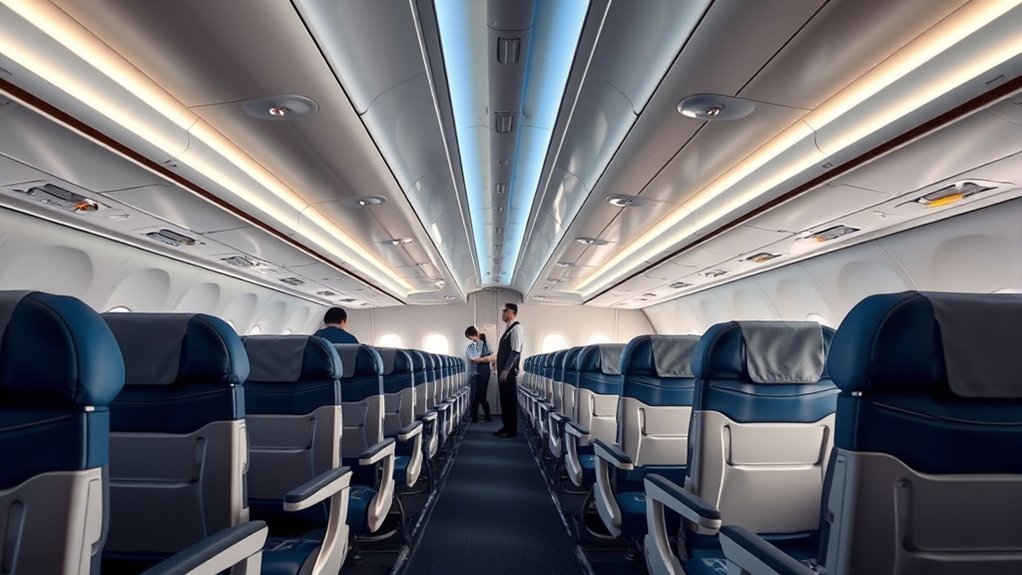
The Boeing 787 Dreamliner serves as the flagship for Air Europa’s long-haul network to North, Central, and South America. Accommodating between 290 and 339 passengers depending on the variant (787-8 or 787-9), the aircraft is engineered specifically for long-distance comfort and jet-lag mitigation.
Advanced LED lighting simulates natural daylight transitions to help regulate circadian rhythms. The airframe’s carbon-composite structure permits a lower cabin altitude equivalent (pressurized to 6,000 feet instead of 8,000 feet), allowing passengers to absorb up to 8% more oxygen and arrive feeling significantly less fatigued. Furthermore, 30% larger dimmable windows provide enhanced exterior views without traditional pull-down shades.
For premium travelers, Air Europa’s 787 Business Class features 1-2-1 or 2-2-2 configured lie-flat seats with direct aisle access, custom dining menus designed by Michelin-starred chef Martín Berasategui, and dedicated noise-canceling headsets.
What Air Europa Seats and Amenities Include
Air Europa designs its seating with ergonomic contours and adjustable headrests across both short- and long-haul configurations. Passengers enjoy personal seatback screens or wireless streaming options, along with dedicated power access to keep personal electronics charged throughout the journey.
Seat Comfort
Seating dimensions balance comfortable personal space with efficient cabin design. Recline capabilities permit posture adjustments without sacrificing legroom for the passenger behind you.
- Ergonomic seat contours reduce lower-back pressure points
- Adjustable recline supports rest on long-haul sectors
- Under-seat storage space fits standard personal accessories
- Individual reading lights and USB charging ports located within arm’s reach
In-Flight Entertainment and Wi-Fi
Air Europa offers personal touchscreens on all Boeing 787 Dreamliner flights, giving travelers access to a library of movies, television series, audio tracks, and live flight-tracking maps. On select Boeing 737 flights, passengers can connect to the onboard Wi-Fi portal to stream media directly to their personal tablets or smartphones.
Satellite Wi-Fi passes are available for purchase onboard, ranging from basic text messaging plans to full web browsing capabilities. Power outlets and USB ports ensure devices remain charged from takeoff to landing.
How to Check Your Air Europa Aircraft Type
To identify the specific aircraft assigned to your upcoming flight, open your itinerary in the official Air Europa official website or mobile app under the My Bookings section. Reviewing your aircraft type helps you anticipate cabin layout, seating configuration, and available amenities prior to departure.
Check your booking details under “My Bookings” on the Air Europa app to verify your aircraft type, seat layout, and inflight Wi-Fi availability before departure.
- Boeing 737-800: Standard narrow-body aircraft used for domestic Spanish and European regional routes.
- Boeing 787-8 / 787-9: Wide-body Dreamliner used for long-haul transatlantic routes.
- Official Customer Support: Contact customer service or inspect seat maps during online check-in for real-time equipment updates.
Air Europa Carry-On Bag Rules
Air Europa enforces standardized carry-on baggage policies to ensure swift boarding and cabin safety compliance. Each passenger is permitted one main cabin bag along with one small personal accessory.
- Cabin Bag Dimensions: Maximum 55 x 35 x 25 cm (including handles, pockets, and wheels).
- Cabin Bag Weight: Up to 10 kg in Economy Class; up to 14 kg in Business Class.
- Personal Accessory Dimensions: Maximum 40 x 30 x 15 cm (must fit under the seat in front of you, e.g., handbag, briefcase, or laptop bag).
- Liquid Regulations: Containers must not exceed 100 ml each, placed inside a single clear, resealable 1-liter plastic bag.
Warning: Carry-on bags exceeding the 55 x 35 x 25 cm dimension or 10 kg weight limit at the boarding gate will be checked into the cargo hold, incurring gate-check fees.
How Air Europa Handles Medical Emergencies Onboard
Air Europa manages passenger medical safety through a multi-tiered framework developed in partnership with MedAire. The protocol combines pre-flight screening, advanced crew training, and direct ground-to-air clinical consultation during emergencies.
Fit-To-Fly Screening
Pre-boarding risk management includes Passenger Fit-to-Fly assessments designed to evaluate medical readiness for passengers with pre-existing health conditions or recent surgical procedures. This process minimizes the risk of acute in-flight medical complications.
Crew Medical Support
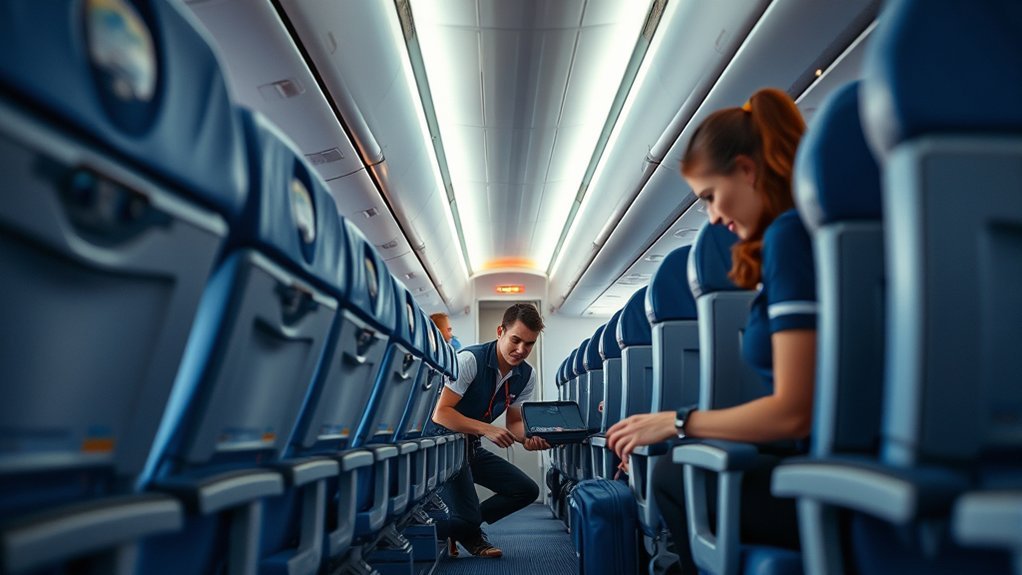
Air Europa flight crews undergo regular training in first aid, CPR, automated external defibrillator (AED) usage, and aviation medical triage. Guided by digital inflight application workflows, crews follow standardized clinical protocols to evaluate patient symptoms accurately under pressure.
MedLink In Flight
If an inflight medical situation escalates, cabin crew establish direct communication with MedLink—a global telemedicine center staffed 24/7 by emergency physicians specializing in aviation medicine. MedLink physicians assist the crew in diagnosis, provide treatment instructions from onboard emergency medical kits, and advise the captain if an unscheduled flight diversion is clinically necessary.
Frequently Asked Questions
Does Air Europa have a good safety record?
Yes. Air Europa holds the highest 7-Star PLUS safety rating from AirlineRatings and has maintained nearly 40 years of operation without a fatal accident. Its operations are audited under rigorous IATA IOSA safety standards.
Which is better, Iberia or Air Europa?
Iberia offers a broader global route network as part of IAG and the Oneworld alliance. However, Air Europa offers an exceptionally modern fleet of Boeing 787 Dreamliners, competitive fares, and full SkyTeam alliance integration, making it a highly rated choice for transatlantic travel.
What items are prohibited on Air Europa flights?
Prohibited items in carry-on baggage include sharp objects (scissors, razors, knives), flammable liquids, explosives, weapons, and liquid containers exceeding 100 ml. Certain routes may also restrict specific agricultural or food products.
What aircraft make up Air Europa’s fleet?
Air Europa operates an all-Boeing mainline fleet primarily composed of long-haul Boeing 787-8 and 787-9 Dreamliners and short-to-medium-haul Boeing 737-800 aircraft, with an average fleet age under 8 years.
Conclusion
Air Europa delivers a well-rounded travel experience defined by its modern Boeing fleet, top-tier safety certifications, and robust passenger support infrastructure. By combining the efficiency of Boeing 737s on European routes with the quiet comfort of 787 Dreamliners for transatlantic journeys, the airline maintains high operational standards across all sectors. Adhering to published carry-on baggage dimensions, verifying your assigned aircraft type prior to departure, and leveraging SkyTeam alliance benefits ensures a seamless, reliable journey with Air Europa.
Sources
- Air Europa Official Portal — Aircraft fleet specs, baggage allowance rules, and cabin amenities.
- AirlineRatings — Safety audits, airline rating criteria, and historical accident records.
- International Air Transport Association (IATA) — IOSA safety audit standards and global aviation security frameworks.
- MedAire Services — Inflight medical emergency protocols and 24/7 MedLink telemedicine support.
- SkyTeam Alliance — Global network integration, reciprocal frequent flyer benefits, and lounge access rules.
