

Last Updated on September 11, 2026 by Daniel Globe
Angkot, short for angkutan kota, is a shared minibus service used for short-distance travel in Jakarta and many other Indonesian cities. It follows established routes, but it usually does not operate on a strict timetable. You can wave one down, confirm the route with the driver, pay a small cash fare, and say “kiri, kiri” when you want to get off.
Quick Answer
An angkot is a small shared minibus that connects neighborhoods and local destinations in Jakarta. It is affordable, flexible, and useful for short trips, especially where larger public transport does not reach. Before boarding, confirm the route, carry small cash, and watch your belongings.
Key Takeaways
- Angkot is a shared minibus with fixed routes but flexible stopping patterns.
- Always confirm the route before entering, especially if you are unfamiliar with Jakarta.
- Fares are generally low and are usually paid directly to the driver in cash.
- Angkot is most useful for local connections and last-mile travel.
At a Glance
| Time Required | Depends on route and traffic |
| Difficulty | Easy after learning the route system |
| Tools Needed | Small cash, map app, destination details |
| Cost | Usually low; varies by route and city |
Disclosure: As an Amazon Associate I earn from qualifying purchases. Some links on this page are affiliate links, at no extra cost to you.
What Is Angkot and How It Works
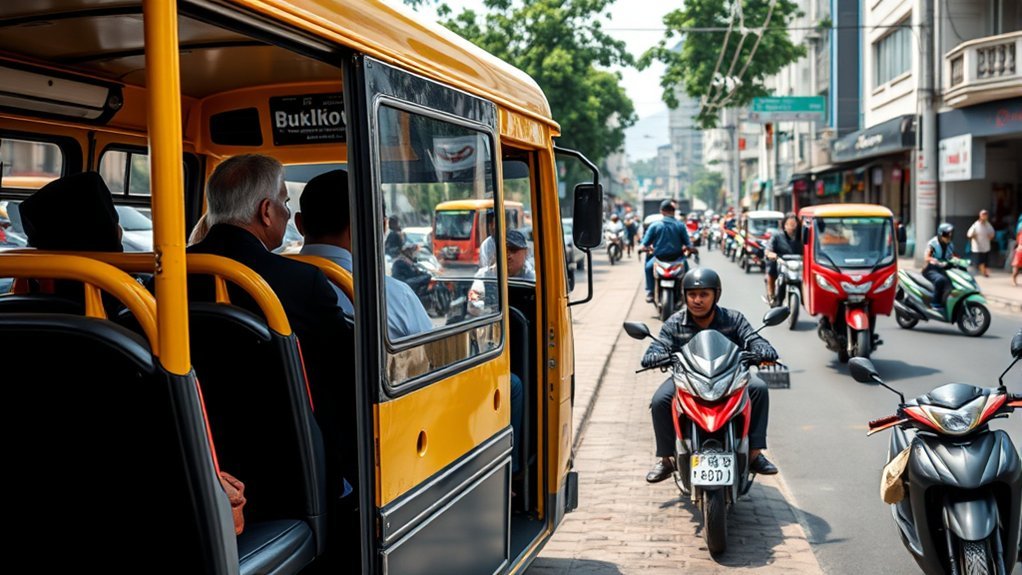
Angkot is a form of local public transportation in Indonesia. The name comes from angkutan kota, meaning “city transportation.” These minibuses usually operate along known corridors and help connect residential areas with markets, schools, workplaces, and larger transport stations.
Unlike buses or trains with scheduled departures, many angkot services operate according to passenger demand. Drivers may wait for more passengers before leaving, and stops can be flexible along the route. This makes angkot convenient for local travel but less predictable than formal transit.
How to Catch, Ride, and Exit an Angkot
To catch an angkot, stand near the roadside and signal the driver. Before entering, ask whether the vehicle is going toward your destination. Route names, colors, or markings can help identify different services, but local confirmation is often the easiest option.
Inside the vehicle, expect a shared seating arrangement. Space can become limited during busy periods, so keep bags close and avoid blocking other passengers.
When you approach your destination, say “kiri, kiri” to let the driver know you want to exit. Prepare your fare before leaving and hand payment directly to the driver.
Warning: If you are unfamiliar with Jakarta, avoid boarding without confirming the route first. Some routes may look similar but travel in different directions.
Angkot Fares, Routes, and Payment Rules
Angkot fares are generally inexpensive, but the exact amount depends on the city, route length, and local regulations. Payment is usually made in cash directly to the driver when you leave.
| Item | What to expect | Your action |
|---|---|---|
| Fare | Low-cost local transport | Carry small cash |
| Route | Established corridors | Confirm before boarding |
| Payment | Usually cash | Pay when exiting |
Traffic conditions can affect travel time, and some drivers may wait until more seats are filled. Allow extra time if you have a fixed appointment.
Pro Tip: Save your destination name in Indonesian or show it on a map app. This makes route confirmation easier when communication is limited.
Angkot Etiquette, Safety, and Comfort Tips

Good angkot etiquette is simple: confirm the route, keep your belongings secure, make space for others, and communicate clearly when you need to exit.
During crowded rides, keep wallets and phones secure, especially in busy areas. Sitting calmly and respecting other passengers helps create a smoother experience for everyone.
Why Angkot Still Matters in Jakarta
Jakarta has expanded its public transport network with systems such as buses and rail services, but angkot still plays an important local role. It can provide connections between neighborhoods and larger transit points where walking distances may otherwise be inconvenient.
| Role | Value |
|---|---|
| Last-mile connection | Links local areas with major transport |
| Local access | Serves routes larger vehicles may not cover |
| Affordable travel | Keeps short trips inexpensive |
Angkot remains valuable because it provides flexible neighborhood connections that complement Jakarta’s larger transport systems.
Frequently Asked Questions
How much does an angkot ride cost?
The cost depends on the city and route, but angkot is generally considered a low-cost transportation option. Carry small cash because payment is usually made directly to the driver.
Are angkots air-conditioned?
Traditional angkots usually do not have air conditioning. Ventilation normally comes from open windows, so expect a warmer ride.
Is there an app for tracking angkot routes?
Route information can be limited compared with formal transit systems. Many passengers still rely on drivers, locals, and map applications for guidance.
Conclusion
Riding an angkot in Jakarta is a practical way to experience local transportation. Once you understand how to find routes, confirm destinations, pay fares, and exit correctly, the system becomes much easier to use. Keep your belongings secure, ask questions when unsure, and treat the ride as part of everyday Jakarta life.
Sources
- Jakarta Government — General information about Jakarta services and urban systems.
- TransJakarta — Information about Jakarta public transportation connections.

