
Last Updated on July 30, 2026 by Daniel Globe
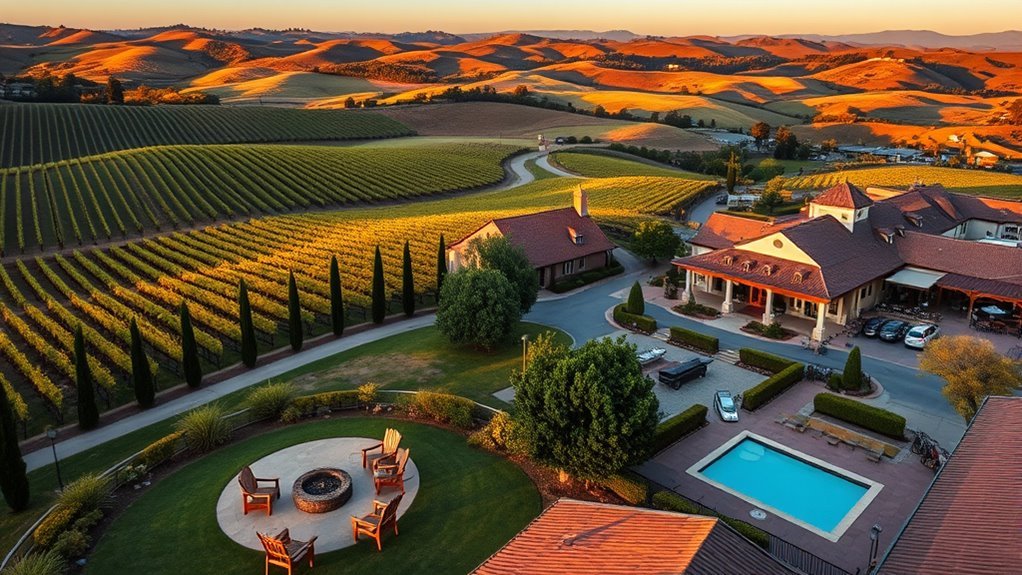
Choosing where to stay in Sonoma starts with one important distinction: “Sonoma” can mean the walkable city of Sonoma or the much larger Sonoma County. Your best base depends on whether you want plaza-side tasting rooms, quick access to northern wine valleys, a quiet country inn, family-friendly services, redwood forests, or the Pacific coast. Match the town to your main plans before comparing individual hotels.
Quick Answer
Stay near Sonoma Plaza for a first visit with walkable tasting rooms and historic sights. Choose Healdsburg for Dry Creek, Alexander, and Russian River wineries; Glen Ellen or Kenwood for quiet Sonoma Valley scenery; Santa Rosa or Petaluma for broader hotel choices; and the coast or Russian River for nature-focused stays.
Key Takeaways
- Best for first-time visitors: Sonoma Plaza offers the easiest mix of history, restaurants, shops, and tasting rooms on foot.
- Best for serious wine tasting: Healdsburg is a practical base for Russian River Valley, Dry Creek Valley, and Alexander Valley.
- Best for quiet: Glen Ellen and Kenwood trade nightlife and walkability for vineyards, inns, and nearby parks.
- Best for value and flexibility: Santa Rosa and Petaluma usually provide a wider range of room types, restaurants, and everyday services.
- Best for nature: Guerneville, Bodega Bay, Timber Cove, and The Sea Ranch put redwoods, rivers, trails, or the coast ahead of winery convenience.
Note: The city of Sonoma is one small part of Sonoma County. Healdsburg, Santa Rosa, Petaluma, Guerneville, Bodega Bay, and The Sea Ranch are also in Sonoma County, but they can be far apart on two-lane roads. Build each day around one part of the county rather than crossing it repeatedly.
Disclosure: As an Amazon Associate I earn from qualifying purchases. Some links on this page are affiliate links, at no extra cost to you.
Sonoma City vs. Sonoma County
The city of Sonoma sits in Sonoma Valley around the historic Sonoma Plaza. It works well for travelers who want a compact center and easy access to Sonoma Valley and Carneros. Sonoma County stretches from Petaluma and Sonoma in the south to Healdsburg and Geyserville in the north, with the Russian River and a long Pacific coastline to the west. A hotel described as being “in Sonoma” may therefore be in the city, the valley, or another part of the county.
Before booking, place your must-visit wineries, restaurants, parks, or coastal stops on a map. A cheaper room can lose its value if you spend hours driving between distant areas or paying for repeated car-service trips.
At a Glance
| Sonoma Plaza | First visits, history, restaurants, and tasting rooms on foot |
| Healdsburg | Northern wine valleys, upscale dining, and a lively downtown |
| Glen Ellen or Kenwood | Quiet inns, Sonoma Valley wineries, and nearby hiking |
| Santa Rosa | Families, practical services, varied lodging, and central county access |
| Petaluma | Historic downtown character, restaurants, and southern-county access |
| Russian River or Coast | Redwoods, river time, beaches, trails, and a slower retreat |
Best Neighborhoods to Base Your Sonoma Stay
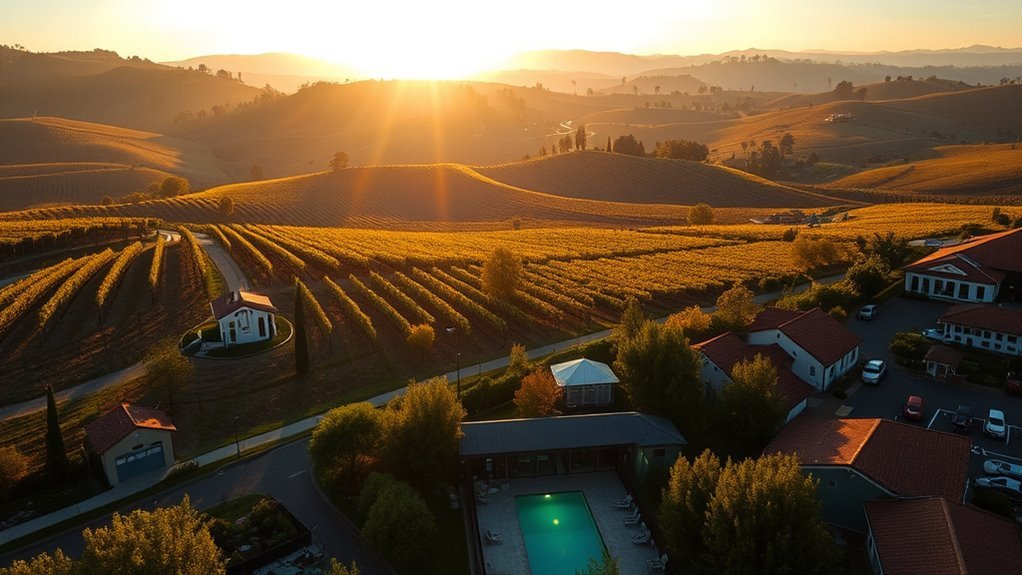
Downtown Sonoma is the easiest base for visitors who value walkability. The eight-acre Sonoma Plaza is surrounded by historic sites, restaurants, galleries, shops, and tasting rooms, and it is promoted as California’s largest town square. A plaza-area stay can reduce local driving, though you will still need transportation for estate wineries outside town.
Healdsburg is the strongest choice for a wine-focused trip to northern Sonoma County. Its downtown is compact, while Russian River Valley, Dry Creek Valley, and Alexander Valley wineries spread around it. The town also has a polished restaurant and hotel scene, so it suits travelers who want tasting days followed by dinner on foot.
Glen Ellen and Kenwood feel quieter and more rural. They are well placed for Sonoma Valley wineries and outdoor time, including Jack London State Historic Park near Glen Ellen. Lodging is more scattered, and evening options are limited compared with Sonoma or Healdsburg, so a car or prearranged driver is usually useful.
Santa Rosa has the county’s broadest urban services and a large mix of hotels, restaurants, family attractions, and transportation connections. It is practical for visitors with mixed interests or business needs, but the experience is less like a small wine-country village.
Petaluma offers a historic downtown, independent restaurants, and access to southern Sonoma County. It can be a smart value base, especially when arriving from the Bay Area, but winery drive times vary widely. Do not assume every major wine region is within 30 minutes.
Guerneville, Bodega Bay, Timber Cove, and The Sea Ranch are best when redwoods, river activities, beaches, or coastal scenery matter more than reaching many wineries each day.
Top Luxury Hotels and Spas
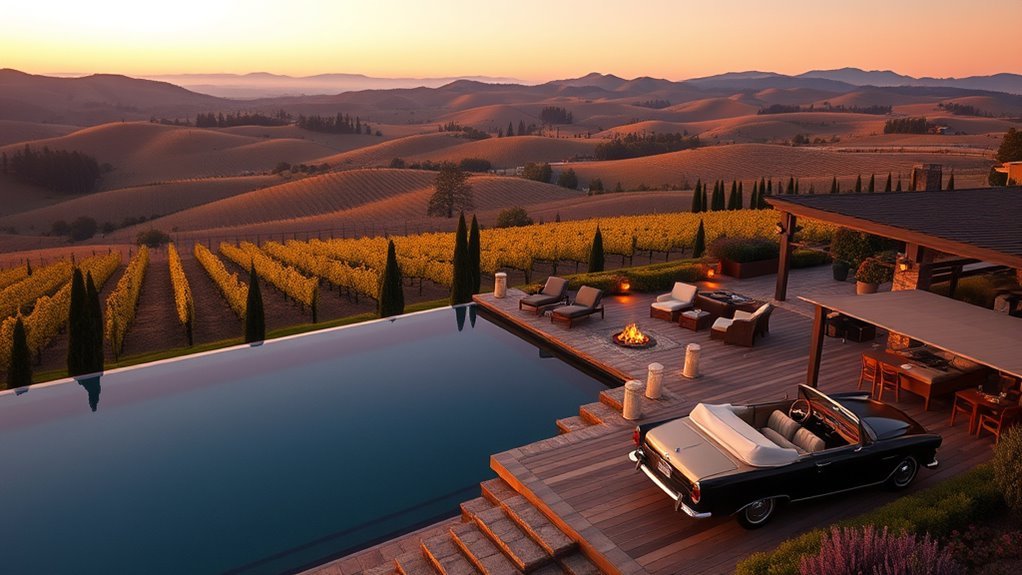
Sonoma County’s luxury stays range from mineral-spring resorts to vineyard properties and historic estates. Compare the setting as carefully as the room: some resorts are designed for spending most of the day on-site, while plaza hotels make it easier to walk to dinner and tasting rooms.
The best luxury stay is not automatically the most expensive one; it is the property whose location, spa access, dining, and transportation needs match the way you plan to spend each day.
- Fairmont Sonoma Mission Inn & Spa: A Sonoma Valley resort known for geothermal mineral pools and a large spa. Check which pools and facilities are included with your room or treatment because access rules can differ by package and age.
- Montage Healdsburg: A 258-acre resort near Healdsburg with vineyards, oak groves, pools, spa facilities, and on-site dining. It offers a secluded resort experience rather than a downtown stay.
- MacArthur Place Hotel & Spa: A historic Sonoma estate with gardens, a spa, and on-site dining, located within walking distance of Sonoma Plaza for many guests.
Also consider Kenwood Inn & Spa for an intimate Sonoma Valley setting and The Lodge at Sonoma for a full-service resort near the city of Sonoma. Always compare the final checkout price, including parking, resort charges, taxes, breakfast, and spa access rather than relying only on the advertised nightly rate.
Charming Boutique Inns and B&Bs
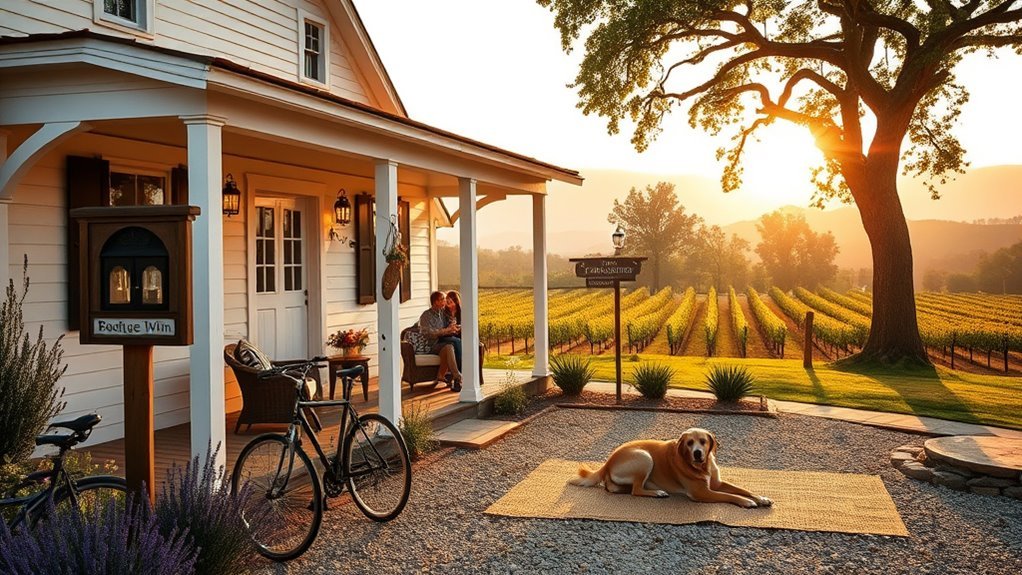
Boutique inns work best for travelers who value personal service, distinctive architecture, gardens, and a quieter atmosphere. They can have fewer rooms, stricter cancellation terms, minimum stays on busy weekends, and limited late-night staffing, so read the policies before booking.
Intimate Garden Properties
Garden-focused properties create a slower start and end to the day. MacArthur Place combines landscaped grounds with access to Sonoma Plaza. Farmhouse Inn in Forestville places guests closer to the Russian River Valley in a polished country setting. Glen Ellen options such as Olea Hotel and Gaige House provide a quieter Sonoma Valley base among oak-covered hills.
- Choose location first: A beautiful inn in Forestville is useful for Russian River plans but inconvenient for repeated evenings in Sonoma Plaza.
- Check room access: Historic properties may have stairs, detached buildings, gravel paths, or rooms spread across landscaped grounds.
- Confirm quiet-room needs: Ask about road, restaurant, pool, event, or courtyard noise before reserving.
Breakfast & Local Flavors
Breakfast service varies widely. A traditional B&B may include a set morning meal, while a boutique hotel may offer a restaurant, café credit, continental spread, or breakfast for purchase. Bella Luna Inn in Healdsburg is a small, centrally located lodging option, while MacArthur Place serves breakfast at its on-site restaurant. Farmhouse Inn and other high-end inns may build food into the guest experience, but menus and inclusions change seasonally.
Before booking, ask whether breakfast is included, when it is served, whether early departures can be accommodated, and how dietary needs are handled. This matters on tasting days because many winery areas have limited food immediately nearby.
Budget-Friendly Stays and Family Options
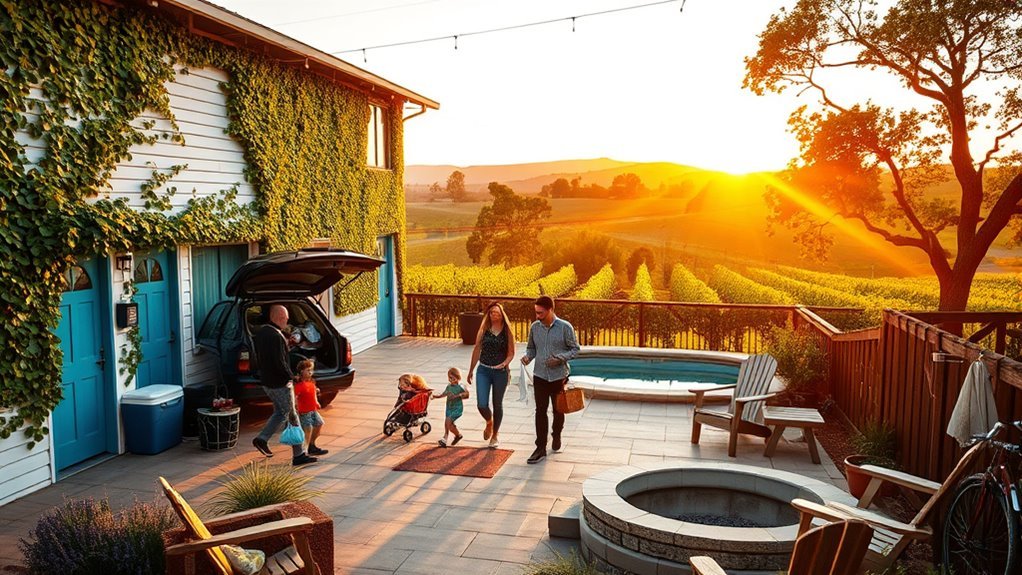
Sonoma County is rarely cheap during harvest weekends, festivals, or holidays, but you can control costs by widening your search beyond the most famous resort towns. Santa Rosa, Petaluma, Rohnert Park, and properties outside central Healdsburg often provide more room types and practical amenities.
The former Best Western Sonoma Valley Inn now operates as Sonoma Valley Inn, Tapestry Collection by Hilton, with a pool and free Wi-Fi listed among its amenities. El Dorado Hotel sits on Sonoma Plaza and has a seasonal solar-heated saltwater pool. Hotel Trio Healdsburg offers suites with full kitchens, which can help families prepare simple meals and store snacks.
- Compare total cost: Add parking, resort fees, breakfast, pet fees, and cancellation terms to the room rate.
- Search midweek: Sunday-through-Thursday stays often have better availability than Friday and Saturday nights.
- Use a kitchen strategically: A higher room rate can still save money for families if it reduces restaurant meals.
- Check pool season and rules: Outdoor pools may be seasonal, and some spa or quiet properties have age restrictions.
Pro Tip: Price the trip by itinerary, not just by room. A central hotel may cost more per night but save on paid drivers, parking, and long round trips. A suburban hotel may offer better value when your plans already require a car.
Where to Stay for Serious Wine Tasting
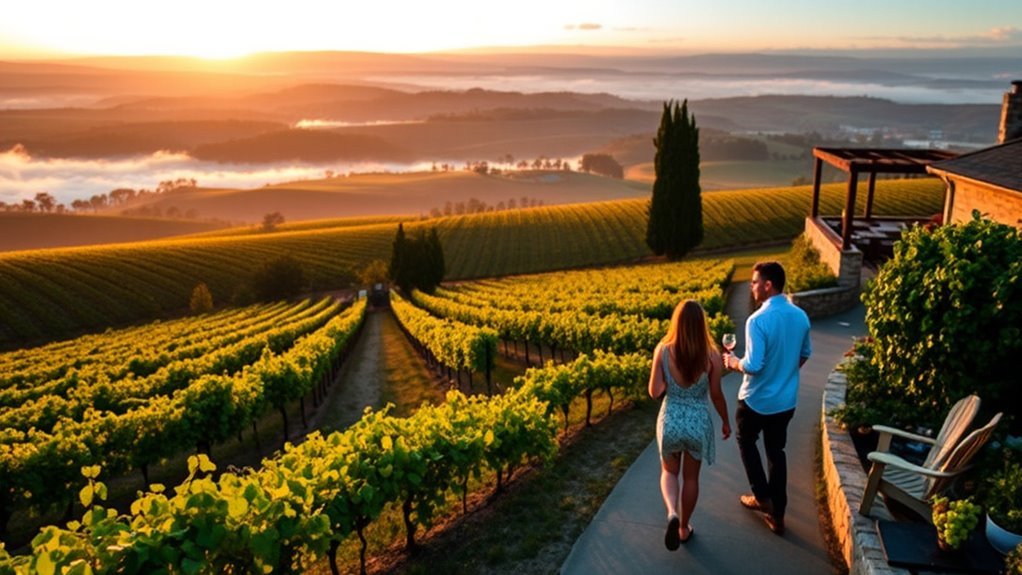
Healdsburg is the most convenient base for a trip centered on Russian River Valley, Dry Creek Valley, and Alexander Valley. Downtown hotels put tasting rooms and restaurants within walking distance, while resorts and inns outside the center trade walkability for vineyard views and more space.
J Vineyards & Winery is just south of Healdsburg and fits a northern Sonoma itinerary. Gloria Ferrer, however, is in Carneros near the city of Sonoma, not near Healdsburg, so it belongs on a Sonoma Valley or Carneros day. Group wineries by geography instead of trying to cross the county between appointments.
Reserve structured tastings, food pairings, large-group visits, and popular estates in advance. Some wineries welcome walk-ins, but policies, hours, group limits, and tasting formats change. Two or three scheduled tastings in one day is usually more comfortable than packing the calendar, especially when meals and driving are included.
Warning: Do not drive after drinking. Choose a designated driver, book a licensed car service or tour, or limit the day to walkable downtown tasting rooms. Public transit does not provide dependable door-to-door access to most rural wineries.
A practical wine itinerary might focus on Russian River Valley one day, Dry Creek Valley another, and Alexander Valley on a third. Sonoma Plaza, Sonoma Valley, and Carneros work better as a separate southern-county stay or day trip.
Peaceful Retreats in Glen Ellen and Kenwood
Glen Ellen and Kenwood suit travelers who prefer quiet evenings, vineyard scenery, and smaller inns. Lodging such as Jack London Lodge, Olea Hotel, Gaige House, and Kenwood Inn & Spa places you near Sonoma Valley wineries without the busier feel of Sonoma Plaza or downtown Healdsburg.
Glen Ellen also provides access to Jack London State Historic Park, while Kenwood has tasting rooms and wineries along the Highway 12 corridor. VJB Cellars is in Kenwood. Donum Estate is not in Glen Ellen or Kenwood; it is in the Carneros region near Sonoma and is better grouped with a southern Sonoma County itinerary.
- Expect slower evenings: Reserve dinner because restaurant choices and operating hours are more limited than in larger towns.
- Plan transportation: Inns, wineries, parks, and restaurants may not be safely walkable from one another.
- Protect quiet time: Choose these towns when an early night, spa appointment, or morning hike matters more than nightlife.
Coastal and Nature Lodges for Outdoor Lovers
Sonoma County’s western side feels very different from its vineyard valleys. Coastal and Russian River stays are ideal for hiking, beaches, redwoods, kayaking, wildlife watching, or simply slowing down. They are less practical for a dense winery schedule because Highway 1 and river roads are winding and travel can be slow.
Timber Cove Resort offers cliffside ocean views north of Jenner. The Sea Ranch Lodge sits on 53 coastal acres. Dawn Ranch is a 22-acre retreat along the Russian River in Guerneville with cabins, cottages, and other lodging styles. The Lodge at Bodega Bay offers coastal views and scheduled wellness and wine activities.
| Lodge | Setting | Best For |
|---|---|---|
| Timber Cove Resort | Cliffside Sonoma Coast | Ocean views, tidewatching, and quiet |
| The Sea Ranch Lodge | 53 coastal acres | Design, trails, and a remote coastal escape |
| Dawn Ranch | Russian River and redwoods | Cabins, river time, and Guerneville access |
| The Lodge at Bodega Bay | Bodega Bay bluff | Beach walks, spa time, and coastal activities |
Bring layers even in summer, download directions before remote drives, and check park, road, and weather conditions. Mobile service can be inconsistent on parts of the coast.
How to Choose the Right Town for Your Trip
Start with the activity that matters most, then choose the closest suitable town. Do not select a hotel only because it has “Sonoma” in the description.
- For a first trip: Choose Sonoma Plaza if you want history and an easy, walkable introduction, or Healdsburg if northern wineries are the priority.
- For wine depth: Pick Healdsburg for Russian River, Dry Creek, and Alexander Valley; pick Sonoma or Glen Ellen for Sonoma Valley and Carneros access.
- For quiet: Choose Glen Ellen, Kenwood, Forestville, Guerneville, or the coast, then accept fewer late-night options and more driving.
- For families or mixed interests: Santa Rosa and Petaluma provide broader dining, shopping, room configurations, and non-wine activities.
- For nightlife and dining on foot: Downtown Healdsburg, Sonoma Plaza, central Petaluma, or downtown Santa Rosa are more practical than rural resorts.
- For value: Compare Santa Rosa, Petaluma, Rohnert Park, and extended-stay properties, but calculate transportation costs before deciding.
Choose Sonoma Plaza or Healdsburg for walkable town centers, Glen Ellen or Kenwood for a quiet vineyard retreat, Santa Rosa or Petaluma for flexibility, and the Russian River or coast for nature.
Booking Checklist Before You Reserve
- Map your top three activities and check realistic routes at the same time of day you expect to travel.
- Confirm the full price, including taxes, destination or resort fees, parking, breakfast, pet charges, and deposits.
- Read cancellation terms, especially for harvest weekends, holidays, prepaid rates, and small inns.
- Verify current amenities such as pool season, spa access, restaurant days, shuttle service, EV charging, and air conditioning.
- Ask about accessibility details rather than relying on the word “accessible.” Confirm the route from parking to the room, bed clearance, bathroom layout, roll-in shower, visual alarms, and elevator access as needed.
- Check age and pet policies because some inns, pools, spas, and tasting experiences have restrictions.
- Reserve transportation before booking nonrefundable tasting appointments if everyone in the group plans to drink.
Transportation and Getting Around Sonoma
A rental car gives you the most flexibility for rural wineries, parks, redwoods, and the coast. However, it should not be your tasting-day plan unless someone remains sober. Licensed drivers, private tours, taxis, and ride-hailing services are alternatives, but availability can be limited in remote areas and late at night.
Sonoma County Transit serves communities including Sonoma, Glen Ellen, Kenwood, Santa Rosa, Petaluma, and Healdsburg. It can help with town-to-town travel, but schedules and stop locations generally do not match a multi-winery itinerary. SMART rail serves Petaluma, Rohnert Park, Santa Rosa, and points south, but it does not currently take visitors directly to Sonoma Plaza or rural wineries.
Downtown Sonoma and Healdsburg are walkable once you arrive. Cycling can work for experienced riders on selected routes, but narrow shoulders, traffic, heat, hills, and alcohol make casual winery-to-winery riding a poor default plan.
Charles M. Schulz–Sonoma County Airport (STS) in Santa Rosa is the closest commercial airport for much of the county. San Francisco and Oakland airports offer more flight options but require a longer ground trip. Reserve late-night airport transportation in advance rather than assuming a ride will be immediately available.
Seasonal Tips and When to Visit
Sonoma County is a year-round destination, but room rates, traffic, weather, and reservation pressure change by season. Fall brings harvest activity and strong demand. Winter is greener and usually quieter. Spring brings vineyard growth and wildflowers. Summer offers long days, with hot inland afternoons and much cooler conditions near the coast.
Peak Harvest Season
Grape harvest generally runs from late summer into fall, with timing varying by grape, vineyard, and weather. It is an exciting period for winery events and vineyard activity, but it is also one of the hardest times to find last-minute rooms and dinner reservations.
- Book early: Reserve lodging, tastings, transportation, and key dinners before the trip.
- Stay in one region: Harvest traffic and scheduled appointments make cross-county days harder.
- Respect working vineyards: Do not enter rows, touch equipment, or approach crews unless your host has invited you.
Harvest experiences are organized tours or events, not open permission to pick grapes. Ask the winery what is included before arriving.
Off-Peak Savings
Winter and early spring often bring better availability, greener landscapes, and less crowded tasting rooms. Rain, fog, shorter daylight, and reduced weekday hours are the trade-offs. Mustard blooms are most associated with late winter, while spring runs from March through May and brings bud break and new growth.
Shoulder-season and midweek stays can offer better room choices, but discounts are not guaranteed. Compare flexible rates because winter storms or road issues can affect outdoor and coastal plans.
Weather & Packing
Sonoma County has strong microclimates. Inland valleys can be hot by afternoon and cool quickly after sunset, while the coast may remain windy, damp, and much cooler. Pack light layers, a warmer jacket, comfortable walking shoes, sun protection, and rain gear in the wetter months.
Fall can overlap with heat, smoke, or wildfire conditions. Before and during the trip, check official weather, road, air-quality, and emergency information. Visitors can review the county’s SoCoAlert system and follow any evacuation warning or closure immediately.
Dungeness crab is associated with the cooler season along the coast, but openings and local availability can change with regulations, marine conditions, and safety decisions. Check current menus and official fishery updates rather than planning a trip around a fixed start date.
Frequently Asked Questions
What is the best area to stay in Sonoma for a first visit?
The Sonoma Plaza area is the easiest first-time base when you want historic sights, restaurants, shops, and tasting rooms within a compact center. Choose Healdsburg instead when Russian River Valley, Dry Creek Valley, and Alexander Valley wineries are the main purpose of the trip.
Do I need a car in Sonoma County?
A car is useful for rural wineries, parks, the Russian River, and the coast. You can stay without one in downtown Sonoma or Healdsburg if you focus on the town center and arrange rides for outside trips. Use a designated driver or paid transportation on tasting days.
Are there pet-friendly wineries that welcome dogs?
Yes, some Sonoma County wineries allow leashed dogs in designated outdoor areas, but policies vary by property, experience, weather, and food service. Confirm directly before booking. Pet rules do not limit the rights of trained service animals under applicable law.
Can I smoke cannabis at a hotel or in public areas?
Do not assume you can. California states that most hotels do not allow cannabis use in guest rooms, and public consumption is restricted. Ask the hotel about its property policy. Cannabis remains illegal on federal land and cannot be taken across state lines.
What are typical tipping practices for tasting-room staff?
There is no official countywide tipping rule. A modest tip is appreciated for attentive standard service, while restaurant-style tipping is more common for seated tastings, food pairings, private hosts, or lengthy educational experiences. Check the bill first because some experiences include a service charge.
Can a hotel concierge arrange a private chef?
Some full-service hotels, luxury inns, vacation-rental managers, and local event companies can refer or arrange private chefs. Availability depends on the property, kitchen, group size, date, budget, and local rules. Ask before booking the room if an in-room dinner is essential.
Do Sonoma hotels offer accessible rooms with roll-in showers?
Many hotels list accessible rooms, and some have roll-in showers, but features differ. The ADA requires lodging reservation systems to describe accessible features in enough detail for guests to assess suitability. Reserve the specific room type directly and confirm the bathroom, route, bed clearance, alarms, and other features you need.
Conclusion
The best place to stay in Sonoma depends on the trip you are actually planning. Choose Sonoma Plaza for a walkable first visit, Healdsburg for northern wine valleys, Glen Ellen or Kenwood for quiet Sonoma Valley days, Santa Rosa or Petaluma for flexibility, and the Russian River or coast for nature. Map your priorities, compare the full room cost, reserve tasting-day transportation, and verify current hotel policies before paying a nonrefundable rate.
Sources
- Sonoma County Tourism: Lodging — current lodging areas and property listings across Sonoma County.
- Sonoma County Tourism: Sonoma Plaza Wine Tasting Guide — Sonoma Plaza size, walkability, and tasting-room context.
- Sonoma County Transit — current county bus routes, schedules, fares, and trip-planning information.
- California Department of Cannabis Control: What’s Legal — hotel, public-use, federal-land, and interstate cannabis restrictions.
- U.S. Department of Justice: ADA Title III Regulations — hotel reservation and accessible-room information requirements.
- Sonoma County Tourism: Seasons of Sonoma County — harvest, winter, spring, and summer planning context.
