
Last Updated on September 11, 2026 by Logan Reeves
When you head into the backcountry, access to clean water is non-negotiable for safety and comfort. Filters, UV purifiers, and chemical treatments solve different problems, so the best choice depends on the germs you need protection from, how clear the water is, how quickly you need to drink, and whether you can rely on batteries or consumable treatment.
Quick Answer
For most backcountry trips, a filter is the simplest everyday choice for bacteria and parasites, while a UV purifier adds virus protection when used correctly in clear water. Chemical treatment is light and useful as a backup, but you must follow the exact product label. When water quality is uncertain, combining filtration with disinfection provides broader protection.
Key Takeaways
- LifeStraw Personal filters bacteria, parasites, microplastics, dirt, sand, and cloudiness, but it is not a virus purifier.
- SteriPEN Adventurer Opti uses UV light against bacteria, protozoa, and viruses, but the water needs to be clear and the device needs working batteries.
- Aquamira Water Treatment Drops are a two-part chlorine-dioxide treatment with label-specific directions; do not assume they have the same claims or contact times as chlorine-dioxide tablets.
- No method here should be assumed to make water contaminated with harmful chemicals, toxins, fuel, mine runoff, or radioactive material safe.
- Carry a backup method so a clogged filter, dead battery, spill, or equipment failure does not leave you without a treatment option.
Affiliate disclosure: This roundup contains affiliate links. If you make a qualifying purchase through one of these links, we may earn a referral commission at no extra cost to you.
Top Picks
|
Category |
Product |
Main Trade-Off |
|---|---|---|
|
🏆 Best For Simplicity |
Instant direct-sip filtration, but no virus protection |
|
|
🎯 Best UV Purifier |
Broad microbial treatment in clear water, but battery dependent |
|
|
💰 Best Chemical Backup |
Very compact, but requires mixing, waiting, and strict label use |
Warning: If a source may contain fuel, pesticides, industrial pollution, mining runoff, toxic algae, radioactive material, or another harmful chemical contaminant, do not depend on a backpacking filter, UV pen, chemical disinfectant, or boiling to make it safe. Choose another water source.
Selection Criteria
You should focus on the factors that matter in the field: pathogen coverage, weight and packability, treatment time, source-water clarity, power requirements, container compatibility, cold-weather reliability, and how easy the method is to use correctly when you are tired or in poor weather. Capacity and service life also affect long-term cost, but safety claims should always come from the exact product documentation rather than from assumptions about the treatment category.
The CDC’s backcountry water-treatment guidance says boiling is the most reliable way to kill germs. When boiling is not practical, filtering and then disinfecting provides broader protection when water quality is uncertain.
Which Water Treatment Method Protects Against What?
|
Method |
Main Strength |
Main Limitation |
Best Fit |
|---|---|---|---|
|
LifeStraw Personal membrane filter |
Filters bacteria, parasites, microplastics, dirt, sand, and cloudiness |
Does not provide virus filtration |
Backcountry sources where bacteria and protozoa are the primary biological concern |
|
SteriPEN Adventurer Opti UV |
Manufacturer specifies treatment against bacteria, protozoa, and viruses |
Requires clear water, batteries, and successful UV exposure |
Clear water when you want fast treatment without changing flavor |
|
Aquamira Water Treatment Drops |
Compact two-part chlorine-dioxide treatment with a four-year product shelf life |
Requires correct mixing and contact time and does not physically remove sediment |
Backup treatment and label-approved water-treatment uses |
|
Boiling |
Kills bacteria, viruses, and parasites when done correctly |
Requires fuel or power and does not solve harmful chemical contamination |
Reliable microbial treatment when you can heat water |
Filters, Purifiers, Tablets, and Drops Are Not the Same
A filter physically removes contaminants that are larger than its pores. The LifeStraw Personal uses a 0.2-micron membrane, which is small enough for its specified bacteria and parasite claims but not for viruses. A purifier is designed to address viruses as well as larger microbial threats; SteriPEN does this by exposing clear water to UV light rather than physically filtering it.
Chemical products need even more care with terminology. Aquamira Water Treatment Drops are a liquid, two-part chlorine-dioxide product. They are not chlorine-dioxide tablets. Different chemical products can have different EPA registrations, pathogen claims, mixing instructions, doses, and contact times, so never copy the directions from one product to another.
Note: “Chlorine dioxide” describes an active chemistry, not a universal set of instructions. Follow the label on the exact drops or tablets you are carrying.
LifeStraw 5-Pack

If you want a fuss-free way to drink directly from many backcountry sources, this five-pack of LifeStraw Personal filters is easy to understand and requires no batteries. According to LifeStraw’s current Personal Straw specifications, each filter uses a 0.2-micron membrane, weighs about 1.6 ounces, and is rated for up to 1,000 gallons or 4,000 liters under recommended use and maintenance.
The filter is specified to remove bacteria, parasites, microplastics, dirt, sand, and cloudiness. The important limitation is viruses: this Personal model is a filter, not a virus purifier. That distinction matters more for some international-travel situations and other locations where viral contamination may be a concern.
The five-pack makes sense for a family, group, emergency kit, or anyone who wants several independent backups. Because it is primarily a direct-sip format, it is less convenient than a pump, squeeze, or gravity system when you need to process several liters for cooking or a group camp.
What People Say
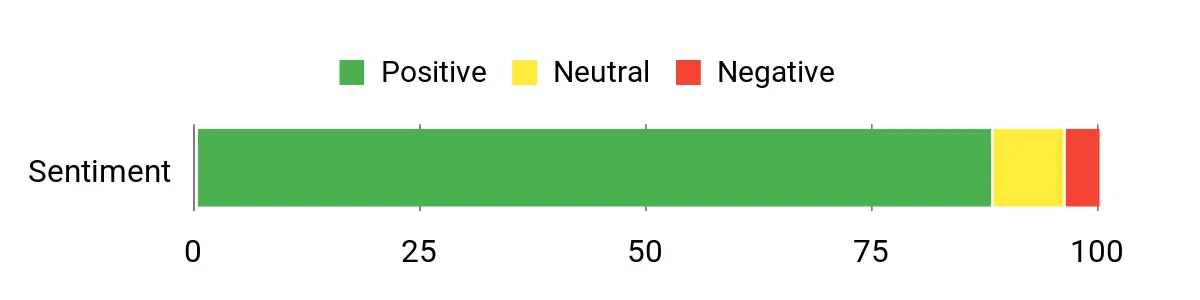
The review snapshot used for this roundup shows a strongly positive response to the LifeStraw’s portability and straightforward operation. Simplicity is its biggest appeal: there is no charging routine, pump mechanism, or chemical mixing step before you start drinking.
The most important buying consideration is not taste or convenience but coverage. A Personal Straw should not be mistaken for a virus purifier or for a complete solution to chemically contaminated water.
Overall Sentiment: Positive
|
Pros |
Cons |
|---|---|
|
✅ Extremely lightweight and compact for packability |
❌ Does not provide virus filtration |
|
✅ No batteries or chemical dosing required |
❌ Direct-sip design is less convenient for processing group water |
|
✅ Specified for bacteria, parasites, and microplastics |
❌ Heavy sediment can reduce flow and increase cleaning needs |
|
✅ Five independent filters provide useful redundancy |
When It Helps
|
Situation |
How It Helps |
|---|---|
|
Day Hikes |
You can drink directly from a suitable source instead of carrying every liter from the trailhead. |
|
Multi-Day Backpacking |
Each filter has a long rated service life, and the five-pack gives a group independent backups if one filter is lost or damaged. |
|
International Travel |
It can add bacteria-and-parasite filtration where appropriate, but do not rely on this model alone when viruses are a meaningful waterborne risk. |
|
Emergency Preparedness |
The original Personal Straw has no stated shelf-life limit before use, making unopened spares practical for emergency storage. |
Versatility
You can use the LifeStraw for solo trips, shared group gear, or as a lightweight backup. Its strengths are simplicity and bacteria/parasite filtration. Its limitations are just as important: it does not provide virus filtration, it is not intended as a broad chemical-removal system, and the direct-sip design is not ideal for every cooking or group-water task.
Key Benefits
- Very lightweight and portable
- No batteries or chemical mixing required
- 0.2-micron membrane microfilter
- Rated for up to 4,000 liters per filter
- Five filters provide useful group redundancy
Customer-rating note: Marketplace ratings and review totals change over time. Use the linked listing for the current rating, review count, availability, and price.
SteriPEN Adventurer

The SteriPEN Adventurer Opti is a battery-powered UV purifier for clear water. According to Katadyn’s current specifications, it treats 0.5 liter in 48 seconds or 1 liter in 90 seconds and is specified against bacteria, protozoa, and viruses.
Its optical water sensor helps confirm that the lamp is submerged correctly, and indicator lights report whether a treatment cycle succeeds. The UV lamp is rated for 8,000 activations, while a set of two CR123 batteries is rated for approximately 50 one-liter treatments.
The biggest limitation is water clarity. UV does not physically remove silt, sediment, or chemicals, and particles can shield microorganisms from UV exposure. If collected water is cloudy, prefilter it until it is clear before using the device.
What People Say
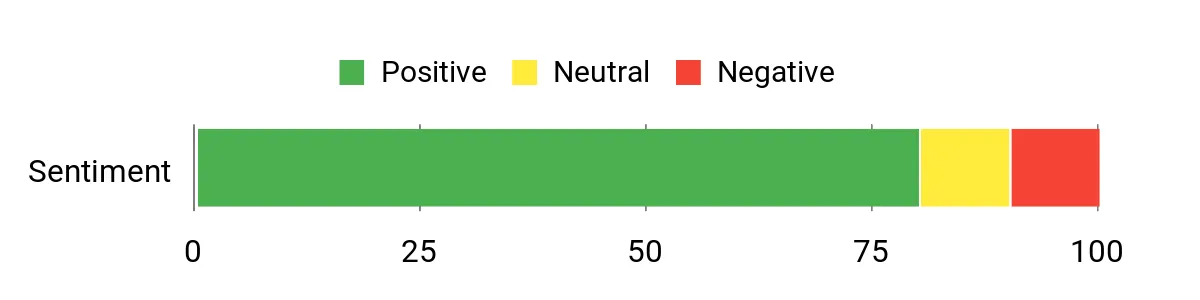
The review snapshot used for this roundup shows users valuing fast treatment, compact size, and the lack of a chemical taste. These strengths are most noticeable when the source water is already clear and you are treating one bottle at a time.
The trade-off is dependence on electronics. You need suitable batteries, a compatible bottle opening, a functioning lamp, and a successful treatment indicator before drinking.
Overall Sentiment: Positive
|
Pros |
Cons |
|---|---|
|
✅ Treats 1 liter in about 90 seconds |
❌ Requires CR123 batteries and a compatible container |
|
✅ Manufacturer specifies bacteria, protozoa, and virus treatment |
❌ Requires clear water for reliable UV exposure |
|
✅ Does not add a chemical taste |
❌ Does not physically remove sediment or dissolved chemicals |
|
✅ No hollow-fiber membrane that must remain protected after use |
❌ Electronic or battery failure can leave you without treatment |
When It Helps
|
Situation |
How It Helps |
|---|---|
|
Travel |
For clear water, UV adds treatment against viruses as well as bacteria and protozoa without changing flavor. |
|
High-Altitude Trekking |
You avoid carrying a wet hollow-fiber membrane, although you still need dependable batteries and clear source water. |
|
Backpacking |
One-liter treatment takes about 90 seconds, which is convenient for individual bottle refills. |
|
Emergency Use |
It provides a compact non-chemical treatment option as long as you also store working batteries and have a way to clarify turbid water. |
Versatility
The SteriPEN works best as a primary purifier when your source water is already clear. It can also complement a physical prefilter. Its manufacturer lists an environmental operating specification down to 0°F (-18°C), but cold-weather users still need to manage battery reliability and confirm a successful cycle before drinking.
Key Benefits
- 48-second treatment for 0.5 liter or 90 seconds for 1 liter
- Specified against bacteria, protozoa, and viruses
- Compact and lightweight
- Optical water sensor and treatment-status indicators
- UV lamp rated for 8,000 activations
Customer-rating note: Marketplace ratings and review totals change over time. Check the linked listing for current feedback, availability, and price.
Aquamira Drops

Aquamira Water Treatment Drops are a compact, two-part chlorine-dioxide treatment. The current Aquamira 1 oz product page states that the kit treats up to 30 gallons, has a four-year shelf life from the manufacturing date, and carries EPA Registration No. 71766-1.
Unlike a physical filter, the drops do not remove sediment. The EPA-approved Aquamira Water Treatment label directs users to mix equal parts of Part A and the phosphoric-acid activator, allow five minutes for activation, add the mixture to the specified amount of water, and then wait 15 additional minutes. For very cold or turbid water, the label specifies a 30-minute wait.
Do not extend claims from other chlorine-dioxide tablets or disinfectants to these drops. Use Aquamira according to the exact bottle and package directions you receive, including dose, activation time, contact time, storage instructions, and expiry date.
Warning: The EPA label describes the concentrate as a strong oxidizing agent and warns that it can irritate eyes and be harmful if swallowed or absorbed through skin. Keep the unmixed concentrate away from children, eyes, skin, food, and other chemicals, and follow the label exactly.
What People Say
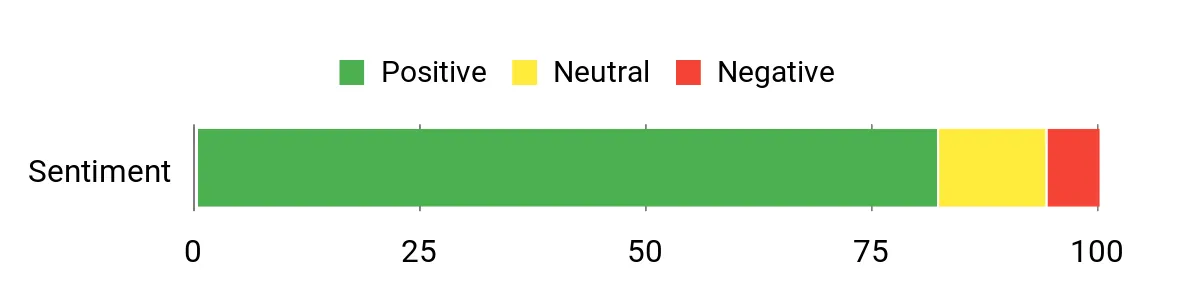
The review snapshot used for this roundup reflects strong interest in the drops’ compact size, simple storage, and lack of the strong taste associated with some older chemical-treatment methods. They are particularly attractive as a backup because there is no pump, filter cartridge, or battery to carry.
The trade-offs are the mixing process, waiting period, and inability to remove visible sediment. Leaking or improperly stored concentrate can also create a mess, so protect the bottles inside a sealed secondary bag.
Overall Sentiment: Positive
|
Pros |
Cons |
|---|---|
|
✅ Minimal weight and pack space |
❌ Does not physically remove sediment |
|
✅ Four-year treatment shelf life from manufacture |
❌ Requires accurate mixing and contact time |
|
✅ One 1 oz kit treats up to 30 gallons |
❌ Concentrate requires careful handling and storage |
|
✅ Useful as an emergency backup without batteries |
❌ Product-specific label claims must not be confused with other chlorine-dioxide products |
When It Helps
|
Situation |
How It Helps |
|---|---|
|
Day Hikes |
The small bottles take little pack space and can provide a backup if your primary treatment system fails. |
|
Thru-Hiking |
The low carried weight is useful when every ounce matters, provided you plan around mixing and contact time. |
|
Travel |
The kit is compact, but use it only according to its label and do not assume it substitutes for a purifier with broader documented pathogen claims. |
|
Emergency Kits |
A four-year treatment shelf life and lack of battery dependence make it useful as part of a layered emergency-water plan. |
Versatility
Aquamira works best when you understand exactly what the label covers and build the rest of your water plan around it. For turbid water, physical prefiltration improves clarity and removes debris before chemical treatment. For risks outside the label’s claims, choose a treatment method specifically documented for those hazards rather than assuming every chlorine-dioxide product performs identically.
Key Benefits
- Extremely lightweight and packable
- No batteries required
- Two-part chlorine-dioxide treatment
- Up to 30 gallons per 1 oz kit
- Four-year treatment shelf life from manufacture
Customer-rating note: Marketplace ratings and review totals change. Use the linked listing for current feedback, price, and availability.
Cold Weather, Cloudy Water, and Backup Planning
Your treatment choice can change with conditions. A hollow-fiber filter is simple in warm weather, but once it has been used, you should follow the manufacturer’s cold-weather and storage instructions because freezing can damage some wetted membrane filters. UV avoids that particular membrane problem, but it needs clear water and functioning batteries. Chemical treatment avoids electronics but takes time and must be measured correctly.
Pro Tip: Carry two treatment methods that fail in different ways. A filter plus a small label-approved chemical backup is often more resilient than carrying two identical filters, while UV users should carry spare batteries and a way to prefilter cloudy water.
Source selection matters too. Whenever possible, collect the clearest available water away from obvious pollution, livestock concentration, wastewater, fuel spills, algae blooms, or industrial runoff. Clear-looking water can still contain disease-causing microorganisms, so appearance alone is never proof that untreated water is safe.
Frequently Asked Questions
Which Is Safer: Tablets Or Filters?
Neither category is automatically safer. A properly specified filter can physically remove bacteria and parasites but may not remove viruses. A chemical tablet may cover a different set of microorganisms and requires a specific dose and contact time. When source safety is uncertain, CDC guidance favors filtering and then disinfecting rather than assuming one portable method covers every germ.
Do Backpacking Water Filters Remove Viruses?
Many common hollow-fiber backpacking filters do not. The LifeStraw Personal reviewed here has a 0.2-micron membrane and is specified for bacteria and parasites, not viruses. If viruses are a concern, use a purifier or another treatment method specifically documented for virus protection.
Can I Use A UV Purifier In Cloudy Water?
Not reliably without clarifying the water first. Suspended particles can block UV light from reaching microorganisms. The SteriPEN Adventurer Opti is intended for clear water, so prefilter cloudy or sediment-heavy water before UV treatment and confirm that the device reports a successful cycle.
How Do I Use Aquamira Chemical Drops Safely?
Follow the product label exactly. The EPA-approved Aquamira Water Treatment label calls for equal parts of Part A and Part B, five minutes of activation, and then the labeled treatment dose. It specifies a further 15-minute wait, or 30 minutes when water is very cold or turbid. Keep the concentrate away from eyes, skin, children, and other chemicals.
Can Filters, UV, Or Chemical Drops Remove Harmful Chemicals?
Do not assume so. These methods are primarily chosen for microbiological water treatment, and their chemical-removal capabilities vary greatly by product. CDC advises using another source when water is contaminated with harmful chemicals, toxins, or radioactive material because boiling or ordinary disinfection cannot make that water safe.
What Should I Pack For Backpacking?
Match your treatment system to the route, source-water quality, temperature, trip length, and group size. A small filter works well for many ordinary backcountry trips. UV is useful when you want virus treatment and expect clear water. Chemical treatment can provide lightweight redundancy. Also carry the accessories your method depends on, such as spare batteries, a clean-water container, a prefilter, or enough treatment doses for delays and emergencies.
Customer Preferences
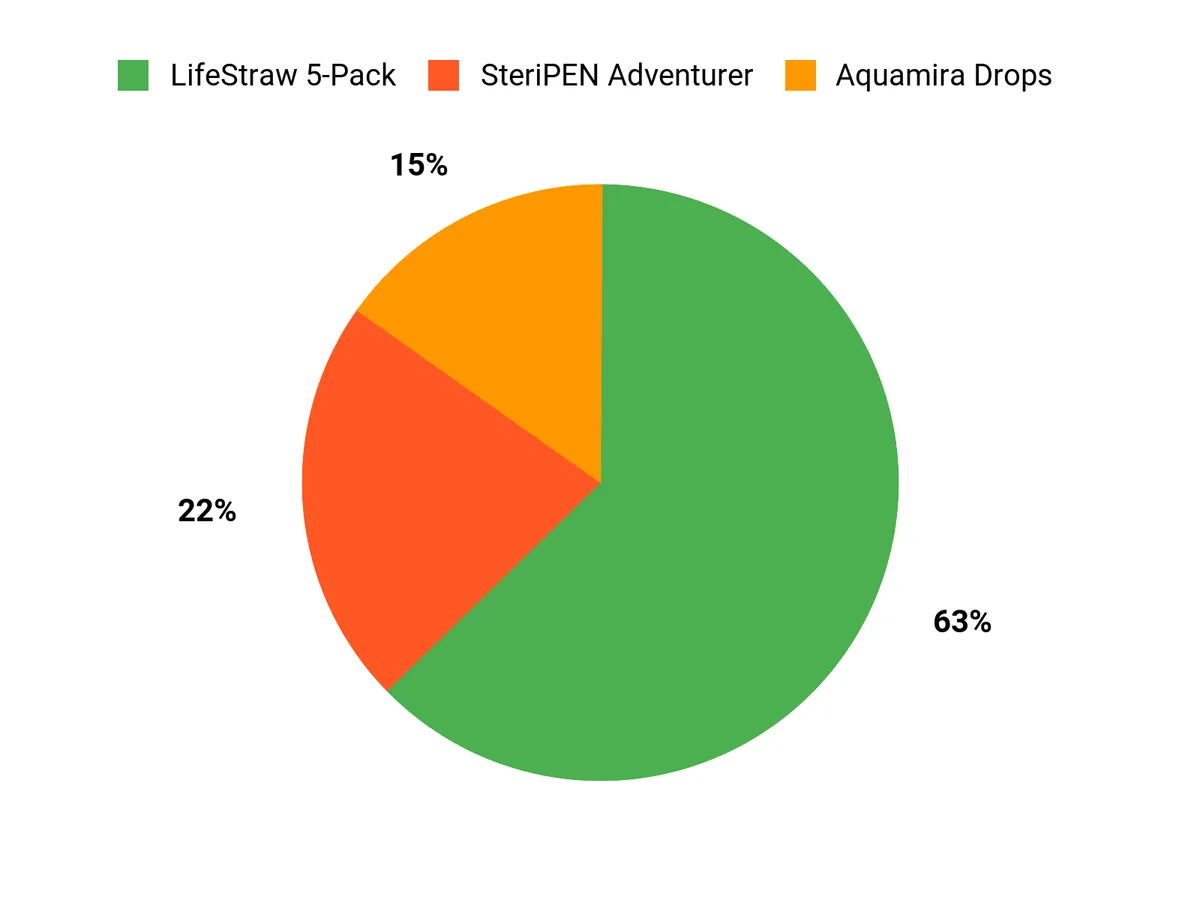
You typically weigh pack weight and ease of use against pathogen coverage, source-water clarity, waiting time, and equipment dependence. Choose the LifeStraw when simple bacteria-and-parasite filtration is your main need. Choose SteriPEN when the water is clear and you want documented bacteria, protozoa, and virus treatment. Choose Aquamira Drops when compact storage and backup redundancy matter and you are prepared to follow the product label precisely.
Wrapping Up
Your choice comes down to the microorganisms you need protection from, source-water clarity, speed, weight, weather, and how much equipment dependence you will accept. The LifeStraw 5-Pack is the simplest option here when bacteria-and-parasite filtration is enough. SteriPEN Adventurer Opti offers broader documented microbial treatment in clear water, including viruses, but relies on batteries and correct UV exposure. Aquamira Water Treatment Drops are the lightest backup-style option here, but they demand careful mixing, waiting, and strict label use.
For uncertain backcountry water, a layered approach is usually more resilient than trusting one device to solve every problem. CDC guidance identifies boiling as the most reliable way to kill germs and recommends filtration followed by disinfection when boiling is not practical and water safety is uncertain. Whatever method you carry, choose the cleanest available source, understand the limits of your equipment, and keep a backup.
| LifeStraw Personal Water Filter for Hiking, Camping, Travel, and Emergency Preparedness 5 Pack | SteriPen Adventurer Opti UV Personal Water Purifier for Camping, Backpacking, Emergency Preparedness and Travel | Aquamira Water Treatment Drops 1 Oz | |
|---|---|---|---|
|
|
|
|
|
| Customer Rating | Changes over time; check current listing | Changes over time; check current listing | Changes over time; check current listing |
| Purification Method | 0.2-micron hollow-fiber membrane filtration | Ultraviolet (UV-C) treatment | Two-part chlorine-dioxide water treatment |
| Rated Capacity / Life | Up to 4,000 liters per filter | 8,000 lamp activations; manufacturer states up to 8,000 liters | Up to 30 gallons (about 114 liters) per 1 oz kit |
| Microbial Coverage | Bacteria and parasites; not viruses | Bacteria, protozoa, and viruses in clear water | Use only for the claims and conditions stated on the Aquamira label |
| Power Source | No electricity or battery power required | 2 CR123 batteries | No battery required |
| Main Limitation | No virus filtration; direct-sip format | Requires clear water and working batteries | Requires mixing and contact time; does not remove sediment |
| Shop Now | Shop Now | Shop Now |
Sources
- Centers for Disease Control and Prevention — Water Treatment When Hiking, Camping, or Traveling — supports pathogen coverage, boiling, filtration, disinfection, UV, and chemical-contamination guidance.
- LifeStraw — Personal Water Filter Straw — supports membrane pore size, contaminant claims, weight, and rated service life.
- Katadyn — SteriPEN Adventurer Opti — supports UV treatment claims, treatment times, lamp life, battery type, and clear-water use.
- Aquamira — Water Treatment 1 oz — supports capacity, shelf life, registration number, and current product description.
- U.S. Environmental Protection Agency — Aquamira Water Treatment EPA Reg. No. 71766-1 Label — supports directions, contact times, precautions, and registered product language.
This Roundup is reader-supported. When you click through links we may earn a referral commission on qualifying purchases.
