
Last Updated on July 26, 2026 by Daniel Globe
The Gotham Hotel—an iconic Beaux-Arts masterpiece nestled in the heart of Midtown Manhattan—has a history far more fascinating than standard New York City lore. Long before it transformed into the modern luxury standard known today as The Peninsula New York, The Gotham was conceived during the height of the Gilded Age. Built to rival the St. Regis across the street, the hotel reflects the immense ambition, wealth, and architectural innovation of early 20th-century New York.
Quick Answer
The Gotham Hotel opened in October 1905 at the corner of Fifth Avenue and 55th Street in New York City. Designed by the architectural firm Hiss and Weekes in the classic Beaux-Arts style, it was one of the city’s first luxury skyscraper hotels. Today, the beautifully preserved historic building operates as The Peninsula New York.
Key Takeaways
- 1905 Origins: The Gotham opened as a pioneering luxury skyscraper, heavily influenced by grand Beaux-Arts design.
- Early Struggles: The hotel infamously went bankrupt shortly after opening because it was denied a liquor license due to its proximity to a church.
- Enduring Legacy: Despite early financial hurdles, it survived the Great Depression and hosted numerous cultural icons throughout the 20th century.
- Modern Rebirth: In 1988, the building was purchased and meticulously restored, becoming The Peninsula New York.
Disclosure: As an Amazon Associate I earn from qualifying purchases. Some links on this page are affiliate links, at no extra cost to you.
Architectural Influences and Design Inspiration
The architectural design of the Gotham Hotel is a stunning testament to the Beaux-Arts aesthetics that dominated New York’s high society during its construction. Designed by the prominent architectural firm Hiss and Weekes, the 21-story structure was an engineering marvel of its time, seamlessly blending the proportions of a classical column—base, shaft, and capital—into a modern steel-framed skyscraper.
The exterior façade features intricate limestone and brick detailing, crowned with ornate copper cornices that reflect the unbridled opulence of 1905 New York. Inside, the design was equally lavish. The original lobby was adorned with grand marble staircases, crystal chandeliers, and plush furnishings that transported visitors to European palaces. The influence of classicism is evident in every corner, ensuring that the building remains a protected and celebrated piece of New York’s architectural heritage.
Historical Significance of Gotham Hotel in the City
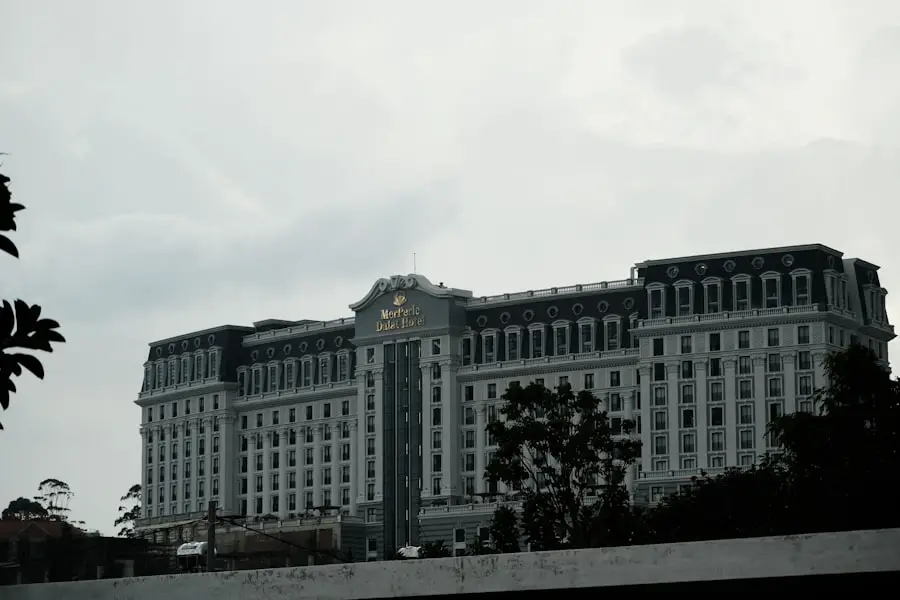
The Gotham Hotel’s historical significance lies not just in its architectural beauty, but in its dramatic early years. Right out of the gate, the hotel faced a massive crisis: it was situated directly across 55th Street from the Fifth Avenue Presbyterian Church. Under the liquor laws of the time, alcohol could not be sold within 200 feet of a church. Unable to secure a liquor license, the hotel could not compete with the St. Regis, leading to a spectacular bankruptcy in 1908, just three years after opening.
Pro Tip: When visiting the building today (now The Peninsula), look across 55th Street. The Fifth Avenue Presbyterian Church still stands there, a quiet reminder of the 1905 rivalry and the liquor laws that almost doomed the hotel.
Despite this rocky start, the Gotham weathered the storm. It was eventually reorganized, and as Prohibition laws shifted and the city evolved, it became a beloved hub for socialites and travelers. It weathered the Great Depression, World War II, and numerous economic fluctuations, standing as a symbol of endurance on Fifth Avenue.
Notable Figures Who Have Stayed at the Hotel
Throughout its storied history, the establishment has welcomed an array of notable figures. Because of its discreet service and opulent surroundings, it became a prime location for entertainers, politicians, and royalty.
| Name | Occupation | Notable Connection |
|---|---|---|
| John F. Kennedy | 35th U.S. President | Frequented top Fifth Avenue hotels for high-stakes political meetings during the mid-20th century. |
| Frank Sinatra | Singer and Actor | Embodied the glamour of the Rat Pack era, frequently dining and staying in Midtown luxury suites. |
| Princess Diana | Princess of Wales | Known to favor discreet, high-end luxury accommodations during her humanitarian trips to New York. |
| Michael Jackson | Entertainer | A frequent guest of New York’s finest historic hotels during his massive world tours. |
The presence of Hollywood luminaries and international diplomats added an air of glamour to the hotel, cementing its reputation as a place where significant decisions were made and alliances forged behind closed doors.
The Evolution Through the Years: Becoming The Peninsula
As travel became more accessible to the masses in the mid-20th century, the hotel adapted to changing hospitality standards. By the late 1970s and 1980s, the building went through several transitions, briefly operating as the Hotel Maxim’s de Paris.
The most significant evolution occurred in 1988, when the property was acquired by The Peninsula Hotels group. The company undertook a massive, multi-million-dollar renovation to restore the building’s Beaux-Arts glory while updating it with world-class modern amenities. Today, as The Peninsula New York, the establishment balances its historic 1905 identity with modern sustainability initiatives, energy-efficient systems, and forward-thinking luxury.
Intriguing Stories and Legends Surrounding The Gotham
The allure of the Gotham Hotel is heightened by the myriad stories that emerged during its century-long history. Because of the early liquor license ban, the hotel’s relationship with alcohol was complicated from day one. When Prohibition hit in the 1920s, local lore suggests the hotel—like many of its high-society neighbors—harbored clandestine drinking spaces where patrons could indulge in forbidden libations and live jazz.
Additionally, historic hotels in New York always carry whispers of ghosts. Staff and guests over the decades have occasionally shared tales of encountering figures dressed in Gilded Age and vintage clothing near the grand staircases. Whether rooted in reality or mere folklore, these tales contribute to the building’s rich, mysterious tapestry.
“The Gotham was born out of intense rivalry and immense ambition. It survived bankruptcy, Prohibition, and changing centuries to remain one of Fifth Avenue’s most majestic structures.”
The Role of the Hotel in Shaping the City’s Culture
The building has played an instrumental role in the cultural landscape of Midtown Manhattan. As a gathering place for the elite, it served as a backdrop for the rapidly changing social dynamics of the 20th century. During the 1950s and 60s, its lounges hosted impromptu performances, literary meetings, and high-society galas.
Its prime location on Fifth Avenue meant that it was a front-row seat to countless parades, protests, and celebrations. The hotel has witnessed everything from the end of World War II to modern cultural movements, remaining a steadfast anchor in a city defined by constant change.
Uncovering Hidden Gems and Treasures
Beyond its grand limestone façade lies a treasure trove of hidden gems. One of the standout features of the modern building is its stunning rooftop terrace (now famous as the Salon de Ning at The Peninsula). It offers breathtaking views of the Fifth Avenue skyline that are often overlooked by visitors rushing through the busy streets below.
Another hidden treasure is the building’s preserved interior detailing. Careful visitors will spot original 1905 architectural flourishes, from intricately carved moldings to classic brass fixtures, which were painstakingly restored to ensure the hotel’s legacy was not lost to modernization.
Impact on the Hospitality Industry
The Gotham Hotel set high standards for luxury accommodations at the turn of the century, introducing en-suite bathrooms and in-room telephones—cutting-edge technology for 1905. By forcing its rivals to elevate their own offerings, it helped establish New York City as the global capital of luxury hospitality.
Note: Today, operating as The Peninsula, the hotel continues this legacy by pioneering personalized concierge services, mobile technology integrations, and high-end spa experiences, proving that historic bones can house the future of hospitality.
Preservation Efforts and Future Plans
Recognizing its historical significance, the building was properly protected to prevent demolition. Collaborations between owners and historical preservationists have ensured that the exterior remains virtually unchanged since Hiss and Weekes designed it.
Future plans for the establishment continue to focus on marrying historic preservation with hyper-modern luxury. Through ongoing gentle renovations and community partnerships, the hotel remains a vibrant, active participant in New York’s luxury market rather than just a museum piece.
Exploring the Surrounding Neighborhood
Located at Fifth Avenue and 55th Street, the hotel sits at the epicenter of Manhattan’s luxury shopping and cultural district. Guests are steps away from iconic landmarks such as Central Park, the Museum of Modern Art (MoMA), and legendary retail flagships. The symbiotic relationship between the hotel and the neighborhood enriches the visitor experience, offering immediate access to the absolute best culinary and cultural gems the city has to offer.
Disclosure: This post contains affiliate links. If you make a purchase through these links, we may earn a small commission at no extra cost to you.
If you’re planning a trip to explore New York’s historic hotels, you may want to consider investing in the best solar charger for backpacking to ensure you stay powered up while navigating the city all day. Additionally, don’t forget to pack a pair of waterproof sneakers to stay comfortable walking the avenues. For added security in busy tourist areas, check out the best travel pants with hidden pockets to keep your belongings safe.
Conclusion
The Gotham Hotel stands as much more than just an elegant piece of real estate; it is a physical timeline of New York City itself. From its ambitious 1905 origins and early financial struggles to its spectacular rebirth as The Peninsula New York, the building embodies the resilience and grandeur of the city. Its Beaux-Arts architecture, star-studded guest list, and commitment to luxury ensure that its legacy will continue to enchant travelers for generations to come.
Frequently Asked Questions
What is the Gotham Hotel?
The Gotham Hotel was a historic luxury hotel opened in 1905 at Fifth Avenue and 55th Street in New York City. Today, the beautifully restored building operates as The Peninsula New York.
Why did the Gotham Hotel go bankrupt shortly after opening?
The hotel went bankrupt in 1908 because it was located too close to the Fifth Avenue Presbyterian Church. Laws at the time prohibited the sale of alcohol within 200 feet of a church, meaning the hotel could not secure a liquor license to compete with its rivals.
How can I stay at the historic Gotham Hotel today?
You can stay at the property by booking a room at The Peninsula New York, which has owned and operated out of the restored historic building since 1988.
What architectural style is the building?
The building was designed by the architectural firm Hiss and Weekes in the classic Beaux-Arts style, characterized by grand limestone detailing, symmetry, and ornate copper cornices.
Sources
- The Peninsula New York — Official current operations and history of the landmark 1905 building.
- The New York Times Archives — Historical context on the 1980s transition of the hotel to the Peninsula Group.
- NYC Landmarks Preservation Commission — Architectural standards and Beaux-Arts history of early 20th-century Midtown structures.
