

Last Updated on September 10, 2026 by Daniel Globe
A charter airline operates flights outside a normal published airline timetable. Depending on the arrangement, one person or organization may hire the whole aircraft, or a public charter organizer may sell individual seats on a specially arranged flight. Charter travel is used for business trips, vacations, sports teams, events, government travel, cargo, medical missions, and trips to airports with limited scheduled service.
The main advantages are schedule and route flexibility, privacy, and the ability to choose an aircraft that fits the passenger count and mission. However, a charter is not automatically safer, faster, cheaper, or free from security procedures. The operator, aircraft, contract, airport, and type of charter all matter.
Quick Answer
A charter airline provides flights arranged for a specific customer, group, route, or travel program rather than only following a published schedule. Some charters hire the entire aircraft, while public charters may sell seats individually. Travelers should compare written quotes, verify the actual operator and aircraft, and review cancellation, baggage, security, and refund terms before paying.
Key Takeaways
- A charter flight is not part of an airline’s regular published schedule.
- Private or single-entity charters usually involve hiring the whole aircraft, but public charters can sell individual seats.
- The quote can depend on aircraft type, flight time, positioning, airport fees, crew costs, taxes, deicing, catering, and other trip details.
- A broker may arrange the flight without operating it, so always identify and verify the direct air carrier.
- Arrival and security procedures vary. Follow the operator’s instructions instead of assuming you can arrive only minutes before departure.
Disclosure: As an Amazon Associate I earn from qualifying purchases. Some links on this page are affiliate links, at no extra cost to you.
What Is a Charter Airline and How Does It Work?
The U.S. Department of Transportation defines a charter flight as a flight that is not part of an airline’s published schedule. A group, company, tour operator, or individual usually arranges the route, date, and departure time under a contract with the airline or air carrier operating the flight. Charter flights may be one-time, seasonal, or repeated for a limited period.
The phrase charter airline is sometimes used broadly. In practice, it is helpful to separate the company that operates the aircraft from a broker or tour company that only arranges or sells the trip. The operating carrier supplies the aircraft and crew and holds the required operating authority. A broker connects the customer with an operator but may not own or operate any aircraft.
Common Types of Charter Flights
- Single-entity or whole-aircraft charter: One person, company, team, or organization hires the aircraft for its own passengers.
- On-demand private charter: A customer requests a specific itinerary, usually using a business jet, turboprop, helicopter, or other suitable aircraft.
- Public charter: An organizer hires an airline and sells seats to the public, sometimes as part of a vacation package or seasonal service.
- Affinity charter: A club or qualifying organization arranges travel for eligible members under specific rules.
- Special-event or group charter: The flight is arranged for a tournament, concert, conference, cruise, school trip, pilgrimage, or similar event.
- Specialized charter: Aircraft may be arranged for cargo, emergency response, medical transport, remote-area access, or other missions that need special equipment or approval.
Note: Charter laws and terminology differ by country. The regulatory examples in this guide focus on the United States, where many on-demand passenger charters operate under FAA Part 135 and public charters are subject to separate DOT rules.
The Benefits of Charter Airlines
Convenience is one of the strongest reasons people choose charter travel. Many flights use private terminals or fixed-base operators, which can be quieter and easier to navigate than a large airline terminal. Passengers may also be able to use a smaller airport closer to their starting point or final destination.
Charter clients can often request departure times, routes, catering, ground transportation, and other services that fit the trip. A corporate group may ask for a cabin suited to working or holding a meeting, while a family may prioritize baggage space, child seating needs, or pet arrangements. These requests are subject to the aircraft’s limits and the operator’s policies.
Chartering can also reduce connections. A direct flight to a regional airport may save time when scheduled airlines would require a hub connection, a long drive, or an overnight stay. For groups, the total trip value may be more important than the price per passenger because the charter can reduce hotel nights, ground travel, or lost work time.
However, charter travel is not always the most economical choice. A scheduled airline is usually less expensive for one or two travelers on a well-served route. The best option depends on group size, route, timing, privacy needs, baggage, airport access, and the total cost of the trip.
How to Book a Charter Flight

Booking a charter flight involves more than choosing a departure time. A clear request helps the operator or broker recommend an aircraft that can safely carry the passengers, baggage, and fuel required for the route.
- Define the trip. Provide the departure and destination airports or cities, dates, preferred times, number of passengers, passenger weights if requested, and any schedule flexibility.
- List special requirements. Include baggage quantity and dimensions, sports equipment, pets, catering, accessibility needs, ground transportation, international documents, or medical requirements.
- Request written quotes. Contact reputable operators or brokers and ask for the proposed aircraft category, estimated total price, included services, possible extra charges, and cancellation terms.
- Identify the direct air carrier. Ask who will actually operate the flight. If you are using a broker, confirm the broker’s role and whether another broker is involved.
- Verify the operator and aircraft. In the United States, use the FAA’s list of certificated Part 135 operators and authorized aircraft. You can search by operator name or aircraft registration number.
- Compare suitability, not only price. Check cabin size, baggage capacity, range, runway requirements, number of pilots, lavatory type, accessibility, and the likelihood of a fuel stop.
- Review the contract. Read the payment schedule, cancellation fees, delay terms, aircraft-substitution policy, refund rules, weather provisions, and responsibility for third-party charges.
- Confirm final details. Before departure, obtain the aircraft registration, terminal or fixed-base operator address, crew or dispatch contact, arrival time, passenger identification requirements, and baggage instructions.
Pro Tip: Send the same written itinerary and requirements to each provider. Quotes are easier to compare when every company is pricing the same route, passenger count, baggage, schedule, and services.
What to Check in a Charter Quote
A useful quote should identify the proposed aircraft or aircraft category, the direct air carrier, the itinerary, the estimated total charge, taxes, included services, and any fees that may be billed later. It should also explain what happens if the aircraft becomes unavailable or the flight is delayed or canceled.
For a public charter sold by the seat, the organizer and the airline are often different companies. U.S. sales materials must identify the airline that will operate the flight. The traveler should also receive an operator-participant contract that explains important rights and restrictions.
Understanding the Costs of Charter Airlines
Charter pricing is normally quote-based because every trip has different operating needs. A turboprop on a short regional route may cost much less to operate than a large jet flying internationally, but the lowest hourly rate does not always produce the lowest total quote.
| Cost Factor | What It Covers | What to Ask |
|---|---|---|
| Aircraft and flight time | The aircraft’s operating cost, fuel burn, maintenance, insurance, crew, depreciation, financing, and business overhead are reflected in the quoted rate. | Is pricing based on estimated flight time, block time, or a daily minimum? |
| Positioning or deadhead | Moving the aircraft to the departure airport or back to its base without paying passengers. | Are repositioning charges included in the total? |
| Airport and handling fees | Landing, parking, hangar, terminal, handling, customs, and fixed-base operator charges. | Could a nearby airport lower the fee without creating a long ground transfer? |
| Crew expenses | Crew hotels, meals, transportation, overtime, or overnight charges for multi-day trips. | Are crew overnight and waiting charges included? |
| Weather-related services | Deicing, hangar use, weather diversions, or extra fuel stops. | Which weather costs are estimated, and which are billed after the trip? |
| Passenger services | Catering, Wi-Fi, ground transportation, special cleaning, pet handling, or unusual baggage handling. | Which services are included, optional, or nonrefundable? |
| Taxes and broker charges | Applicable air transportation taxes, segment charges, international charges, and disclosed broker compensation or service fees. | Is the quoted total inclusive of all known taxes and fees? |
Ask for an itemized or clearly explained total before paying a deposit. Also ask whether the quote is fixed or subject to reconciliation after the trip. Fuel surcharges, deicing, extra waiting time, diversions, and last-minute itinerary changes can increase the final amount if the contract allows them.
U.S. Tax Note: For 2026, the IRS lists a 7.5% percentage tax on taxable domestic air transportation plus a $5.30 domestic segment tax per passenger for each taxable segment. The international facilities tax is generally $23.40 per person for a flight that begins or ends in the United States. Exceptions apply, so rely on the provider’s written tax breakdown rather than calculating the final bill yourself.
Are Empty-Leg Charter Flights Cheaper?
An empty leg is a flight the aircraft must make without its original paying passengers, often to reposition for another trip or return to base. An operator may sell that flight at a reduced rate, but the schedule and route are usually inflexible. The empty leg may also disappear if the aircraft’s main booking changes.
Before booking an empty leg, ask whether the price is guaranteed, what happens if the positioning flight is canceled, whether a replacement aircraft will be offered, and whether you need a backup plan on a scheduled airline.
The Flexibility of Charter Airlines
Flexibility is one of the main differences between charter and scheduled airline travel. Subject to crew-duty rules, airport hours, weather, permits, and aircraft availability, the trip can be arranged around the customer’s preferred time rather than a public timetable.
Charter aircraft can also use many regional and general-aviation airports that do not have regular airline service. This can reduce ground travel and make remote destinations easier to reach.
A charter can make a difficult route simpler, but flexibility is not unlimited. Weather, runway length, aircraft performance, airport operating hours, customs availability, and crew-duty limits can still change the plan.
For example, a group traveling to a ski area may be able to fly into a smaller airport near the resort instead of connecting through a major hub. The operator must still confirm that the runway, weather, aircraft performance, and baggage load are suitable.
Safety and Regulations in Charter Air Travel
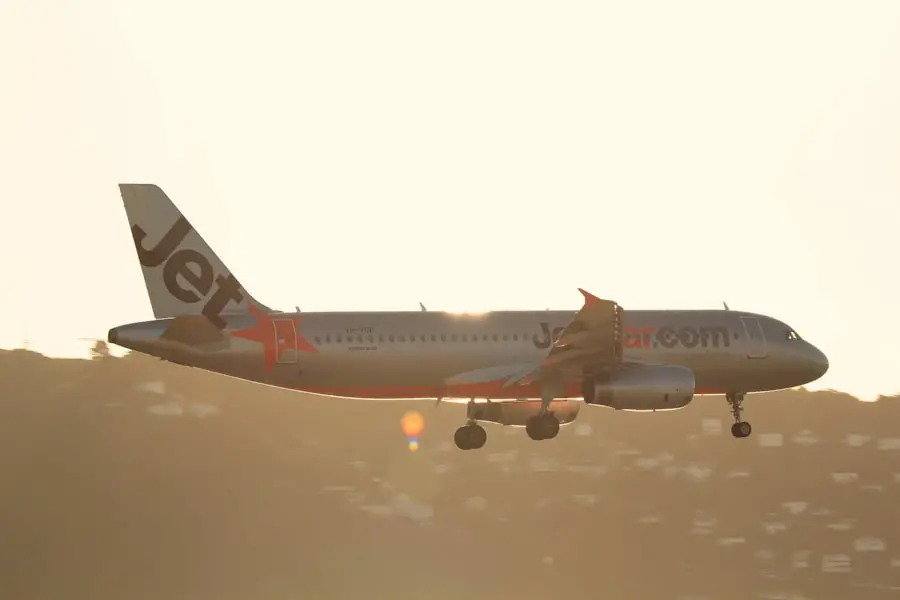
Charter operations are regulated, but they do not all follow exactly the same rule set as large scheduled airlines. In the United States, many on-demand charter flights operate under FAA Part 135, while most large scheduled airlines operate under Part 121. The FAA states that legal air charter operations require more pilot training, maintenance procedures, and safety oversight than ordinary private flying.
Before booking, verify that the direct air carrier and the proposed aircraft are authorized for charter use. The FAA’s current operator-and-aircraft list is designed for this purpose and is updated regularly. You can also ask to see the operator’s Air Carrier or Operating Certificate and confirm the aircraft registration number.
Warning: Do not accept an arrangement in which a company supplies both the aircraft and crew but tries to make you responsible for “operational control” through confusing lease paperwork. The FAA identifies this as a possible sign of an illegal charter. Evasive answers, missing authorization, no safety briefing, or a price that appears unrealistically low are also red flags.
Questions to Ask About Safety
- What is the legal name and certificate number of the direct air carrier?
- Is the proposed aircraft authorized on that operator’s certificate?
- What is the aircraft make, model, age, registration number, and seating configuration?
- Will the flight use one or two pilots, and what training and recent experience do they have in that aircraft type?
- What insurance coverage applies to passengers and baggage?
- What is the operator’s maintenance and aircraft-substitution policy?
- Has an independent organization audited the operator, and what exactly does that rating cover?
- Who has operational control and final authority over safety decisions?
Membership in a trade group or a favorable private audit can provide extra information, but it does not replace government operating authority. Regulatory authorization should be checked first.
Do Charter Passengers Go Through Security?
Security and check-in procedures depend on the aircraft, type of operation, airport, destination, and applicable security program. Some passengers depart from a private terminal and may not use the same public checkpoint as scheduled-airline passengers. That does not mean there are no identity checks, passenger-list requirements, baggage restrictions, or screening procedures.
U.S. regulations apply different security-program requirements based on factors such as aircraft size, seating capacity, charter type, and whether passengers enter or leave through a sterile airport area. Follow the operator’s instructions and confirm the required arrival time, identification, baggage rules, and prohibited items before travel.
The Difference Between Charter Airlines and Commercial Airlines
| Feature | Charter Flight | Scheduled Commercial Flight |
|---|---|---|
| Schedule | Arranged for a customer, group, or charter program. | Published in advance by the airline. |
| How space is sold | The whole aircraft may be hired, or seats may be sold on a public charter. | Individual tickets are sold to the public. |
| Airport choice | May use smaller airports when the aircraft, runway, and local rules allow. | Usually limited to airports served by the airline’s network. |
| Aircraft | Selected to fit the mission, subject to availability and the contract. | Assigned by the airline and may change. |
| Service | Can be customized, but amenities vary by aircraft. | More standardized by cabin and fare class. |
| Price | Usually a trip-specific quote with contract terms. | Usually a published ticket price that changes with demand. |
| Regulation | Depends on the charter type and jurisdiction; U.S. on-demand charters commonly use Part 135. | Large U.S. scheduled airlines generally operate under Part 121. |
The essential difference is the operating model. A scheduled airline publishes routes and sells tickets according to its network. A charter is arranged for a specific trip, group, or limited program. Personalized catering, cabin requests, and ground services may be available on a charter, but they must be confirmed in writing because not every aircraft offers the same amenities.
Tips for a Smooth Charter Air Travel Experience
- Use exact airport names and codes. Cities may have several airports with very different fees, runway limits, customs hours, and ground-transfer times.
- Share complete baggage details. Small jets can have strict baggage-volume and weight limits. Golf clubs, skis, musical instruments, mobility devices, and large hard-shell cases may require a different aircraft.
- Ask about pets before booking. Confirm carrier size, cleaning charges, required documents, international animal-entry rules, and whether the aircraft owner permits pets.
- Confirm accessibility needs early. Door height, stair design, aisle width, lavatory access, and the ability to load a wheelchair vary widely by aircraft.
- Review cancellation rules carefully. Charter cancellation charges can rise sharply near departure, and customer-initiated schedule changes may trigger repositioning or crew costs.
- Build a weather backup plan. Smaller destination airports may have limited approaches, short operating hours, or fewer recovery options during bad weather.
- Keep passenger information accurate. Names should match identification, and international trips may require passports, visas, customs details, or advance passenger information.
- Follow the stated arrival time. Do not assume that every charter allows a last-minute arrival. Security, customs, baggage loading, and flight planning can require more time.
- Confirm the trip again before leaving home. Check the terminal address, aircraft registration, departure time, dispatch contact, and any aircraft or airport change.
Pack for the aircraft rather than relying on normal airline carry-on limits. Soft-sided luggage is often easier to fit in compact baggage compartments. For ideas on powered luggage features, see this guide to the best carry-on suitcase with USB charger, but confirm that any battery is removable and permitted under the operator’s dangerous-goods policy before travel.
Frequently Asked Questions
What is a charter airline?
A charter airline or air charter operator provides flights arranged outside a normal published schedule. A customer may hire the whole aircraft, or a public charter organizer may hire an airline and sell individual seats.
How does a charter airline differ from a regular airline?
A scheduled airline publishes routes and departure times and sells individual tickets as part of its network. A charter flight is arranged for a particular customer, group, route, or limited program and may offer more choice over timing, airport, aircraft, and services.
Do you have to charter the entire airplane?
No. Whole-aircraft and single-entity charters are common, but public charters may sell seats individually. Always confirm whether the price covers the whole aircraft, one seat, or a shared-flight arrangement.
What types of flights do charter airlines operate?
Charter operators serve leisure groups, businesses, sports teams, event travelers, government agencies, tour programs, cargo customers, remote communities, and specialized medical or emergency missions. The aircraft and approvals must fit the mission.
Are charter flights cheaper than commercial flights?
Usually not for one or two passengers on a route with good airline service. A charter may offer better total value for a larger group, a difficult route, a time-sensitive trip, or travel that would otherwise require connections, hotels, and long ground transfers.
Do charter passengers skip airport security?
Not necessarily. Some charters use private terminals and different procedures from scheduled airlines, but identity checks, passenger manifests, baggage restrictions, screening, and security programs may still apply. Ask the operator for the exact arrival and security instructions.
What happens if a charter flight is canceled?
The answer depends on the contract and charter type. Whole-aircraft charters follow the agreed cancellation and replacement terms. U.S. public charters have specific DOT contract, notice, fund-protection, and refund rules, so read the operator-participant agreement before paying.
How do charter airlines make money?
Charter operators earn revenue by operating aircraft for paying customers. The quoted price reflects flight time and underlying expenses such as fuel, maintenance, crew, insurance, aircraft ownership or lease costs, and administration. Operators or brokers may also charge for catering, ground transport, waiting time, positioning, and other services disclosed in the agreement.
Sources
- U.S. Department of Transportation: Charter Flights — charter types, public-charter contracts, operator identification, and passenger protections.
- U.S. Department of Transportation: Public Charters — accepted prospectuses and Part 380 requirements.
- Federal Aviation Administration: Thinking of Chartering an Aircraft? — operator-verification advice and illegal-charter warning signs.
- Federal Aviation Administration: Certificated Part 135 Operators and Aircraft — current verification resource for U.S. charter authority.
- Electronic Code of Federal Regulations: 49 CFR § 1544.101 — security-program requirements for different charter operations.
- Internal Revenue Service: 2026 Form 720 Instructions — current U.S. air transportation tax rates.
