
Last Updated on August 26, 2026 by Daniel Globe
Paris rewards both first-time sightseeing and slower neighborhood exploring. The city’s most memorable experiences range from climbing the Eiffel Tower and seeing masterpieces at the Louvre to walking through Montmartre, cruising the Seine, stepping inside the restored Notre-Dame Cathedral, and taking a day trip to Versailles. A little advance planning can save hours in lines.
Quick Answer
The best things to do in Paris include visiting the Eiffel Tower, Montmartre, the Louvre, Notre-Dame, Musée d’Orsay, the Arc de Triomphe, and Luxembourg Gardens; cruising the Seine; enjoying French bistro food; exploring the Latin Quarter; and setting aside a day for Versailles.
Key Takeaways
- Book high-demand attractions such as the Eiffel Tower, Louvre, and Palace of Versailles in advance when possible.
- Pair nearby sights to reduce travel time: the Seine and Notre-Dame work well together, as do the Champs-Élysées and Arc de Triomphe.
- Notre-Dame Cathedral is open again and general cathedral admission is free; optional official reservations are also free.
- The Eiffel Tower’s public stairs reach the second floor, not the summit; summit access continues by elevator.
- Leave room for neighborhoods, parks, cafés, and local meals rather than trying to spend the entire trip inside major attractions.
Disclosure: As an Amazon Associate I earn from qualifying purchases. Some links on this page are affiliate links, at no extra cost to you.
1. Visit the Eiffel Tower
The Eiffel Tower remains the defining landmark of Paris. Built for the 1889 Exposition Universelle, the iron structure now rises to 330 meters, or 1,083 feet, after the installation of a new antenna in 2022. Its three visitor levels offer different perspectives: the first floor includes a glass-floor area, while the second floor provides an excellent open panorama across central Paris.
If you want to use the stairs, the route is more demanding than an elevator visit but the details matter. According to the official Eiffel Tower visitor guidance, there are 674 public steps from the esplanade to the second floor. The stairway between the second floor and summit is not open to visitors, so a stair-plus-summit ticket uses an elevator for the final ascent.
Do not rush away after descending. The Champ de Mars gives you room to step back and appreciate the tower’s ironwork from ground level, and the surrounding riverfront makes an easy continuation of the visit.
Pro Tip: For a nighttime view, the tower’s golden lighting comes on after nightfall and the sparkle display normally runs for five minutes at the beginning of each hour while the monument’s lighting schedule is operating. Check the official site for the current closing time on your date.
2. Wander Through the Charming Streets of Montmartre
Montmartre, on a hill in the 18th arrondissement, combines sweeping city views with a long artistic history. Picasso, Vincent van Gogh, and many other artists lived or worked in the area, and traces of that creative past remain in its steep streets, studios, cafés, and squares.
Sacré-Cœur Basilica dominates the hilltop with its white domes. After visiting the basilica and enjoying the viewpoint outside, wander toward Place du Tertre, where portrait artists and painters continue the neighborhood’s artistic tradition.
Nearby cafés and bistros add to the atmosphere. Le Consulat is one of the area’s recognizable historic façades, while Café des Deux Moulins is known to many visitors from the film Amélie. Montmartre is most rewarding when you leave time to explore side streets rather than treating the basilica as a quick photo stop.
3. Visit the Louvre Museum
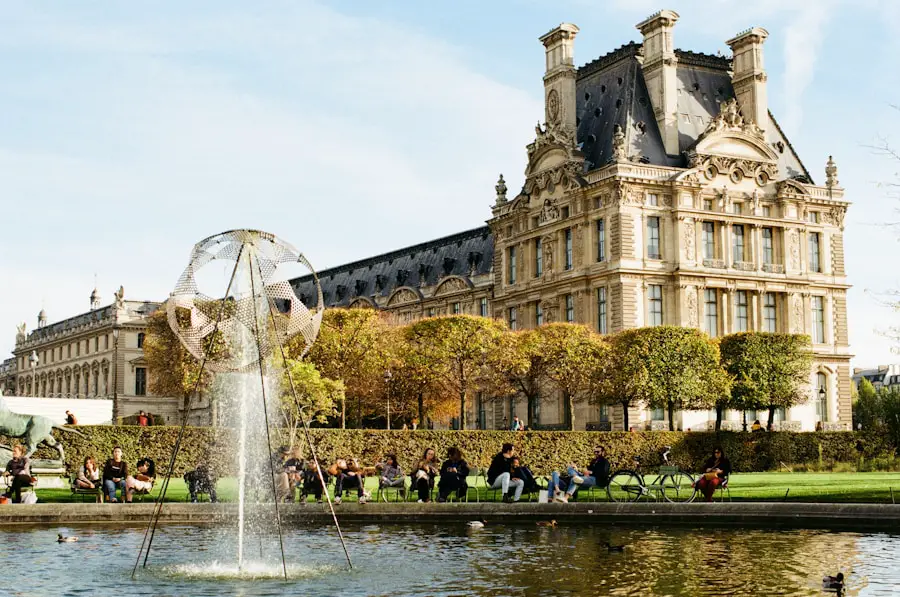
The Louvre is one of the world’s great art museums, but its scale makes a focused plan more useful than trying to see everything. Its collections range across several millennia and include works such as the Mona Lisa, the Winged Victory of Samothrace, the Venus de Milo, Egyptian antiquities, Islamic art, sculpture, decorative arts, and European painting.
The museum’s glass Pyramid was designed by architect I.M. Pei as part of the Grand Louvre project and was inaugurated in 1989. Its transparent modern geometry creates a deliberate contrast with the historic palace while serving as a major entrance to the museum.
A Louvre press resource reports a collection of roughly 620,000 works, with about 35,000 displayed in the museum. That scale is a good reason to choose two or three departments or masterpieces before arriving rather than attempting to cover every gallery in one visit.
| Guided Tours | Art Collections | Historical Context |
|---|---|---|
| Official guided, thematic, and self-guided options vary by date | About 35,000 works displayed from a much larger collection | Collections cover several millennia of art and civilization |
Timed admission is strongly recommended, including for many visitors who qualify for free entry. Check current exhibitions, closures, and visitor arrangements on the official Louvre Museum website before your visit.
4. Indulge in French Cuisine at a Local Bistro
French cuisine is part of the Paris experience, and you do not need a formal tasting menu to enjoy it. A neighborhood bistro may serve classics such as French onion soup, escargots de Bourgogne, coq au vin, boeuf bourguignon, duck confit, steak-frites, or a changing chalkboard menu built around seasonal ingredients.
The atmosphere matters as much as the recipe. Many traditional bistros favor close-set tables, simple service, long lunches or dinners, and a relaxed pace. A glass of Bordeaux, Burgundy, or another French wine can complement the meal if you drink alcohol, but it is never essential to the experience.
For dessert, crème brûlée, tarte Tatin, profiteroles, or a cheese course can provide a classic finish. Bakeries and pâtisseries offer another side of Parisian food culture through croissants, baguettes, macarons, tarts, and other pastries.
5. Cruise the Seine, Walk the Riverbanks, and Visit Notre-Dame
See Paris From a Seine River Cruise
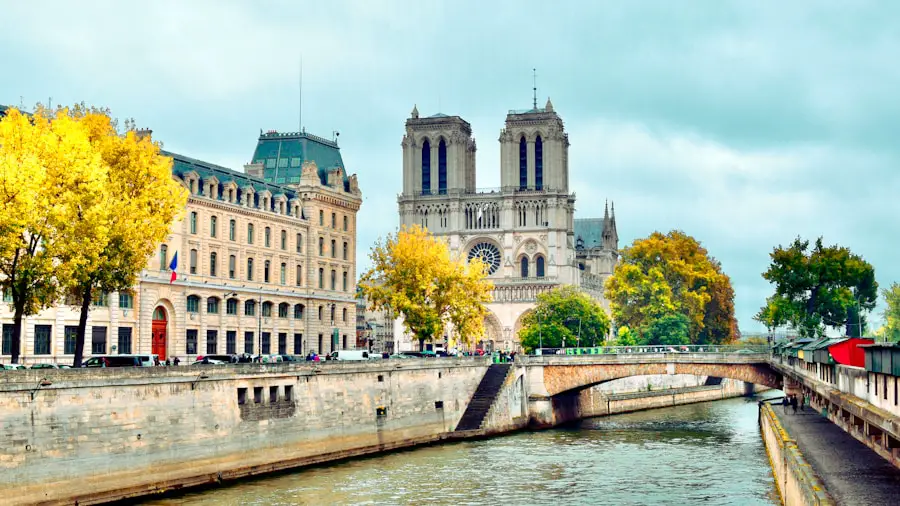
A Seine River cruise gives you a low, open perspective on many of central Paris’s best-known monuments. Depending on the route, views can include the Eiffel Tower, Musée d’Orsay, the Louvre area, historic bridges, and Notre-Dame Cathedral.
Daytime cruises make architectural details easier to see, while evening departures add reflections and illuminated monuments. Some operators offer simple sightseeing trips, while others combine the cruise with lunch or dinner. Compare departure points, duration, and whether the boat is enclosed or open before booking.
Walk Along the Seine and Step Inside Notre-Dame
The riverbanks are also excellent for walking. Along different stretches you will encounter historic bridges, bouquiniste bookstalls, small parks, river views, and convenient crossings between the Right Bank, Left Bank, and Île de la Cité.
Notre-Dame de Paris, one of Europe’s defining Gothic cathedrals, began construction in the 12th century and developed over roughly two centuries. The cathedral suffered catastrophic fire damage in April 2019, but after five years of major restoration work it reopened in December 2024.
Visitors can once again enter the restored cathedral. General admission is free, and an optional free reservation can help reduce waiting at busy times. Reservations should be made only through the official Notre-Dame de Paris website; the cathedral warns visitors about third parties selling supposed paid access to an attraction that is free to enter.
Note: Restoration and redevelopment work can still affect parts of Notre-Dame’s exterior and surrounding area even though the cathedral itself has reopened. Check official visitor information shortly before going.
6. Experience the Literary and Artistic Side of the Latin Quarter
The Latin Quarter has been associated with scholarship, literature, philosophy, and student life for centuries. The Sorbonne and other academic institutions helped give the district its intellectual identity, while generations of writers and artists spent time in its cafés, bookshops, streets, and small hotels.
For art and history in the neighborhood itself, the Musée de Cluny offers a strong introduction to medieval art, while the Panthéon provides another major historical stop. The area’s narrow streets, bookstores, cafés, and proximity to the Seine also make it one of the easiest parts of Paris to explore without a fixed itinerary.
If you want to continue to more galleries afterward, keep geography in mind: Petit Palais is near the Champs-Élysées rather than in the Latin Quarter, while the Maison Européenne de la Photographie is in the Marais. They can still be worthwhile additions to a Paris art itinerary, but they should not be grouped into a Latin Quarter walking route.
7. Enjoy a Day Trip to the Palace of Versailles
A day trip to the Palace of Versailles offers a very different perspective on French history. The estate developed from a royal hunting lodge into the center of political power under Louis XIV and eventually became a museum. Today, the palace, gardens, park, Trianon estate, and related properties extend across more than 800 hectares.
Inside, the Hall of Mirrors is the best-known room, but the palace also contains the King’s and Queen’s State Apartments, the Royal Chapel, galleries, and extensive decorative art. The Hall of Mirrors later became the setting for major diplomatic events, including the signing of the Treaty of Versailles on June 28, 1919.
Outside, André Le Nôtre’s formal gardens, fountains, groves, Grand Canal, and the wider park can easily occupy several hours. Depending on your ticket and the season, the Trianon palaces and Queen’s Hamlet can extend the visit further.
Because schedules, fountain programs, admission rules, and garden access vary through the year, use the official Palace of Versailles website when choosing your date and ticket.
8. Explore Impressionist Art at Musée d’Orsay
Musée d’Orsay occupies a former railway station on the Left Bank and is one of the strongest complements to the Louvre. Its collections concentrate on art from the 19th and early 20th centuries, making it especially valuable for visitors interested in Impressionism and Post-Impressionism.
Works associated with artists such as Monet, Renoir, Degas, Cézanne, Van Gogh, and others make it possible to follow the dramatic changes in European art that took place between the academic traditions of the 19th century and the rise of modernism.
The building itself is part of the experience: its huge clock faces, open central hall, and former station architecture create a museum setting very different from the Louvre. Check current exhibitions and ticket information through the official Musée d’Orsay website.
9. Walk the Champs-Élysées and Climb the Arc de Triomphe
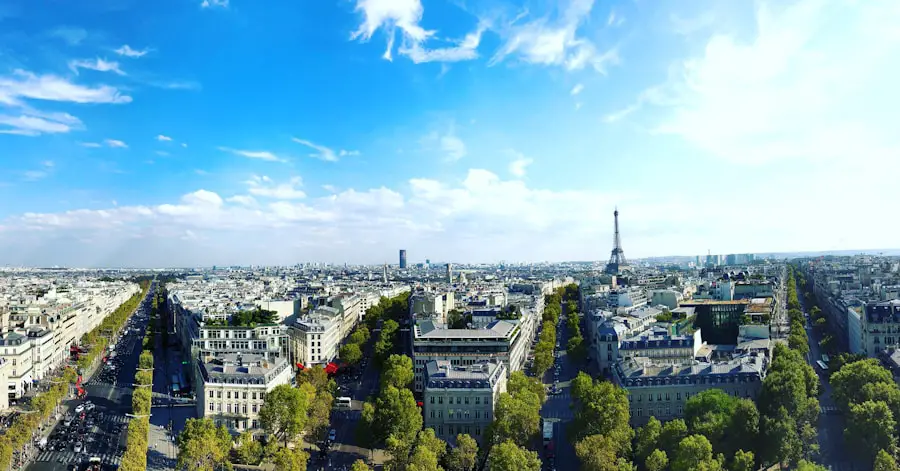
The Champs-Élysées connects Place de la Concorde with the Arc de Triomphe and works well as a straightforward westward walk through one of Paris’s most recognizable urban corridors. Shops, restaurants, theaters, and side streets line the avenue, but the monumental view toward the Arc is the main visual attraction.
The Arc de Triomphe stands at Place Charles de Gaulle, historically called Place de l’Étoile. Its terrace offers a striking panorama over the twelve avenues that radiate from the square, including the Champs-Élysées and Avenue de la Grande Armée.
Under the arch is the Tomb of the Unknown Soldier and its memorial flame. To visit the monument, use the pedestrian underpass rather than attempting to cross the traffic circle at street level. Current admission and opening information is available from the official Arc de Triomphe website.
10. Slow Down in Luxembourg Gardens
After several days of museums and monuments, Luxembourg Gardens provides space to slow the pace. Created in connection with the Luxembourg Palace and now administered by the French Senate, the garden covers about 23 hectares in the 6th arrondissement.
Visitors come for tree-lined paths, flowerbeds, lawns, sculptures, fountains, chairs, children’s activities, and the central basin. It is an easy place for a relaxed walk, a break with a pastry, or a picnic where permitted.
Because opening and closing times vary with daylight and the season, check the official Luxembourg Gardens information from the French Senate before a very early or late visit.
Practical Tips for Visiting Paris Attractions
- Reserve the busiest sights: Timed tickets or reservations are especially useful for the Eiffel Tower, Louvre, and Versailles.
- Group nearby attractions: Combine Notre-Dame with the Seine and Latin Quarter; pair Musée d’Orsay with a river walk; and visit the Champs-Élysées and Arc de Triomphe together.
- Use public transport: Paris and the wider Île-de-France region are served by Metro, RER, train, tram, and bus networks. Check current fares and ticket formats through Île-de-France Mobilités.
- Compare passes carefully: The official Paris Museum Pass covers more than 50 museums and monuments, but some participating sites still require reservations. Other city sightseeing passes have different inclusions, so compare the attractions you will actually use.
- Leave unscheduled time: Paris is particularly rewarding on foot. A free hour for a café, market street, park, or riverbank often becomes as memorable as a ticketed attraction.
If you are preparing for the trip itself, the existing guide to travel gifts for women includes ideas for useful travel presents and accessories. Travelers who have trouble sleeping in unfamiliar rooms may also want to review the site’s guide to a portable white noise machine for travel.
Frequently Asked Questions
What are the top 10 things to do in Paris?
For a first visit, prioritize the Eiffel Tower, Montmartre, Louvre Museum, a French bistro meal, a Seine cruise with a Notre-Dame visit, the Latin Quarter, Versailles, Musée d’Orsay, the Champs-Élysées and Arc de Triomphe, and Luxembourg Gardens.
How can I get around Paris to visit these attractions?
The Metro is usually the fastest option within central Paris, while RER and regional trains are useful for destinations such as Versailles. Buses, trams, taxis, bicycles, and walking can fill the gaps. Check current tickets and fares with Île-de-France Mobilités because ticketing systems and prices can change.
What is the best time of year to visit Paris?
Spring and early fall are popular because temperatures are often comfortable for walking, but there is no single best season. Summer offers long daylight hours and large crowds, while winter can mean shorter lines at some attractions but colder, darker days. Choose according to your preferred weather, budget, and crowd tolerance.
Are there discounts or passes for Paris attractions?
Yes. The official Paris Museum Pass provides entry to more than 50 museums and monuments in Paris and the surrounding region. However, a pass does not eliminate every reservation requirement, and it only saves money when you visit enough included attractions. Compare the current inclusions with your itinerary before buying.
What foods should I try in Paris?
Popular choices include croissants, baguettes, macarons, crêpes, French onion soup, escargots, steak-frites, coq au vin, boeuf bourguignon, duck confit, cheese, crème brûlée, and tarte Tatin. Regional and seasonal dishes vary widely, so a neighborhood market or bistro can be just as worthwhile as a famous restaurant.
Should I book Paris attraction tickets in advance?
For major sights such as the Eiffel Tower, Louvre Museum, and Palace of Versailles, advance booking is a good idea, especially during weekends, holidays, and peak travel periods. Notre-Dame Cathedral is free to enter; its optional official reservation is also free and can reduce waiting.
What cultural etiquette should I know in Paris?
A simple “Bonjour” or “Bonsoir” when entering a small shop, café, or restaurant is appreciated, as is saying “Merci” when receiving help or service. Speak quietly in churches and museums, follow photography restrictions, and avoid blocking narrow sidewalks or Metro doors while checking your phone or map.
What day trips from Paris are worth considering?
Versailles is the classic first choice because of its palace, gardens, and direct public-transport connections. Other popular options include Giverny for Monet’s house and gardens, Fontainebleau for its château, and destinations in the Champagne region for travelers interested in wine and regional history.
What are some family-friendly things to do in Paris?
Families can explore Luxembourg Gardens, the Cité des Sciences et de l’Industrie, Jardin d’Acclimatation, Seine cruises, parks, and interactive museums. Disneyland Paris can work as a separate full-day trip. Match museum time to children’s ages and leave regular outdoor breaks between major sights.
What are some less touristy attractions in Paris?
Consider Canal Saint-Martin, Coulée Verte René-Dumont, Parc des Buttes-Chaumont, neighborhood markets, smaller museums, or streets away from the main monuments. The Musée de la Chasse et de la Nature is another unusual museum option for visitors looking beyond the standard first-trip circuit.
Sources
- Official Eiffel Tower — Key Figures — current height, construction information, floors, and elevators.
- Musée du Louvre — official visitor, collection, exhibition, and reservation information.
- Notre-Dame de Paris — reopening, free admission, reservations, and current visitor guidance.
- Palace of Versailles — The Estate — palace, gardens, park, Trianon, and estate information.
- Île-de-France Mobilités — official Paris-region public transportation and ticket information.
- Paris Museum Pass Official Website — current participating museums, monuments, pass durations, and reservation requirements.
