
Last Updated on August 26, 2026 by Daniel Globe
Hotels do not all use the same mattress. Depending on the brand and property, you may find commercial-grade innerspring, foam, hybrid, or pillow-top mattresses designed to balance comfort, support, durability, and broad guest appeal. The mattress is also only part of the hotel-bed experience: toppers, foundations, pillows, sheets, room temperature, and blackout curtains can all affect how comfortable a bed feels.
Quick Answer
Most hotels use durable innerspring, foam, or hybrid-style mattresses made for frequent use, often with reinforced edges and a broadly comfortable feel. There is no universal hotel mattress: Marriott, Hilton, Hyatt, Westin, and even individual properties within the same chain can use different manufacturers, constructions, and firmness levels.
Key Takeaways
- Hotels commonly use innerspring, foam, pillow-top, and hybrid-style mattresses selected for comfort, support, durability, and frequent guest turnover.
- There is no single mattress brand or model used by every major hotel chain, and specifications can vary between properties.
- The comfortable “hotel bed” feeling comes from more than the mattress; toppers, foundations, pillows, linens, climate control, and room conditions also matter.
- A hotel mattress warranty does not tell you how often a hotel replaces its mattresses. Replacement depends on condition, property standards, usage, renovation cycles, and manufacturer guidance.
- If you want the exact bed you slept on, ask the individual hotel for the manufacturer, model or hospitality specification before buying anything.
Disclosure: As an Amazon Associate I earn from qualifying purchases. Some links on this page are affiliate links, at no extra cost to you.
What Mattresses Do Hotels Use?
Hotels generally choose mattresses that can handle repeated use while remaining comfortable for many different body types and sleeping positions. Common constructions include traditional innerspring mattresses, foam mattresses, pillow-top beds, and hybrids that combine coils with foam comfort layers.
There is no industry-wide rule requiring a particular mattress type or firmness. A hotel company may specify one sleep system for a particular brand, while another property may use a different product because of renovations, regional suppliers, ownership decisions, or a newer brand standard.
Current hotel information illustrates that variety. Marriott’s official mattress collection includes both Marriott-branded innerspring and foam mattresses, while Westin offers its well-known Heavenly Bed. Hilton has described Canopy by Hilton rooms as using gel memory foam mattresses with Serta Cool Balance technology. Hyatt property pages also show variation: Hyatt Regency Houston lists Sealy Posturepedic mattresses, while Hyatt Regency Hill Country Resort and Villas lists Beautyrest Black mattresses.
Note: A hotel chain’s name alone does not guarantee a specific mattress. Mattress specifications can change by brand, property, room renovation, region, and procurement cycle. If you want the exact bed from a stay, confirm it with that individual hotel.
| Hotel brand/property | Current documented example | What it shows |
|---|---|---|
| Marriott Hotels | Marriott-branded innerspring and foam mattresses | Even one hotel company can offer multiple mattress constructions rather than one universal design. |
| Westin | Westin Heavenly Bed, a hotel-branded comfort system | Some hotel brands develop a recognizable signature bed rather than relying only on a retail mattress name. |
| Canopy by Hilton | Gel memory foam mattress with Serta Cool Balance technology | Foam-based hospitality beds are also used; hotel beds are not limited to innersprings. |
| Hyatt Regency Houston | Sealy Posturepedic mattress | A current Hyatt property documents Sealy mattresses. |
| Hyatt Regency Hill Country Resort and Villas | Beautyrest Black mattress | Another Hyatt property lists a different mattress brand, demonstrating property-level variation. |
Factors Considered When Choosing a Hotel Mattress
When selecting mattresses for hotel rooms, operators have to balance guest comfort with the realities of frequent use. Construction is one of the first considerations. Innerspring mattresses provide coil-based support and airflow, while all-foam mattresses can offer strong motion isolation and pressure relief. Hybrid-style beds combine a coil support unit with foam or other comfort layers.
Firmness also matters, but hotels cannot select a perfect firmness for every guest. Many properties favor a broadly accommodating feel rather than an extreme level of softness or firmness. Mattress toppers can also change the surface feel without replacing the underlying mattress.
Durability is another important consideration. Hospitality beds can experience frequent use by guests of different sizes and sleeping styles. Features such as reinforced edge support, durable covers, supportive coil units, and higher-density comfort materials may therefore be valuable in commercial settings.
Other practical considerations include mattress height, compatibility with the bed base, housekeeping requirements, fire-safety compliance, supplier availability, warranty terms, and the ability to procure consistent replacements for multiple rooms.
Why Hotel Beds Often Feel So Comfortable
The mattress deserves some of the credit, but it does not work alone. Hotels typically create a complete sleep system. A supportive foundation can change how a mattress performs, while a topper can make the surface feel softer and more cushioned. Sheets, duvets, pillows, mattress pads, and protectors also influence how the bed feels when you first lie down.
The room itself matters too. Blackout curtains, climate control, reduced noise, a dark sleeping environment, and the simple fact that a traveler may be tired after a long day can all affect the perceived quality of a hotel bed.
This helps explain why buying a mattress with a hotel name on it does not always recreate the exact experience at home. To come close, you may need to consider the complete bedding setup rather than the mattress alone.
The Impact of a Comfortable Mattress on Guest Satisfaction
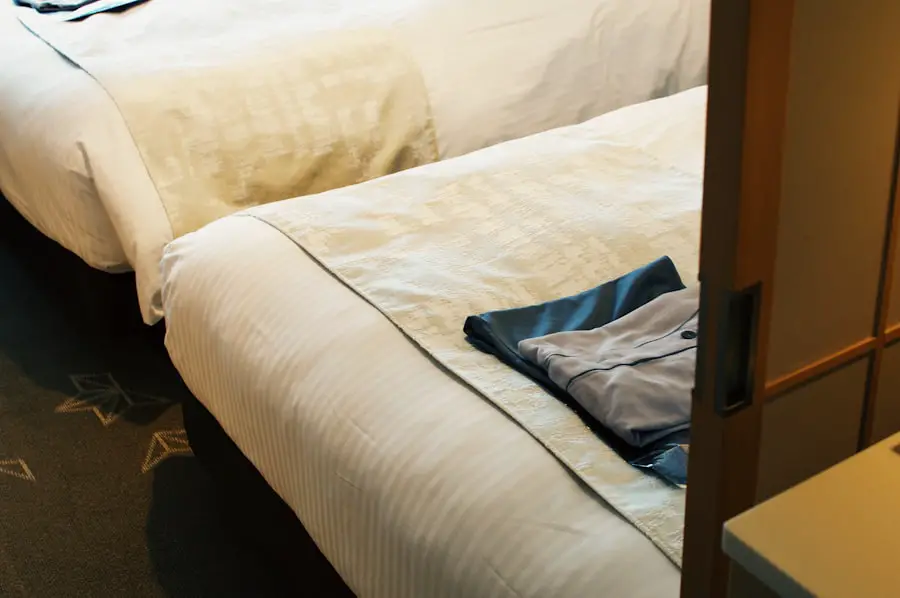
Sleep comfort can strongly shape how a guest remembers a hotel stay. A supportive mattress can reduce obvious pressure or discomfort for some sleepers, while a mattress that feels badly worn, excessively soft, excessively firm, or unsupportive may make it harder for a guest to settle comfortably.
Research supports the broader idea that bedding can affect perceived sleep quality, although it does not prove that every hotel mattress produces better sleep. In one study of 59 adults who replaced older beds with new medium-firm bedding systems, participants reported improvements in sleep quality and back discomfort during the study period. The findings should not be interpreted as proof that one mattress firmness is ideal for everyone.
Comfort is personal. A mattress that feels excellent to one hotel guest may feel too firm or too soft to another.
For corporate trips, conferences, retreats, and group travel, sleep comfort can also influence the overall impression of accommodations. Hotels therefore have a practical reason to pay attention to mattress condition alongside service, cleanliness, noise control, and other parts of the guest experience.
Hotel Mattresses vs. Home Mattresses
A hospitality mattress and a normal residential mattress can use many of the same basic technologies, including coils, memory foam, polyurethane foam, quilting, pillow tops, and reinforced edges. The difference is often in the specification rather than a completely different type of technology.
Hospitality products may be designed around commercial procurement, standardized room setups, repeated use, edge durability, housekeeping needs, or hotel-brand comfort requirements. A hotel-branded mattress sold to consumers may also have different purchasing terms from a typical retail mattress.
That means you should compare more than the brand name. Check the construction, firmness description, mattress height, foundation requirements, warranty, delivery terms, and return policy before buying. A similarly named retail model is not necessarily identical to the mattress in a particular hotel room.
The Durability and Longevity of Hotel Mattresses
Durability is a major consideration for hotels because mattresses are used repeatedly by different guests. Commercial specifications may include reinforced edges, robust coil systems, protective covers, or durable foam layers intended to help the bed maintain its shape and support.
However, there is no reliable universal rule saying that Marriott replaces every mattress after five years, Hilton after six years, or Hyatt after seven years. Replacement timing can differ according to the property’s occupancy, renovation schedule, brand standards, mattress condition, guest feedback, local ownership decisions, and the specific product being used.
A mattress warranty should not be confused with a hotel replacement schedule. A manufacturer may offer a long warranty against defined defects while a hotel chooses to replace a mattress earlier for comfort, appearance, renovation, or operational reasons.
Maintenance can help protect a mattress, but hotels and homeowners should follow the manufacturer’s instructions. Some mattresses can be rotated periodically to spread wear. A mattress should be flipped only if it was specifically designed for two-sided use; many modern mattresses have a designated top surface and should not be flipped. Mattress protectors or encasements can also help protect the sleep surface from spills and contamination.
The Role of Mattress Brands in the Hospitality Industry
Mattress manufacturers frequently develop products or specifications for hospitality customers. Large hotel companies may also develop branded beds that guests can later purchase through official hotel stores.
Brand reputation matters, but it should not be treated as proof that every hotel in a chain uses the same bed. The current Marriott, Hilton, and Hyatt examples above demonstrate how much variation can exist across brands and individual properties.
For hoteliers, supplier considerations can include product consistency, durability, delivery logistics, warranties, replacement availability, commercial pricing, and the ability to produce a desired firmness or sleep experience at scale.
Pro Tip: If you loved a mattress during a hotel stay, contact that specific property’s front desk or housekeeping department and ask for the mattress manufacturer, model name, hospitality specification, and approximate installation date. A photo of the law label or manufacturer label can also help identify the exact product.
How to Buy the Mattress You Slept on at a Hotel
Start with the property rather than searching only for the hotel chain’s name. Ask whether the room used the property’s standard mattress or a newer model installed during a recent renovation.
Once you have the manufacturer and model information, check whether the hotel brand operates an official home store or whether the mattress manufacturer has a hospitality guest-purchase program. Marriott and several of its hotel brands, for example, currently sell hotel-branded mattresses through Marriott Bonvoy Boutiques.
Before ordering, read the return and delivery terms carefully. Hotel-branded mattresses may be made to order, shipped through specialized delivery services, or subject to stricter return rules than mattresses from ordinary retail stores. Also verify whether the price includes a foundation, setup, old-mattress removal, or only the mattress itself.
The Connection Between a Good Night’s Sleep and Guest Loyalty
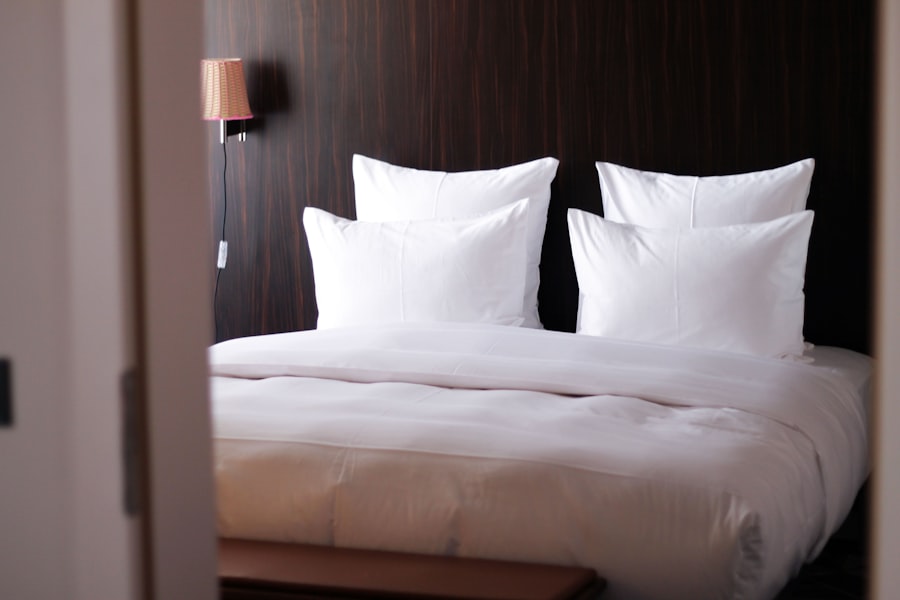
A comfortable night’s sleep can contribute to a positive impression of a hotel. Guests who associate a property with a quiet room, comfortable bed, clean bedding, and restorative rest may be more willing to return, while poor sleep can become one of the negative details they remember most clearly.
Sleep quality is not determined by the mattress alone. Hotels may also use blackout curtains, supportive pillows, temperature controls, mattress toppers, sound-reducing design, or other sleep-focused amenities. Some properties and hotel brands actively market these features as part of the overall guest experience.
These details can reinforce a hotel’s reputation for comfort, but claims that a particular mattress automatically creates customer loyalty should be treated cautiously. Service, cleanliness, location, price, noise, amenities, and many other factors influence whether a traveler returns.
The Influence of Hotel Mattresses on Online Reviews and Ratings
Guests frequently mention beds when reviewing hotels online. A comfortable bed may become part of a positive review, while comments about sagging, excessive firmness, softness, noise, or poor support can damage the impression of an otherwise good room.
For hotel operators, this makes mattress condition a practical quality-control issue. Guest complaints can help identify rooms where a bed needs inspection, while repeated positive comments may confirm that a particular sleep setup is working well for the property’s clientele.
Mattress quality should still be considered alongside the full stay. Cleanliness, staff service, room maintenance, temperature, noise, pillows, and bedding can all influence how a guest judges sleep comfort and the hotel overall.
U.S. Mattress Safety Standards
Mattresses sold in the United States are subject to federal flammability requirements. The U.S. Consumer Product Safety Commission explains that 16 CFR Part 1632 addresses smoldering ignition, while 16 CFR Part 1633 addresses open-flame performance for mattress sets.
These are product fire-safety standards rather than comfort ratings. They do not tell you whether a mattress is soft, firm, durable, or suitable for your particular sleeping position, but they are part of the regulatory requirements applicable to mattresses in the U.S. market.
The Future of Hotel Mattresses: Trends and Innovations
Sustainability is increasingly influencing purchasing decisions across the hospitality and bedding industries. Mattress manufacturers now offer products incorporating various certified foams, more recyclable components, alternative materials, or designs intended to make replacement and waste management easier. The environmental benefits depend on the specific materials, manufacturing process, useful life, and end-of-life program, so broad “eco-friendly” claims should be evaluated product by product.
Technology is also expanding within the sleep industry. Adjustable bases, temperature-management materials, pressure-sensing systems, and connected sleep products are available in the wider mattress market. However, sensor-equipped mattresses that automatically change firmness should be viewed as a niche or emerging hospitality feature rather than a standard feature of ordinary hotel rooms.
For most travelers, the more important developments remain straightforward: durable construction, better temperature management, consistent support, clean bedding, reduced noise, and a mattress feel that suits a wide range of guests.
The importance of mattress quality in hotels is therefore significant, but there is no single brand, firmness, or technology that defines a good hotel bed. The most successful sleep setups combine an appropriate mattress with a compatible foundation, comfortable bedding, good room conditions, regular inspection, and timely replacement when performance declines.
If you’re looking to upgrade other parts of your travel setup, you may also want to check out this article on the best carry-on suitcase with USB charger. A convenient way to charge your devices while traveling can make trips easier. You can also compare options for a portable WiFi hotspot for international travel if you need connectivity away from your normal mobile network.
Frequently Asked Questions
What type of mattresses do hotels use?
Hotels commonly use innerspring, foam, pillow-top, and hybrid-style mattresses. The exact construction depends on the hotel brand, individual property, supplier, comfort standard, and renovation cycle.
What are the most common hotel mattress types?
Innerspring mattresses remain common, while foam and hybrid-style designs are also used. Some hotels add pillow tops or separate mattress toppers to create a softer surface without changing the underlying support system.
Why do hotels use specific mattresses?
Hotels need mattresses that balance comfort, durability, support, housekeeping requirements, procurement cost, brand standards, and frequent use. Large properties may also need hundreds of beds with a consistent feel and specification.
Do all hotels in the same chain use the same mattress?
Not necessarily. Mattress specifications can differ by hotel brand, individual property, region, ownership group, renovation date, and supplier contract. Current Hyatt properties, for example, document different mattress brands at different locations.
Are hotel mattresses usually firm or soft?
There is no universal hotel firmness. Many hotels aim for a broadly comfortable middle ground, but some beds are plush while others feel firmer. Toppers, mattress age, foundation type, and bedding can also change how firm a hotel bed feels.
Are hotel mattresses available for purchase?
Yes, some hotel companies and mattress manufacturers sell hotel-branded or hospitality mattresses directly to consumers. Marriott, Westin, and other hotel brands currently offer mattresses through official hotel shopping sites. Availability and specifications can change.
How can I find the exact mattress I slept on at a hotel?
Contact the specific hotel and ask for the mattress manufacturer, model or hospitality specification, and approximate installation date. Do this before buying a mattress based only on the chain name, because different locations may use different beds.
What are the benefits of using a hotel mattress at home?
A hotel-style mattress may appeal to people who enjoyed a particular bed’s balance of comfort and support. However, the home experience may feel different because hotels also use specific foundations, toppers, linens, pillows, and room conditions. Check the return policy and warranty before ordering.
Sources
- Marriott Bonvoy Boutiques — Mattresses — current Marriott, Westin, and other Marriott-brand mattress offerings.
- Hilton — Sleep Retreats and hotel sleep features — documents Canopy by Hilton’s gel memory foam mattress and Serta Cool Balance technology.
- Hyatt Regency Houston — Rooms — documents Sealy Posturepedic mattresses at this property.
- Hyatt Regency Hill Country Resort and Villas — Rooms — documents Beautyrest Black mattresses, demonstrating property-level variation.
- PubMed — Changes in back pain, sleep quality, and perceived stress after introduction of new bedding systems — supports the measured discussion of bedding and perceived sleep quality.
- U.S. Consumer Product Safety Commission — Mattresses, Mattress Pads & Mattress Sets — federal mattress flammability requirements under 16 CFR Parts 1632 and 1633.
