
Last Updated on July 26, 2026 by Daniel Globe
Self transfer refers to the process where passengers are responsible for transferring their luggage and checking in for subsequent flights, particularly when traveling on separate tickets. This practice has gained traction in recent years, especially as travelers seek more flexibility and cost-effective options. With the rise of low-cost carriers and the increasing complexity of air travel itineraries, self transfer has emerged as a viable alternative for many passengers.
Quick Answer
A self transfer flight occurs when a passenger books connecting flights on separate tickets across one or multiple airlines without a traditional interline baggage agreement. The traveler must collect their checked luggage, pass through customs and security, and re-check in for their next flight independently, accepting full financial responsibility if a delay causes a missed connection.
Key Takeaways
- Self transfer requires passengers to manually retrieve luggage, exit the secure terminal area, and re-check in for secondary flight legs.
- Airlines benefit through higher seat fulfillment on secondary routes, increased ancillary revenue, and lower operational overhead.
- Passengers face significant risk of missed connections because non-interline carriers are not required to provide free rebooking.
- Self-service airport kiosks, mobile apps, and automated baggage tracking technology are essential tools making self-transfers faster and more reliable.
At a Glance: Self Transfer Flight Logistics
| Recommended Buffer Time | 2–3 hours (Domestic) | 3–5 hours (International) |
| Luggage Handling | Manual reclaim at baggage carousel and re-check at departure counter |
| Border & Visa Requirements | Transit visa or full entry visa required if entering landside zone |
| Airline Liability | None across separate tickets (unless protected by a virtual interlining guarantee) |
Self transfer allows travelers to piece together their journeys from various airlines, often resulting in significant savings compared to traditional round-trip or single-ticket itineraries. However, this approach also requires a deeper understanding of the logistics involved, as passengers must navigate through different airports, manage their own baggage, and ensure they meet the necessary check-in and boarding times. The concept of self transfer is particularly relevant in an era where digital platforms and travel apps have made it easier for travelers to book multi-leg journeys across different airlines.
While this flexibility can enhance the travel experience, it also places a greater burden on passengers to be informed and proactive about their travel arrangements. As airlines adapt to this trend, they must consider how self transfer impacts their operations, customer service, and overall business model. The growing prevalence of self transfer raises important questions about the future of air travel and the evolving relationship between airlines and their customers.
Disclosure: As an Amazon Associate I earn from qualifying purchases. Some links on this page are affiliate links, at no extra cost to you.
Benefits of Self Transfer for Airlines
Airlines can benefit significantly from self-transfer, which allows passengers to combine flights from different carriers. This flexibility can lead to increased passenger volumes, as travelers are no longer limited to the network offerings or alliance structures of a single airline.
Attracting Budget-Conscious Travelers
By allowing self-transfer, airlines can attract budget-conscious travelers who are willing to piece together their itineraries for better pricing. This can be particularly advantageous for low-cost carriers that thrive on high passenger turnover and low fares.
Optimizing Flight Schedules
Self-transfer can help airlines optimize their flight schedules. By encouraging passengers to book separate tickets, airlines can fill seats on less popular routes that might otherwise go unsold. This strategy not only maximizes revenue potential but also enhances route viability.
Increasing Ancillary Revenue
Additionally, airlines can benefit from increased ancillary revenue through services such as baggage fees, priority boarding, seat selection, and other add-ons that passengers choose when booking separate flights. As a result, self-transfer contributes positively to an airline’s bottom line while providing customers with more tailored flight choices.
Challenges of Self Transfer for Airlines
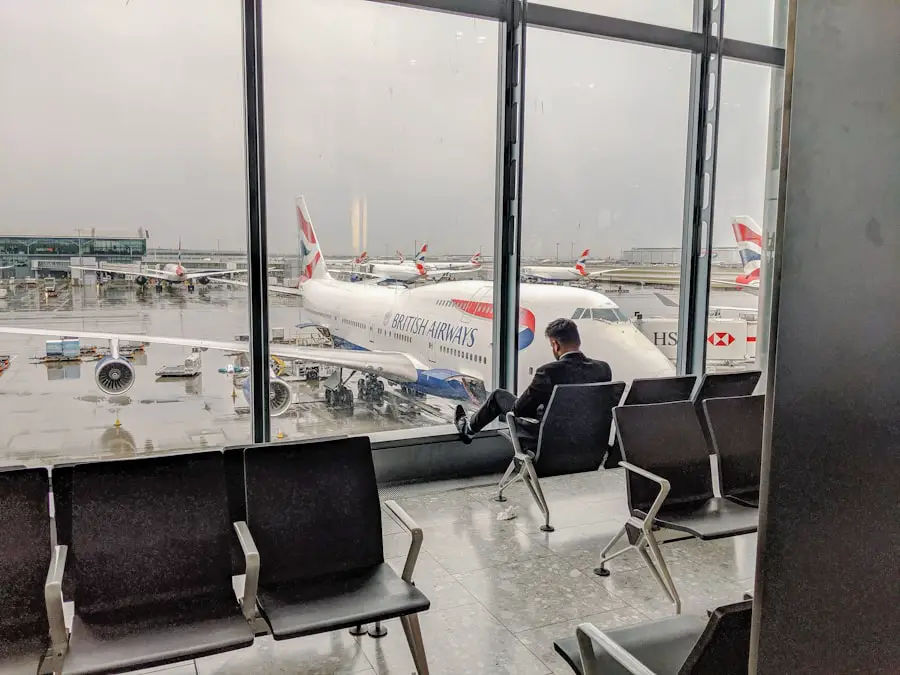
Despite the potential benefits, self transfer also poses significant challenges for airlines. One of the primary concerns is the risk of missed connections. When passengers book separate tickets, they are responsible for ensuring they arrive at their next flight on time.
Warning: According to regulations enforced by the U.S. Department of Transportation (DOT), airlines operating separate tickets are under no legal obligation to rebook, refund, or compensate passengers who miss a flight due to delays on an incoming flight operated by a different carrier.
If a delay occurs on the first leg of their journey, the airline operating the second leg may mark the passenger as a “no-show,” leading to customer dissatisfaction and potential reputational damage. This situation creates a complex web of liability issues, as airlines may find themselves caught between customer expectations and operational realities.
Additionally, self transfer complicates the baggage handling process. Passengers must retrieve their luggage after each flight leg at the baggage claim and check it in again for subsequent legs. This not only adds substantial time to the travel experience but also increases the likelihood of lost or mishandled baggage. Airlines must invest in clear communication and support systems to guide passengers through this process effectively.
Technology and Self Transfer
| Technology and Self Transfer Metrics | 2019 | 2020 | 2021 |
|---|---|---|---|
| Number of self-transfers using technology (Index) | 500 | 750 | 1000 |
| Percentage of self-transfers completed without assistance | 60% | 65% | 70% |
| Average time taken for self-transfer process | 10 minutes | 8 minutes | 6 minutes |
The role of technology in facilitating self transfer cannot be overstated. Digital platforms and mobile applications have revolutionized how travelers plan and manage their journeys. Many travel apps now allow users to book multi-leg itineraries across different airlines seamlessly, providing real-time updates on flight statuses, gate changes, and terminal maps.
Pro Tip: When booking a self-transfer itinerary, look for third-party online travel agencies (OTAs) that offer a virtual interlining guarantee. Services like Kiwi.com or Dohop provide insurance policies that cover alternative flight bookings or hotel accommodations if a delay breaks your self-transfer chain.
This technological advancement empowers passengers to take control of their travel plans while minimizing the stress associated with self transfer. Airlines are also leveraging technology to enhance the self transfer experience. For instance, carriers have implemented self-service kiosks at major hub airports that allow passengers to check in for subsequent flights quickly.
These kiosks streamline the process of printing boarding passes and checking luggage according to TSA security screening guidelines, reducing wait times and improving overall terminal efficiency. Furthermore, advancements in RFID baggage tracking enable airlines to provide real-time updates on baggage status directly to passenger smartphones.
Customer Experience and Self Transfer
“Passengers who opt for self transfer seek greater autonomy and cost savings over their travel plans, but require proactive digital communication to navigate airport logistics safely.”
Customer experience is a critical factor in the success of self transfer initiatives. To enhance customer satisfaction, airlines must prioritize clear communication regarding self transfer policies and procedures. Providing detailed information about check-in deadlines, baggage handling rules, and terminal navigation empowers travelers to make informed decisions and reduces anxiety during their journeys.
Moreover, airlines can improve customer experience by offering dedicated support for self-transfer passengers. This includes providing ground staff at key transit hubs to assist with baggage handling or offering shuttle options between terminals for passengers navigating large airport complexes. Investing in customer support initiatives tailored to self-transfer travelers fosters brand loyalty and encourages repeat business.
Cost Savings and Self Transfer

One of the most appealing aspects of self transfer for travelers is the potential for significant cost savings. By booking separate tickets with different airlines, passengers can often find lower overall fares than those offered by traditional network carriers for identical routes. This price sensitivity is particularly pronounced among budget-conscious travelers who are willing to trade seamless baggage transfers for financial savings.
From an operational perspective, self transfer leads to cost savings for airlines themselves. By allowing passengers to manage their own connections, airlines reduce staffing requirements at check-in desks and streamline baggage transfer procedures between non-partner carriers. According to operational guidelines outlined by the International Air Transport Association (IATA), bypassing manual interline baggage handling significantly decreases ground handling overhead costs for low-cost operators.
Operational Efficiency and Self Transfer
Operational efficiency is a crucial consideration for airlines looking to implement self transfer policies effectively. By encouraging passengers to take responsibility for their transfers, airlines can optimize their resources and focus on core operations such as flight scheduling, aircraft turnaround times, and fleet maintenance.
However, achieving operational efficiency in a self-transfer model requires careful planning and coordination among various stakeholders within the aviation ecosystem. Airlines must work closely with airport authorities, ground handling services, and border control agencies to ensure seamless transitions for passengers moving landside to airside. This collaboration is essential for creating a cohesive travel experience that minimizes disruptions while maximizing terminal throughput.
Impact on Airline Revenue
The impact of self transfer on airline revenue is multifaceted. On one hand, allowing passengers to book separate tickets increases overall passenger volumes and opens ancillary revenue opportunities through add-on services such as baggage fees, seat assignment options, or priority boarding passes. This influx of revenue is particularly beneficial for low-cost carriers that rely heavily on unbundled pricing models.
On the other hand, airlines must consider potential revenue losses associated with dissatisfied customers who experience severe flight disruptions during a self-transfer. Balancing competitive pricing with robust customer communication strategies is essential for airlines looking to maximize revenue while maintaining healthy customer satisfaction metrics.
Competition and Self Transfer
The rise of self transfer has intensified competition among airlines as they vie for market share in an increasingly fragmented aviation landscape. Low-cost carriers have been particularly adept at capitalizing on this trend by offering attractive point-to-point pricing structures that appeal to travelers seeking flexible itineraries.
Legacy carriers must adapt by reevaluating their hub-and-spoke pricing strategies and service offerings to remain competitive. Furthermore, as more travelers become aware of self transfer options, airlines must differentiate themselves through superior digital interfaces, automated check-in services, and helpful transit guidance.
Future Trends in Self Transfer
Looking ahead, several key trends will shape the evolution of self transfer in the aviation sector. One significant trend is the continued integration of artificial intelligence (AI) and biometrics into the passenger airport journey. Modern airports are rapidly implementing facial recognition and automated baggage drops to speed up landside re-check processes.
Note: Environmental sustainability is also driving new self-transfer models. Modern booking engines increasingly offer multi-modal self-transfer itineraries, allowing travelers to combine regional rail legs with flights on a single travel plan to minimize total carbon footprint.
The Future of Self Transfer in the Airline Industry
The future of self transfer in the airline industry appears promising as both travelers and airlines adapt to this evolving landscape. With its potential for cost savings, increased operational efficiency, and enhanced customer control, self transfer is becoming an integral component of global travel distribution.
As technology continues to advance and competition intensifies, airlines that embrace self-service solutions and clear transit guidelines will successfully cater to modern, price-sensitive travelers while navigating operational complexities effectively.
“The ongoing evolution of self-transfer practices will shape the future dynamics of air travel, giving passengers unprecedented flexibility while redefining airline connectivity.”
Having a comfortable travel environment makes connecting between independent flights far more manageable. For travelers navigating long layovers during self-transfers, selecting supportive travel accessories can significantly improve rest between flight legs. Check out the guide on the best travel pillows for long flights on TakeTravelInfo to ensure a relaxing journey.
FAQs
What is self transfer for airlines?
Self transfer for airlines refers to the process where passengers arriving at an airport on one flight and departing on another transfer between flights without the assistance of an automated airline interline baggage system. Passengers book separate tickets and manage their baggage, customs, and re-check-in process independently.
How does self transfer work for airlines?
Passengers who have booked separate tickets on different airlines self-transfer by landing, passing through passport control/immigration (if applicable), collecting their checked luggage at baggage claim, exiting to the landside terminal, and re-checking in at the departure counter for their next airline leg before passing through security again.
What are the benefits of self transfer for airlines?
Self transfer allows airlines to fill seats on secondary routes without formal codeshare or interline legal agreements. It boosts passenger volumes, expands virtual route networks, lowers ground handling overhead costs, and creates additional ancillary revenue through individual fee structures.
What are the potential challenges of self transfer for airlines?
The primary challenge is the risk of missed connections caused by inbound flight delays. Because separate tickets carry no interline protection, missed flights cause customer frustration, baggage mishandling inquiries, and potential operational bottlenecks at airport check-in desks.
Are all airports and airlines equipped for self transfer?
Not all airports are optimized for self transfer. Major international hubs with dedicated transit facilities, automated self-service bag drop kiosks, and fast-track security lanes handle self-transfers much more efficiently than smaller regional airports lacking airside connection infrastructure.
Sources
- International Air Transport Association (IATA) — Airline interline baggage and passenger handling standards
- U.S. Department of Transportation (DOT) — Commercial aviation passenger protections and ticket regulations
- Transportation Security Administration (TSA) — Airport security screening and connection procedures
- Eurocontrol — European air traffic management and connection logistics standards
