

Last Updated on July 28, 2026 by Daniel Globe
Dubai is warm throughout the year, but the difference between a mild winter day and the peak of summer is enormous. Choosing the right month affects how comfortably you can explore the desert, beaches, outdoor markets, historic districts, and waterfront areas. It can also affect crowds, hotel demand, event schedules, and how much of your day you spend indoors.
Quick Answer
The best time to visit Dubai is November through March, when the weather is most comfortable for sightseeing, beaches, desert trips, and outdoor dining. October and April offer a useful weather-price compromise. June through September is quieter and can be cheaper, but extreme heat means most daytime activities are best kept indoors.
Key Takeaways
- Best overall: November through March offers Dubai’s most comfortable weather for outdoor sightseeing and desert activities.
- Best balance: October and April can mean fewer peak-season crowds while still allowing plenty of outdoor time, although afternoons can be hot.
- Best for lower prices: Summer can bring attractive hotel and attraction deals, but June through September is extremely hot and humid.
- Events: Major festivals change dates each year, so check Dubai’s official events calendar before booking around a particular celebration.
- Safety: Travel-advisory conditions can change rapidly. Check official government guidance and airline operations again immediately before departure.
Disclosure: As an Amazon Associate I earn from qualifying purchases. Some links on this page are affiliate links, at no extra cost to you.
Best Time to Visit Dubai by Season
Dubai and the wider UAE have a desert climate. The UAE government’s climate guidance describes winters as warm and sunny and summers as hot and humid. That seasonal difference is the main factor to consider when choosing your travel dates.
Dubai by Season
| November–March | Best overall weather for sightseeing, beaches, desert trips, outdoor dining, and major winter events. Expect stronger demand around holidays and popular festivals. |
| April–May | A transition into hotter weather. April can still work well for mixed indoor and outdoor itineraries, while May becomes much hotter. |
| June–September | Hottest period and generally the best opportunity for summer deals and lighter crowds. Plan around air-conditioned attractions and limit strenuous daytime outdoor activity. |
| October | Still hot, especially early in the month, but increasingly practical for beaches and outdoor evenings as Dubai approaches its cooler season. |
Dubai Weather and Climate
The UAE Government describes the country’s climate as desert-based, with warm, sunny winters and hot, humid summers. Rainfall is limited and tends to be more likely during the cooler part of the year, although unusual weather can occur.
The World Meteorological Organization’s Dubai climate page, using climatological information supplied by the UAE National Center of Meteorology, shows the scale of the seasonal change. Its published historical normals list a mean daily maximum of about 24°C (75°F) in January compared with about 40.6°C (105°F) in July. Historical mean minimum temperatures range from about 13.7°C (57°F) in January to about 29°C (84°F) in midsummer.
Note: Climate averages describe typical seasonal patterns, not the weather you will experience on a specific trip. Check the UAE National Center of Meteorology forecast shortly before outdoor excursions.
Dubai’s real travel-season divide is not simply “warm versus cold.” It is comfortable outdoor weather in winter versus extreme heat that pushes much of daily sightseeing indoors during summer.
Peak Tourist Season in Dubai
For practical trip planning, November through March should be treated as Dubai’s main high-demand period. The weather is far more comfortable for walking, outdoor dining, desert safaris, beaches, sightseeing, and evening events. December and early January can be particularly busy because of holiday travel, New Year’s celebrations, and winter festivals.
Why the Cooler Months Are Popular
Cooler conditions make it much easier to spend a full day outside. Travelers can explore Al Fahidi Historical Neighbourhood, Dubai Creek, open-air markets, beaches, waterfront promenades, desert conservation areas, and Hatta without organizing the entire itinerary around air conditioning.
Some seasonal attractions also operate primarily during the cooler months. For example, Global Village is an annual outdoor attraction that typically operates from October into May.
Challenges of Visiting During Peak Season
The trade-off for better weather is stronger demand. Popular hotels, restaurants, observation decks, desert tours, and New Year’s experiences can fill earlier than they do in summer. Accommodation rates can also rise during holidays, major exhibitions, and special events.
Pro Tip: For a winter trip, reserve any must-do timed attractions and special-event experiences before arrival, while keeping some flexible time for beaches, souks, and neighborhoods that do not require fixed entry slots.
Off-Peak Tourist Season in Dubai
Dubai’s off-peak period is driven by heat rather than cold. June through September brings the most challenging outdoor conditions, particularly in July and August, but it can also offer lighter crowds and strong hotel or attraction promotions.

Unlike snowy destinations, Dubai’s low season occurs during its hottest months. Travelers who visit in summer should build itineraries around air-conditioned museums, malls, restaurants, indoor entertainment, aquariums, and evening activities rather than long midday walks.
Visit Dubai actively publishes summer hotel and attraction offers. These promotions can make summer appealing to travelers who are comfortable spending much of the day indoors.
Heat should still be taken seriously. Schedule outdoor photography, neighborhood walks, beach time, or short desert activities for the coolest available part of the day and follow local weather warnings.
Shoulder Season: October, April, and May
Travelers who want a compromise between winter demand and summer heat should look closely at October and April. Both can still be hot, but they generally offer more workable outdoor conditions than the height of summer.
May is less predictable as a “comfortable” shoulder month because temperatures rise quickly. It can still work well for resort stays, pools, dining, shopping, and indoor attractions, but heat-sensitive travelers may prefer April or late October.
The main advantage of a shoulder-season trip is flexibility: you can combine outdoor activities during cooler mornings and evenings with indoor attractions during the hottest part of the afternoon.
Special Events and Festivals in Dubai
Dubai has a busy events calendar, but festival dates should be checked for the exact year you plan to visit rather than copied from an older travel guide.
Dubai Shopping Festival
The Dubai Shopping Festival is one of the city’s major winter events. According to Dubai’s official 2026 City Guide, the 2025–26 edition ran from December 5, 2025, through January 11, 2026. Future editions may use different dates, so check the official Dubai Shopping Festival page before arranging a trip around it.
Dubai Summer Surprises
Visitors who travel during the hottest months can still find major events. Dubai Summer Surprises runs from July 2 through August 30 in 2026, with shopping promotions, entertainment, family activities, dining offers, and other citywide experiences.
Ramadan and Religious Holidays
Ramadan dates change each year. Visitors are welcome during the holy month, but schedules, atmosphere, dining patterns, and opening hours can differ from normal periods. Respect local customs, especially in public spaces and religious areas, and confirm current operating hours for attractions and restaurants.
Eid celebrations can create a lively atmosphere and increased domestic and regional travel, which may affect hotel demand and crowd levels.
Hotel and Flight Prices
There is no reliable rule that Dubai hotels or flights will always cost a specific percentage more in winter. Prices depend on the property, route, booking date, school holidays, exhibitions, festivals, and major events.
As a general pattern, the coolest and most popular travel periods can carry higher accommodation demand, while Dubai’s summer tourism campaigns often include hotel and attraction offers designed to encourage travel during hotter months.
Travelers with flexible dates should compare several nearby departure dates instead of assuming that a particular weekday is automatically cheapest. It is also worth comparing the total trip cost: a cheaper summer hotel may be attractive, but you could spend more on taxis, indoor attractions, or resort facilities if outdoor sightseeing becomes impractical.
Pro Tip: Compare refundable or changeable rates when the price difference is reasonable. Flight operations in the Gulf can be affected by regional events, so flexibility has extra value when conditions are uncertain.
Outdoor Activities in Dubai
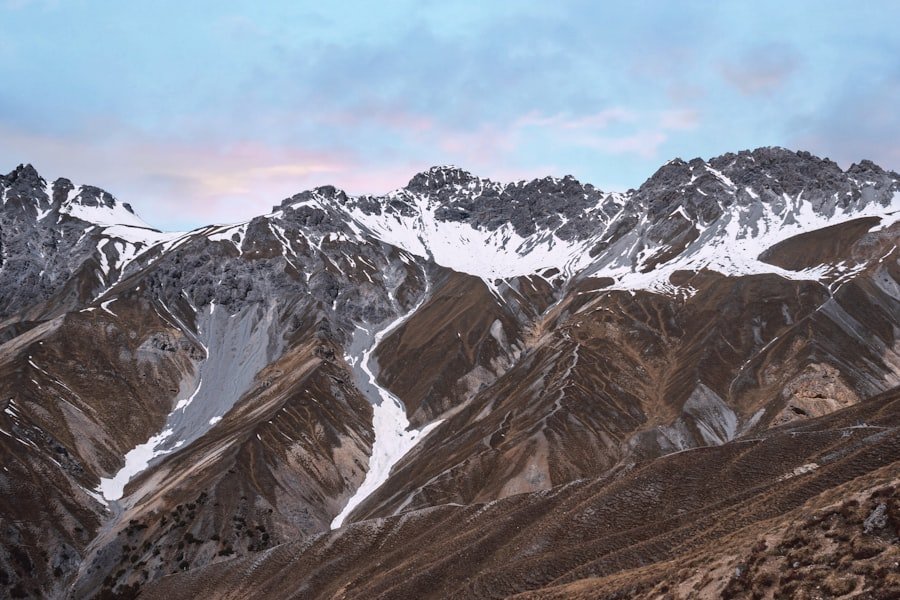
Dubai’s outdoor landscape is defined by desert, coastline, wetlands, and the rocky Hatta region rather than alpine snow. Cooler months make these environments much easier to enjoy for longer periods.
Desert Safaris and Conservation Areas
November through March is the most comfortable period for desert experiences because daytime temperatures are lower. Options include wildlife-focused safaris, dune drives, camel experiences, stargazing, and overnight desert stays. Visit Dubai’s desert activity guide outlines several popular ways to explore the landscape.
Beaches and Water Activities
Winter and the shoulder seasons suit travelers who want to combine the beach with city sightseeing. January and February can feel cooler in the morning or evening, while March, April, October, and November generally suit travelers who prefer warmer beach conditions.
Summer remains possible for resort pools and water attractions, but high air temperature, strong sunshine, warm seawater, and humidity can make extended daytime beach sessions uncomfortable.
Hatta and Hiking
Cooler months are also better for hiking, cycling, kayaking, and other outdoor activities around Hatta. Start early, carry water, use sun protection, and check local conditions before heading onto trails.
Indoor Activities in Summer
Dubai is unusually well equipped for hot-weather travel because many attractions are indoors. Summer itineraries can focus on museums, aquariums, galleries, shopping centers, indoor theme parks, restaurants, observation decks, and entertainment complexes.
Warning: Do not treat Dubai’s summer heat as ordinary beach weather. Reduce strenuous activity during the hottest part of the day, drink water regularly, seek shade or air conditioning, and follow official UAE weather warnings when extreme conditions are forecast.
Cultural Experiences
Dubai offers more than modern skyscrapers and resorts. The cooler travel season is especially good for exploring Al Fahidi Historical Neighbourhood, walking beside Dubai Creek, crossing the water by abra, visiting traditional souks, and spending time in outdoor heritage areas.
Museums, galleries, mosques open to visitors, cultural centers, and traditional food experiences can be enjoyed throughout the year. In summer, these indoor or partly indoor experiences become particularly useful because they reduce exposure to midday heat.
During Ramadan and other religious occasions, visitors should be especially thoughtful about dress, noise, behavior, and local customs. Rules can also differ from those travelers are used to at home, so review current guidance before arrival.
What to Pack for Dubai
Lightweight, breathable clothing works for most of the year. Pack sunglasses, high-SPF sunscreen, a hat, and comfortable shoes if you plan to walk between attractions.
From roughly November through February, a light layer can be useful for cooler evenings, strong indoor air conditioning, or trips into the desert. In summer, prioritize loose clothing, sun protection, and a reusable water bottle.
Dress requirements vary by setting. Beachwear belongs at beaches and pools, while more modest clothing is appropriate in shopping centers, traditional neighborhoods, government buildings, and religious sites.
If you carry photography equipment, choose a comfortable camera bag that protects gear from sand and heat. Always check local photography rules before photographing people, government facilities, airports, or other sensitive areas.
Safety and Security
Personal precautions such as protecting valuables, using licensed transport, and staying aware of your surroundings are sensible in Dubai. However, current travel planning should not focus only on petty theft.
Warning: As of July 28, 2026, regional security conditions remain unusually important for UAE travel. The U.S. Department of State lists the UAE at Level 3, “Reconsider Travel,” because of armed-conflict and terrorism risks, while UK travel guidance warns that regional tensions may lead to attacks, flight cancellations, or airspace disruption. Advisory levels can change, so recheck official guidance immediately before booking and departure.
U.S. travelers should review the U.S. Department of State UAE Travel Advisory. British travelers can consult the UK Foreign, Commonwealth & Development Office UAE guidance. Travelers from other countries should check their own government’s current advisory as well.
Local Laws and Customs
The UAE has laws and social rules that may differ substantially from those in your home country. Official travel guidance warns travelers about restrictions involving illegal drugs and some controlled medicines, public intoxication, photography of sensitive locations, offensive gestures or online activity, and certain public behavior.
Check medication rules before bringing prescription or over-the-counter products into the country, and do not photograph military facilities, government sites, airports, or people without permission where restrictions apply.
Note: Travel advisories and entry conditions are time-sensitive. Always check your airline, the UAE authorities, and your government’s travel-advice service shortly before departure.
Frequently Asked Questions
What is the best time to travel to Dubai?
November through March is the best overall period for most visitors. Temperatures are much more comfortable for sightseeing, beaches, desert excursions, outdoor dining, and walking than they are during the summer.
What is Dubai’s weather like from November to March?
Dubai is generally warm and sunny during the cooler season. Historical WMO/NCM climate data lists mean daily highs from about 24°C (75°F) in January to about 30.5°C (87°F) in November, with cooler nights. Rain is possible but limited compared with many destinations.
Is Dubai more expensive during the best-weather months?
It can be. Cooler weather attracts stronger visitor demand, and prices can rise around holidays, New Year’s Eve, major exhibitions, and festivals. Summer frequently brings hotel and attraction promotions, although exact savings vary by property and date.
When is the Dubai Shopping Festival?
Dates change by edition. The 2025–26 Dubai Shopping Festival ran from December 5, 2025, through January 11, 2026. Check Visit Dubai’s official festival calendar for the dates that apply to your trip rather than relying on an older January-or-February schedule.
What activities are best during Dubai’s cooler season?
Desert safaris, walking tours, beaches, outdoor dining, Dubai Creek, heritage neighborhoods, Hatta excursions, open-air markets, cycling, and waterfront activities are generally more comfortable from November through March.
What is the worst time to visit Dubai?
July and August are usually the hardest months for travelers who want extensive outdoor sightseeing because daytime temperatures can exceed 40°C (104°F) and humidity can add to the discomfort. They can still work well for travelers focused on resorts, shopping, indoor attractions, and summer deals.
Is October a good time to visit Dubai?
Yes, especially later in the month. October is still hot, but conditions gradually become more suitable for beach time, evening walks, and outdoor dining. It can be a useful compromise between peak-winter demand and extreme summer heat.
Can tourists visit Dubai during Ramadan?
Yes. Dubai continues to welcome visitors during Ramadan, but the atmosphere and schedules can change. Respect local customs, check attraction and restaurant hours, dress appropriately, and verify the year’s Ramadan dates before planning your itinerary.
Sources
- Official UAE Government Fact Sheet — UAE climate and general country information.
- World Meteorological Organization — Dubai — climatological temperature and rainfall information supplied by the UAE National Center of Meteorology.
- Visit Dubai Weather Guide — official Dubai tourism weather and trip-planning guidance.
- Visit Dubai — Dubai Summer Surprises — official 2026 summer festival dates and information.
- U.S. Department of State — UAE Travel Advisory — current security and travel-risk guidance.
- UK Foreign, Commonwealth & Development Office — UAE Travel Advice — current regional-security, disruption, laws, and safety guidance.
