

Last Updated on July 28, 2026 by Daniel Globe
Selling aviation kerosene to airlines is not an ordinary wholesale-fuel transaction. A supplier must prove that the fuel meets the required aviation specification, preserve its quality from the refinery to the aircraft, secure airport access, comply with safety and environmental rules, and show that deliveries will continue during disruptions. Price matters, but reliability, traceability, quality control, and financial strength often determine whether a supplier is qualified to bid.
Quick Answer
To sell aviation kerosene to airlines, secure a traceable Jet A or Jet A-1 supply, meet the latest fuel specification, obtain airport and environmental approvals, build a documented quality-control system, arrange compliant storage and transport, pass airline qualification, and negotiate an indexed supply contract with clear service and contingency terms.
Key Takeaways
- Airlines buy approved fuel supply, quality assurance, airport delivery, and operational reliability—not just a commodity.
- Jet A and Jet A-1 must meet the current applicable specification, normally ASTM D1655 or another specification required by the buyer and jurisdiction.
- Product certification at the refinery does not replace downstream controls for transport, storage, sampling, filtration, segregation, and release.
- Airport permission, hazardous-material rules, environmental plans, fire codes, training, insurance, and tax requirements may all apply.
- Most airline contracts use an agreed market index plus location, logistics, tax, airport, and service differentials.
- A credible backup-supply and incident-response plan can be as important as the quoted price.
At a Glance
| Time Required | Usually several months to more than a year, depending on permits, airline qualification, airport approvals, contracts, and infrastructure. |
| Difficulty | High; the work combines petroleum trading, aviation quality control, hazardous-material logistics, airport operations, finance, and regulatory compliance. |
| Tools Needed | Approved fuel source, quality-management system, qualified laboratory support, compliant storage and transport, trained staff, insurance, contracts, and emergency procedures. |
| Cost | Varies widely. A marketer using contracted infrastructure needs working capital and guarantees, while owned tanks, hydrants, trucks, and airport facilities can require major capital investment. |
Warning: Aviation kerosene is a hazardous petroleum product. Do not store, transport, blend, release, or dispense it without the approvals, trained personnel, compliant equipment, insurance, testing, and emergency controls required by the applicable jurisdiction and airport.
Disclosure: As an Amazon Associate I earn from qualifying purchases. Some links on this page are affiliate links, at no extra cost to you.
Understand the Aviation Kerosene Market
The aviation kerosene market is driven by flight activity, crude-oil and refining economics, regional supply capacity, airport infrastructure, taxes, geopolitical events, and airline fleet efficiency. Global passenger demand has moved beyond the pandemic-recovery stage. The International Air Transport Association reported that full-year passenger traffic grew 5.3% in 2025 after reaching a record in 2024.
Fuel demand does not always rise at the same rate as passenger traffic. Newer aircraft, higher load factors, route changes, and operating improvements can reduce fuel used per seat. In the United States, the Energy Information Administration reported that commercial aviation capacity had recovered by 2024 while gains in fleet efficiency helped slow jet-fuel consumption growth.
The addressable market is not simply “all fuel used by airlines.” It is the volume at airports where a supplier can obtain access, meet the required specification, finance inventory, and deliver at an acceptable total cost.
Jet A, Jet A-1, and Sustainable Aviation Fuel
Jet A and Jet A-1 are the principal kerosene-type civil aviation turbine fuels. They are covered by the current ASTM D1655 specification when that standard applies.
- Jet A: Used mainly in the United States. Its maximum freeze point is generally −40°C.
- Jet A-1: Common outside the United States. Its maximum freeze point is generally −47°C.
- Both grades: Have a minimum flash point of 38°C under the referenced specification, along with detailed limits for composition, volatility, fluidity, combustion, corrosion, thermal stability, contaminants, and additives.
Aviation kerosene is not interchangeable with ordinary heating kerosene. Even when a non-aviation product has similar boiling, flash-point, or freeze-point properties, it has not necessarily been manufactured, tested, documented, transported, or protected under aviation-fuel controls.
Sustainable aviation fuel, or SAF, may contain approved synthetic blending components. Under ASTM D7566, a qualifying batch that is certified and released to the standard can be regarded as D1655 turbine fuel and handled as the equivalent conventional grade. The exact approved pathway, blend limit, certificate, sustainability evidence, and chain-of-custody requirements still matter.
Note: IATA expects global SAF production to reach about 2.4 million tonnes in 2026, equal to roughly 0.8% of annual jet-fuel use. SAF is an important commercial opportunity, but it remains a small and premium-priced part of the overall market.
Identify the Right Buyers
Major passenger airlines are visible buyers, but they are not the only route to market. At many airports, fuel is purchased, stored, or dispensed through a consortium, airport fuel system, into-plane service company, fixed-base operator, concessionaire, or contracted fuel manager.
Potential buyer groups include:
- Network and low-cost passenger airlines: Often use formal tenders covering one airport, a country, or a multi-airport network.
- Regional airlines: May buy directly or through the systems used by a larger partner.
- Cargo carriers: Need reliable supply at scheduled hubs and diversion airports.
- Charter and business-aviation operators: May purchase through fixed-base operators or fuel-card networks rather than direct refinery-scale contracts.
- Airport fuel consortiums and operators: Can control shared storage and hydrant infrastructure.
- Government and military buyers: Usually follow separate tender, specification, security, and contracting rules.
Research Each Airport Before Contacting an Airline
A supplier should answer these questions before preparing a sales pitch:
- Who owns or operates the airport fuel farm and hydrant system?
- Can new suppliers inject fuel into the system?
- Is access controlled through a lease, concession, throughput agreement, consortium membership, or handling contract?
- Which fuel grade and quality standard does the airport accept?
- Which pipeline, terminal, truck, rail, barge, or coastal routes serve the airport?
- Who performs into-plane delivery?
- What storage, minimum-stock, emergency-stock, and nomination rules apply?
- Which taxes, inspection fees, throughput charges, and airport fees apply?
- Does the airline issue public tenders, invited tenders, or direct negotiations?
Choose Your Business Model
The required capital, permits, personnel, and risk depend on what the company will actually do.
- Producer or refiner: Manufactures and certifies the original batch.
- Importer or wholesaler: Buys certified fuel and brings it into a national or regional market.
- Marketer or reseller: Holds commercial title while contracting storage and logistics from other companies.
- Broker or agent: Introduces parties or arranges transactions without necessarily taking title or physical custody.
- Terminal or storage operator: Receives, segregates, stores, tests, and releases fuel.
- Transport provider: Moves fuel by pipeline, vessel, rail, or cargo-tank motor vehicle.
- Into-plane operator: Delivers fuel from an airport system or refueler into aircraft.
A company that only markets fuel has a different regulatory profile from a company that owns tanks, drives fuel trucks, blends SAF, or refuels aircraft. Contracts should state each party’s role clearly, including where title, custody, quality responsibility, and risk of loss transfer.
Build a Supplier-Readiness Package
Before contacting airline procurement teams, assemble evidence that the company can deliver safely and continuously. A typical qualification package may include:
- Company registration, ownership, tax, sanctions-screening, and banking information.
- Audited financial statements, trade references, and proof of working-capital capacity.
- Product-source agreements and refinery or terminal details.
- Fuel specifications, certificates, sampling procedures, and laboratory arrangements.
- A documented quality-management system with named release authority.
- Storage, transport, throughput, and into-plane agreements.
- Airport permits, leases, concessions, access approvals, and security credentials.
- Environmental permits, spill plans, tank records, and emergency-response procedures.
- Personnel qualifications and initial and recurrent training records.
- Insurance certificates for general liability, pollution liability, vehicle operations, product liability, and aviation-related exposures as required.
- Business-continuity plans covering refinery outages, terminal closures, transport disruption, weather, and supply allocation.
- Quality, safety, environmental, sanctions, anti-bribery, and sustainability policies.
Pro Tip: Build a secure digital data room before answering a tender. Keep current certificates, permits, insurance, laboratory records, training evidence, financial documents, contingency plans, and signed infrastructure agreements in one controlled location.
Meet Regulatory and Airport Requirements
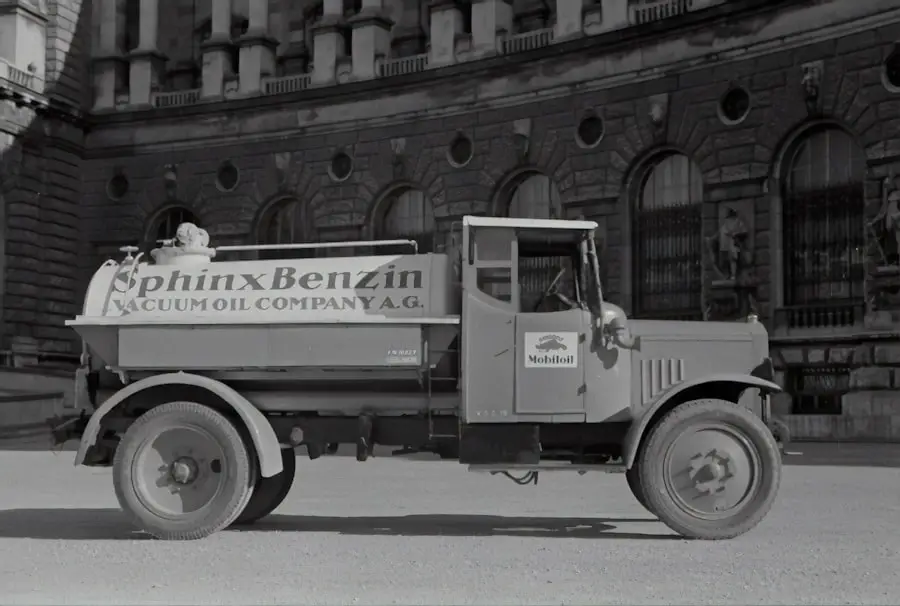
There is no single worldwide license that authorizes a business to sell aviation kerosene everywhere. The applicable requirements depend on the country, state or province, airport, business model, storage design, transport mode, and whether the company takes physical custody of the fuel.
Fuel Specification
The sales contract should name the exact fuel grade, current revision of the required specification, permitted additives, testing requirements, certificate format, and applicable buyer-specific standards. In many civil transactions this means Jet A or Jet A-1 meeting ASTM D1655, but national specifications, DEF STAN requirements, purchaser checklists, or other contract standards may also apply.
Airport Fueling and Fire Safety
At U.S. airports certificated under Part 139, 14 CFR 139.321 requires airport standards that address fuel facilities, procedures, bonding, access control, fire safety, and personnel training. The active FAA Advisory Circular 150/5230-4C provides guidance for airport fuel storage, handling, dispensing, and training.
The airport’s own certification manual, fire code, lease, concession terms, operating procedures, security rules, and inspection program may add requirements. Approval from an airline does not replace approval from the airport or public authority.
Hazardous-Material Transportation
In the United States, parties offering or transporting jet fuel in commerce may be subject to the DOT Hazardous Materials Regulations in 49 CFR Parts 171–180. Depending on the operation, duties can include correct classification, shipping papers, marking, placarding, cargo-tank compliance, emergency-response information, security planning, and employee training.
International or cross-border movements can also involve customs, dangerous-goods, road, rail, maritime, pipeline, and import rules in every relevant jurisdiction.
Environmental and Tank Requirements
Facilities that store oil may be subject to the EPA’s Spill Prevention, Control, and Countermeasure rules. Covered facilities may need a written SPCC Plan, secondary containment, inspections, integrity testing, training, and discharge-response procedures.
Airport hydrant systems and field-constructed tanks may also fall under federal or state underground-storage-tank requirements. State and local rules can be more stringent than federal minimums.
Worker Safety, Fire Codes, and Security
Employers must evaluate workplace obligations involving flammable liquids, hazard communication, personal protective equipment, exposure control, emergency action, and fire prevention. Local fire marshals, airport authorities, occupational-safety agencies, environmental regulators, and security agencies may all have approval or inspection roles.
Note: This article provides general business and safety information, not legal, tax, engineering, environmental, or regulatory advice. Obtain jurisdiction-specific guidance before committing capital or signing a supply contract.
Develop a Marketing and Tender Strategy
Airline fuel procurement is evidence-driven. Buyers need to know where the fuel comes from, how it reaches the airport, how its quality is protected, what happens during a disruption, and how the total delivered price is calculated.
| Procurement Factor | What the Buyer Wants to Know | Evidence to Provide |
|---|---|---|
| Fuel quality | Will every delivered batch meet the contracted grade and remain protected through distribution? | Specification, certificates, quality manual, laboratory details, sampling plan, release procedure, and audit history. |
| Supply security | Can supply continue during a refinery, terminal, pipeline, weather, or transport disruption? | Primary and backup sources, minimum-stock plan, alternate routes, emergency allocation process, and contact tree. |
| Airport access | Does the supplier have the legal and operational right to deliver into the required system? | Throughput agreement, concession, lease, handling agreement, security approval, and airport acceptance. |
| Delivered cost | How is the price calculated, and which costs can change? | Index formula, differential, freight, storage, throughput, taxes, fees, currency basis, and adjustment rules. |
| Financial capacity | Can the supplier finance inventory and survive price, timing, or volume swings? | Audited accounts, credit facilities, guarantees, insurance, trade references, and risk policy. |
| Service performance | Will deliveries, documents, invoices, and incident responses meet the airline’s schedule? | Service-level commitments, KPI history, escalation process, staffing model, and 24-hour emergency contact. |
Find and Prepare for Tenders
Airlines may issue requests for information, prequalification questionnaires, requests for proposals, electronic auctions, or direct invitations to selected suppliers. Monitor airline procurement portals, airport and consortium notices, government tender systems, and established aviation-fuel industry networks.
A strong tender response should:
- Follow every instruction and submission deadline exactly.
- State the offered airport, grade, volume, delivery point, and contract period clearly.
- Separate the market index from the supplier differential and pass-through costs.
- Identify all assumptions and exclusions.
- Provide documentary evidence rather than promotional claims.
- Disclose subcontractors and infrastructure dependencies.
- Explain backup supply and emergency communication.
- Confirm the validity period of the quotation.
Industry conferences and trade events can help suppliers meet procurement, operations, sustainability, and quality personnel. However, relationship-building does not replace qualification, competitive pricing, or a compliant physical supply chain.
Note: Consumer travel-accessory trends are not a reliable basis for airline fuel procurement. A passenger-facing article such as 5 Must-Have Softside Carry-On Luggage with Wheels for Spring 2025 may suit a separate travel audience, but fuel buyers evaluate specifications, logistics, reliability, risk, and delivered cost.
Negotiate an Airline Fuel-Supply Contract
Aviation-fuel contracts must align the commercial deal with the physical supply chain. Important clauses commonly include:
- Product and specification: Grade, current specification revision, additives, quality documents, test methods, and buyer-specific requirements.
- Delivery point: Refinery gate, terminal, airport tank, hydrant inlet, refueler, or aircraft wing.
- Title and risk: The exact point where ownership, custody, quality responsibility, and risk of loss transfer.
- Volumes: Forecasts, firm nominations, minimums, maximums, tolerances, seasonal profiles, and growth allowances.
- Price formula: Agreed index, assessment timing, location differential, transport, storage, throughput, taxes, airport charges, and currency.
- Index disruption: A replacement method if the selected assessment is discontinued, delayed, or materially changed.
- Payment: Invoice timing, credit limit, security, guarantees, late-payment rules, dispute procedure, and setoff rights.
- Quality claims: Sampling, retained samples, testing laboratory, notification, quarantine, investigation, rejection, replacement, and liability.
- Service levels: Delivery windows, minimum stock, response time, documentation, reporting, and escalation.
- Force majeure: Defined events, notice, mitigation duties, allocation, substitute supply, and termination rights.
- Audit rights: Access to relevant quality, safety, sustainability, and delivery records.
- Insurance and indemnity: Limits and scope appropriate to product, pollution, vehicle, storage, and aviation risks.
- Sanctions and compliance: Trade controls, anti-bribery, tax, customs, environmental, and safety obligations.
Pro Tip: Model the contract under low-volume, high-volume, delayed-payment, rising-price, falling-price, and emergency-supply scenarios. A profitable headline differential can become a loss if working capital, throughput minimums, demurrage, inventory shrinkage, or backup freight is ignored.
Set Up the Distribution Network
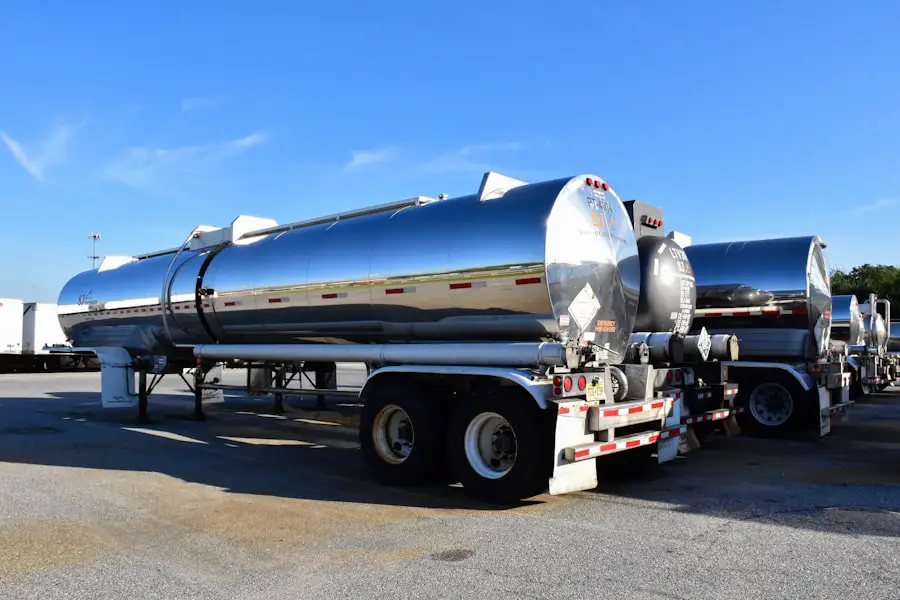
Aviation kerosene may move from a refinery or import terminal by pipeline, vessel, barge, rail, or cargo-tank vehicle. It may then pass through one or more intermediate terminals before entering airport storage, a hydrant system, a refueler, and finally the aircraft.
Map Every Custody Transfer
For each stage, document:
- The party holding title and physical custody.
- The applicable product and quality standard.
- The required certificate or test record.
- The approved tank, line, vehicle, or vessel.
- Sampling, testing, filtration, sealing, and release responsibilities.
- Maximum transit or storage conditions where relevant.
- Loss measurement and inventory-reconciliation rules.
- Incident notification and quarantine authority.
Design for Disruption
A backup plan should identify alternate fuel sources, terminals, transport providers, airports, storage positions, and decision-makers. It should also state when emergency supply can be activated, how extra cost is approved, and how scarce volume will be allocated among customers.
Do not advertise a backup source unless the necessary credit, transport, storage, quality, and airport-access arrangements are executable. A refinery relationship in another region is not useful if the fuel cannot reach the airport in time.
Protect Fuel Quality from Refinery to Aircraft
ASTM D1655 establishes minimum properties for Jet A and Jet A-1 at batch certification, but it does not by itself provide every downstream quality-assurance procedure needed after the fuel enters distribution. Suppliers should use the standards required by their contract and operation, which may include ICAO Doc 9977, EI/JIG Standard 1530, JIG standards, ATA Specification 103, API publications, airport rules, and buyer procedures.
A refinery certificate proves that a batch met its specification when released. Documented controls preserve that quality as the fuel moves through tanks, pipelines, vehicles, hydrants, and refueling equipment.
Core Quality-Control Elements
- Approved product sources and current specifications.
- Batch identity and full traceability through every custody transfer.
- Certificates of quality, recertification records, release certificates, or other documents required for the movement.
- Dedicated or properly controlled tanks, lines, vehicles, and equipment.
- Product segregation and grade-identification controls.
- Receipt, settling, sampling, inspection, testing, and release procedures.
- Water detection and removal controls.
- Filtration and equipment-maintenance programs.
- Tank-bottom draining and cleanliness procedures.
- Seal numbering and tamper-control records where used.
- Additive receipt, storage, injection, and concentration controls.
- Calibration and verification of test and measurement equipment.
- Retained samples and record-retention rules.
- Qualified laboratories and trained personnel.
- Internal audits, supplier audits, corrective actions, and management review.
- Formal management of changes to sources, tanks, lines, equipment, procedures, software, or subcontractors.
Respond to Suspected Contamination or Off-Specification Fuel
- Stop transfer or delivery immediately when safe to do so.
- Identify and quarantine every potentially affected tank, vehicle, line, and batch.
- Protect evidence, seals, documents, and retained samples.
- Notify the designated quality authority and affected contractual parties.
- Use an agreed, qualified laboratory and sampling procedure.
- Trace previous and subsequent movements to define the affected population.
- Do not release, blend, regrade, return, or dispose of fuel without documented authorization.
- Record the root cause, corrective action, customer disposition, and regulatory notifications.
Warning: Never try to “fix” questionable aviation fuel through undocumented blending or additive treatment. A quality concern requires quarantine, investigation, authorized testing, and a formally approved disposition.
Manage Inventory and Storage
Inventory planning must balance supply reliability against capital cost, storage capacity, product aging, throughput commitments, and demand uncertainty. Airlines typically provide forecasts and shorter-term nominations, but actual uplift can change because of weather, aircraft substitutions, schedule changes, tankering, diversions, or disruptions elsewhere in the network.
Track More Than Tank Volume
A useful inventory system should show:
- Book and physical inventory by batch, grade, tank, and ownership.
- Available, quarantined, reserved, and unusable volume.
- Inbound movements and confirmed arrival times.
- Airline forecasts, nominations, and actual uplift.
- Minimum operating stock and emergency reserve.
- Tank capacity, working capacity, and operational constraints.
- Measured losses, gains, temperature-related adjustments, and unexplained variance.
- Outstanding quality documents or release restrictions.
Storage facilities must follow the approved inspection, maintenance, water-drain, sampling, cleanliness, calibration, overfill-prevention, spill-control, security, and integrity-testing programs applicable to the facility.
Set Pricing and Payment Terms
Airline fuel prices are commonly built from an agreed market reference plus a differential. The complete delivered price may include:
- The selected market index or price assessment.
- Location, grade, and timing basis.
- Supplier margin.
- Pipeline, vessel, rail, or truck freight.
- Terminal storage and handling.
- Airport throughput or hydrant fees.
- Into-plane service charges.
- Taxes, duties, environmental charges, and inspection fees.
- Currency conversion and banking cost.
- SAF premium, certificate cost, or chain-of-custody service where applicable.
The contract should specify the publication, quotation period, averaging method, time zone, unit conversion, rounding method, holiday treatment, and invoice evidence. Avoid informal phrases such as “market price” because two parties may interpret the same term differently.
Control Credit and Working-Capital Risk
Airline fuel contracts can require substantial cash because suppliers may pay for product, freight, taxes, and storage before collecting from the buyer. Payment terms should therefore be based on a credit review rather than offered automatically.
Possible controls include deposits, parent guarantees, bank guarantees, letters of credit, credit insurance, shorter billing cycles, volume limits, suspension rights, and collateral. The contract should also address disputed invoices without allowing a small dispute to delay payment of the undisputed balance.
Provide Customer Support and After-Sales Service
A dedicated airline account team should connect commercial, supply, quality, credit, tax, and operations personnel. Buyers should know whom to contact for normal nominations, urgent delivery changes, quality concerns, invoice disputes, and emergencies.
Useful service indicators include:
- On-time and in-full delivery rate.
- Stockout or allocation events.
- Document accuracy and delivery time.
- Quality incidents and near misses.
- Time to acknowledge and resolve claims.
- Invoice accuracy.
- Forecast versus actual uplift.
- Inventory variance.
- Safety, spill, and training performance.
- Corrective-action closure time.
Review performance with the airline at an agreed frequency. Report failures honestly, identify the root cause, and show whether corrective action has been verified.
Develop a Credible SAF Offering
Airlines are seeking lower-emission options, but SAF sales require more than applying a green label to conventional fuel. A credible offer should identify:
- The approved ASTM D7566 production pathway.
- The synthetic blending-component producer and batch.
- The blend location and permitted blend percentage.
- Certification and redesignation as D1655 fuel.
- Sustainability certification and lifecycle-emissions evidence.
- Feedstock and chain-of-custody information.
- Whether the transaction uses physical delivery, mass balance, or book-and-claim.
- Who owns the environmental attributes.
- How double counting is prevented.
- The applicable mandate, tax, customs, or CORSIA treatment.
Do not promise a percentage reduction in emissions unless the claim is tied to the correct lifecycle method, certified batch, contractual attributes, and reporting boundary. Tailpipe carbon dioxide is not eliminated merely because SAF is used; the claimed benefit is normally based on lifecycle accounting.
Expand and Grow the Business
Growth should follow proven control, not run ahead of it. A supplier can expand by adding airports, buyer groups, storage positions, logistics routes, SAF capability, or related services such as inventory management and into-plane coordination.
Before entering a new airport or country, repeat the full review of product specification, infrastructure, airport access, taxes, transport, permits, quality systems, credit exposure, and emergency supply. Do not assume a successful process at one airport will be accepted unchanged at another.
Partnerships and acquisitions can provide infrastructure or market access, but due diligence should cover tank integrity, contamination history, environmental liabilities, permits, employee competence, customer contracts, sanctions exposure, quality records, and outstanding claims.
Common Problems and How to Handle Them
| Problem | Likely Cause | Response |
|---|---|---|
| Airline rejects the bid before pricing review | Incomplete prequalification, missing airport access, weak financials, or inadequate quality evidence. | Request permitted feedback, close documentary gaps, obtain firm infrastructure rights, and improve the qualification package. |
| Delivery is delayed | Late nomination, terminal congestion, vehicle shortage, weather, documentation error, or access restriction. | Activate escalation and backup transport, inform the buyer early, protect quality controls, and record the root cause. |
| Unexpected demand spike | Diversions, schedule recovery, tankering change, or disruption at another airport. | Check usable stock, confirm replenishment, apply the agreed allocation process, and coordinate updated nominations. |
| Price invoice is disputed | Different index timing, unit conversion, tax treatment, fee basis, or currency interpretation. | Recalculate from the contract formula, provide source evidence, correct errors promptly, and clarify ambiguous language by amendment. |
| Fuel quality is questioned | Water, contamination, commingling, missing records, equipment failure, or inconsistent test results. | Stop movement, quarantine the affected system, notify quality authorities, preserve samples, investigate, and obtain documented disposition. |
| Contract volume becomes unprofitable | Unhedged exposure, throughput minimums, high backup freight, payment delay, or incorrect cost assumptions. | Reconcile actual cost against the model, enforce contractual adjustments, control exposure, and revise future bid assumptions. |
Step-by-Step Roadmap to Your First Airline Contract
- Choose the business role. Decide whether the company will produce, import, take title, store, transport, market, or dispense fuel.
- Select the target airport and buyer. Confirm demand, infrastructure ownership, access route, grade, and procurement process.
- Secure a qualified fuel source. Obtain a binding or executable supply arrangement with the required grade, documentation, and volume.
- Build the physical route. Contract compliant transport, storage, throughput, and into-plane services with backup options.
- Complete legal and regulatory approvals. Address company, tax, customs, environmental, hazardous-material, fire, airport, security, and operating requirements.
- Implement the quality-management system. Define specifications, certificates, sampling, testing, release, quarantine, records, audits, and incident response.
- Arrange finance and insurance. Model working capital, obtain credit facilities, set risk limits, and place the required coverage.
- Pass supplier prequalification. Submit complete evidence and prepare for airline, airport, or consortium audits.
- Bid and negotiate. Quote a clear index-based delivered price and negotiate quality, volume, payment, service, liability, and force-majeure terms.
- Commission and operate under control. Verify facilities, equipment, records, training, communications, stock, and emergency arrangements before the first delivery.
Sources
- IATA — Strong 2025 Passenger Demand — supports current global passenger-demand context.
- ASTM D1655-26 and ASTM D7566-26 — support Jet A, Jet A-1, and synthetic aviation-fuel specification guidance.
- FAA AC 150/5230-4C and 14 CFR 139.321 — support airport storage, handling, fire-safety, and personnel-training guidance.
- EPA Oil-Spill Prevention Rules and EPA Airport Hydrant System Guidance — support SPCC, tank, spill, and release-prevention guidance.
- 49 CFR Part 172 and 49 CFR Part 173 — support U.S. hazardous-material classification, documentation, and shipment requirements.
- IATA Sustainable Aviation Fuel — supports current SAF production and market-scale information.
Frequently Asked Questions
What is aviation kerosene?
Aviation kerosene is a category of kerosene-type fuel made for aircraft turbine engines. The main civil grades are Jet A and Jet A-1. The supplied fuel must meet the grade, specification, additive, documentation, and quality-control requirements stated by the contract and jurisdiction.
What is the difference between Jet A and Jet A-1?
Both are kerosene-type aviation turbine fuels. Jet A is used mainly in the United States and generally has a maximum freeze point of −40°C. Jet A-1 is common internationally and generally has a maximum freeze point of −47°C. Contract specifications and permitted additives can create other differences.
Can ordinary heating kerosene be sold as aircraft fuel?
No. A non-aviation kerosene product is not automatically suitable for aircraft. Aviation fuel must meet the full required specification and be manufactured, tested, documented, stored, transported, and released through an approved quality-controlled supply chain.
Do I need a license to sell aviation kerosene?
There is no single universal license. Depending on the business model and location, a supplier may need company and tax registrations, import or customs approvals, hazardous-material registrations, environmental permits, tank approvals, airport agreements, security credentials, fire-code approval, trained personnel, and insurance.
How do airlines buy aviation kerosene?
Airlines may use prequalified tenders, requests for proposals, electronic auctions, direct negotiations, airport consortiums, or contracted fuel managers. The buyer normally evaluates quality, supply security, airport access, total delivered cost, financial capacity, service performance, and contract risk.
How can a new company become an airline fuel supplier?
Choose a clear business role, secure a qualified source, obtain airport and regulatory approvals, contract compliant logistics, implement a quality-management system, arrange finance and insurance, prepare a supplier data room, pass prequalification, and then bid for a defined airport and contract period.
Can sustainable aviation fuel be sold as Jet A or Jet A-1?
Approved synthetic blending components can be blended and certified under ASTM D7566. Once the finished batch meets D7566 and is released as specified, it can be regarded as D1655 turbine fuel. Sustainability certification and environmental attributes still require separate documentation and chain-of-custody controls.
What are the biggest risks in selling aviation kerosene?
Major risks include off-specification or contaminated fuel, stockouts, airport-access failure, transport disruption, spills, fire, regulatory breaches, price exposure, customer credit failure, inadequate working capital, inaccurate sustainability claims, and contracts that do not assign quality or liability clearly.
