

Last Updated on July 30, 2026 by Daniel Globe
Santa Barbara is easy to enjoy without rushing. Its beaches, red-tile architecture, gardens, waterfront, restaurants, and tasting rooms sit within a relatively compact area, while the Santa Ynez Mountains and Channel Islands open the door to bigger adventures. This guide covers the best things to do in Santa Barbara, along with realistic itineraries, reservation advice, transportation tips, and safety information.
Quick Answer
Start with the Santa Barbara County Courthouse, Old Mission Santa Barbara, Stearns Wharf, and the Funk Zone. Add a beach afternoon, the Botanic Garden, and local food or wine tasting. Three days is ideal, while Channel Islands National Park or the Santa Ynez Valley works best as a separate full-day trip.
Key Takeaways
- Downtown, the Funk Zone, Stearns Wharf, and the waterfront are close enough to explore on foot.
- Old Mission Santa Barbara, the County Courthouse, and the Botanic Garden are the strongest choices for history, architecture, and gardens.
- Leadbetter Beach suits beginning surfers, while Gaviota and Jalama are more remote and exposed.
- Reserve Lotusland, island transportation, popular tours, and high-demand restaurants before your trip.
- Channel Islands National Park requires a separate full day, advance transportation, and preparation for limited services.
Disclosure: As an Amazon Associate I earn from qualifying purchases. Some links on this page are affiliate links, at no extra cost to you.
Best Time to Visit Santa Barbara
Santa Barbara is a year-round destination, but each season has trade-offs. Spring often brings green hills, wildflowers, and comfortable hiking weather. Summer offers long beach days but also larger crowds, coastal morning clouds, and higher lodging demand. Early fall can remain warm and is popular for beach visits and wine-country excursions. Winter is usually quieter, though Pacific storms can bring rain, trail closures, runoff, and larger surf.
Major events can fill hotels and affect parking. Old Spanish Days generally takes place in summer, the Summer Solstice Celebration occurs around June, and the Santa Barbara International Film Festival is held in winter. Check official calendars before booking because dates, routes, and venue details change each year.
Note: Attraction hours, tasting-room schedules, shuttle service, parking fees, and beach conditions can change. Confirm the details directly with each attraction shortly before your visit.
Top Attractions and Must-See Santa Barbara Landmarks
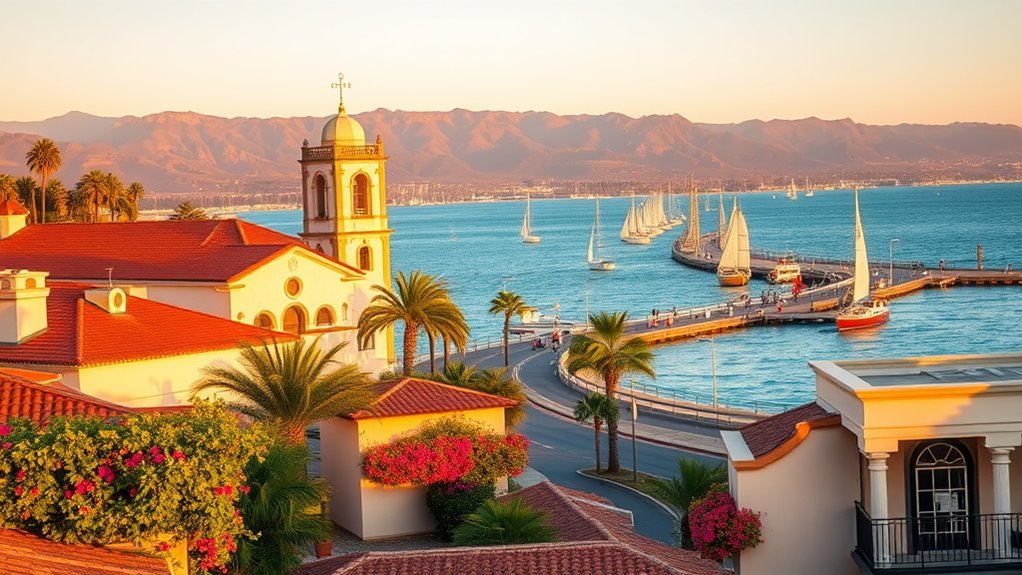
Old Mission Santa Barbara
Old Mission Santa Barbara was founded in 1786 and remains an active religious, cultural, and historic site. Visitors can learn about the church, museum, cemetery, gardens, and the Mission era, subject to worship services and current visitor hours.
The history is more complex than the building’s graceful arches suggest. The Mission’s own educational material explains that Chumash people built and inhabited the community. A thoughtful visit should make time for this history rather than treating the property only as a photo stop.
Santa Barbara County Courthouse
The historic Santa Barbara County Courthouse is one of the city’s best architectural stops. Walk through the tiled halls and Mural Room, explore the landscaped grounds, and take the elevator toward the 85-foot El Mirador clock tower for broad views of downtown, the mountains, and the coast. Access can be affected by court operations, holidays, maintenance, and special events.
Stearns Wharf and the Waterfront
Built in 1872, Stearns Wharf is California’s oldest working wooden wharf. It is an easy place for a harbor walk, casual food, small shops, sunset views, and a look back toward the city’s red roofs and mountain backdrop. West Beach, the harbor, the Funk Zone, and the lower end of State Street are all nearby.
Santa Barbara Botanic Garden
The Santa Barbara Botanic Garden covers 78 acres and has about six miles of trails devoted to California native plants. Paths range from gentle garden walks to longer natural-surface routes. Reserve or buy admission ahead when recommended, wear walking shoes, and check current trail accessibility if anyone in your group has mobility limitations.
The Funk Zone and Urban Wine Trail
The Funk Zone is a walkable former industrial district near the waterfront. Its blocks now hold galleries, restaurants, boutiques, breweries, and winery tasting rooms. The Santa Barbara Urban Wine Trail connects urban winery locations in several neighborhoods, with many concentrated around the Funk Zone.
Not every tasting room follows the same hours or reservation policy. Choose a small number rather than racing between stops, drink water, eat beforehand, and leave time to browse the neighborhood’s art and shops.
Pro Tip: Visit the courthouse early, continue to State Street for lunch, and finish in the Funk Zone and waterfront area. This creates an efficient first day with little need to move your car.
Beach Days, Water Sports, and Outdoor Adventures
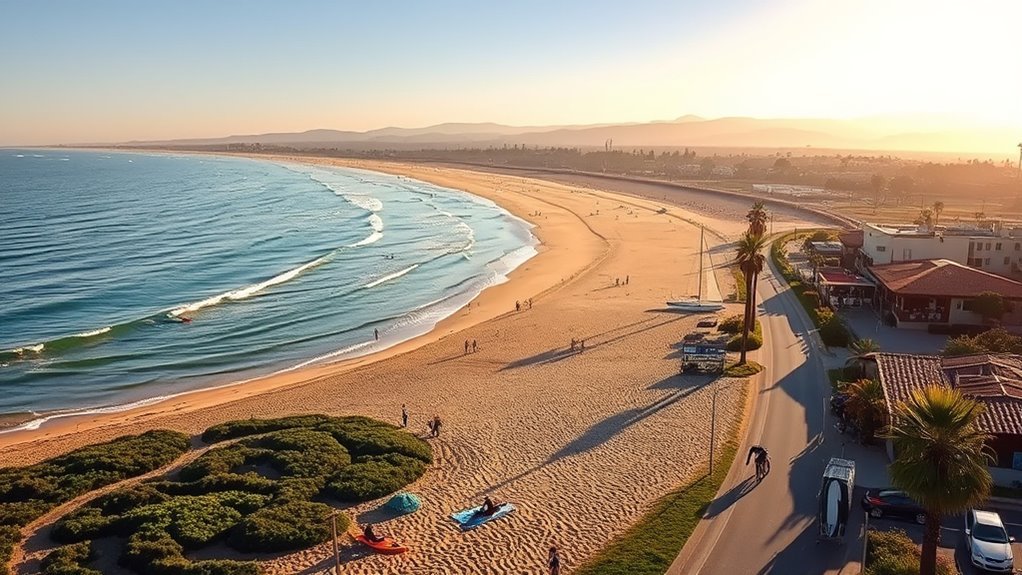
Santa Barbara’s beaches support everything from quiet walks to surfing and paddling, but the best location depends on your experience and the day’s conditions. Leadbetter Beach is popular with beginning surfers, windsurfers, and sailors. West Beach sits close to the harbor and is convenient for kayaking and waterfront sightseeing. Butterfly Beach is known for its views and sunsets, though public parking is limited.
Arroyo Burro Beach, also called Hendry’s Beach, has picnic facilities and a designated area where dogs may be off leash. Refugio State Beach is farther west and supports kayaking, surfing, fishing, picnicking, and camping. Gaviota and Jalama also attract surfers, but they are more remote and can experience stronger wind, waves, and changing coastal conditions.
| Activity | Good Starting Point | What to Know |
|---|---|---|
| Kayaking and paddleboarding | Santa Barbara Harbor and West Beach | Use a reputable operator, wear a personal flotation device, and confirm wind and swell conditions. |
| Beginning surfing | Leadbetter Beach | Arrange a lesson separately and never assume conditions are beginner-friendly every day. |
| Experienced surfing | Gaviota Coast or Jalama | These areas are farther from town and can have stronger wind, currents, and surf. |
| Sunset watching | Butterfly Beach, Shoreline Park, or Stearns Wharf | Arrive before sunset because parking and viewing areas can fill quickly. |
| Coastal or foothill hiking | Shoreline paths or the Inspiration Point area | Carry water and check current trail, heat, fire, road, and closure information before leaving. |
Warning: Rip currents and breaking waves can become dangerous even when the beach looks calm. Check the National Weather Service surf forecast, obey posted warnings, and do not assume lifeguards are present. After rain, review the county’s ocean-water advisories before swimming.
For a land-based adventure, Inspiration Point offers wide city and channel views, but route access can change after storms, fires, and trail work. Start early, carry more water than you expect to need, and avoid exposed foothill hikes during excessive heat or active fire conditions.
Food, Wine Trails, and Where to Eat

Santa Barbara’s dining scene ranges from harbor seafood and neighborhood Mexican restaurants to tasting menus and long-running local institutions. The Funk Zone is useful when you want several choices within walking distance, while downtown State Street, the harbor, Montecito, and Milpas Street each offer a different mix.
Wine Tasting in Town
The Urban Wine Trail lets you sample Santa Barbara County wines without driving into the vineyards. Many participating tasting rooms are in or near the Funk Zone, with others spread through downtown and nearby neighborhoods. Reservations are not universal, but booking is wise for weekends, holidays, and larger groups.
Long-Running and Casual Local Stops
Brophy Bros. serves seafood in the Santa Barbara Harbor with marina views. Joe’s Cafe has been part of downtown Santa Barbara since 1928 and remains known for classic American fare and its lively bar. Los Agaves is a popular choice for regional Mexican dishes, while the Funk Zone and Milpas Street provide many additional casual options.
For a drive into the mountains, Cold Spring Tavern began as an 1868 stagecoach stop on San Marcos Pass. Its rustic setting and tri-tip have made it a long-running excursion, but visitors should check opening days, road conditions, and live-music schedules before making the drive.
Finish with McConnell’s Fine Ice Creams, a Santa Barbara company founded in 1949. Use the company’s current shop locator rather than relying on a fixed number of locations.
Warning: Do not drive after wine tasting. Choose a designated driver, use a rideshare, join a guided tour, or remain within the walkable downtown and Funk Zone area.
Three-Day Santa Barbara Itinerary and Day-Trip Ideas
Three days gives you enough time to enjoy Santa Barbara’s history, waterfront, gardens, and food without packing every hour. Keep the plan flexible for weather, reservations, and seasonal opening hours.
Day 1: Downtown, the Funk Zone, and the Waterfront
Morning: Begin at the Santa Barbara County Courthouse before downtown becomes busy. Tour the public areas, visit the Mural Room, and go up the clock tower if it is open.
Afternoon: Walk through downtown and stop for lunch near State Street. Continue toward the Funk Zone for galleries, shops, and one or two tasting rooms. Families can substitute MOXI, the interactive science museum near the train station.
Evening: Walk to Stearns Wharf and the harbor for dinner and sunset. This entire day can be completed without a car if you stay downtown or near the waterfront.
Day 2: Mission History, Native Plants, and the Beach
Morning: Visit Old Mission Santa Barbara and allow time for the museum, church, cemetery, and gardens. Approach the site as both an architectural landmark and a place with complex Chumash and Mission-era history.
Afternoon: Continue to the Santa Barbara Botanic Garden for native plants and walking trails. Choose a route that matches your group’s mobility, footwear, and available time.
Evening: Relax at Leadbetter Beach, Butterfly Beach, or Shoreline Park. End with dinner downtown, at the harbor, or in Montecito.
Lotusland alternative: You can replace the Botanic Garden or beach portion with Ganna Walska Lotusland. Every visitor needs an advance reservation, and the garden’s residential setting limits daily access and vehicle numbers.
Day 3: Choose One Major Adventure
Ocean option: Book a whale-watching cruise, a guided kayak trip, or a full-day Channel Islands excursion. Do not plan several additional city attractions on the same day as an island landing.
Wine-country option: Drive or join a tour into the Santa Ynez Valley for wineries, small towns, and countryside scenery. A tour or designated driver is the safest choice for groups planning several tastings.
Easy city option: Visit the Santa Barbara Zoo, spend more time at the beach, browse Montecito, or take a short coastal drive toward Carpinteria.
Note: The islands in Channel Islands National Park are reached by park-concessionaire or private boat. Regular concessionaire departures generally leave from Ventura or Oxnard rather than Santa Barbara. Book transportation in advance and bring food, water, layers, sun protection, and any essential medication because island services are extremely limited.
One-Day and Two-Day Versions
- One day: Tour the courthouse, walk downtown, have lunch in the Funk Zone, visit Stearns Wharf, and watch sunset from the waterfront.
- Two days: Follow the one-day plan, then add the Mission, Botanic Garden, and a beach. Reserve Lotusland instead of the Botanic Garden if it is a priority.
- Three or more days: Add Santa Ynez wine country, whale watching, a Channel Islands trip, Carpinteria, or the Gaviota Coast.
Easy Day Trips
- Santa Ynez Valley: Best for wineries, vineyard scenery, Los Olivos, Solvang, and rural dining.
- Channel Islands National Park: Best for wildlife, hiking, sea caves, and a remote island experience; advance preparation is essential.
- Carpinteria: Best for a smaller beach town, a walkable center, and a slower coastal afternoon.
- Gaviota Coast: Best for state beaches, camping, hiking, and open coastal scenery outside the city.
Practical Travel Tips and Getting Around
Arriving From Los Angeles
Santa Barbara is roughly 100 miles north of Los Angeles by Highway 101. The drive may take around two hours in light traffic but can be much longer during weekday commuting periods, summer weekends, holidays, roadwork, or collisions. Check traffic before leaving and avoid scheduling a timed attraction immediately after your expected arrival.
Flying and Taking the Train
Santa Barbara Airport is west of downtown and offers rental cars, taxis, rideshares, shuttles, MTD buses, and access to nearby rail service. Transfer time depends on traffic and the location of your lodging.
The Pacific Surfliner connects Santa Barbara with Los Angeles, Orange County, San Diego, Ventura, and San Luis Obispo County. Santa Barbara’s train station is near lower State Street, the Funk Zone, and the waterfront, making rail especially convenient for a car-light stay.
Walking, Buses, Bikes, and Rideshares
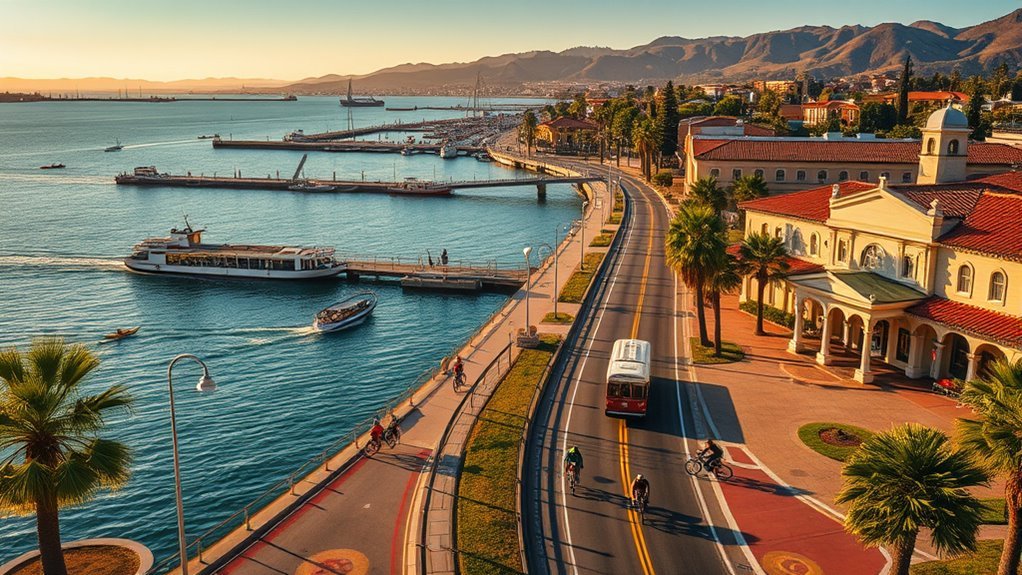
Downtown, the Funk Zone, Stearns Wharf, West Beach, and the harbor are walkable for most visitors. The Santa Barbara Metropolitan Transit District operates local bus routes linking downtown with the waterfront, airport area, Goleta, Montecito, and other neighborhoods. Routes and seasonal shuttle service change, so use the current trip planner rather than an old printed schedule.
Bikes and e-bikes are useful along the waterfront and Cabrillo Boulevard, but riders should use designated lanes and paths, obey local rules, and secure rental bikes whenever they stop. Rideshares can fill gaps when buses are infrequent or when you do not want to move a parked car.
When a Car Helps
A car is not essential for a downtown-and-waterfront weekend. It becomes more useful for Lotusland, beaches west of the city, foothill trailheads, Cold Spring Tavern, the Gaviota Coast, and the Santa Ynez Valley. Parking can be limited near popular beaches and special events, so arrive early and read posted restrictions carefully.
- Use Highway 101 for the main Los Angeles–Santa Barbara route, but check live traffic first.
- Fly into SBA when direct service and a short regional transfer suit your plans.
- Take the Pacific Surfliner for a scenic trip that ends near the waterfront.
- Use MTD buses, bikes, walking, or rideshares for car-free downtown days.
- Bring your dog to the permitted section of Arroyo Burro Beach and follow posted leash boundaries.
Pro Tip: Staying near lower State Street, the Funk Zone, or the waterfront can eliminate the need for a car during your first one or two days. Rent a car only for the part of the trip that takes you beyond the central area.
Reservations, Costs, and What to Pack
Santa Barbara mixes free public spaces with ticketed gardens, museums, tours, tastings, boat trips, and parking. Check current prices directly instead of building a budget around old travel-guide figures.
- Reserve Lotusland before finalizing the rest of that day.
- Book Channel Islands transportation, whale watching, and guided kayaking well ahead for weekends and holidays.
- Reserve popular restaurants and tasting rooms when visiting with a group.
- Pack layers because the waterfront may be cool and breezy even when inland areas feel warm.
- Carry sun protection, water, and sturdy shoes for gardens and foothill trails.
- Keep a flexible backup plan for rain, high surf, poor air quality, or trail closures.
Frequently Asked Questions
Are there cultural festivals or annual events in Santa Barbara?
Yes. Major recurring events include Old Spanish Days Fiesta, the Santa Barbara International Film Festival, the Summer Solstice Celebration, concerts at the Santa Barbara Bowl, and the beachfront Santa Barbara Arts & Crafts Show. Dates, routes, and ticket requirements change each year.
What are the best family-friendly lodging options?
Choose by location and room setup rather than relying only on a “family resort” label. Beachfront hotels with pools work well for short stays, while suite hotels in Goleta can provide kitchens and more space. Full-service coastal resorts may offer seasonal children’s activities. Review the current Visit Santa Barbara family-hotel guide and confirm pool, crib, connecting-room, and activity availability directly.
Where can I find farmers’ markets or artisan markets away from State Street?
The certified Goleta market is held at Camino Real Marketplace, while Carpinteria’s market is on Linden Avenue and Montecito’s is on Coast Village Road. Downtown Santa Barbara also has markets near Carrillo and State streets. The Santa Barbara Arts & Crafts Show usually runs along the waterfront on Sundays. Verify the latest schedule at the Santa Barbara Certified Farmers Market website.
Which Santa Barbara attractions and beaches are accessible?
East Beach offers reservable manual and motorized beach wheelchairs during operating hours. The courthouse has elevator access toward the clock tower, and the Santa Barbara Zoo and several museums publish accessibility guidance. Shoreline Park and portions of the waterfront have paved routes, though slopes and surfaces vary. Review the City of Santa Barbara’s accessibility resources and contact each venue about individual needs.
Which restaurants allow dogs on their patios?
Current pet-friendly examples include The Lark and Loquita in the Funk Zone, which welcome leashed dogs in outdoor dining areas, and Bettina, which allows dogs in its courtyard under its posted rules. Patio access remains at each restaurant’s discretion and can change because of events, weather, or health requirements, so call before arriving.
Is Santa Barbara walkable, or do I need a car?
Downtown, the Funk Zone, Stearns Wharf, West Beach, the train station, and the harbor are walkable. A car is helpful for Lotusland, foothill trails, western beaches, Cold Spring Tavern, the Gaviota Coast, and the Santa Ynez Valley. Many visitors can stay car-free for the first two days and rent a vehicle only for an out-of-town excursion.
How many days do I need in Santa Barbara?
Two days covers the main downtown, Mission, garden, waterfront, and beach highlights. Three days gives you a more relaxed pace and room for wine tasting, the zoo, Lotusland, or a longer coastal activity. Add a fourth day for Channel Islands National Park or a full Santa Ynez Valley excursion.
Can I visit Channel Islands National Park from Santa Barbara?
Yes, but most regular park-concessionaire boats depart from Ventura or Oxnard. Reserve transportation in advance, allow time to reach the harbor, and treat the outing as a full-day commitment. The islands have little or no food, water, cell service, transportation, or emergency support, so visitors must arrive prepared.
Conclusion
Santa Barbara rewards a slower pace. Begin with the courthouse, Mission, waterfront, and Funk Zone, then leave room for native gardens, a beach afternoon, and a meal you do not have to rush. Three days provides the best balance, while Lotusland, the Santa Ynez Valley, and Channel Islands National Park deserve advance planning. With smart reservations and realistic transportation choices, the city is easy to explore without turning the trip into a checklist.
Sources
- Old Mission Santa Barbara — Mission history, visitor information, and the site’s continuing religious role.
- Superior Court of California: Historic Santa Barbara County Courthouse — Clock tower, elevator access, and courthouse visitor information.
- Santa Barbara Botanic Garden — Current acreage, trail mileage, admission, and visitor planning.
- Santa Barbara Metropolitan Transit District — Current local bus maps, routes, and schedules.
- National Park Service: Channel Islands National Park — Transportation, reservations, limited services, and island safety.
- Santa Barbara County Ocean Water Monitoring Program — Beach testing and current ocean-water advisories.

