
Last Updated on September 11, 2026 by Daniel Globe
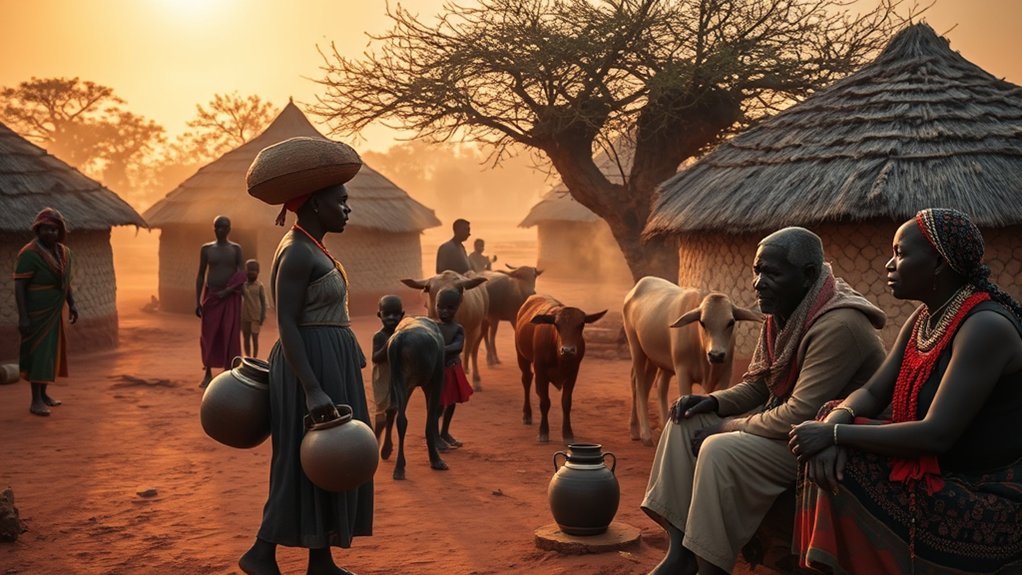
Ngkuot is a traditional South Sudanese staple made from grains such as sorghum or millet and shaped into a dense, dough-like food. It is commonly served with sauces, stews, vegetables, meat, or fish, making it both a practical meal and an important part of shared gatherings. Its preparation reflects the value of food traditions passed through families and communities.
Quick Answer
Ngkuot is a traditional South Sudanese grain-based dish, usually made from sorghum or millet. It has a thick, dough-like texture and is typically eaten with flavorful sauces or stews. Beyond nutrition, Ngkuot represents hospitality, family cooperation, and cultural traditions connected to shared meals.
Key Takeaways
- Ngkuot is a South Sudanese staple associated with sorghum or millet.
- The dish is usually served with sauces, stews, vegetables, meat, or fish.
- Preparation often involves shared family knowledge and traditional methods.
- Ngkuot represents both nourishment and cultural connection.
Disclosure: As an Amazon Associate I earn from qualifying purchases. Some links on this page are affiliate links, at no extra cost to you.
What Is Ngkuot?
Ngkuot is a traditional South Sudanese dish prepared from ground grains, especially sorghum or millet. The grains are processed and cooked until they form a firm, dough-like consistency that can be shaped and served with other foods.
For many families, Ngkuot is more than a simple staple. It is connected with hospitality, gatherings, and the shared work involved in preparing traditional meals. The dish shows how everyday foods can preserve cultural knowledge and strengthen connections between generations.
Where Ngkuot Comes From
Ngkuot is associated with South Sudanese culinary traditions, including communities such as the Dinka and Nuer. Like many traditional grain dishes, its development reflects local agriculture, available ingredients, and methods passed down through families.
The importance of Ngkuot comes not only from the ingredients but also from how it is prepared and shared. Meals like this often appear during family gatherings and community occasions where food helps bring people together.
How Ngkuot Is Made
Traditional Ngkuot preparation begins with grains such as sorghum or millet. The grains are cleaned, processed, and cooked until they reach a thick consistency. Depending on local practices, the cooked mixture may be shaped into portions before serving.
The process often requires patience and cooperation, especially when preparing food for larger groups. These methods help preserve culinary skills that have been passed from one generation to the next.
Pro Tip: Traditional dishes are often best understood through the way they are served. Looking at the sauces, side dishes, and occasions connected with Ngkuot gives a fuller picture of its cultural role.
What Ngkuot Tastes Like
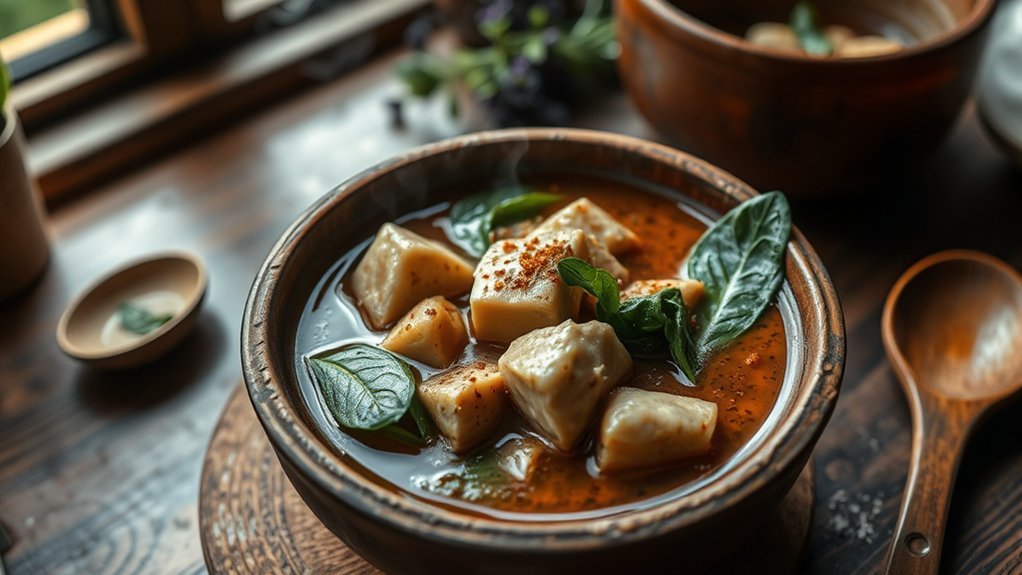
Ngkuot has a mild grain-based flavor and a dense texture similar to other traditional cooked grain staples. Because it is usually eaten with sauces or stews, much of its flavor comes from the foods served alongside it.
The dish works well with different combinations of vegetables, meat, or fish, allowing families to adapt meals based on available ingredients and regional preferences.
How South Sudanese Families Serve Ngkuot
Families commonly serve Ngkuot as part of a shared meal, pairing it with sauces and stews prepared from local ingredients. Serving food together allows relatives and guests to participate in a communal eating experience.
Preparing Ngkuot can involve several people working together, from handling grains to preparing accompanying dishes. This shared process helps maintain food traditions and reinforces the importance of hospitality.
Traditional foods like Ngkuot preserve more than recipes; they carry memories, skills, and connections between generations.
Frequently Asked Questions
What ingredients are used to make Ngkuot?
Ngkuot is generally described as a grain-based dish made from ingredients such as sorghum or millet. Local preparation methods and available ingredients can vary between communities.
How is Ngkuot usually served?
Ngkuot is commonly served with sauces, stews, vegetables, meat, or fish. It is often part of shared meals where several people eat together.
Why is Ngkuot culturally important?
Ngkuot reflects traditional cooking knowledge, hospitality, and the importance of shared meals within communities.
Conclusion
Ngkuot shows how a simple grain-based dish can represent both daily nourishment and cultural identity. Through traditional preparation methods and shared meals, it connects families with ingredients, skills, and memories passed through generations. Understanding Ngkuot means looking beyond the food itself and recognizing the community traditions surrounding it.
Sources
- Food and Agriculture Organization of the United Nations — background on traditional grains and food systems.
- Encyclopaedia Britannica — general cultural and geographic reference information.

