
Last Updated on August 26, 2026 by Daniel Globe
Napa Valley rewards travelers who slow down. You can spend the morning among sunlit vineyards, eat lunch in a small wine-country town, visit a historic cellar, and finish the day in a Calistoga mineral pool. The best first trip combines advance reservations with enough open time to enjoy the scenery, food, and places between appointments.
Quick Answer
Three days is enough for a first Napa Valley trip if you group stops by town, limit yourself to two or three winery experiences a day, reserve high-demand places early, and arrange sober transportation. Choose one convenient base, then leave time for meals, scenery, a spa, outdoor activities, and unplanned stops.
Key Takeaways
- Napa Valley works year-round, but August through October is harvest season and September–October are especially busy.
- For most visitors, two or three winery experiences per day is a better pace than trying to fit in four or five.
- Group each day geographically to reduce backtracking between Napa, Yountville, Oakville, St. Helena, and Calistoga.
- Reserve popular wineries, restaurants, spas, balloon flights, and transportation early, then confirm policies again shortly before the trip.
- If you will drink wine, use a designated driver, hired driver, tour, rideshare, transit, or another sober transportation plan.
Disclosure: As an Amazon Associate I earn from qualifying purchases. Some links on this page are affiliate links, at no extra cost to you.
When Is the Best Time to Visit Napa Valley?

Napa Valley has no single best month for everyone. Choose your season based on what matters most to you: harvest activity, quieter tasting rooms, mild outdoor weather, fall color, or spa time.
The official Visit Napa Valley harvest guide says harvest generally runs from August through October. Sparkling-wine and white-wine grapes often come in first. Later-ripening red varieties can continue into late October or early November.
September and October are especially lively. Harvest events, warm afternoons, and winery activity draw more visitors, so lodging, restaurants, and tastings can fill faster.
November is usually calmer after the main harvest rush. Vineyards and trees may show gold, rust, and red colors. Winter is cooler and wetter, with fewer visitors and often easier reservations. Lower prices may appear, but they are never guaranteed.
Spring brings green hills, mustard blooms, and comfortable outdoor weather. Summer has long daylight hours and warm afternoons. Morning, cellar, and evening temperatures can still feel much cooler, so bring layers in every season.
Pro Tip: Visit wineries on weekdays when your schedule allows. You may find lighter traffic, more reservation choices, and a calmer tasting-room pace than on busy harvest-season weekends.
Planning Your 3-Day Napa Itinerary

A long weekend works best when you stop treating Napa Valley like a checklist. Visit Napa Valley recommends two or three winery visits per day. Many experiences last about 90 minutes, and you also need time to travel, eat, check in, and take breaks.
Start by booking the hardest reservation on your wish list. That may be a famous restaurant, private winery tour, balloon flight, or spa treatment. Then place nearby winery appointments around that anchor instead of zigzagging across the valley.
Day 1: Downtown Napa and an Easy Arrival
Start with a light lunch at Oxbow Public Market. Afterward, explore downtown Napa’s riverfront, shops, and urban tasting rooms. Keeping the first afternoon compact is useful if you have just driven in from San Francisco, Oakland, Sacramento, or another airport area.
Choose an easy dinner afterward. If you want to keep the original itinerary’s Ciccio stop, remember that Ciccio is in Yountville, not downtown Napa. Its California-Italian menu and wood-fired pizzas can also fit naturally into Day 2 and save you from backtracking.
Day 2: Yountville, Oakville, and Culture
Pick up pastries from Model Bakery, then consider the Napa Valley Museum Yountville if its current exhibitions and hours fit your plan. Napa Valley Museum now operates two locations. The longtime Yountville museum is joined by the newer Napa Valley Museum of Art & Culture, or The MAC, near St. Helena.
Spend the rest of the day around Yountville and Oakville. Book one or two winery experiences, then leave time for lunch, walking around town, or an unexpected stop. A relaxed schedule is usually more enjoyable than racing between tasting rooms.
Day 3: St. Helena and Calistoga
Head north to St. Helena for a historic winery, downtown browsing, and lunch at Gott’s Roadside. Continue to Calistoga for hot springs, a mineral-pool session, or a mud treatment.
If you want one final tasting, schedule it before the spa. Avoid stacking several winery appointments into the afternoon. A scenic drive can finish the day, but winding roads such as Oakville Grade require full attention.
Warning: Never combine wine tasting with driving. If anyone in your group plans to drink, arrange sober transportation before the first tasting begins.
Getting to Napa Valley and Getting Around
Napa Valley has no large commercial passenger airport of its own, so most visitors arrive through a Bay Area or Northern California airport. Visit Napa Valley currently lists San Francisco International Airport at roughly 58 miles away, Oakland International at about 51 miles, Sacramento International at about 63 miles, and Sonoma County Airport about 34 miles from the north end of the valley. Actual drive time can change sharply with traffic.
See the official Napa Valley transportation guide before choosing an airport only by mileage. Your hotel location, arrival time, rental-car plans, and final destination in the valley matter too.
A car gives you the most flexibility, but it is not the right tool for a day of drinking. Private drivers, winery tours, taxis, and rideshare services are common alternatives. Rideshare works best in populated areas; pickup may take longer at remote wineries or later in the evening.
VINE Transit and local community shuttles can help with town-to-town and local travel. They are useful for some car-free trips, but they do not serve every winery on a schedule that matches tasting reservations. Build your winery day around transportation first if you do not plan to drive.
Where to Stay: Towns, Hotels, and Boutique Inns
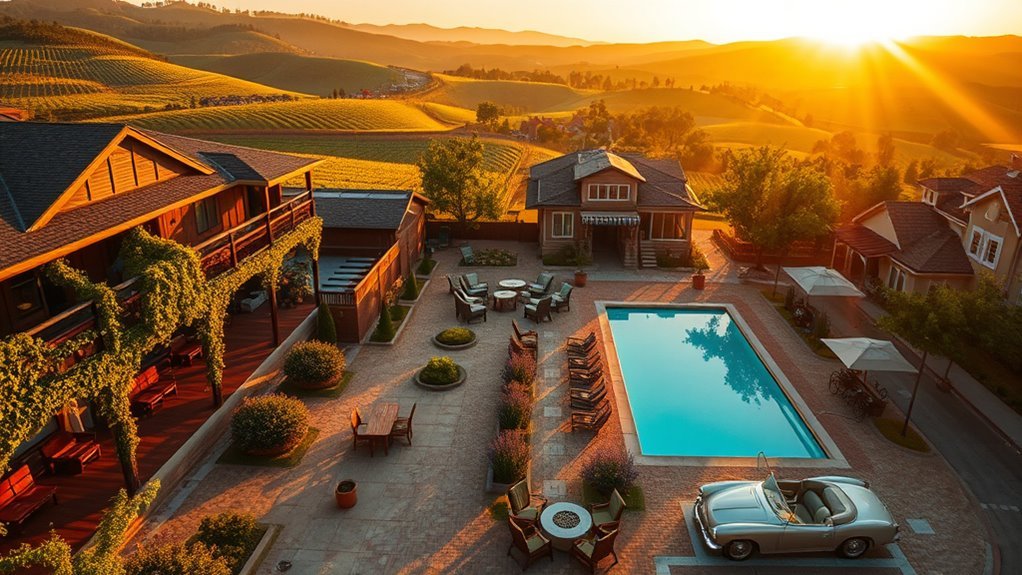
Where you stay changes the rhythm of the whole trip. Napa gives you restaurants, nightlife, riverfront walks, and urban tasting rooms. Yountville is compact, polished, and dining-focused. St. Helena puts you near many historic estates. Calistoga is best known for hot springs and spa time. American Canyon can work as a southern gateway when arrival and departure logistics matter most.
Pick your base around the part of Napa Valley you plan to explore most. A beautiful hotel does not save time if every reservation sends you to the opposite end of the valley.
Boutique inns and resorts let you shape the trip around your priorities. Bardessono in Yountville combines luxury lodging with a strong sustainability focus. Calistoga Motor Lodge & Spa offers mineral pools and MoonAcre Spa, making it useful when soaking and spa treatments are a major part of your plan.
- Napa: best for lively downtown stays, riverfront walks, tasting rooms, and easy restaurant access.
- Yountville: refined, highly walkable, dining-focused, and home to properties such as Bardessono.
- St. Helena: historic atmosphere, boutiques, restaurants, and quick access to many winery estates.
- Calistoga: hot springs, mineral pools, mud treatments, and a slower spa-centered pace.
- American Canyon: a quieter southern base that can work well when Bay Area access matters more than being in the center of the winery corridor.
Must-Visit Wineries and Historic Estates
Napa offers grand historic estates, modern destinations, and small-production tasting experiences. A good first itinerary often mixes one landmark property with one more intimate stop. That gives you more variety than booking several wineries with the same tasting format.
Iconic Historic Estates
Beringer Vineyards combines gardens, wine caves, and the historic Rhine House. Beringer says the Rhine House was completed in 1884. Its stonework, stained glass, wood paneling, gables, and turrets make it one of the valley’s most recognizable historic buildings.
Charles Krug, established in 1861, describes itself as Napa Valley’s oldest winery and the home of California’s first wine tasting room. It fits naturally into a history-focused St. Helena day.
Chateau Montelena is central to modern California wine history. Its 1973 Chardonnay placed first among the white wines at the 1976 Judgment of Paris. The Smithsonian’s National Museum of American History also documents that Stag’s Leap Wine Cellars’ 1973 Cabernet Sauvignon placed first among the reds.
Beaulieu Vineyard adds another long-established Napa Cabernet tradition. Robert Mondavi Winery also deserves a fresh look: its Oakville estate officially reopened to visitors on April 20, 2026, after a multi-year transformation. The updated property includes new hospitality, tasting, culinary, cellar, and winemaking spaces. Check the current visitor information before booking.
- Beringer: Rhine House, gardens, caves, and historic atmosphere.
- Charles Krug: 19th-century Napa history and tasting-room heritage.
- Chateau Montelena: Judgment of Paris history and a distinctive Calistoga estate.
- Beaulieu Vineyard: classic Rutherford and Napa Cabernet tradition.
- Robert Mondavi Winery: iconic Oakville estate with redesigned visitor experiences reopened in 2026.
Boutique, Family-Owned, and Small-Production Wineries
A smaller tasting can feel more personal than a large destination estate. Still, do not assume that every intimate-looking winery is family-owned. Ownership can change.
Duckhorn is a good example. The Duckhorn Portfolio was acquired by Butterfly Equity in December 2024, so it should not now be presented as a family-owned company. When family ownership matters to you, confirm the winery’s current ownership before booking.
Also choose by experience, not only by name. Some wineries focus on seated tastings. Others offer vineyard walks, caves, food pairings, library wines, blending sessions, or limited-production bottles.
| Winery Type | Experience |
|---|---|
| Family-owned | Often personal hospitality and a strong multigenerational story |
| Historic estate | Architecture, legacy, cellars, gardens, and guided tours |
| Small-production | Focused portfolios, limited releases, and specialized tastings |
| Sustainability-focused | Experiences that may highlight farming, water, soil, biodiversity, or environmental practices |
Note: Reservation rules, minimum ages, pet policies, food policies, and tour routes vary by winery. Check the exact experience you are booking rather than assuming one policy applies to the whole property.
Top Dining Experiences and Reservation Tips

Napa Valley dining ranges from roadside burgers and bakery breakfasts to long tasting-menu dinners. If one meal is especially important, reserve it first. Then build the nearby winery schedule around the restaurant instead of hoping a table appears at the last minute.
Booking High-Demand Tables
The French Laundry is the clearest example of a hard reservation. Inventory is released in limited advance batches and can disappear quickly. Booking windows and release times can change, so use the live Tock reservation calendar rather than relying on an old article that promises a permanent release rule.
Other destination restaurants, including Kenzo, Auberge du Soleil, and La Toque, also reward advance planning. Kenzo currently opens its standard reservations 30 days ahead, but policies can change. If your first choice is full, try a weekday or an earlier or later dining time.
- Check the restaurant’s own booking page for its current release schedule.
- Know the final guest count before paying a deposit.
- Read cancellation, prepayment, deposit, and service-charge rules before confirming.
- Consider weekdays and less popular dining times.
- Keep a casual backup such as Gott’s Roadside, Oxbow Public Market, or another nearby restaurant.
Tipping & Etiquette
Tipping at winery tasting rooms varies by service style. Visit Napa Valley currently recommends about $10–$15 per couple for a stand-up tasting, $15–$20 per couple for a seated tasting, and $20 or more for many boutique, private, or VIP experiences. Large groups may use percentage-based gratuity instead. Always check whether gratuity or a service charge is already included.
At restaurants, read the bill before adding another tip because service-charge policies differ. Good tipping recognizes service. It should not be treated as a way to request an extra pour, off-menu favor, or special treatment.
At casual places such as Il Posto or Gott’s, comfortable clothing is generally suitable. For formal dining, check the restaurant’s current dress guidance. Across Napa, clear communication about allergies, dietary needs, lateness, or reservation changes matters more than memorizing unwritten rules.
Unique Activities: Hot Air Balloons, Grape Stomps, and Mud Baths
If you want a Napa memory beyond the tasting bar, consider an early-morning hot-air balloon flight. Balloon operations depend on wind and weather. Leave enough flexibility for a delay or cancellation instead of placing an inflexible winery booking immediately afterward.
- Hot-air balloon: early flights can provide broad vineyard and mountain views when conditions cooperate.
- Grape stomp: some wineries hold visitor grape-stomping events during harvest. These are celebratory experiences; modern commercial wineries normally use mechanical processing rather than feet for routine production.
- Calistoga mud bath: book a mud treatment, spa session, or mineral-pool visit for a break from tasting appointments.
- Napa Valley Wine Train: combine rail travel, restored-style rail cars, scenery, dining, and selected wine-country experiences without driving between every stop yourself.
These activities work best as anchors, not rushed add-ons. Give a balloon flight, spa afternoon, or train journey enough time to be the main event.
Outdoor Adventures: Hikes, Kayaking, and Scenic Drives
Wine is only one way to experience Napa Valley. You can hike shaded trails, paddle the Napa River, follow scenic roads, or spend part of a day around Lake Berryessa.
Bothe-Napa Valley State Park has more than 10 miles of trails, including routes shaded by redwoods and mixed-evergreen forest. Lake Hennessey offers shoreline scenery through the nearby Hennessey Unit of Moore Creek Park. The Napa River gives paddlers another view of downtown Napa and its riverbanks.
If you prefer a drive, Silverado Trail runs north–south on the east side of the valley floor and can be a scenic alternative to Highway 29. Roads such as Oakville Grade offer different views but are narrower and more winding. Save the scenic drive for a time when the driver is completely sober.
Lake Berryessa expands the options to swimming, kayaking, paddleboarding, and boating, but it needs more safety planning than a hotel pool. The U.S. Bureau of Reclamation says swimming is at your own risk, there are no lifeguards, and the reservoir bottom is uneven with sudden drop-offs.
Warning: Do not mix alcohol with driving, boating, swimming, or other activities that require coordination and judgment. At Lake Berryessa, swim with another person, supervise children closely, and use properly fitted life jackets.
Downtown Napa, Yountville, St. Helena, and Calistoga Highlights
Each main Napa Valley town has a different feel. Knowing those differences makes it easier to choose a hotel and group each day efficiently.
- Downtown Napa: Oxbow Public Market, riverfront walks, restaurants, shops, wine bars, and urban tasting rooms make this the easiest area to explore without repeatedly getting in a car.
- Yountville: polished and highly walkable, with upscale lodging, bakeries, tasting rooms, public art, and destination dining. The French Laundry uses a changing tasting-menu format, so do not plan around an old fixed course count.
- St. Helena: boutiques, historic estates such as Beringer and Charles Krug, Gott’s Roadside, and the newer Napa Valley Museum of Art & Culture.
- Calistoga: geothermal hot springs, mineral pools, mud treatments, relaxed downtown streets, and convenient access to northern-valley wineries.
American Canyon is the southernmost of Napa Valley’s five main towns. Oakville and Rutherford sit between Yountville and St. Helena as important winery areas. Rather than zigzagging north and south, build each day around one cluster.
Practical Tips for Tastings, Transportation, and Budgeting
Pacing can make the difference between a memorable wine-country day and a tiring one. Start with two or three major winery experiences, not five. Add meals, water, travel time, check-in time, and breaks before adding another reservation.
Depending on how the region is measured, Napa Valley is commonly described as roughly 30–35 miles long. Highway 29 and Silverado Trail are the main north–south routes on the valley floor. Two wineries that look close on a map can still cause unnecessary driving if they sit on opposite sides of your day’s route.
If you plan to drink, reserve transportation instead of trying to calculate whether you are “safe enough” to drive. Visit Napa Valley lists private drivers, tours, taxis, rideshare, transit, and other car-free choices. Rideshare can be useful, but service may be less predictable at remote properties and late in the day.
Warning: California’s DUI limits are legal limits, not targets for drinking before driving. Alcohol can impair driving below a statutory BAC threshold. If you plan to taste wine, the safest itinerary is one in which someone else handles transportation. See the California DMV alcohol and driving guidance.
How Much Should You Budget for Wine Tastings?
Prices vary widely, so check the live booking page for every winery. As a useful current benchmark, Visit Napa Valley’s tasting guidance says a basic wine tasting averages about $40 per person. Some options may be around $20, while premium tours, food pairings, classes, and other elevated experiences can cost $200 or more.
That is only the tasting portion of the trip. Your total budget may also include lodging, restaurant deposits, transportation, spa treatments, balloon flights, wine purchases, shipping, taxes, and gratuities. Some wineries waive a tasting fee after a qualifying bottle purchase, but policies differ.
| What to Book | What to Bring |
|---|---|
| Winery reservations | Layered clothing |
| Driver, shuttle, tour, or other sober transport | Water bottle |
| High-demand restaurants | Card for purchases and deposits |
| Spa or balloon experience | Comfortable shoes |
| Daily spending limit | Notes or a phone app for wines you liked |
Dress in layers because a sunny patio and a cool cellar can feel very different. Drink water throughout the day and eat regular meals. You never need to finish every pour. Spittoons are normal wine-tasting tools and are especially useful when comparing several wines.
Wildfire, Heat, Smoke, and Emergency Planning
Napa Valley’s outdoor setting is part of its appeal, but California travel also requires basic emergency awareness. Before a warm-season trip, check weather, road conditions, air quality, and local alerts. Do not rely only on the forecast you saw when you booked.
Napa County maintains Ready Napa County with emergency alerts, evacuation information, weather, and preparedness resources. Visitors can also review ALERT Napa County information there.
If wildfire smoke is possible, check AirNow before hiking, cycling, or spending hours outside. Conditions can change during a trip.
Keep an indoor backup plan. A museum, spa, long lunch, or indoor tasting can replace a hike or balloon flight when heat, smoke, rain, wind, or another hazard makes the original plan a poor choice.
Frequently Asked Questions
Are There Family-Friendly Wineries With Activities for Kids?
Yes. Some Napa Valley wineries welcome children and may have lawns, gardens, animals, grape juice, or family-oriented events. Policies differ widely, and some experiences are strictly 21+. Confirm the age policy for the exact reservation and supervise children closely around active agricultural and production areas.
Can I Bring My Own Picnic to Tasting Rooms?
Sometimes. Some wineries have designated picnic areas or allow outside food under specific conditions. Others prohibit it. Check the current policy before arriving with a cooler or blanket. If a picnic matters to you, choose a winery that clearly advertises one.
Are There Wheelchair-Accessible Winery Tours and Tastings?
Yes. Many Napa Valley properties have accessible tasting spaces, and VINE Transit operates accessible fixed-route and community transportation. Caves, old buildings, vineyard paths, and individual tours may have different limits. Contact the winery before booking and describe the accommodation you need.
What Are Pet-Friendly Hotels and Wineries in Napa?
Hotel Yountville, Bardessono, and Harvest Inn currently publish dog-friendly lodging policies, subject to fees and property rules. Visit Napa Valley also lists Raymond Vineyards among pet-friendly winery options. Winery pet rules can vary by tasting area and experience, so confirm before booking. Mutt Lynch Winery should not be listed as a Napa winery because its current location is in Windsor, Sonoma County.
Do Wineries Offer Shipping for International Visitors?
Some wineries or licensed fulfillment partners can ship wine to selected international destinations, but the service is not universal. Import laws, carrier rules, licensing, duties, taxes, and quantity limits vary by country. Ask the winery about your exact destination before buying bottles you cannot carry home.
How Many Wineries Should I Visit in One Day?
For most first-time visitors, two or three winery experiences in one day is enough. Many tastings last around 90 minutes. You also need time for transportation, meals, water, check-in, and breaks. Fewer appointments usually make the day more enjoyable.
Do I Need Reservations for Napa Valley Wineries?
Often, yes. Many seated tastings, cave tours, food pairings, and small-production experiences require reservations. Some tasting rooms and wineries accept walk-ins when space is available. Check the winery’s own booking page instead of relying on an old map or article.
Is Napa Valley Worth Visiting If I Do Not Drink Wine?
Yes. A Napa trip can include restaurants, bakeries, museums, spas, hot springs, hiking, kayaking, cycling, shopping, scenic drives, markets, gardens, and balloon flights. If you travel with wine drinkers, ask wineries whether they offer a non-tasting guest option.
What Is the Best Airport for Napa Valley?
There is no single best airport. San Francisco, Oakland, and Sacramento are common choices, while Sonoma County Airport can be convenient for the northern end of the valley. Compare flight schedules, rental-car costs, traffic, and the location of your hotel instead of choosing only by mileage.
Can I Visit Napa Valley Without a Car?
Yes, but you need more planning. Downtown Napa and Yountville are walkable, and VINE Transit, local shuttles, taxis, rideshare, hired drivers, and wine tours can cover many trips. Remote wineries may be difficult to reach on public transit, so arrange transportation before booking those tastings.
How Much Does a Napa Valley Wine Tasting Cost?
Prices vary by winery and experience. Visit Napa Valley currently says a basic tasting averages about $40 per person, with some lower-cost options near $20 and premium tours or pairings reaching $200 or more. Always check the winery’s live booking page for the price on your travel date.
Conclusion
A good Napa Valley trip is not about collecting the largest possible number of tasting rooms. Give each part of the valley enough time. Spend a morning at a historic estate, linger over lunch, take an early balloon flight, hike beneath the trees, or finish the day in a Calistoga mineral pool.
For a first visit, three well-grouped days can show you a wide range of Napa without making the trip feel rushed. Reserve the experiences that truly require advance booking, arrange safe transportation, check current prices and policies, and keep some flexibility for weather or unexpected changes. Comfortable shoes, layers, water, and an unhurried schedule will do more for the trip than one extra reservation.
Sources
- Visit Napa Valley — official destination guidance for harvest timing, winery pacing, tasting costs, transportation, towns, lodging, and trip planning.
- California Department of Motor Vehicles — alcohol impairment, BAC limits, and driving safety guidance.
- Napa Valley Museum — current information about the Yountville museum and The MAC near St. Helena.
- Robert Mondavi Winery — current visitor information for the reopened Oakville estate.
- Ready Napa County — emergency alerts, evacuation information, weather, and local preparedness resources.
- U.S. Bureau of Reclamation — Lake Berryessa — recreation and water-safety guidance.
