
Last Updated on July 31, 2026 by Daniel Globe
The space under an airline seat can be useful for a backpack, purse, laptop bag, or other personal item, but there is no universal under-seat size. Airlines set their own personal-item limits, and the usable opening can change by aircraft, cabin, and seat. The safest approach is to check the operating airline’s current rule and measure the fully packed bag before leaving home.
Quick Answer
There is no standard amount of space under every airline seat. Use the smallest personal-item limit listed by every operating airline on your itinerary, measure the packed bag including handles, wheels, and straps, and make sure it can sit fully under the seat without blocking the aisle or your row.
Key Takeaways
- Airline personal-item limits are bag-size rules, not guaranteed measurements of the physical space under every seat.
- Measure the bag after packing it, including handles, wheels, straps, and bulging pockets.
- A soft-sided backpack or duffel can be easier to position, but it still must fit without being forced into the space.
- Bulkhead seats have no seat directly in front, and some premium, exit-row, or equipment-heavy seat locations have limited or no under-seat storage.
- Keep straps tucked in, follow crew instructions, and remove spare batteries and power banks before any bag is gate-checked.
At a Glance
| Time Required | 5–10 minutes to check the policy, measure the bag, and repack if needed |
| Difficulty | Easy |
| Tools Needed | Tape measure, the operating airline’s baggage page, and the fully packed bag |
| Cost | Usually $0 when the item qualifies; oversize or reclassified bags may trigger a fee |
Disclosure: As an Amazon Associate I earn from qualifying purchases. Some links on this page are affiliate links, at no extra cost to you.
How Much Space Is Under an Airline Seat?
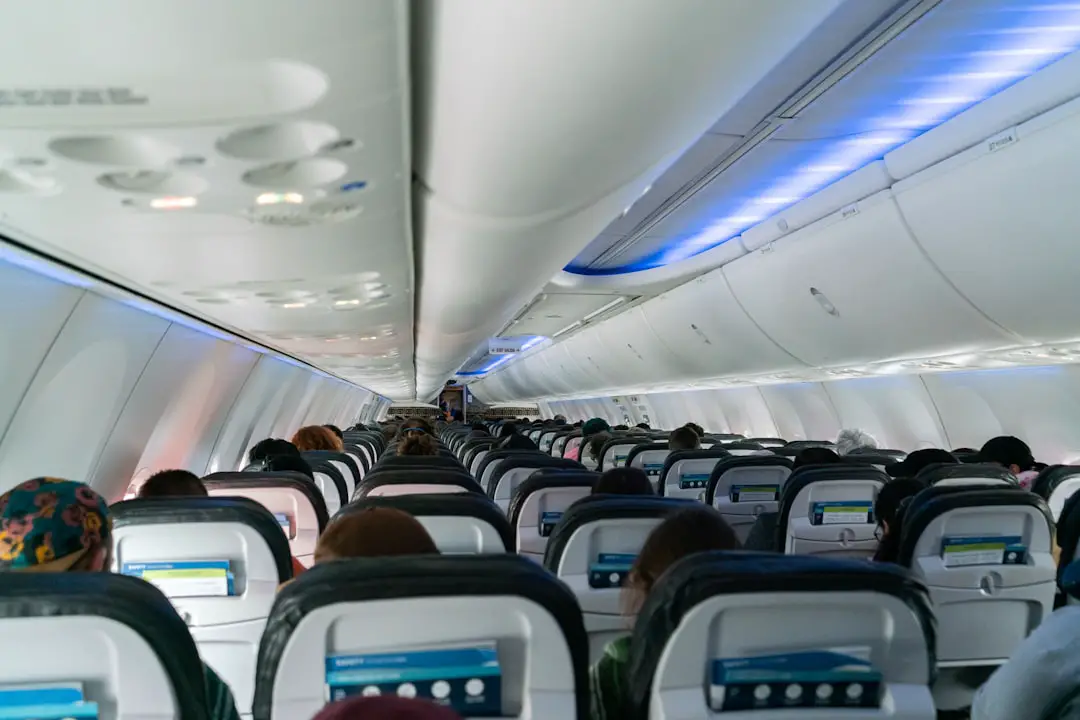
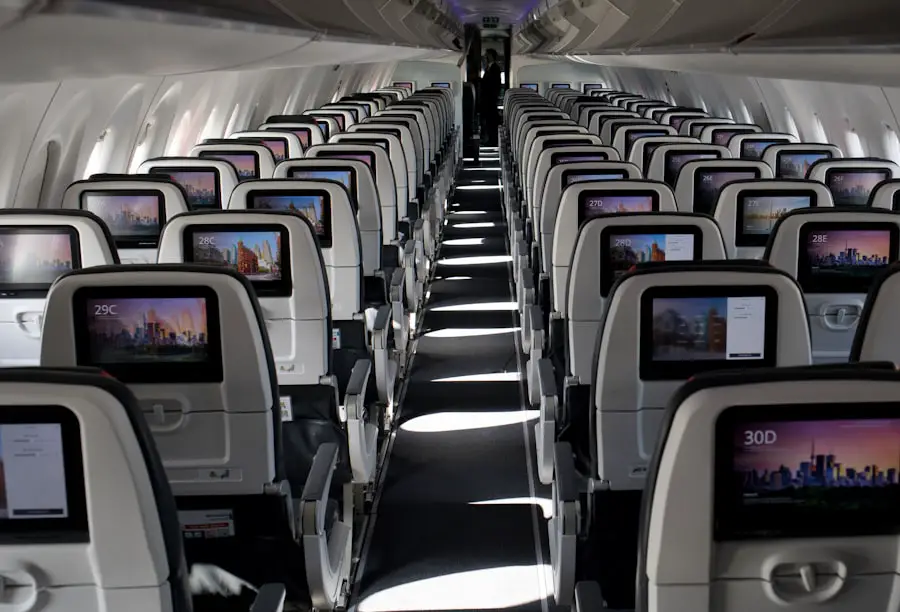
There is no single standard for the physical opening under an airline seat. Seat supports, entertainment or power equipment, cabin layout, and the type of seat in front of you can all reduce usable room. A bag that fits under one seat may be a tight fit under another seat on the same aircraft.
Airlines usually publish a maximum size for a personal item, which is the smaller bag intended to go under the seat. That limit is not a promise that every seat has an opening with exactly those measurements. The bag must satisfy the airline’s rule and fit safely in the available stowage area.
An airline’s personal-item limit describes the maximum bag it accepts—not the exact dimensions of every under-seat opening.
Current Personal-Item Size Examples
The examples below show why travelers should check the airline operating each flight. Dimensions are shown in a normalized longest-side × next-side × shortest-side format for quick comparison; use the linked airline page for its official orientation and wording.
| Airline | Published Maximum | Important Detail |
|---|---|---|
| American Airlines | 18 × 14 × 8 inches | The personal item must fit under the seat in front. |
| United Airlines | 17 × 10 × 9 inches | Wheels and handles count toward the limit. |
| Frontier Airlines | 18 × 14 × 8 inches | Handles, wheels, and straps are included. |
Note: Policies can change, and a codeshare ticket may involve more than one operating airline. Check every flight segment and follow the smallest applicable limit.
How to Measure a Personal Item Correctly
- Pack the bag first. An empty bag may meet the limit but bulge beyond it after you add clothing or electronics.
- Measure the longest, widest, and tallest points. Include wheels, handles, feet, side pockets, and loose straps.
- Compress only normal soft fabric. Do not depend on forcing an overstuffed bag into the airport sizer or beneath the seat.
- Check every operating carrier. Use the smallest personal-item allowance on a multi-airline trip.
- Leave a small margin. A bag slightly below the stated maximum is easier to stow when seat hardware reduces clearance.
Warning: A bag is not safely stowed if it sticks into the aisle, blocks another passenger’s path, or cannot be held in place under the seat. Follow all flight-attendant instructions.
Choosing the Right Carry-On Luggage for Maximum Under-Seat Space
Selecting the right bag is central to making the most of under-seat storage. A compact backpack, tote, or duffel is usually easier to position than a rigid suitcase because soft sides can adjust to small changes in the opening. However, flexibility is not permission to exceed the airline’s published dimensions.
Choose a lightweight bag with a slim profile, secure zippers, short or tuck-away straps, and only a few useful external pockets. Large wheels, thick handles, bottle pockets, and overfilled front compartments can turn an otherwise compliant bag into an oversize item.
A front pocket can hold travel documents, medication, snacks, or headphones so you do not have to empty the main compartment during the flight. Keep heavy items low and close to the back panel so the bag is easier to carry and less likely to tip or spread into your foot space.
Packing Techniques to Optimize Under-Seat Space
Rolling lightweight clothing can reduce wasted gaps, while folding may work better for structured shirts or pants. The best method is the one that creates a flat, stable bag rather than a rounded, overstuffed shape.
Packing cubes help separate clothing, toiletries, and electronics. Compression bags can reduce the volume of soft items such as a jacket, but avoid filling the saved space until the bag becomes too thick to fit under the seat.
Pack the Items You May Need in the Cabin
- Identification, travel documents, wallet, keys, and medication
- Phone, laptop, tablet, chargers, and headphones
- Spare batteries and power banks protected from damage and short circuits
- A small snack, empty water bottle, and permitted travel-size toiletries
- A light layer, eye mask, or compact travel pillow
Keep valuables and essentials in the personal item rather than a larger carry-on that might be gate-checked. If any bag is checked at the gate, remove spare lithium batteries, power banks, and other items the airline requires you to keep in the cabin.
Utilizing Under-Seat Organizers and Accessories
| Organizer Type | Benefits | Best Use |
|---|---|---|
| Packing cubes | Separate clothing and reduce rummaging | Main compartment |
| Zippered cable pouch | Keeps chargers and adapters together | Front or top pocket |
| Document pouch | Protects passports, boarding passes, and receipts | Easy-access pocket |
| Small compression bag | Reduces the bulk of a soft jacket or sweater | Bottom of the bag |
Small pouches are usually more useful than a separate hanging organizer because they remain inside the approved bag. An accessory attached to the seatback can interfere with another passenger or with required stowage, so use one only when the airline permits it and put it away whenever the crew instructs you to do so.
Seat Locations That Can Change Under-Seat Storage
- Bulkhead seats: A wall or divider is directly in front of the row, so there is no normal under-seat space ahead. Personal items generally must go in an approved overhead compartment during taxi, takeoff, and landing.
- Exit rows: Storage rules vary by aircraft and airline. Nothing may block access to the aisle or emergency exit, and pet carriers are commonly restricted in these rows.
- Premium or lie-flat seats: Some seats have enclosed shells, footwells, or designated “no stowage” areas instead of ordinary under-seat space.
- Seats with equipment boxes or supports: Power, entertainment, or structural components may reduce width or divide the opening.
- Window, middle, and aisle positions: Usable width may differ within the same row, so do not assume all three spaces are identical.
Pro Tip: Check the airline’s seat map and aircraft page before selecting a bulkhead, exit-row, or premium seat. When under-seat storage is essential, contact the airline with your flight number and seat assignment.
Tips for Securing Under-Seat Space on Crowded Flights
The floor area beneath the seat in front of you is normally associated with your seating position; it is not shared first-come storage like an overhead bin. Another passenger should not place a bag in your footwell, and you should not use the space assigned to someone else.
Early or priority boarding can still help if your item may need to go overhead because of a bulkhead seat, a no-stowage seat, or an unexpectedly tight opening. It does not create extra under-seat clearance.
Place the bag straight into the approved space and push it far enough forward that it does not extend into your row or the aisle. Turning a bag sideways or at an angle is acceptable only when it remains fully contained, stable, and clear of every passenger’s path.
If nearby passengers are struggling, offer help only when it is safe and welcome. Do not lift a heavy bag overhead if you cannot control it; ask a flight attendant for guidance.
Making the Most of Under-Seat Space for Comfort During the Flight
An under-seat bag uses part of your foot space, so pack it as flat as practical and avoid rigid bulges. A compact blanket, travel pillow, eye mask, or noise-canceling headphones can improve comfort without taking up much room.
After takeoff, you may remove a small item when the seat-belt sign and crew instructions allow. Keep loose items controlled, and return the bag and required belongings to approved stowage before landing or whenever the crew asks.
Strategies for Accessing Under-Seat Items During the Flight
Keep frequently used items in the top or front pocket. A book, snack, charging cable, or headphones should be reachable without pulling the entire bag into the aisle.
When you need something, wait until the aisle is clear and cabin service is not passing your row. Lean forward carefully, retrieve the item, and place the bag fully back under the seat. For a larger or tightly packed item, it may be safer to wait until the seat-belt sign is off and activity in the cabin has slowed.
Do not leave cables, straps, bottles, or clothing loose on the floor. They can become tripping hazards for you, nearby passengers, or crew members.
What to Do If Your Bag Does Not Fit
- Do not force it. A crushed or protruding bag may damage the contents or fail the airline’s stowage requirement.
- Remove bulky wearable items. Put on a jacket or sweater if permitted, but do not create loose floor clutter.
- Repack dense pockets. Move a small item to an allowed coat pocket or companion bag only when that does not break the airline’s item limit.
- Use the overhead bin if your fare and seat allow it. Space is not guaranteed on every aircraft.
- Follow gate-check instructions. The airline may reclassify the bag, charge a fee, valet-check it, or check it to baggage claim.
- Remove cabin-only essentials. Keep identification, medication, valuables, spare batteries, and power banks with you as required.
Ensuring Compliance With Airline Regulations for Under-Seat Storage
A personal item and a carry-on are not always the same thing. The personal item is usually the smaller bag that must fit under the seat, while a standard carry-on is normally sized for the overhead bin. Fare rules can affect whether the larger carry-on is included.
Before traveling, check the baggage page for the airline actually operating the flight. Measure the packed bag, include all exterior parts, and review any special limits for regional aircraft, basic fares, pet carriers, medical devices, or international partners.
Federal rules require carry-on baggage to be properly stowed for takeoff and landing, and passengers must follow crew instructions. A compliant under-seat bag should remain fully within the approved space and should not hinder emergency equipment, the aisle, or another passenger’s route.
If you are trying to save space while carrying essential technology, this guide to the best lightweight laptops for travel can help you compare compact options without adding unnecessary bulk.
Frequently Asked Questions
What is the standard space under an airline seat?
There is no universal standard. Airlines publish personal-item limits, but the physical opening varies by aircraft, cabin, row, and seat hardware. Check the operating airline’s current policy and choose a bag slightly below the maximum when possible.
What items can fit under an airline seat?
Common examples include a purse, laptop bag, compact backpack, small tote, or soft-sided duffel. The item must meet the airline’s size rule and fit completely under the seat without blocking the aisle or another passenger’s path.
Are there restrictions on what can be placed under the seat?
Yes. The bag must be an allowed item, remain within the approved stowage area, and comply with security and hazardous-material rules. Straps and loose objects should not create a tripping hazard, and crew instructions take priority.
Can I bring a pet carrier under the airline seat?
Some airlines allow an approved in-cabin pet carrier. The carrier must fit under the seat without blocking access to the aisle and must remain properly stowed during ground movement, takeoff, and landing. Airline carrier dimensions, fees, seat restrictions, and pet limits vary.
What should I do if my carry-on item does not fit under the seat?
Do not force it into the opening. Repack it, place it in the overhead bin when allowed, or follow the airline’s gate-check instructions. Remove medication, identification, valuables, spare batteries, and power banks before the bag is checked.
Do bulkhead seats have under-seat storage?
Usually not. A bulkhead row has a wall or divider instead of a seat directly in front, so personal items generally must be placed in an approved overhead compartment during taxi, takeoff, and landing.
Does priority boarding help me get under-seat space?
Not usually. Under-seat space is tied to your seat position rather than claimed first-come. Priority boarding mainly helps when you need overhead-bin space because your seat has no usable under-seat storage or your bag does not fit below.
Sources
- Electronic Code of Federal Regulations, 14 CFR § 121.589 — carry-on baggage stowage and passenger compliance requirements
- Federal Aviation Administration: Carry-On Baggage Tips — safe stowage, tucked straps, and gate-check battery guidance
- Federal Aviation Administration: Flying With Pets — in-cabin carrier stowage and aisle-access rules
- American Airlines: Carry-On Bags — personal-item dimensions and packing restrictions
- United Airlines: Carry-On Bags — personal-item dimensions
- Frontier Airlines: Bag Size and Weight Limits — current personal-item measurements and included exterior parts
