
Last Updated on July 25, 2026 by Daniel Globe
White towels have long been a staple in the hospitality industry, serving as a universal symbol of cleanliness, luxury, and operational excellence. Their pristine appearance not only enhances the aesthetic appeal of hotel bathrooms but also instills immediate trust in guests. When travelers check into a hotel, they expect flawless standards of hygiene, and bright white towels play a crucial role in meeting those expectations.
Quick Answer
Hotels keep towels bright white by washing them in hot water (140°F–160°F), using industrial oxygen or commercial chlorine bleach, dosing with optical brighteners, and neutralizing alkali buildup with acidic vinegar rinses. They also employ laundry stripping, water softeners, and strict PAR inventory rotation to prevent graying, stiffness, and fabric wear.
Key Takeaways
- High-Temperature Sanitation: Washing white towels at 140°F–160°F dissolves body lipids, cosmetics, and bacteria far more effectively than home cold washes.
- Chemical Balance: Commercial laundries use oxygen bleach for routine washing and reserve chlorine bleach for heavy staining to protect cotton fibers.
- Acidic Rinsing: Adding white vinegar during the rinse cycle neutralizes detergent alkalinity and strips mineral buildup from hard water.
- Inventory Rotation: Managing a 4-PAR inventory stock system allows cotton fibers to rest and dry completely between guest uses.
At a Glance: Commercial Towel Maintenance
| Primary Wash Temp | 140°F – 160°F (60°C – 71°C) |
| Key Cleaning Agents | Heavy-duty non-ionic detergent, oxygen bleach, souring agent/vinegar |
| Inventory System | 4 PAR System (In-Room, Closet, Laundry, Resting) |
| Restoration Method | Laundry stripping (Washing soda, borax, heavy detergent soak) |
The color white is associated with purity and freshness, making it the ideal choice for linens that come into direct contact with skin. Moreover, white towels provide a neutral aesthetic that allows hotels to highlight their commitment to quality. Commercial establishments typically utilize high-grade ring-spun cotton or specialized microfiber blends that feel soft against the skin while absorbing moisture effectively.
The uniformity of white towels creates a cohesive look throughout the hotel, contributing to an overall impression of luxury. Additionally, using white linens simplifies the sorting and laundering process, as whites can be washed at higher thermal thresholds without the risk of color bleeding.
Disclosure: As an Amazon Associate I earn from qualifying purchases. Some links on this page are affiliate links, at no extra cost to you.
Understanding the Causes of Towel Discoloration
Towel discoloration is one of the most persistent operational challenges faced by hotel housekeeping departments. Overcoming yellowing and graying requires pinpointing the exact mechanical and chemical causes.
One of the primary culprits is the accumulation of body oils, lotions, sunscreens, and soaps that build up inside cotton fibers over time. When exposed to heat during drying, these residual organic fats oxidize, causing clean fabric to gradually shift toward a dull yellow hue.
Hard water is another major driver of fabric graying. Water containing high concentrations of dissolved minerals—specifically calcium and magnesium—reacts with detergent molecules to form insoluble soap scum. These mineral deposits cling to cotton fibers, locking in soil particles and turning bright white towels a dingy gray color.
Improper washing practices compound these issues. Overdosing laundry detergent leaves an alkaline soap coating on fibers that attracts loose dirt during the wash cycle. Conversely, under-dosing detergent fails to suspend soils, causing dirty wash water to redeposit onto the towels. Finally, drying towels under direct sunlight or at excessive dryer temperatures can yellow synthetic threads and scorch delicate cotton loops.
Proper Washing Techniques for White Towels

Maintaining long-lasting whiteness requires strict adherence to professional laundering protocols. The following steps prevent premature fabric degradation while maximizing soil removal:
- Strict Sorting: Never wash white towels with colored linens, cleaning rags, or dark garments. Even minimal dye transfer or lint shedding from colored fabrics will permanently dim white cotton.
- Thermal Sanitation: Wash white towels in hot water between 140°F and 160°F (60°C–71°C). High water temperatures melt body fats, activate bleach compounds, and eliminate bacteria.
- Calibrated Detergent Dosing: Utilize commercial detergents equipped with optical brighteners (fluorescent whitening agents). These compounds absorb invisible ultraviolet light and emit visible blue light, making white fabrics appear perceptually brighter to the human eye.
- Double Rinse Cycles: Implement an extra rinse phase to clear all suspended soils, detergent residue, and excess alkalinity from the wash drum.
Note: Commercial washing machines are cleaned routinely with acidic descalers to prevent internal mineral and lime buildup from transferring onto freshly washed towels.
The Role of Bleach in Maintaining White Towels
Bleach plays an essential role in commercial laundering, but using the wrong chemical agent can permanently damage cotton fibers. Hotels balance whitening power and fiber longevity by selecting the appropriate bleaching agent for each specific wash cycle.
| Bleach Type | Primary Use Case | Impact on Fiber Longevity |
|---|---|---|
| Oxygen Bleach (Sodium Percarbonate) | Daily maintenance, light organic stains, color-safe brightening | Gentle on cotton; extends towel lifespan by up to 30% over chlorine |
| Chlorine Bleach (Sodium Hypochlorite) | Heavy sanitization, stubborn inorganic stains, severe yellowing recovery | High chemical stress; frequent use degrades tensile fiber strength over time |
Chlorine bleach is an effective chemical agent for stain removal and broad-spectrum disinfection. However, excessive or undiluted chlorine bleach weakens cotton fibers, accelerates fraying, and can react with skin oils or iron in hard water to cause yellow spotting.
To prevent fiber damage, commercial laundries rely heavily on oxygen bleach for routine daily maintenance. Oxygen-based bleaching agents release active oxygen ions in hot water, lifting organic soils gently without destroying the structural integrity of the fabric loops.
Warning: Never mix chlorine bleach with vinegar, ammonia, or acidic cleaners. Combining chlorine bleach with acids generates hazardous chlorine gas, which causes severe respiratory injury.
Using Vinegar to Brighten White Towels
Distilled white vinegar (dilute acetic acid) is a powerful tool for restoring dingy towels. Over time, laundry detergents leave behind alkaline residues that build up in towel loops, making fabric stiff, non-absorbent, and visually dull.
Adding one cup of distilled white vinegar to the final rinse cycle neutralizes excess alkali, dissolves calcium and magnesium buildup, and breaks down sticky detergent scum. Because vinegar strips away residual coating, it functions as a natural fabric softener without coating towel fibers in water-repellent silicone compounds standard commercial softeners use.
Pro Tip: Combine baking soda and white vinegar in separate cycles. Add 1/2 cup of baking soda directly to the wash wash basin to boost detergent performance and deodorize fibers, then add 1 cup of vinegar during the final rinse phase to strip away residual minerals.
How to Strip Hotel Towels to Remove Residue
When routine washing fails to lift stubborn dinginess or restore lost absorbency, hotels execute a process known as laundry stripping. This intensive soak removes deeply embedded mineral deposits, body oils, and chemical buildup.
- Fill Wash Vessel: Fill a large basin or washing drum with hot water (140°F or higher).
- Add Stripping Solution: Mix a 2:1:1 ratio of heavy-duty detergent, sodium carbonate (washing soda), and sodium borate (borax).
- Submerge & Soak: Fully submerge clean white towels in the solution, stirring thoroughly every hour. Allow the towels to soak for 4 to 6 hours as the water cools.
- Full Wash Cycle: Drain the murky water and run the towels through a complete wash cycle in hot water without any added detergent or softener.
Preventing Towel Discoloration with Proper Storage and PAR Stock
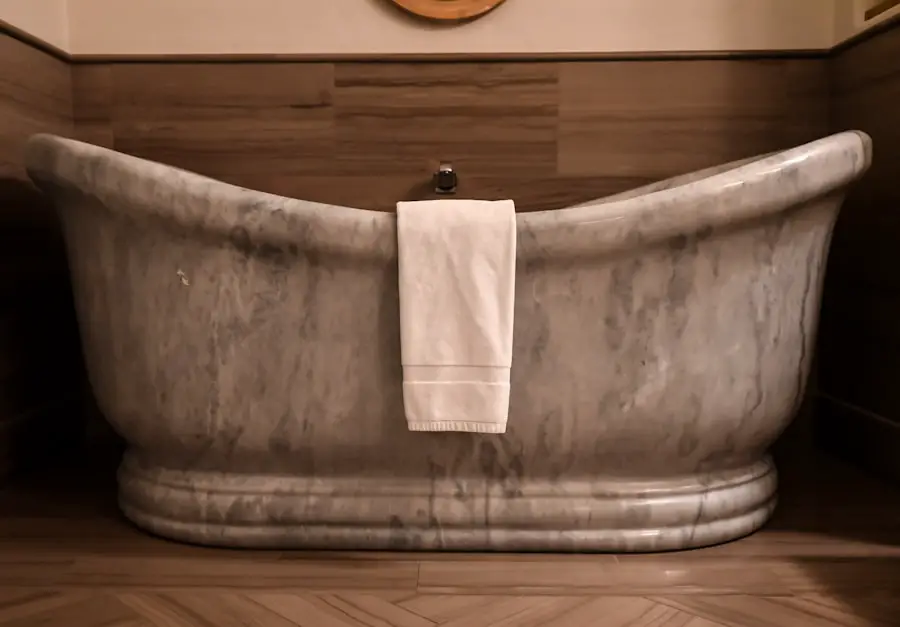
Proper storage and inventory management prevent environmental discoloration and fabric degradation before towels ever reach a guest room.
Towels must be stored in cool, well-ventilated, climate-controlled linen closets away from direct sunlight. Prolonged exposure to ultraviolet (UV) light yellows white cotton and breaks down synthetic stitching. Furthermore, towels must be completely dry before folding; stacking damp towels creates dark, humid environments conducive to mildew growth, lingering odors, and irreversible gray staining.
In addition to storage conditions, hotels rely on a PAR Inventory System (Periodic Automatic Replacement) to extend towel lifespans:
“A standard 4-PAR inventory system ensures a hotel maintains four complete sets of linens per guest bed: one set in the guest room, one set in the closet for immediate turnaround, one set in the laundry process, and one resting set. Allowing cotton fibers 24 hours of rest between washings preserves tensile strength and absorbency.”
How to Remove Stubborn Stains from White Towels
Commercial hospitality linens frequently suffer from tough stains. Treating spots promptly before sending towels into hot drying cycles prevents permanent set-in stains.
Common culprits include cosmetics, food spills, grease, and body fluids, each requiring targeted chemical treatment methods:
- Makeup and Sunscreen Stains: Pre-treat oil-based makeup and yellow avobenzone sunscreen stains with an enzyme-based spotter or isopropyl alcohol to break down synthetic waxes and organic pigments.
- Food Spills & Grease: Apply a concentrated surfactant or grease-cutting dish detergent directly to the stain. Work the cleaner gently into the fibers and soak in warm water for 20 minutes before laundering.
- Organic Body Fluids: Always pre-rinse blood or bodily fluids with cold water. Hot water cooks proteins into the cotton fibers, making removal nearly impossible. Follow cold pre-rinsing with an enzymatic stain remover and oxygen bleach wash cycle.
Choosing the Right Detergent and Water Softening Solutions
Selecting the right commercial detergent formulation is critical for preventing mineral-based yellowing and fiber degradation. Hotels evaluate local municipal water hardness levels before finalizing chemical dosing.
In regions with hard water (exceeding 7 grains per gallon of dissolved minerals), hotels install industrial water softeners or select detergents formulated with built-in chelating agents (EDTA or citric acid derivatives). These chelators bind dissolved iron, calcium, and magnesium ions, preventing them from settling onto towel fibers.
Furthermore, choosing low-foaming, non-ionic commercial detergents ensures complete rinsing during short laundry cycles, avoiding sticky soap films that trap airborne dust.
The Benefits of Professional Laundry Services and Ozone Systems
Many hotel operators outsource linen management to commercial laundry providers to guarantee professional sanitation standards while lowering operational overhead.
Industrial laundry facilities utilize continuous batch washers (tunnel washers) equipped with computerized chemical dosing units. These facilities increasingly employ ozone laundering technology. Ozone system generators inject dissolved $O_3$ gas directly into cold wash water, sanitizing fabrics faster than traditional thermal methods while opening cotton fibers for maximum fluffiness and soil removal.
Tips for Maintaining White Towels in Guest Rooms
Maintaining high linen standards in guest rooms requires daily diligence from housekeeping staff:
- Daily Visual Inspections: Inspect towels for fraying, hem tears, or persistent stains before re-stocking room racks. Discard or repurpose worn linens into housecleaning rags.
- Proper Drying Racks: Equip guest bathrooms with adequate towel bars to encourage hanging between uses, reducing mold and damp odor formation.
- Makeup Wipes Provisioning: Provide designated dark-colored makeup removal cloths in guest bathrooms to prevent guests from using white bath towels to wipe away cosmetics.
The Environmental Impact of Hotel Towel Maintenance
Laundering millions of hotel towels daily consumes significant volumes of water, thermal energy, and cleaning chemicals. Modern hotel operations implement eco-friendly practices to balance luxury hygiene with environmental sustainability.
High-efficiency commercial washer-extractors recycle final rinse water into initial wash phases, reducing fresh water intake by up to 40%. Furthermore, guest towel reuse programs encourage multi-night guests to reuse bath towels, significantly decreasing daily wash volume, chemical runoff, and carbon emissions.
If you’re interested in maintaining high quality across all guest amenities, you may also want to explore our practical recommendations on the best power bank for international travel. Just as hotels ensure their linens stay pristine and dependable, international travelers require reliable portable power solutions to keep their devices charged on the go.
Frequently Asked Questions
What methods do hotels use to keep towels white?
Hotels keep towels white through a multi-step commercial process involving hot water washing (140°F–160°F), heavy-duty non-ionic detergents containing optical brighteners, oxygen or chlorine bleach cycles, acidic souring rinses (or vinegar), water softening systems, and periodic laundry stripping.
Do hotels use bleach to keep towels white?
Yes, hotels use bleaching agents, but they rely heavily on oxygen bleach (sodium percarbonate) for daily maintenance because it brightens without destroying cotton fibers. Chlorine bleach is used sparingly for severe stains and deep sanitization, as overusing chlorine weakens fabric fibers over time.
Why do hotels use hot water to wash towels?
Hot water (140°F to 160°F) efficiently melts body oils, dissolves sunscreen and cosmetics, activates bleaching compounds, and kills pathogenic bacteria and dust mites that cold water cannot effectively eliminate.
Do hotels use professional laundering techniques for their towels?
Yes. Many hotels utilize automated commercial laundries or industrial tunnel washers equipped with computerized chemical injectors, ozone wash systems, water softeners, and calibrated drying cycles that preserve towel fluffiness and whiteness far better than home appliances.
How often do hotels replace their towels?
Hotels replace towels based on wear and wash counts—typically after 50 to 100 commercial wash cycles, or every 6 to 12 months. Towels showing frayed edges, persistent stains, or loss of absorbency are retired from guest rooms and repurposed into cleaning rags.
Sources
- American Hotel & Lodging Association (AHLA) — Hospitality operational standards and sustainability guidelines.
- Ecolab Hospitality Laundry Solutions — Commercial laundry chemistry, optical brighteners, and water chemistry parameters.
- CDC Infection Control Guidelines — Environmental cleaning, thermal sanitation, and laundering standards.
- EPA Safer Choice Program — Standards for commercial laundry detergents and chemical runoff safety.
