

Last Updated on July 26, 2026 by Daniel Globe
Spirit Airlines, founded in 1980 as Charter One before transitioning to scheduled flights in 1992, has carved a distinct niche in low-cost air travel. Headquartered in Dania Beach, Florida, Spirit operates an extensive domestic and international network across the United States, Latin America, and the Caribbean. Known as a pioneer in the ultra-low-cost carrier (ULCC) segment, Spirit offers budget-friendly base fares while charging separately for add-ons like bags, seat selection, and refreshments.
Quick Answer
Spirit Airlines is a safe, highly affordable ultra-low-cost carrier best suited for budget travelers who travel light. While base ticket prices are among the lowest in the industry, Spirit charges extra for carry-on bags, seat selection, and snacks. Passengers who understand the fee structure and bring a compliant personal item can save significantly.
Key Takeaways
- Unbundled Pricing Model: Spirit offers cheap base airfare but charges extra for carry-on luggage, checked bags, and seat selection.
- Strict Luggage Rules: One personal item (18 x 14 x 8 inches) is included for free; larger bags incur fees that rise closer to departure.
- Modern & Safe Fleet: Spirit operates a young fleet of Airbus A320-family aircraft adhering strictly to FAA safety standards.
- Minimalist Comfort: In-flight amenities, complimentary snacks, and seat recline are absent in standard seating to maximize space and efficiency.
The Reputation of Spirit Airlines
Spirit Airlines has garnered a reputation that is as polarizing as it is notable. On one hand, it is celebrated for providing incredibly low fares that make air travel accessible to a broader audience. Many travelers appreciate the airline’s straightforward pricing model, which allows them to customize their travel experience according to their budget.
For those who prioritize cost over comfort or additional services, Spirit can be an attractive option. The airline’s marketing often emphasizes its commitment to low prices, which resonates with budget-conscious consumers. Conversely, Spirit Airlines has faced significant criticism over the years, particularly regarding its customer service and overall travel experience.
Numerous passengers have reported dissatisfaction with various aspects of their journeys, from long wait times at check-in to issues with flight cancellations and delays. The airline’s reputation has been further complicated by its fee structure, which some travelers perceive as deceptive or misleading.
This dichotomy in reputation creates a complex image of Spirit Airlines; while it excels in affordability, it often falls short in areas that contribute to overall passenger satisfaction.
Pricing and Fees
One of the defining characteristics of Spirit Airlines is its pricing strategy, which revolves around offering low base fares while charging for nearly every additional service. This unbundled pricing model allows passengers to select only the services they need, but it can also lead to confusion and frustration when travelers realize the total cost of their trip may be significantly higher than the initial fare advertised. For instance, while a ticket may be marketed at an enticingly low price, fees for seat selection, baggage, and even printing boarding passes at the airport can quickly add up.

Spirit Airlines charges for checked bags and carry-on luggage, which is a departure from many traditional airlines that include at least one free carry-on. Passengers who do not pay attention to these fees may find themselves facing unexpected costs at the airport. Additionally, Spirit offers various add-ons such as priority boarding and seat selection for an extra charge.
Pro Tip: Always pay for carry-on or checked luggage online during the initial flight booking process. Baggage fees increase when added during online check-in and reach their highest cost at the airport counter or gate.
While this model can be beneficial for those who travel light or are flexible with their seating arrangements, it can also lead to frustration for families or travelers who are accustomed to more inclusive pricing structures.
Customer Service
Customer service is an area where Spirit Airlines has received considerable feedback. Many passengers have reported negative experiences when dealing with customer support, citing wait times and rigid policies regarding cancellations and modifications during unexpected travel disruptions.
| ACSI Customer Satisfaction Rating | ~67 / 100 (Standard Budget Carrier Benchmark) |
| Free Personal Item Dimensions | 18 x 14 x 8 inches (45 x 35 x 20 cm) |
| Primary Aircraft Fleet | Airbus A319, A320, A321 (CEO & NEO) |
| Support Channels | Digital Messaging, WhatsApp, Airport Desks |
For example, if a flight is canceled due to weather or operational issues, passengers may find it challenging to secure alternative arrangements without encountering delays. While Spirit has made ongoing efforts to improve its digital platforms and self-service capabilities, online booking and mobile app usability remain essential tools for managing trips smoothly.
In an industry where customer service can significantly impact overall satisfaction, Spirit’s challenges in this area have contributed to its mixed reputation among travelers.
Comfort and Amenities
When it comes to comfort and amenities, Spirit Airlines takes a minimalist approach that aligns with its low-cost business model. The airline’s aircraft feature high-density seating configurations designed to maximize passenger capacity. Standard seats do not recline and feature limited legroom compared to traditional carriers, which can feel cramped on longer flights.
Note: For passengers seeking additional comfort, Spirit offers the “Big Front Seat.” Located in the front rows, these wider seats feature broader padding and extra legroom without a middle seat, offering a seat comfort upgrade similar to legacy domestic first class for a modest additional charge.
Additionally, Spirit does not offer complimentary snacks or beverages on board; instead, passengers can purchase food and drinks from the in-flight menu. The absence of built-in seatback screens or complimentary Wi-Fi underscores Spirit’s operational focus on cost reduction.
Products Worth Considering

【Suitable for Jeep Models】 Wrangler JL 2018 2019 2020 2021 2022 2023 2024 2025 2026, Wrangler JLU 2018 2019 2020 2021 2022 2023 2024 2025 2026, Gladiator JT 2020 2021 2022 2023 2024 2025 2026.
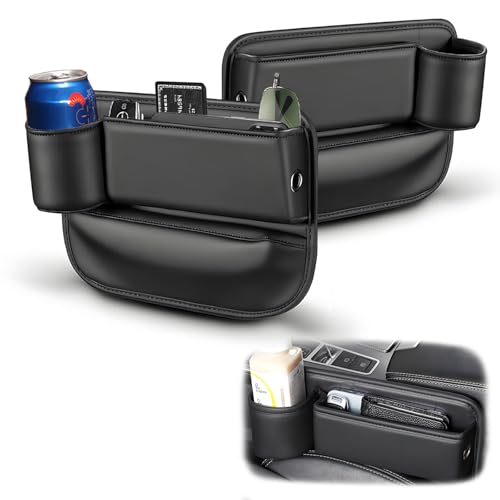
[HUMANITY DESIGN]: The gap filler organizer between the seat and console keeps your car organized and clutter-free. There are holes in either end to pass the phone charger cord through and keep the cable organized, never worry about lost or misplaced items again! Keep your phone, keys, coins, cards, wallets, and other small items organized and readily available

SECURES YOUR BAG UNDER THE SEAT: Designed to help hold a backpack or personal item beneath the airplane seat in front of you, reducing unwanted sliding and keeping your travel essentials positioned within easy reach.
On-Time Performance
On-time performance is a critical factor for travelers, and Spirit Airlines has demonstrated a changing track record over time. Historically, the airline faced operational challenges with delays and weather disruptions. However, Spirit has invested heavily in operational efficiency, modern fleet management, and schedule optimization to improve punctuality.

According to data from the U.S. Department of Transportation, Spirit’s on-time reliability has improved, frequently competing closely with major legacy airlines during non-peak weather seasons. Nevertheless, because Spirit operates a point-to-point network with fewer daily flights per route than larger carriers, recovery from severe weather disruptions can occasionally take longer.
Safety and Maintenance
Safety is paramount in aviation, and Spirit Airlines strictly adheres to regulatory standards established by the Federal Aviation Administration (FAA) and international aviation authorities. Spirit maintains a very young fleet of Airbus aircraft, which undergo routine technical inspections and maintenance schedules.
Spirit Airlines boasts an outstanding safety record that is fully comparable to major legacy carriers in the United States. Its commitment to modern aircraft technology and rigorous safety protocols ensures passengers receive a safe, regulated travel environment.
Destinations and Routes
Spirit Airlines operates an extensive route network connecting travelers across North America, Latin America, and the Caribbean. Operating key hubs and focus cities in Fort Lauderdale, Orlando, Las Vegas, and Detroit, Spirit connects major metropolitan centers with leisure destinations.
By focusing on high-demand leisure corridors and underserved market pairings, Spirit provides competitive non-stop options for budget-conscious vacationers and family travelers alike.
Loyalty Program
Spirit Airlines operates a loyalty program known as Free Spirit, designed to reward frequent flyers with points that can be redeemed for future reward travel.
Members earn points based on their spending with the airline rather than miles flown, which aligns with Spirit’s focus on affordability and value for money.
The program includes status tiers that grant perks such as free bag allowances, seat shortcuts, and waived modification fees for frequent travelers.
Tips for Flying with Spirit Airlines
Flying successfully with Spirit Airlines requires basic preparation and familiarity with their policies:
- Measure Your Personal Item: Ensure your backpack or tote fits easily within the 18 x 14 x 8 inch dimensions to avoid gate fees.
- Pay Fees Early: Purchase any necessary carry-on or checked baggage permissions online during booking.
- Check In Online: Boarding pass printing at the airport ticket counter incurs an extra fee; download your mobile pass in advance.
- Bring Your Own Snacks: Pack water and snacks in your personal bag to avoid purchasing food on board.
Warning: Gate agents strictly enforce personal item sizing. Oversized bags that do not fit into the sizer unit will be charged as a carry-on at the gate fee rate ($65–$99).
Products Worth Considering
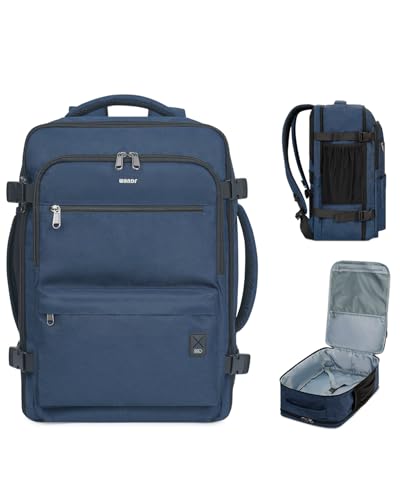
【Save On Carry-On Fees】Sized 18 × 13.5 × 8 inches, this personal item travel bag meets the Spirit and Frontier Airlines limit perfectly. It slides easily under the seat, helping you avoid baggage fees while keeping your essentials within reach throughout your journey.

LARGE CAPACITY & FLIGHT APPROVED: Lossga travel backpack has a 30L is carry-on flight approved, measuring 16.5 x 11.8 x 7.1 inches when fully loaded. Empty backpack size: 16.5 x 11.8 x 7.1 inches. The personal item travel bag is designed to meet standard carry-on size requirements, it fits in airplane overhead bins, and is ideal for both men and women, as well as weekend trips and short travel. Approved by airlines such as Frontier, Spirit , American, Allegiant and Easyjet
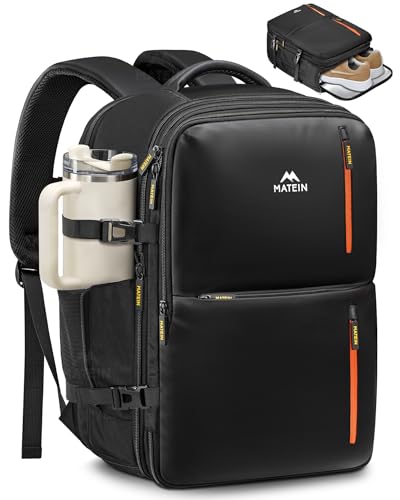
Removable Shoe Compartment for Clean Storage: Unlike traditional built-in compartments, this travel backpack with shoe compartment features a fully detachable shoe compartment that’s easier to remove and clean. It fits men's size 10–12 shoes and effectively separates dirty or wet items from clean clothing and other belongings. It helps minimize odor and maintain hygiene. Great for gym, travel, or daily use, this design offers greater flexibility and cleanliness on the go
Is Spirit Airlines Really That Bad?
The perception of Spirit Airlines depends largely on passenger expectations. For travelers who prioritize low airfare above all else, pack light, and prepare ahead, Spirit provides exceptional cost savings. However, passengers expecting traditional full-service inclusions may feel frustrated by additional add-on costs.
If you’re planning on traveling with Spirit Airlines, you may want to consider investing in some quality hardside carry-on luggage with spinner wheels. This will make navigating through the airport and fitting your bag in the overhead compartment much easier. Check out this article on 5 Must-Have Hardside Carry-On Luggage with Spinner Wheels for Spring 2025 for some great options to consider for your next trip.
Frequently Asked Questions
What is Spirit Airlines?
Spirit Airlines is an American ultra-low-cost carrier operating domestic and international flights. It is known for unbundled fares, allowing passengers to pay only for the base seat and specific add-on services they choose.
Why do some people consider Spirit Airlines to be bad?
Criticism generally stems from misunderstanding its fee structure. Passengers accustomed to legacy airlines may feel caught off-guard by extra charges for carry-ons, seat selection, and airport boarding pass printing.
Is Spirit Airlines safe to fly with?
Yes. Spirit Airlines maintains an excellent safety record and strictly complies with all safety protocols, maintenance mandates, and inspections required by the Federal Aviation Administration (FAA).
What are some of the common complaints about Spirit Airlines?
Common complaints center on strict luggage size rules, non-reclining seats, tight legroom, customer support response times during delays, and added ancillary fees.
Are there any benefits to flying with Spirit Airlines?
The primary benefit is significantly lower base fares compared to legacy airlines, expanding budget travel opportunities for travelers flying light to major U.S. and Caribbean destinations.
Sources
- U.S. Department of Transportation — Airline Fee Consumer Protection Guidelines
- Federal Aviation Administration (FAA) — U.S. Commercial Airline Safety Benchmarks
- American Customer Satisfaction Index (ACSI) — Travel & Airline Satisfaction Benchmark Data
