
Last Updated on August 26, 2026 by Daniel Globe
Machu Picchu, the 15th-century Inca citadel perched high in the Peruvian Andes, remains one of the world’s most breathtaking archaeological wonders. Situated at an elevation of 2,430 meters (7,972 feet) above sea level, this UNESCO World Heritage Site attracts hundreds of thousands of international travelers every year with its sophisticated dry-stone architecture and dramatic cloud forest backdrop. While the citadel is exceptionally safe, well-regulated, and welcoming, a trouble-free journey requires proactive preparation regarding high altitude, physical demands, changing weather, and strict conservation rules.
Quick Answer
Machu Picchu is very safe for international tourists, with low violent crime rates and strictly monitored park grounds. The primary safety concerns are environmental and physiological: acute altitude sickness, steep and slippery stone staircases, seasonal mudslides during the rainy season (December to March), and strict regulations enforced by the Peruvian Ministry of Culture.
Key Takeaways
- Altitude Management: Machu Picchu (2,430 m) is lower than Cusco (3,399 m). Acclimate in Cusco or the Sacred Valley (2,870 m) for at least 48 hours before strenuous hiking.
- Strict Regulations: Visitors must follow designated one-way circuits (Circuits 1, 2, or 3), enter at their reserved time slot, and carry a valid passport.
- Prohibited Gear: Drones, camera tripods, selfie sticks, large backpacks over 40x40x20 cm, and metal-tipped hiking poles are strictly prohibited inside the sanctuary.
- Transportation Safety: Always book licensed train operators (PeruRail or Inca Rail) and official Consettur shuttle buses between Aguas Calientes and the entrance gate.
- Petty Theft Awareness: While the archaeological park is secure, remain vigilant against pickpocketing in crowded transport hubs and markets in Cusco and Aguas Calientes.
Disclosure: As an Amazon Associate I earn from qualifying purchases. Some links on this page are affiliate links, at no extra cost to you.
Safety Measures and Park Regulations at Machu Picchu
To protect both visitors and fragile stone terraces from structural degradation, the Peruvian Ministry of Culture enforces strict capacity limits and navigational rules. Navigating the citadel safely requires an understanding of how entry tickets, routes, and authorized personnel operate across the site.
Official Circuit System and Timed Entry
Visitors can no longer wander freely throughout the ruins. The park operates under a strict, one-way circuit system designed to distribute foot traffic and eliminate bottleneck congestion:
- Circuit 1 (Panoramic): Focuses on upper terraces and classic postcard viewpoints, with routes continuing to Machu Picchu Mountain or the Sun Gate (Inti Punku).
- Circuit 2 (Classic Citadel): The most comprehensive route, covering the central ruins, Temple of the Sun, Sacred Plaza, and Intihuatana area.
- Circuit 3 (Royalty & Lower Sector): Covers the lower agricultural sector, the Temple of the Condor, and routes leading to Huayna Picchu or Huchuy Picchu.
Each ticket comes with a strict entry time slot and a 30-to-60-minute grace period. Backtracking on any circuit is strictly prohibited to avoid accidents on narrow stairwells.
Pro Tip: Circuit tickets sell out months in advance for peak season (June through August). Book official tickets well ahead of your travel dates and verify that the passport number on your ticket matches your physical passport exactly.
Prohibited Items and Luggage Restrictions
Park rangers and security staff conduct security checks at the main entrance gate. Bringing prohibited items can result in denied entry or confiscation. You must avoid bringing the following items into the park:
- Backpacks or bags larger than 40 x 40 x 20 cm (15.7 x 15.7 x 7.8 in). Larger bags must be stored in paid luggage lockers outside the gate.
- Professional tripods, monopods, and selfie sticks (unless authorized with an official commercial permit).
- Trekking poles with uncovered metal tips (rubber protective tips are mandatory).
- Drones, sound systems, and single-use plastic bottles.
- Alcohol, illicit substances, and baby strollers/prams (use baby carriers instead).
Licensed Guides and Mountain Trail Safety
Hiring a licensed, official tour guide (carrying a valid carnet issued by the Peruvian National Tourism Registry) is strongly recommended, especially for first-time visitors. Guides manage pacing along uneven paths and steer groups safely through precipitous drop-offs. If climbing either Huayna Picchu or Machu Picchu Mountain, ensure you sign in and out at the internal trail check-points. These mountain routes feature sheer vertical stairs (the famous “Stairs of Death” on Huayna Picchu) that demand solid footing, a steady head for heights, and dry shoes with reliable grip.
Warning: The granite steps inside the citadel and on surrounding mountain trails become extremely slick during morning rain and mist. Never step backward without looking, and never lean over retaining walls or cordoned-off safety barriers for photos.
Health Precautions and Altitude Sickness Prevention
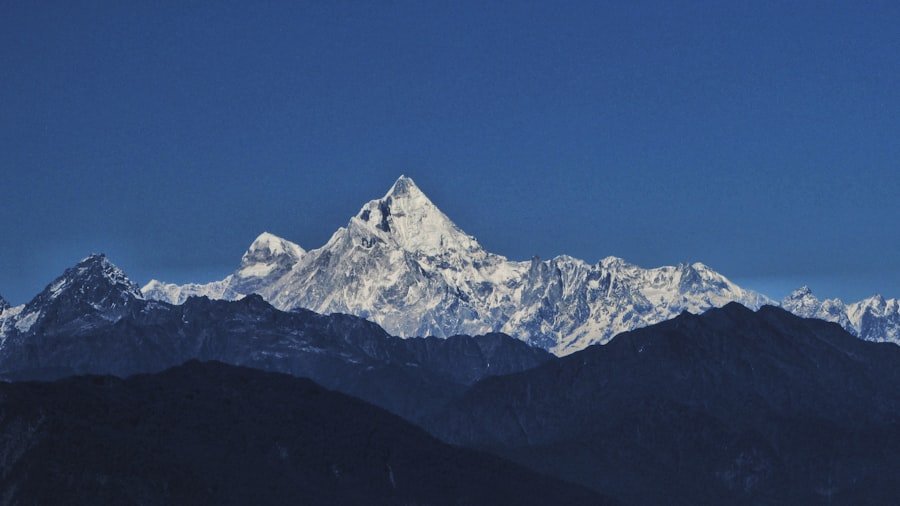
High-altitude illness (soroche) is the most frequent health issue confronting travelers to the Cusco region. Although Machu Picchu sits lower at 2,430 meters (7,972 feet), the primary transit hub of Cusco is situated significantly higher at 3,399 meters (11,152 feet).
According to the Centers for Disease Control and Prevention (CDC), rapid ascent to elevations above 2,500 meters can trigger symptoms including throbbing headaches, nausea, dizziness, insomnia, and shortness of breath.
Note: A proven itinerary strategy is to land at Cusco airport and head immediately down into the Sacred Valley (such as Urubamba at 2,870 m or Ollantaytambo at 2,792 m) for your first two nights. This allows your body to adjust comfortably before visiting Machu Picchu and ascending back up to explore Cusco.
Essential Acclimatization and Hydration Strategies
- Pacing and Rest: Spend at least 48 hours resting, eating light meals, and avoiding strenuous physical exertion upon arrival in the Andean region.
- Hydration: Drink 3 to 4 liters of clean, bottled or filtered water daily. Avoid excess alcohol, heavy meats, and caffeine during your first two days.
- Medication & Natural Remedies: Consult your travel physician before departure regarding preventive medications such as Acetazolamide (Diamox). Local coca tea (mate de coca) or muña tea is widely available and helps soothe mild symptoms.
- Sun Protection: UV radiation increases substantially at high elevations. Apply broad-spectrum SPF 50+ sunscreen, wear a wide-brimmed sun hat, and use UV-blocking sunglasses.
- Insect Protection: The humid cloud forest around Machu Picchu is home to biting gnats and sandflies. Pack an effective insect repellent containing DEET or Picaridin.
Crime, Security, and Scams in the Region
Machu Picchu itself and the surrounding department of Cusco are among the safest areas in Peru for international travelers. Violent crime against tourists is rare. Security is maintained by specialized Tourism Police (Policía de Turismo) and municipal security forces (Serenazgo). However, opportunism and petty theft do occur in high-density transit zones.
| Location / Context | Common Risk Profile | Safety Recommendation |
|---|---|---|
| Machu Picchu Citadel | Very low crime; strict entry monitoring | Secure loose camera gear and phones near steep edges. |
| Aguas Calientes (Pueblo) | Restaurant bill padding, currency exchange scams | Confirm menu prices, check bills, and inspect cash change. |
| Cusco Train Stations | Pickpocketing, luggage distraction theft | Keep daypacks on your front; do not leave bags unattended. |
| Informal Tour Vendors | Fake ticket sales, unaccredited guides | Book exclusively via official portals or licensed agencies. |
Travelers should adhere to standard international safety precautions: use an under-clothing money belt for passports and backup credit cards, avoid displaying large wads of cash, and take registered radio taxis or app-based rides when moving around Cusco after dark. In case of an emergency, the Peruvian Tourism Police can be contacted via the official tourist protection hotline (POLTUR) or through iPerú assistance centers.
Environmental Hazards and Conservation Efforts
Machu Picchu sits in an ecologically fragile subtropical cloud forest zone managed jointly by the Ministry of Culture and UNESCO. Heavy human traffic causes soil compaction, stone erosion, and waste management strains.
“Preserving Machu Picchu requires a balance between global accessibility and rigorous conservation. Following Leave No Trace principles ensures the site remains intact for generations to come.”
Visitors play a direct role in sustainable site preservation:
- Waste Management: Pack out all personal trash. Single-use plastic bottles are discouraged; use refillable aluminum or hydration canteens.
- Flora and Fauna Protection: Never feed or approach wild llamas, spectacled bears, or native bird species inhabiting the sanctuary.
- Trail Preservation: Never walk on ancient agricultural terrace walls or climb onto stone windows and altars.
Transportation Safety: Getting to and from Machu Picchu

Reaching Machu Picchu involves multiple transportation legs through rugged Andean geography. Choosing reputable operators ensures a safe and comfortable trip.
Train Travel from Cusco and Ollantaytambo
The train route along the Urubamba River to Machu Picchu Pueblo (Aguas Calientes) is operated by two licensed companies: PeruRail and Inca Rail. Both maintain strict safety standards and well-maintained rolling stock. During the heavy rainy season (January through April), rockfalls can occasionally delay rail service along the river corridor; trains frequently operate under a bimodal system (bus from Cusco to Ollantaytambo, then train to Aguas Calientes) to maintain passenger safety.
Bus Ride from Aguas Calientes to the Gate
The ascent from Aguas Calientes to the ruins traverses the Hiram Bingham Highway, a steep switchback road. Consettur is the sole authorized bus concessionaire. The fleet is modern and drivers follow strict speed restrictions. Expect long queues during morning peak hours (5:30 AM to 8:00 AM); board orderly and keep seatbelts fastened throughout the 25-minute journey.
Hiking the Classic Inca Trail or Alternative Treks
Those arriving via the Classic Inca Trail, Salkantay Trek, or Lares Trek must book with licensed, reputable trekking agencies providing qualified wilderness first-responder guides, porters, proper camp sanitation, and supplemental emergency oxygen. Note that the Classic Inca Trail is closed every year during the month of February for conservation, trail repairs, and drainage maintenance.
Cultural Sensitivity and Respect for Sacred Grounds
Machu Picchu remains a deeply sacred site for the Quechua-speaking indigenous peoples of the Andes. Travelers should approach the ruins with cultural humility and reverence. Refrain from shouting, playing music on external speakers, or displaying disruptive behavior. Touching the carved granite stones transfers destructive skin oils that erode ancient masonry over time. By respecting designated barriers and listening attentively to local guides, visitors honor the enduring heritage of the Inca civilization.
Conclusion and Recommendations for Visiting Machu Picchu
Visiting Machu Picchu is a bucket-list journey that combines awe-inspiring archaeology with extraordinary Andean landscapes. By pacing your ascent to avoid altitude sickness, securing your tickets well in advance, abiding by Ministry of Culture circuit rules, and exercising everyday safety awareness in transit, you ensure a safe and memorable adventure. Treat the ancient sanctuary with the care and reverence it deserves to help safeguard this global wonder for generations to come.
Frequently Asked Questions
Is Machu Picchu safe to travel to for solo and family travelers?
Yes, Machu Picchu is one of the safest travel destinations in South America. The archaeological park is heavily monitored by park rangers and tourism police, with well-defined one-way paths. Solo travelers, couples, and families routinely visit without incident by following standard travel precautions.
What is the biggest health or safety concern at Machu Picchu?
The primary concern is acute altitude sickness (soroche) caused by arriving too quickly in the Cusco highlands, as well as slips and falls on steep, damp stone steps. Acclimating in the Sacred Valley or Cusco for 48 hours, staying hydrated, and wearing sturdy hiking footwear mitigate these risks effectively.
Is it safe to hike the Inca Trail to Machu Picchu?
Yes, hiking the Inca Trail is safe when booked through an authorized, licensed tour operator. Licensed operators provide professional wilderness guides, porters, nutritious food, and emergency oxygen tanks. The trail is closed annually in February for mandatory safety and drainage maintenance.
Do I need to hire a guide to enter Machu Picchu?
While regulations officially state that visitors should be accompanied by a licensed tour guide, hiring one at the entrance gate is highly recommended for navigation, historical context, and safety along steep circuit paths. Guides carry official credentials issued by DIRCETUR.
What items are strictly forbidden inside Machu Picchu?
Forbidden items include camera tripods, selfie sticks, drones, backpacks larger than 40x40x20 cm, metal-tipped trekking poles without rubber tips, single-use plastic bottles, alcoholic beverages, and baby strollers.
Sources
- UNESCO World Heritage Centre — Historic Sanctuary of Machu Picchu designation, conservation boundaries, and management guidelines.
- Ministerio de Cultura del Perú — Official entry ticket regulations, visitor capacity quotas, and designated circuit routes.
- Centers for Disease Control and Prevention (CDC) — High-altitude illness prevention, acclimatization protocols, and travel health guidelines.
- PromPerú (Official Peru Travel Portal) — Tourist security services, transport regulations, and iPerú traveler assistance.
- U.S. Department of State — Peru Travel Advisory and regional security assessments for Cusco and the Sacred Valley.

