
Last Updated on September 10, 2026 by Daniel Globe
For most people with a healthy, uncomplicated pregnancy, hiking can remain a safe way to stay active during the first trimester. The key is to match the trail, pace, weather, and distance to how you feel now rather than automatically following your pre-pregnancy routine. Fatigue, nausea, heat sensitivity, dizziness, or a medical complication may mean shortening a hike, changing the route, or choosing another activity.
Quick Answer
Hiking during early pregnancy is generally safe for a healthy person with an uncomplicated pregnancy when the effort is moderate and the trail has secure footing. Choose manageable routes, avoid overheating and unnecessary fall risk, stay hydrated, and stop exercising if you develop warning signs such as bleeding, dizziness, chest pain, painful contractions, or fluid leakage.
Note: This article provides general educational information and is not a substitute for individualized prenatal care. Discuss your activity level with your obstetric healthcare professional, especially if you have an obstetric or medical complication, have been advised to restrict activity, or are unsure whether a planned hike is appropriate.
Key Takeaways
- For a healthy, uncomplicated pregnancy, regular physical activity is generally considered safe and does not increase the risk of miscarriage, low birth weight, or early delivery.
- Use the talk test on the trail: at moderate intensity, you should still be able to carry on a conversation.
- Favor stable footing, modest elevation gain, easy turnaround points, and routes that match your current fitness rather than your pre-pregnancy expectations.
- Stop hiking and contact your obstetric healthcare professional for warning signs such as vaginal bleeding, dizziness or fainting, chest pain, fluid leakage, painful contractions, or calf pain and swelling.
- Pregnancy can increase susceptibility to heat illness and dehydration, so avoid very hot or humid outings and carry enough fluid for the conditions.
- If you do not already live at high altitude, ACOG advises avoiding activities above about 6,000 feet during pregnancy.
At a Glance
| Best Fit | A healthy, uncomplicated pregnancy with no exercise restriction from your obstetric healthcare professional |
| Effort | Usually moderate; you should generally be able to talk in full sentences |
| Trail Choice | Stable, well-marked routes with manageable distance and elevation, secure footing, and easy turnaround options |
| Bring | Water, food or snacks, supportive footwear, weather protection, phone/navigation, and any pregnancy-specific items recommended by your clinician |
| Avoid | Routes with significant fall exposure, extreme heat, conditions beyond your ability, or elevations above about 6,000 feet if you do not already live at high altitude |
Healthy pregnant adults are generally encouraged to get at least 150 minutes of moderate-intensity aerobic activity each week, according to current ACOG and CDC guidance.
The American College of Obstetricians and Gynecologists (ACOG) states that if you are healthy and your pregnancy is normal, it is generally safe to continue or start regular physical activity. Exercise in a normal pregnancy is not considered a cause of miscarriage, low birth weight, or early delivery.
That does not mean every hike is appropriate. First-trimester nausea, fatigue, headaches, food aversions, heat sensitivity, or dizziness may change what feels comfortable. As pregnancy progresses, changes in body shape and balance can also make rough terrain more challenging.
Disclosure: As an Amazon Associate I earn from qualifying purchases. Some links on this page are affiliate links, at no extra cost to you.
Tips for Safe Hiking During Early Pregnancy
Start by choosing a hike that gives you room to change your mind. A route with stable footing, several turnaround points, reliable navigation, and reasonable access to help is usually a better choice than a remote route where completing the entire distance is the only practical way out.
- Keep the effort moderate. ACOG recommends using perceived exertion rather than relying only on a heart-rate number. The simple talk test works well: at moderate intensity, you can usually hold a conversation even though you are breathing harder.
- Start gradually if you were not active before pregnancy. Do not use pregnancy as the time to suddenly begin long, strenuous hikes.
- Scale back when symptoms demand it. A shorter walk is still worthwhile on a day when nausea or fatigue is stronger.
- Use a hiking partner when practical. This is particularly helpful on remote routes, in poor weather, or anywhere a fall or sudden illness would leave you far from assistance.
- Tell someone your route. Share the trail name, expected return time, parking location, and turnaround plan.
- Build in an easy exit. Loops with road crossings, shuttle stops, or short out-and-back sections can be easier to manage than committing routes.
If you were already an experienced hiker before pregnancy and your pregnancy remains uncomplicated, you may be able to continue many familiar activities with adjustments. ACOG notes that people who routinely performed more vigorous exercise before pregnancy may often continue suitable exercise after discussing it with their obstetric professional.
Pro Tip: Decide on a turnaround time before you start. Turning around while you still feel good is safer than waiting until nausea, fatigue, heat, or dizziness forces the decision.
Signs to Watch for During Hiking While Pregnant
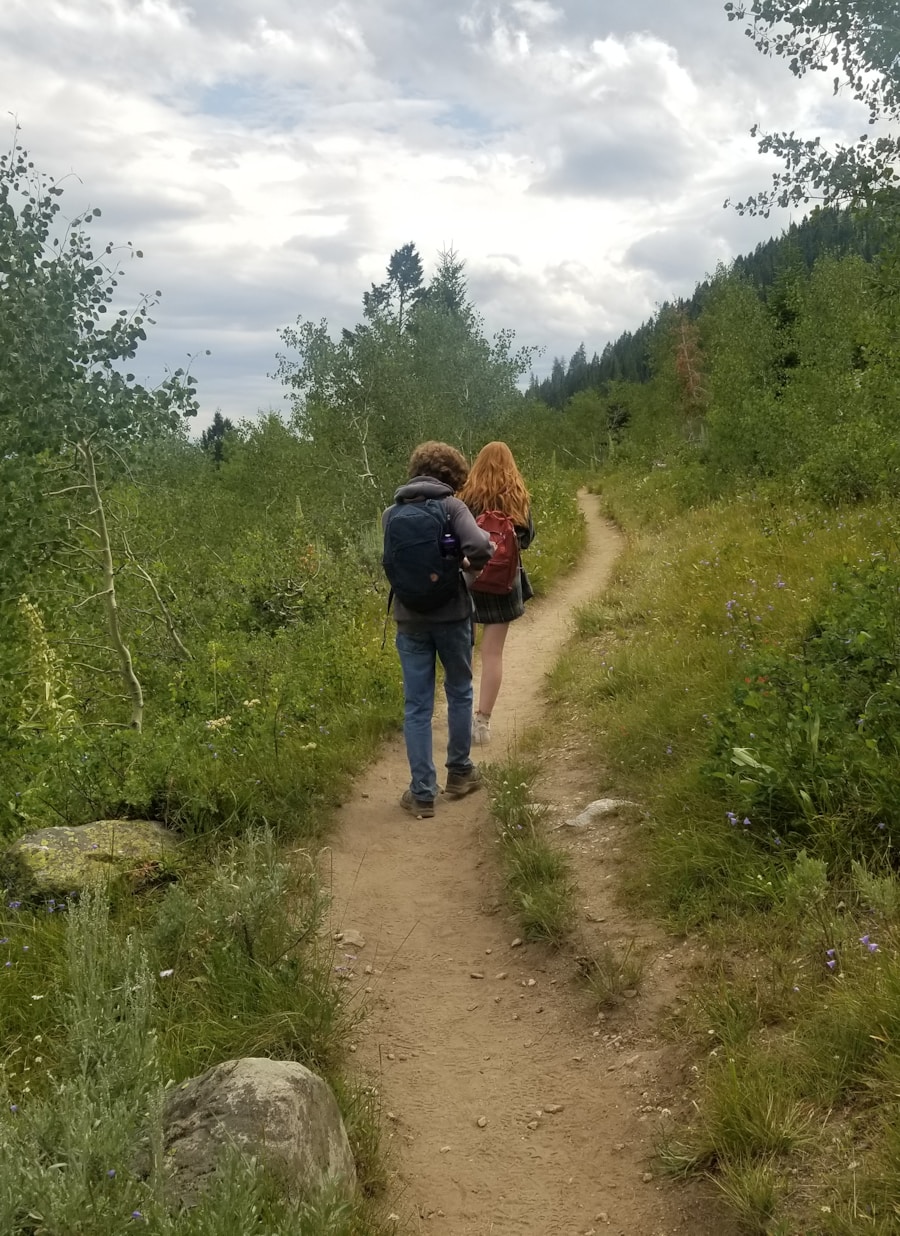
Some tiredness and increased breathing with exertion can be normal, especially during early pregnancy. The important question is whether your symptoms improve when you slow down and rest or whether they match a warning sign that calls for stopping exercise.
Do not simply push through overwhelming fatigue, unusual abdominal pain, persistent lightheadedness, or symptoms that feel different from normal exertion.
Warning: According to ACOG, stop exercising and contact your obstetric healthcare professional if you develop vaginal bleeding, dizziness or fainting, shortness of breath before beginning exercise, chest pain, headache, muscle weakness affecting balance, calf pain or swelling, regular painful uterine contractions, or fluid gushing or leaking from the vagina.
Dizziness on a hike can occur for many reasons, including heat, dehydration, inadequate food intake, or other medical causes. Stop in a safe place, sit or lie down as appropriate, cool off, and reassess rather than continuing immediately.
Shortness of breath also needs context. Breathing harder while climbing a hill is expected, but ACOG specifically lists shortness of breath before exercise as a warning sign. Chest pain, fainting, vaginal bleeding, fluid leakage, or persistent severe symptoms should never be treated as normal trail discomfort.
Choosing the Right Trails and Terrain for Pregnant Hikers
Trail name alone does not determine whether a hike is pregnancy-friendly. Famous routes such as the Appalachian Trail, John Muir Trail, or Pacific Crest Trail contain everything from gentle day-hike sections to steep, remote, high-altitude terrain. Evaluate the exact section you plan to hike.
| Trail | Current Route Information | Pregnancy-Specific Consideration |
| Appalachian Trail | 2,197.9 miles in 2026; terrain varies greatly. | Choose a short local section based on footing, elevation, weather, and access rather than treating the full trail as one difficulty level. |
| John Muir Trail | About 211 miles from Yosemite Valley toward Mount Whitney, much of it in high-elevation Sierra terrain. | High altitude, remoteness, long climbs, and limited exit points make many sections inappropriate for a casual pregnancy hike. |
| Pacific Crest Trail | Approximately 2,650 miles from Mexico toward Canada. | Conditions range from desert heat to high mountains. Judge the specific section, not the trail name. |
| Grand Canyon Rim Trail | Roughly 13 miles, with many mostly paved sections and shuttle access. | The South Rim is around 7,000 feet. That altitude matters even when the trail surface itself looks easy. |
| Yosemite Valley Loop Trail | About 11.5 miles for the full loop and 7.2 miles for the half loop on the current dedicated NPS page; rated moderate. | Mostly level does not automatically mean easy. A shorter section may be more comfortable than committing to the full loop. |
When choosing your own route, prioritize:
- Stable, well-maintained footing.
- Limited scrambling or exposure to steep drop-offs.
- Manageable elevation gain.
- A distance you can comfortably shorten.
- Shade or shelter when temperatures are high.
- Restrooms or water access when available.
- Reliable trail markers or offline navigation.
- Reasonable access to a road, ranger station, shuttle, or other help.
Rocky surfaces, loose gravel, wet roots, stream crossings, snow, and ice raise fall risk even when the overall route is rated “easy.” Trekking poles can provide additional stability for hikers who already know how to use them, but they do not make hazardous terrain safe.
Altitude and Early-Pregnancy Hiking
Elevation deserves separate attention because a trail can be smooth and still place substantial physiological stress on you.
ACOG advises avoiding activities above about 6,000 feet during pregnancy if you do not already live at high altitude. People who live at altitude may have different tolerances, which is one reason individualized medical advice matters for mountain hiking.
This is especially relevant when visiting destinations such as the Grand Canyon South Rim or high Sierra trails. Do not assume a familiar “easy” trail rating accounts for pregnancy or for the effects of altitude on someone arriving from near sea level.
Note: Trail difficulty ratings describe the route, not your personal medical risk. Elevation, heat, remoteness, and how recently you arrived at altitude can matter as much as mileage.
Hydration and Nutrition Considerations for Hiking While Pregnant
Hydration matters during pregnancy, but there is no single hourly water amount that fits every pregnant hiker. Heat, humidity, altitude, hike duration, body size, sweat rate, and individual medical needs all affect fluid requirements.
ACOG recommends drinking plenty of water before, during, and after exercise. Signs of dehydration can include dizziness, a pounding or racing heartbeat, dark yellow urine, or passing only small amounts of urine.
The CDC also recommends regular fluid and food intake during hot conditions. Water is generally the best choice for ordinary activity, while prolonged heavy sweating may create a situation in which electrolytes are useful.
Nutrition also affects how a hike feels. A balanced meal or snack before setting out can help provide steady energy. Depending on your nausea and food tolerance, portable options can include fruit, crackers, trail mix, nut or seed butter packets, sandwiches, yogurt kept safely chilled, or other foods that fit your prenatal nutrition plan.
ACOG’s clinical guidance notes that prolonged or high-intensity exercise can contribute to low blood glucose, making adequate calorie intake particularly important on longer outings.
Avoid forcing down a heavy meal immediately before strenuous climbing if that worsens nausea or reflux. Smaller snacks eaten more regularly may be easier to tolerate during the first trimester.
Precautions for Hiking in Different Weather Conditions During Pregnancy
Pregnancy can increase vulnerability to heat stress. The CDC notes that pregnancy makes heat exhaustion, heat stroke, and dehydration more likely because the body must work harder to cool itself and the developing baby.
In hot or humid weather:
- Choose the cooler part of the day.
- Seek shade and take regular breaks.
- Wear loose, breathable clothing.
- Carry more fluid than you would for mild weather.
- Shorten or cancel the hike when conditions are unusually hot.
- Do not treat finishing the planned route as more important than cooling down.
Cold and wet conditions bring different risks. Dress in layers so you can adjust insulation without becoming soaked in sweat. Use moisture-managing base layers and weather-resistant outer clothing when conditions call for them.
Rain, mud, ice, and snow also make footing less predictable. A trail that is comfortable when dry may become a poor pregnancy choice after a storm. Trekking poles can add stability, but avoiding a slippery route is safer than relying on equipment to compensate for hazardous conditions.
The Importance of Proper Gear and Clothing for Hiking While Pregnant
Supportive footwear with reliable traction should be a priority. Pregnancy can eventually bring foot swelling or changes in how shoes fit, so check comfort before a long outing rather than assuming your usual hiking footwear still fits exactly the same.
Clothing should allow free movement and help you manage temperature. Moisture-wicking fabrics, a supportive sports bra, sun protection, and removable layers make it easier to adjust as conditions change.
For sunny hikes, consider a wide-brimmed hat, sunglasses, and pregnancy-appropriate sun protection. Carrying a small pack may be practical, but avoid loading it simply because you could comfortably carry more before pregnancy. Water, food, weather protection, navigation, and emergency basics matter more than unnecessary weight.
Your essential gear may include:
- Supportive hiking shoes or boots with good traction.
- Water appropriate for the route and weather.
- Easy-to-tolerate snacks.
- Sun protection.
- A lightweight insulating or rain layer when needed.
- A charged phone and offline map or GPS backup.
- Basic first-aid supplies.
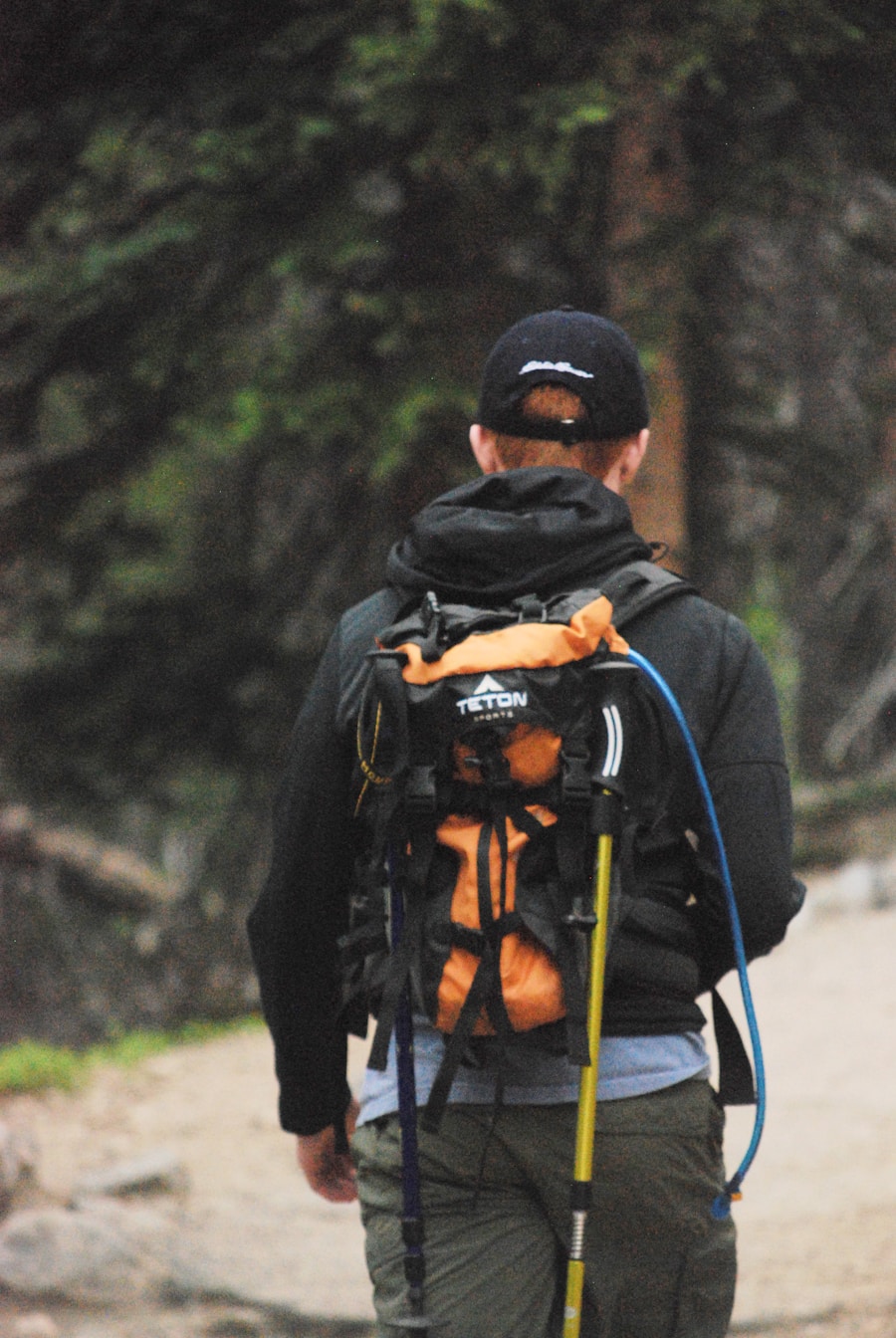
- Trekking poles if you are comfortable using them.
How Hard Should You Hike During Early Pregnancy?
For most recreational hiking, moderate effort is the safest general target unless your obstetric professional has given you different guidance.
ACOG describes moderate exercise as an effort that raises your heart rate and makes you sweat while still allowing normal conversation. During pregnancy, perceived exertion and the talk test can be more useful than chasing a particular heart-rate number.
If you have not been exercising regularly, start slowly. A short, gentle walk is a better starting point than immediately attempting the mileage you hope to reach later.
If you were already highly active, that does not automatically mean you must stop all vigorous activity, but pregnancy may require changes in intensity, terrain, duration, hydration, and recovery. Discuss strenuous or prolonged hiking with your prenatal clinician.
Consulting with a Healthcare Provider Before Hiking During Early Pregnancy
Each pregnancy is different. ACOG recommends discussing exercise during early prenatal care, and people with obstetric or medical complications should be evaluated individually before exercise recommendations are made.
This does not mean every healthy pregnant hiker needs special clearance before every walk. It means your clinician should know about your general exercise routine and can tell you whether your pregnancy creates a reason to modify it.
Ask for individualized advice before strenuous, remote, unusually high-altitude, or very long hikes if you are uncertain about your situation. Mention the type of activity you actually plan to do: distance, elevation, altitude, expected duration, pack weight, terrain, and access to emergency help are more useful than simply saying you plan to “go hiking.”
It is especially important to seek personalized guidance if you have been told that your pregnancy has a complication or you have another medical condition that could affect exercise. ACOG emphasizes clinical evaluation rather than a one-size-fits-all list of restrictions.
Planning a Safer Pregnancy Hike
Before leaving, check the route, forecast, temperature, altitude, water availability, trail conditions, and any park alerts. Choose a distance that leaves extra energy for the return trip.
A simple pre-hike plan can include:
- Where you will turn around if you are tired earlier than expected.
- What symptoms will make you stop immediately.
- Where the closest road, shuttle stop, ranger station, or trail exit is.
- Whether your phone is likely to have service.
- Who knows your route and expected return time.
- Whether heat, thunderstorms, smoke, snow, or ice could make the route unsuitable.
The goal is not to prove that you can complete the same route you did before pregnancy. A successful hike is one that lets you return safely and comfortably.
Wildlife awareness can also be part of general trail planning. For hikers entering areas with deer activity, the site’s existing article “Rutting Bucks: How Far Will They Travel?” provides additional background on seasonal buck movement. Wildlife information, however, should supplement rather than replace pregnancy-specific medical and trail-safety guidance.
Frequently Asked Questions
Is hiking safe during early pregnancy?
For most healthy people with an uncomplicated pregnancy, moderate hiking can be safe. ACOG states that regular physical activity is generally safe in a normal pregnancy. Choose terrain and intensity appropriate for your current fitness and symptoms, and follow any restrictions given by your obstetric healthcare professional.
Can hiking cause a miscarriage in early pregnancy?
ACOG states that regular physical activity in a healthy, normal pregnancy does not increase the risk of miscarriage. Individual medical or obstetric complications can change exercise recommendations, so discuss your situation with your prenatal clinician when needed.
What are the benefits of hiking during early pregnancy?
Hiking can provide moderate aerobic activity, time outdoors, and the general health benefits of staying active. Regular exercise during pregnancy can improve cardiovascular fitness and may reduce the risk of excessive gestational weight gain and gestational diabetes.
What symptoms mean I should stop hiking while pregnant?
Stop exercising and contact your obstetric healthcare professional for vaginal bleeding, dizziness or fainting, shortness of breath before exercise, chest pain, headache, muscle weakness affecting balance, calf pain or swelling, regular painful contractions, or fluid leaking from the vagina. Severe or rapidly worsening symptoms may require urgent medical attention.
What precautions should I take when hiking during early pregnancy?
Choose secure footing and manageable distance, stay hydrated, carry food, avoid extreme heat, monitor your effort with the talk test, know your turnaround points, and avoid trails with a high risk of falling. Tell someone your route when hiking away from developed areas.
Can I hike at high altitude while pregnant?
ACOG advises pregnant people who do not already live at high altitude to avoid activities above about 6,000 feet. People who live at altitude may have different tolerances. Discuss high-elevation hiking with your obstetric healthcare professional.
Are there medical conditions that can make hiking during pregnancy unsafe?
Yes. Certain medical and obstetric complications can require exercise to be modified or avoided. Because the recommendation depends on the specific condition and pregnancy, ACOG recommends individualized clinical evaluation rather than assuming the same restriction applies to everyone.
Sources
- American College of Obstetricians and Gynecologists — Exercise During Pregnancy — exercise safety, weekly activity guidance, precautions, altitude, and stop-exercise warning signs.
- ACOG — Physical Activity and Exercise During Pregnancy and the Postpartum Period — clinical guidance on intensity, hydration, heat, altitude, caloric intake, and exercise modification.
- CDC — Physical Activity for Pregnant and Postpartum Women — current 150-minute moderate-activity recommendation.
- CDC — Heat and Pregnancy — pregnancy-specific heat illness and dehydration risk.
- National Park Service — Grand Canyon Rim Trail — current Rim Trail distance and route characteristics.
- National Park Service — Yosemite Valley Loop Trail — current distance, elevation profile, and difficulty information.

