
Last Updated on September 10, 2026 by Daniel Globe
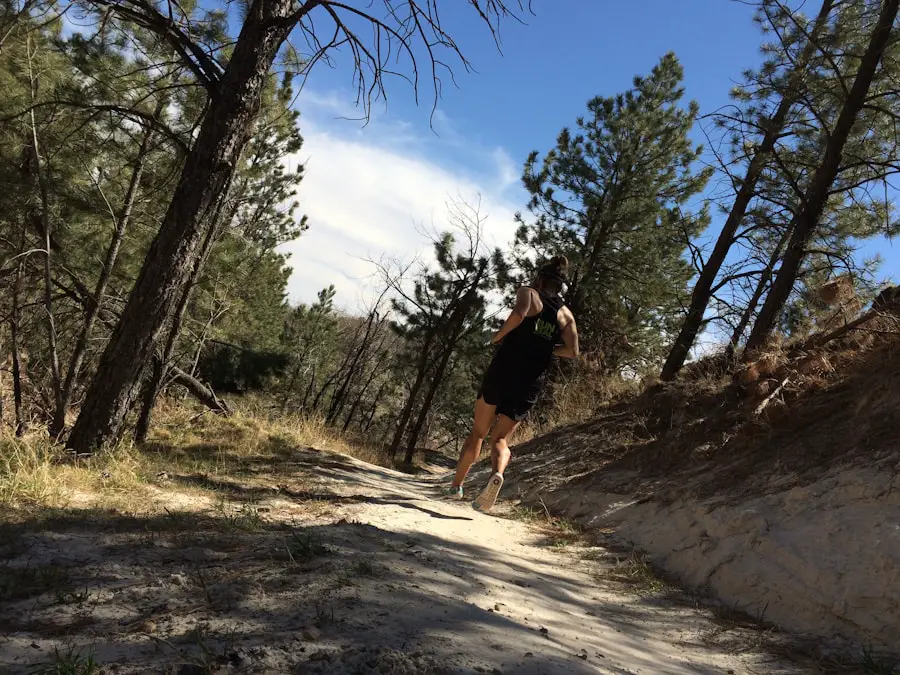
Hiking sits in an unusual place between exercise, outdoor recreation, and sport. A relaxed walk through a local park may feel nothing like a competitive athletic event, while a steep mountain hike can demand hours of endurance, balance, strength, navigation, and careful pacing. Whether hiking is a sport therefore depends partly on what someone means by the word “sport.”
Quick Answer
Usually, hiking is best described as outdoor recreation and physical activity rather than a competitive sport. However, under broad definitions such as the European Sports Charter, recreational hiking can fit within “sport” because competition is not required. Timed trail races are sports, but they are trail running—not ordinary hiking.
Key Takeaways
- Most people use “hiking” to mean a recreational walking activity on trails or natural terrain rather than a formal competitive sport.
- Hiking still requires athletic qualities such as endurance, leg strength, balance, pacing, and terrain awareness.
- Some broad institutional definitions of sport include recreational physical activity, so calling hiking a sport is not necessarily wrong.
- Trail running and ultramarathons are organized endurance-running sports, even though competitors may hike steep sections.
- Regardless of its label, hiking can provide meaningful physical activity and opportunities for recreation, challenge, and time in nature.
Disclosure: As an Amazon Associate I earn from qualifying purchases. Some links on this page are affiliate links, at no extra cost to you.
What Makes an Activity a Sport?
There is no single definition of “sport” that everyone uses. A narrow everyday definition usually emphasizes physical skill, competition, standardized rules, and an organized way to determine a winner. Under that definition, ordinary hiking does not fit very well because most hikers are not trying to defeat another person or follow a universal competition rulebook.
A broader definition produces a different answer. The European Sports Charter describes sport as forms of physical activity pursued through casual or organized participation to improve fitness or mental well-being, build social relationships, or obtain competitive results. Competition is therefore one possible goal rather than a requirement for every activity.
| Characteristic | Typical Hiking | Typical Organized Sport |
| Physical exertion | Yes; ranges from light to vigorous | Usually |
| Skill | Yes, especially on difficult terrain | Yes |
| Competition | Usually absent | Usually central |
| Universal rules | No | Normally yes |
| Main goal | Recreation, travel, fitness, exploration, or personal challenge | Performance within a defined competition |
Note: This is why reasonable people can give different answers to “Is hiking a sport?” Under a broad physical-activity definition, it can qualify. In ordinary sporting language, however, recreational hiking is usually treated separately from organized competitive sports.
The Physical Demands of Hiking
Hiking can be a serious physical challenge even when there is no competition. Difficulty changes with distance, elevation gain, trail surface, altitude, weather, pace, and the weight of a backpack. A flat two-mile trail and a ten-hour mountain route may both be called hikes, but their demands are very different.
Climbing works the quadriceps, hamstrings, calves, hips, and glutes while raising cardiovascular demand. Descending requires controlled braking from the legs and careful foot placement. Uneven ground also challenges balance and coordination, while the trunk helps stabilize the body—especially when carrying a pack.
The 2024 Adult Compendium of Physical Activities illustrates how demanding some hiking can become. Its walking category assigns 7.8 METs to backpacking or hiking with a daypack in one listed activity. That falls in vigorous-intensity territory, although it should not be treated as the intensity of every hike. Easy trails, slow walking, and frequent stops may demand substantially less energy.
A hike does not have to be a competition to be athletic. Steep terrain, elevation gain, distance, pack weight, and trail conditions can turn walking into demanding endurance exercise.
Technical trails add another layer of skill. Hikers may need to judge footing, cross loose rock, manage slippery surfaces, maintain balance on narrow paths, navigate, and pace themselves so that they have enough energy for the return trip. Those abilities improve with experience even though they are not normally scored by judges or governed by a universal set of hiking rules.
Competitive Hiking, Trail Running, and Endurance Events
People certainly compete on trails, but the terminology matters. Famous events such as the Western States Endurance Run and Ultra-Trail du Mont-Blanc are better described as trail-running ultramarathons, not standardized hiking competitions.
World Athletics classifies mountain and trail running as endurance running in which athletes race one another for the fastest time over a set course. Participants may power-hike steep climbs because walking can be more efficient than running on extreme gradients, but the competitive discipline remains trail running.
Hikers can still make their activity competitive. Friends may race to a summit, individuals may try to improve a personal time, and long-distance hikers sometimes pursue speed records or fastest-known times. Organized walking and endurance challenges also exist. These formats add competition to hiking-like movement, but they do not create one globally standardized sport called “competitive hiking.”
Pro Tip: When describing an event, use the organizer’s actual discipline. If competitors are racing a trail course for the fastest time under running rules, “trail running” is normally more accurate than “competitive hiking.”
Hiking vs. Trail Running, Trekking, and Mountaineering
Several outdoor activities overlap with hiking, which helps explain the confusion around its classification.
| Activity | Typical Description | Usually Competitive? |
| Hiking | Walking on trails or natural terrain for recreation, travel, fitness, or exploration | No |
| Trail running | Running on natural or largely off-road terrain; walking steep portions is common | Can be |
| Trekking / backpacking | Longer journeys on foot, often lasting multiple days and involving carried supplies | Usually no |
| Mountaineering | Mountain travel focused on reaching objectives that may involve steep, exposed, snowy, icy, or technical terrain | Usually no, although competitive mountain disciplines exist separately |
The boundaries are not always sharp. A hiker may jog downhill, a trail runner may hike an ascent, and a backpacker is still hiking while carrying overnight gear. The purpose and format of the outing often matter more than a momentary change in pace.
The Mental and Emotional Challenges of Hiking
| Area | What the Evidence Supports |
| Stress and rumination | Nature exposure may support relaxation and reduce repetitive negative thinking. One controlled study found reduced rumination after a 90-minute nature walk compared with an urban walk. |
| Anxiety | Physical activity can reduce short-term feelings of anxiety, and outdoor settings may add further well-being benefits for some people. |
| Depression risk and mood | Regular physical activity is associated with a lower risk of depression. Nature walking has also shown promising effects on negative mood and rumination, but it is not a substitute for clinical treatment. |
| Confidence and resilience | Completing a personally difficult route can provide a sense of achievement, although the emotional response varies from person to person. |
Hiking is not solely a physical endeavor. Long climbs, bad weather, route-finding problems, fatigue, exposure to heights, and uncertainty about what lies ahead can test patience and judgment. A hiker may need to decide when to continue, when to rest, and when turning around is the safer choice.
Nature can also create space for reflection. In a 2015 controlled experiment published in the Proceedings of the National Academy of Sciences, people who completed a 90-minute walk in a natural setting reported lower rumination than participants who walked in an urban setting. The result supports a potential mental-well-being benefit from nature exposure without suggesting that every hike produces the same effect. The study is available through PubMed.
Psychological challenges can also arise on the trail. Fear of heights, concern about becoming lost, fatigue, isolation, or changing weather may make a route feel harder than its mileage suggests. Developing navigation skills, choosing routes that match your experience, and gradually increasing difficulty can build confidence.
Note: Hiking and other physical activity can support mental well-being, but they are not replacements for professional care for depression, anxiety disorders, or other mental-health conditions.
Hiking as a Recreational Activity
For many people, recreation is the main point of hiking. A hike offers a way to explore forests, deserts, mountains, coastlines, parks, and other natural environments without keeping score or trying to beat another participant.
That recreational purpose does not make the activity physically insignificant. Someone can hike for enjoyment while still improving endurance, learning navigation, becoming more comfortable on uneven terrain, and gradually tackling longer or steeper routes.
Hiking is also unusually flexible. A beginner can start with a short, well-marked local trail, while experienced hikers may spend an entire day or several days traveling through remote terrain. Families, friends, hiking clubs, and organized groups can turn the activity into a social experience without adding formal competition.
The lack of a scoreboard is one of hiking’s attractions for many people. Progress can instead be personal: finishing a first five-mile route, climbing more elevation, carrying an overnight pack, becoming comfortable with navigation, or simply spending more time outside.
Arguments for and Against Hiking as a Sport
The argument in favor of calling hiking a sport is straightforward. Hiking involves physical exertion, develops skills, can require deliberate training, and may be pursued specifically to improve fitness or performance. Under a broad definition such as the European Sports Charter, those characteristics can be enough even when nobody is keeping score.
There is also a performance element for hikers who track pace, elevation gain, distance, heart rate, or completion times. A difficult route can demand the same commitment to conditioning, nutrition, pacing, equipment, and recovery seen in many recognized sports.
The argument against the label is equally understandable. Most hiking has no opponent, standardized course, universal rulebook, referee, scoring system, season, league, or governing body. The main objective is usually to complete or enjoy a route rather than defeat another competitor.
That distinction separates hiking from trail racing. Once participants enter an organized race with a defined course, timekeeping, eligibility requirements, rules, and finishing order, they are participating in a competitive sporting format. When the activity is a trail race, however, the sport is normally identified as trail running rather than hiking.
So the disagreement is mainly about language, not whether hiking demands athletic ability. Hiking can be physically demanding and skill-based without having to fit everyone’s preferred definition of sport.
The Role of Hiking in Fitness and Wellness
Hiking can make a meaningful contribution to an active lifestyle. Depending on pace and terrain, it can raise the heart rate for extended periods while challenging the legs and balance. Regular physical activity is associated with benefits for cardiovascular health, sleep, anxiety, bone health, healthy aging, and the risk of several chronic diseases, according to the Centers for Disease Control and Prevention.
For U.S. adults, current public-health guidance recommends at least 150 minutes of moderate-intensity aerobic activity each week, plus muscle-strengthening activity on two days. A moderate or vigorous hike can contribute toward the aerobic portion of that goal. Hiking alone, however, does not necessarily replace a complete muscle-strengthening program.
Hiking also uses energy and can support weight management when combined with appropriate food intake and sustainable habits. Calorie expenditure varies greatly with body size, pace, elevation, load carried, trail surface, and duration, so universal “calories burned per hike” promises are misleading.
The wellness value can extend beyond exercise. Time outdoors, social connection, personal goals, and relief from everyday routines can all contribute to why many hikers find the activity rewarding. Those benefits do not depend on whether hiking is officially called a sport.
Warning: A recreational hike can still become dangerous because of heat, cold, storms, altitude, wildlife, falls, difficult terrain, or remoteness. Check conditions, choose a route that fits your abilities, tell someone your route and expected return time, and carry appropriate emergency supplies. The National Park Service Ten Essentials include navigation, sun protection, insulation, illumination, first aid, fire, repair tools, food, hydration, and emergency shelter.
Is Hiking a Sport?
In ordinary conversation, hiking is generally better described as a recreational outdoor activity and form of exercise than as a formal competitive sport. Hiking normally has no opponent, scoring system, standardized competition rules, or governing organization.
That does not mean calling hiking a sport is always incorrect. Broader definitions of sport include casual physical activity undertaken for fitness, mental well-being, and social connection. Under that framework, hiking can fit comfortably within sport even when no race is involved.
The most useful distinction is therefore practical rather than absolute: recreational hiking is usually an outdoor physical activity, while an organized timed trail race is a competitive sport—typically trail running.
For some hikers, the challenge is completing a difficult route or improving a personal time. For others, the goal is simply to enjoy the landscape, spend time with family or friends, or find some quiet away from daily routines. Both approaches can demand endurance, judgment, and preparation.
Equipment choices also depend more on the trip than on whether hiking is called a sport. Longer backpacking trips may include personal-care gear as well as the usual trail essentials. Travelers who prefer to shave while away from home can, for example, compare compact options in this guide to the best travel razors.
Love travel? Join Our Facebook Community
Frequently Asked Questions
What is hiking?
Hiking is walking on trails, paths, or natural terrain for recreation, exercise, exploration, or travel. It can range from short local walks to strenuous full-day mountain routes.
Is hiking considered a sport?
Hiking is usually considered an outdoor recreational activity rather than a formal competitive sport. However, broad definitions of sport can include recreational physical activities performed for fitness, well-being, or social connection, so the answer depends partly on the definition being used.
Is trail running the same as hiking?
No. Hiking is primarily walking, while trail running is an endurance-running discipline performed on natural terrain. Trail runners often walk or power-hike very steep climbs, but an organized trail race is still classified as trail running.
Does hiking count as cardio?
It can. A hike that raises your heart rate to a moderate or vigorous level for a sustained period counts as aerobic physical activity. Intensity varies greatly with pace, elevation, terrain, altitude, and pack weight.
What are the physical benefits of hiking?
Hiking can improve aerobic fitness, challenge the muscles of the legs and hips, develop balance and coordination, and contribute to an active lifestyle. The benefits depend on how often you hike and how demanding your routes are.
What are the mental benefits of hiking?
Physical activity can reduce short-term anxiety and support long-term mental health. Research on nature walking also suggests that natural settings may reduce rumination and improve aspects of mood. Hiking should support, not replace, professional treatment when mental-health care is needed.
What equipment is needed for hiking?
Needs vary by route, but useful basics include appropriate footwear and clothing, water, food, navigation, sun protection, illumination, first-aid supplies, emergency insulation or shelter, and other items appropriate for the weather and terrain. Remote trips require more preparation than short local walks.
Are there different types of hiking?
Yes. Common forms include day hiking, backpacking, long-distance or thru-hiking, trekking, and more demanding mountain hiking. Mountaineering can overlap with hiking but may require additional technical skills and equipment when routes involve steep rock, snow, ice, or exposed terrain.
Sources
- Council of Europe — European Sports Charter / EPAS — authoritative broad definition of sport.
- World Athletics — Mountain and Trail Running — classification of trail racing as endurance running.
- 2024 Compendium of Physical Activities — Walking — current MET values for hiking, backpacking, and related activities.
- Centers for Disease Control and Prevention — Health Benefits of Physical Activity for Adults — physical and mental-health benefits of regular activity.
- U.S. National Park Service — Ten Essentials — hiking preparation and emergency equipment.
- PubMed — Nature Experience Reduces Rumination and Subgenual Prefrontal Cortex Activation — controlled research on nature walking and rumination.

