
Last Updated on July 31, 2026 by Daniel Globe
Aeromexico is Mexico’s flagship airline and has operated since 1934. Based in Mexico City, it serves more than 80 cities across Mexico, the United States, Canada, Latin America, Europe, and Asia. It is also a founding member of the SkyTeam alliance. Its eagle logo and blue-and-white branding are closely tied to its Mexican identity, but branding and service quality alone cannot answer the more important question: Is Aeromexico safe?
Quick Answer
Yes. Based on publicly verifiable evidence available July 31, 2026, Aeromexico is a reasonable airline to fly. Aeromexico and Aeromexico Connect are IOSA registered, Mexico holds FAA Category 1 status, and the group operates a modern 169-aircraft fleet. These are positive indicators, but no audit or airline can guarantee risk-free travel.
Key Takeaways
- Aeromexico and its regional operator, Aeromexico Connect, were both listed on the IATA IOSA Registry when checked on July 31, 2026.
- Mexico has held the FAA’s Category 1 aviation-safety rating since September 14, 2023, although that rating evaluates national oversight rather than one airline.
- Grupo Aeromexico reported 169 operating aircraft as of June 30, 2026, including Boeing 737, Boeing 787, and Embraer E190 aircraft.
- The airline’s history includes the fatal Flight 498 collision in 1986 and the nonfatal Flight 2431 accident in 2018.
- Customer-service reviews can help you judge delays, comfort, and support, but they are not reliable evidence of maintenance or pilot standards.
Disclosure: As an Amazon Associate I earn from qualifying purchases. Some links on this page are affiliate links, at no extra cost to you.
Is Aeromexico Safe?
Current public evidence supports viewing Aeromexico as a reasonable choice for commercial air travel. The strongest evidence is its current IOSA registration, operation under Mexican and international aviation rules, large modern fleet, and continued access to international markets.
That does not mean Aeromexico is “perfectly safe.” No airline, regulator, aircraft type, or audit can promise that an accident will never happen. A fair assessment looks at several independent indicators instead of relying on marketing language or passenger opinions alone.
Note: Registry entries, fleets, routes, and government ratings can change. The dates in this review show when each item was verified.
Safety Record and Certifications
IOSA Registration
The most useful public audit indicator is the IATA Operational Safety Audit Registry. When checked on July 31, 2026, it listed:
- Aeromexico, ICAO code AMX: registered through November 13, 2026.
- Aeromexico Connect, ICAO code SLI: registered through July 1, 2027.
IOSA is an internationally recognized audit program for airline operational management and control systems. It reviews areas that include organization and management, flight operations, dispatch, aircraft engineering and maintenance, cabin operations, ground handling, cargo, and security.
The correct wording is that an airline is IOSA registered, not that IATA or ICAO has guaranteed the airline’s future safety. Registration shows that the operator completed the applicable audit process and remained on the registry at the time checked.
IATA reported that IOSA-registry airlines recorded 0.98 accidents per million flights in 2025, compared with 2.55 for airlines outside the registry. This makes IOSA a useful positive indicator, but it does not predict the future performance of one airline.
ICAO Standards and Safety Management
The International Civil Aviation Organization develops global standards and recommended practices for governments and aviation service providers. Its safety-management framework promotes hazard reporting, risk assessment, safety assurance, employee training, and continuous improvement.
ICAO does not issue a consumer-facing certificate declaring Aeromexico accident-proof. Instead, national regulators apply ICAO standards, and programs such as IOSA examine airline operational systems.
Mexican and United States Oversight
Aeromexico is overseen in Mexico by the Agencia Federal de Aviación Civil, commonly called AFAC. References to the former Directorate General of Civil Aviation, or DGAC, are outdated in a current article.
The U.S. Federal Aviation Administration returned Mexico to International Aviation Safety Assessment Category 1 status on September 14, 2023. Category 1 means the FAA determined that Mexico’s civil-aviation authority met the applicable ICAO oversight standards at that assessment.
This is a country-level rating. It assesses Mexico’s ability to license, regulate, and oversee its airlines; it is not a separate FAA safety rating for Aeromexico.
Pro Tip: Check the operating carrier shown on your ticket. An Aeromexico-marketed codeshare may be flown by another airline, so the operating carrier’s regulator, fleet, and audit status are the relevant indicators for that flight.
Fleet and Maintenance

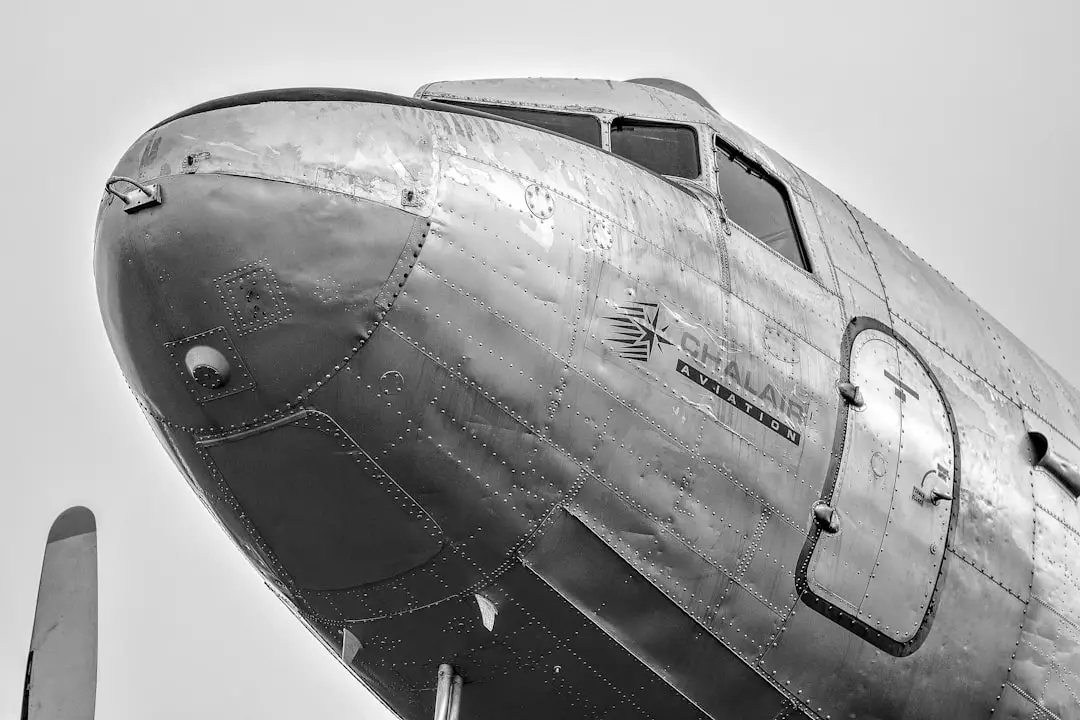
Illustrative aircraft image. The livery shown is not an Aeromexico livery.
Grupo Aeromexico’s second-quarter 2026 operating report listed 169 aircraft as of June 30, 2026, with an average age of 8.9 years.
- 34 Boeing 737-800 aircraft for domestic and shorter international routes.
- 47 Boeing 737 MAX 8 aircraft.
- 30 Boeing 737 MAX 9 aircraft.
- Eight Boeing 787-8 Dreamliners.
- 16 Boeing 787-9 Dreamliners for longer international routes.
- 34 Embraer E190 aircraft operated by Aeromexico Connect.
The Boeing 737 family is the main part of the airline’s short- and medium-haul fleet. The Boeing 787 Dreamliner supports long-haul routes, while Aeromexico Connect uses the smaller Embraer E190 on regional services.
A newer fleet can offer better fuel efficiency, updated systems, and lower average aircraft age. It is not, by itself, proof that an airline is safe. Aircraft safety also depends on approved maintenance programs, inspections, parts control, qualified technicians, accurate records, and proper responses to defects.
Public sources do not provide passengers with every Aeromexico maintenance record or inspection result. However, IOSA’s audit standards specifically cover aircraft engineering and maintenance systems. Aeromexico must also meet the continuing-airworthiness requirements applied by its regulator and the requirements for each aircraft type.
Pilot Training and Experience
Qualified pilots must hold the required licenses, medical certificates, aircraft qualifications, and operator approvals. Airline pilots also receive initial and recurrent training for normal operations, abnormal events, emergency procedures, crew coordination, and the aircraft type they fly.
Aeromexico Formación is listed by IATA as a Regional Training Partner. Its public description includes commercial-pilot education, flight-attendant training, maintenance-technician courses, and cooperation with CAE for advanced training and international flight phases.
This is a useful expertise signal, but it does not reveal the average total flight time of Aeromexico’s active captains and first officers or the exact number of recurrent simulator hours completed by each pilot.
| Category | What the Public Evidence Shows |
|---|---|
| Training | Aeromexico operates a public aviation-training organization and works with CAE, but its full internal line-pilot syllabus is not publicly disclosed. |
| Experience | The airline does not publish a current fleet-wide average for captain or first-officer flight hours. |
| Qualifications | Pilots must hold the licenses, medical status, operator qualifications, and aircraft type ratings required for their assigned duties. |
| Simulator Training | Recurrent competency and emergency training are standard parts of airline operations, but Aeromexico’s exact per-pilot simulator-hour totals are not stated in the public sources reviewed. |
Safety Measures and Protocols
Airline safety involves more than pilots and aircraft. It includes dispatch decisions, weather assessment, fuel planning, load control, cabin procedures, ground handling, cargo controls, security, maintenance, and management oversight.
The current IOSA Standards Manual covers eight main operational areas:
- Organization and management systems.
- Flight operations.
- Operational control and flight dispatch.
- Aircraft engineering and maintenance.
- Cabin operations.
- Ground handling.
- Cargo operations.
- Security management.
Aeromexico’s presence on the IOSA Registry means these operational systems were within the applicable audit framework. The registry does not disclose every internal procedure or prove that no employee will ever make an error.
Before departure, flight and ground crews use approved procedures to confirm that the aircraft, records, load, weather information, and required equipment are suitable for the flight. Cabin crews provide safety demonstrations and are trained to respond to events such as evacuations, smoke, fire, decompression, turbulence injuries, and medical emergencies.
Warning: Keep your seat belt fastened whenever you are seated, even when the sign is off. Unexpected turbulence can injure unrestrained passengers and crew members.
Incident History and Response

Illustrative aircraft-wreckage image. It is not a photograph of Flight 498 or Flight 2431.
A responsible safety review should not hide an airline’s accident history. It should also avoid treating one past event as the only measure of present-day operations.
Aeromexico Flight 498 in 1986
On August 31, 1986, Aeronaves de Mexico Flight 498, a McDonnell Douglas DC-9, collided in flight with a Piper PA-28 near Cerritos, California. The collision caused fatalities aboard both aircraft and on the ground.
The National Transportation Safety Board’s accident report examined air-traffic-control procedures, the private aircraft’s entry into controlled airspace, collision avoidance, and other contributing safety issues. The event became an important part of the broader history of collision-avoidance improvements in commercial aviation.
Aeromexico Connect Flight 2431 in 2018
On July 31, 2018, Aeromexico Connect Flight 2431, an Embraer E190, crashed shortly after takeoff from Durango while encountering severe weather conditions. It carried 97 passengers, two infants, and four crew members. There were injuries, but no fatalities.
The official Mexican final report examined the weather, takeoff sequence, crew actions, airport information, aircraft performance, and other operational factors. The accident is more recent than Flight 498 and belongs in any complete review of Aeromexico’s safety history.
How to Interpret These Events
A past accident does not automatically mean an airline is unsafe today. It also should not be dismissed with a vague statement that the airline “learned lessons.” The useful questions are whether the event was independently investigated, whether safety recommendations were issued, whether procedures or oversight changed, and whether the operator continues to satisfy current regulatory and audit requirements.
Customer Reviews and Satisfaction
Passenger reviews can help you judge the travel experience. Travelers may comment on fares, route options, delays, baggage handling, seat comfort, check-in, cabin service, or the way a disruption was handled.
Those reviews do not show whether an aircraft passed its maintenance checks, whether a crew met recurrent training requirements, or whether dispatch and safety-management systems complied with standards. A courteous flight can still experience a delay, and an unpleasant service encounter does not by itself prove that an airline is operationally unsafe.
Aeromexico has invested in newer aircraft, cabin products, digital check-in, and international connectivity. These changes may improve comfort or convenience, but they should be evaluated separately from safety evidence.
Comfort items such as a travel pillow may make a long flight more pleasant. They do not affect the airline’s maintenance, pilot training, regulatory compliance, or accident risk.
Regulatory Oversight and Compliance
Several layers of oversight apply to Aeromexico, and each has a different purpose:
- AFAC: Mexico’s civil-aviation authority oversees certificates, operations, airworthiness, personnel licensing, and compliance under Mexican law.
- ICAO: Develops international standards and recommended practices for member states and aviation service providers.
- FAA IASA: Assesses whether a foreign country’s civil-aviation authority meets applicable ICAO oversight standards. It does not inspect or rate an individual airline in the same way as IOSA.
- IATA IOSA: Audits an eligible airline’s operational management and control systems under a standardized industry framework.
- Foreign regulators: May impose additional operating, security, consumer, and technical requirements when Aeromexico flies into their jurisdictions.
These systems overlap, but they are not interchangeable. A useful article should not describe an ICAO standard, an FAA country rating, an AFAC operating approval, and IOSA registration as if they were the same “certificate.”
How Aeromexico Compares With Other Airlines
Aeromexico’s current indicators are broadly consistent with what travelers would expect from a large international network airline: IOSA registration, national regulatory oversight, long-haul and short-haul fleets, international alliance participation, and published accident investigations.
Ticket price is not a valid way to rank safety. Low-cost and full-service airlines must both meet the legal requirements that apply to their operations. A fair comparison should use the same checklist for every airline:
- Is the actual operating carrier currently listed on the IOSA Registry?
- Which national authority regulates the carrier?
- Does that country hold the relevant international oversight status?
- What aircraft type will operate the flight?
- Are official accident and incident reports publicly available?
- Are current fleet and company details dated and sourced?
- Does the airline clearly identify codeshare operating carriers?
Online airline-rating scores can be a starting point, but their methods differ. They should not replace official registries, regulator notices, company filings, and accident-investigation reports.
Future Safety Improvements
Aeromexico’s safety evidence should be reviewed over time rather than treated as permanent. Useful developments to watch include:
- Renewal of Aeromexico and Aeromexico Connect IOSA registrations.
- Changes to AFAC or FAA assessments of Mexico’s oversight system.
- New aircraft entering the fleet and older aircraft leaving service.
- Public findings from serious incidents or accidents.
- Updates to ICAO safety-management standards.
- Company disclosures about safety governance, training, maintenance, and operational risk.
Predictive maintenance, aircraft-health monitoring, and data analysis are growing tools across aviation. They can help operators identify patterns and schedule inspections, but the sources reviewed do not confirm a specific Aeromexico artificial-intelligence maintenance system. It would be misleading to present one as an established airline program without a named source.
Aeromexico’s corporate-governance materials also identify a board-level Safety and Security Committee. Board oversight is a useful governance signal, though passengers cannot use it as a substitute for operational audit and accident data.
Bottom Line: Is Aeromexico a Safe Airline?
Based on the public evidence available on July 31, 2026, Aeromexico is a reasonable airline to consider. Aeromexico and Aeromexico Connect were IOSA registered, Mexico held FAA Category 1 status, and Grupo Aeromexico operated a large fleet with an average age below nine years.
The airline also has a real accident history. The fatal Flight 498 collision occurred in 1986, and Flight 2431 crashed in 2018 without fatalities. Including those events creates a more honest assessment than simply calling the airline safe because it owns modern aircraft or belongs to an alliance.
No source can promise absolute safety. The best-supported conclusion is that Aeromexico currently shows several recognized indicators of a regulated international airline, with no verified evidence in the reviewed material that would justify advising travelers to avoid it on safety grounds.
Frequently Asked Questions
Is Aeromexico safe to fly in 2026?
Public evidence available on July 31, 2026 supports Aeromexico as a reasonable airline to fly. Aeromexico and Aeromexico Connect were IOSA registered, Mexico held FAA Category 1 status, and the group reported a 169-aircraft fleet. No airline can guarantee zero risk.
Is Aeromexico IOSA certified?
The more accurate term is IOSA registered. IOSA is IATA’s operational safety audit program. When checked on July 31, 2026, Aeromexico was listed through November 13, 2026 and Aeromexico Connect through July 1, 2027.
Who regulates Aeromexico?
Aeromexico is primarily regulated in Mexico by the Agencia Federal de Aviación Civil, or AFAC. ICAO develops international standards, while foreign authorities apply additional requirements when the airline operates in their countries.
Does the FAA give Aeromexico a Category 1 rating?
Not directly. The FAA’s Category 1 status applies to Mexico’s national civil-aviation oversight system. It means the country’s authority met the applicable ICAO standards at the assessment; it is not an individual airline rating.
What aircraft does Aeromexico use?
As of June 30, 2026, Grupo Aeromexico reported Boeing 737-800, 737 MAX 8, 737 MAX 9, 787-8, and 787-9 aircraft, plus Embraer E190 aircraft operated by Aeromexico Connect.
Has Aeromexico had fatal accidents?
Yes. Aeromexico Flight 498 was involved in a fatal midair collision near Cerritos, California, in 1986. Aeromexico Connect Flight 2431 crashed after takeoff from Durango in 2018, but all occupants survived.
Is Aeromexico Connect the same airline?
Aeromexico Connect is Grupo Aeromexico’s regional operating carrier and mainly uses Embraer E190 aircraft. It appears as a separate operator on the IOSA Registry, so travelers should check which company operates their flight.
Do negative customer reviews mean Aeromexico is unsafe?
Not by themselves. Reviews about delays, refunds, food, seats, or baggage can reveal service problems, but they do not verify maintenance records, pilot competency, dispatch systems, or regulatory compliance.
Sources
- IATA IOSA Registry — current Aeromexico and Aeromexico Connect registration status.
- IATA Operational Safety Audit Program — explains what IOSA evaluates and the limits of registration.
- Grupo Aeromexico Second-Quarter 2026 Results — fleet size, aircraft types, and average fleet age as of June 30, 2026.
- Federal Aviation Administration — Mexico’s return to IASA Category 1 status.
- NTSB Aircraft Accident Report AAR-87/07 — official investigation of Aeromexico Flight 498.
- Mexican Final Accident Report for Flight 2431 — official investigation of the 2018 Durango accident.
