

Last Updated on September 11, 2026 by Daniel Globe
You know that shooting well in the field combines technique with the right support gear. The marksmanship aids covered here reduce shooter-induced variables so you can get steadier holds, more consistent follow-up shots, and better ethical hits at range. Whether you hunt from a sitting position, work uneven terrain, or build a precision platform, choosing the correct bipod, rail or sling helps you spend less time compensating and more time making precise shots.
Disclosure: As an Amazon Associate I earn from qualifying purchases. Some links on this page are affiliate links, at no extra cost to you.
Top Picks
|
Category |
Product |
Score |
|---|---|---|
|
🚀 Best For Precision Shooters |
95/100 |
|
|
💰 Best For Seated Shooting |
85/100 |
|
|
🔧 Best Mounting Rail |
80/100 |
|
|
💼 Best Traditional Sling |
78/100 |
Selection Criteria
You need equipment that actually lowers your point-of-impact spread without creating new problems. Priority went to stability and repeatability under recoil, adjustability across common hunting shooting positions, weight and packability for long stalks, simple and secure mounting systems, corrosion-resistant materials and proven durability, and clear value for the intended use.
Each pick was judged by how easily you can deploy it in the field, how much it reduces shooter error, and whether it fits common rifle platforms.
Harris Bipod

You want a simple, reliable bipod that gets you elevated and steady without fuss. The Harris S-25 is built for hunters who spend time seated or need a quick height boost when prone shooting is blocked by brush. It clamps on fast, adjusts smoothly between 12 and 25 inches, and the swivel action helps you track a moving animal without re-setting your position.
Use it for regular range practice to build consistent holds, carry it on glassing-and-shoot days when terrain is unpredictable, or keep it on a compact hunting rig for long sits. If you want a durable, no-nonsense support that just works in the field, this is a practical choice.
What People Say
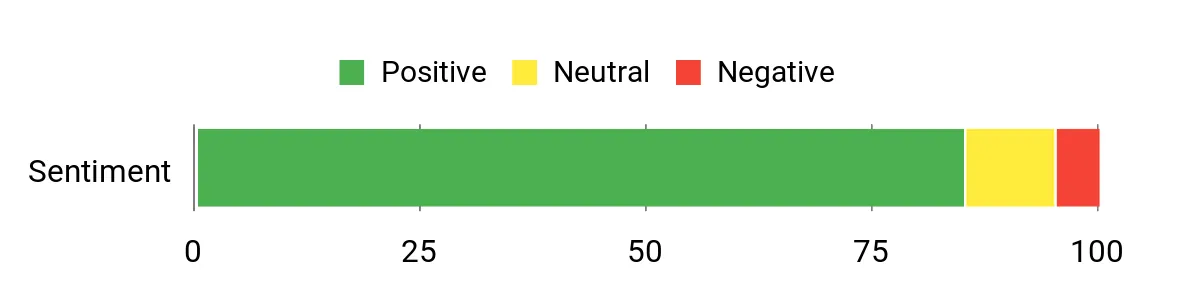
Customers commonly praise how fast the bipod goes on and stays secure, especially when you need to shoot from a seated position. Many users note the swivel capability and solid construction as reasons it beats makeshift rests in brushy or uneven terrain. Overall impressions point to a dependable, easy-to-use accessory that improves steadiness for hunting scenarios.
Overall Sentiment: Positive
Situational Benefits
|
Situation |
How It Helps |
|---|---|
|
Seated Hunting |
Raises your barrel to a comfortable height so you can hold a steadier sight picture without balancing on unstable objects. |
|
Predator/Coyote Hunts |
Offers quick deployment and a stable platform for rapid follow-up shots when animals move between cover. |
|
Vegetation or Rough Terrain |
Keeps you above brush and ground clutter when prone shooting is impossible or impractical. |
|
Range Practice |
Lets you isolate rifle and sighting variables so you can diagnose group issues and train consistent trigger control. |
Problem Solving Ability
Strong at improving stability and repeatability for field shooting, especially from seated positions. It does not replace a heavy precision bench setup but solves the common hunting problem of getting a steady shot when the ground is cluttered or you need to shoot quickly from a sitting posture.
Key Benefits
- Quick tool-free installation and adjustment
- Wide height range for seated and prone positions
- Swivel/pan lets you follow moving targets
- Proven durability and simple construction
Rating: 4.7 (total: 118+)
Atlas Bipod

You want a bipod that feels like part of a precision build, and the Atlas delivers that solidity without a lot of compromise. Its independently adjustable legs let you deploy them forward, back or at 45 degrees and lock them through a broad arc so you can level the rifle on uneven ground. The wide pan and cant range makes aligning crosshairs on sloped terrain easy, and the ADM lever lets you mount or remove it quickly from a Picatinny rail.
It’s light enough to carry on a dedicated hunt yet rigid enough for accurate work at distance. Use it for precision practice, varmint runs, or when you need a stable platform in broken country.
If you value long-term durability and terrain versatility, this is a strong choice, though it can feel stiff until broken in and you should confirm authenticity when buying used.
What People Say
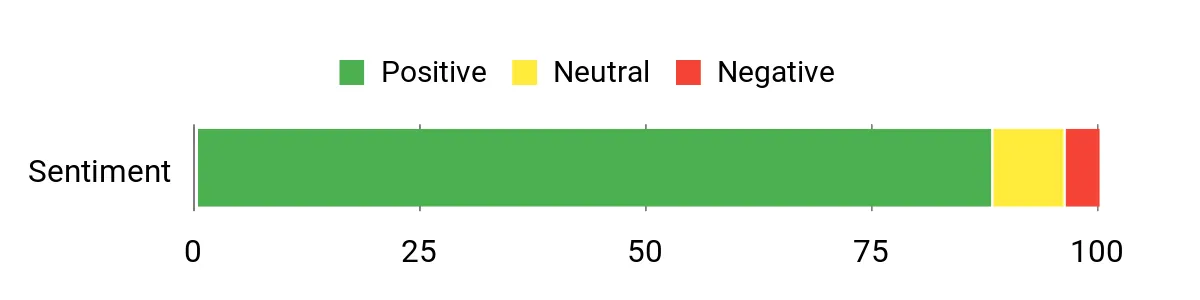
Most owners highlight the Atlas for its class-leading construction and rock-solid support, saying it feels like a precision component rather than an accessory. Reviewers commonly note the variety of leg positions and the smooth pan/cant as major advantages, while a minority mention initial stiffness that eases with use and advise checking purchases for authenticity.
Overall Sentiment: Positive
Situational Benefits
|
Situation |
How It Helps |
|---|---|
|
Precision Range Work |
Provides a rigid, repeatable platform so you can separate rifle and shooter variables and tighten groups. |
|
Uneven Terrain |
Independent legs and cant let you level the rifle without awkward body positions or improvised rests. |
|
Field Hunts |
Quick deployment and stable pan let you acquire and track targets across brush or varying slopes. |
|
Modular Builds |
Mounts cleanly to 1913 rails and detaches fast, so it fits modern sporting rifles and precision rigs alike. |
Problem Solving Ability
Excellent at delivering a stable, adaptable shooting platform that reduces shooter-induced dispersion and speeds target alignment on uneven ground. It is not the cheapest option and may require a short break-in period for moving parts, but for shooters prioritizing rigidity and terrain compensation it solves many common field accuracy problems.
Key Benefits
- Exceptional build quality and long-term durability
- Independent leg deployment for uneven terrain
- Generous pan and cant for terrain compensation
- Quick-detach mounting with ADM lever
Rating: 4.7 (total: 337+)
Atlas Rail

You want a clean, reliable interface between your rifle and a precision bipod, and the Atlas BT15/BT17 rail gives you that. It clamps to 1913 rails and provides a solid, low-profile flush cup mount so your Atlas bipod sits true to the stock.
Installation is straightforward on most builds and the rail’s stiffness means less wobble at the attachment point, which helps your groups stay tighter. Use it when converting factory or aftermarket stocks to accept an Atlas bipod, when you need a repeatable mount for range work, or on a dedicated hunting setup where a secure bipod interface matters. If you value a tidy, rigid connection for accurate shooting, this rail is a practical upgrade.
What People Say
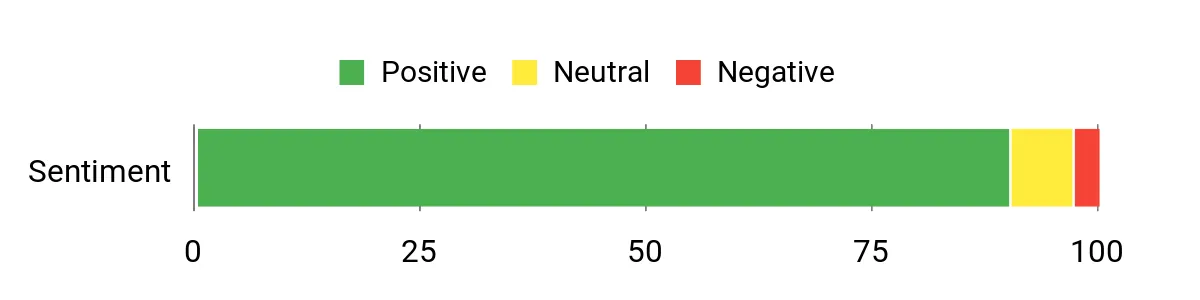
Users frequently call out the rail’s perfect fit and straightforward installation, noting it creates a very solid platform for Atlas bipods. Many appreciate how well it mates with different stocks and that it feels robust under use, while a minority mention needing to source t-nuts or hardware separately.
Overall Sentiment: Positive
Situational Benefits
|
Situation |
How It Helps |
|---|---|
|
Installing an Atlas Bipod |
Provides a dedicated, repeatable mounting point so the bipod sits square and minimizes play at the attachment. |
|
Range Tuning |
Keeps the bipod interface rigid so you can isolate rifle and ammo variables during accuracy work. |
|
Field Hunts |
Delivers a dependable connection that holds zero and performs on uneven terrain without shifting. |
|
Stock Upgrades |
Lets you adapt modern or aftermarket stocks to accept a flush-cup Atlas mounting system cleanly. |
Problem Solving Ability
Very effective at eliminating a common weak point: the bipod-to-stock interface. The rail reduces attachment flex and provides consistent alignment, improving repeatability and confidence in the field.
It may require separate t-nuts or screws for certain installs, so factor that into preparation.
Key Benefits
- Solid, low-profile mounting for Atlas bipods
- Easy to install on compatible stocks and rails
- Sturdy construction that reduces attachment flex
- Works with a variety of modern rifle stocks
Rating: 4.7 (total: 187+)
M1907 Sling

You want a sling that carries your rifle comfortably and also contributes to steadier shooting when you need it. This M1907 reproduction uses thick, drum-dyed leather and heavy hardware that sit right on period rifles like the M1 Garand or a Springfield.
It starts stiff and softens with use, which helps it last for seasons of field work and range practice. Use it for everyday carry, vintage builds, or as a low-tech shooting aid to tension for supported shots. If you value authenticity, durability, and a simple way to steady your aim, this is worth fitting to your rifle.
What People Say
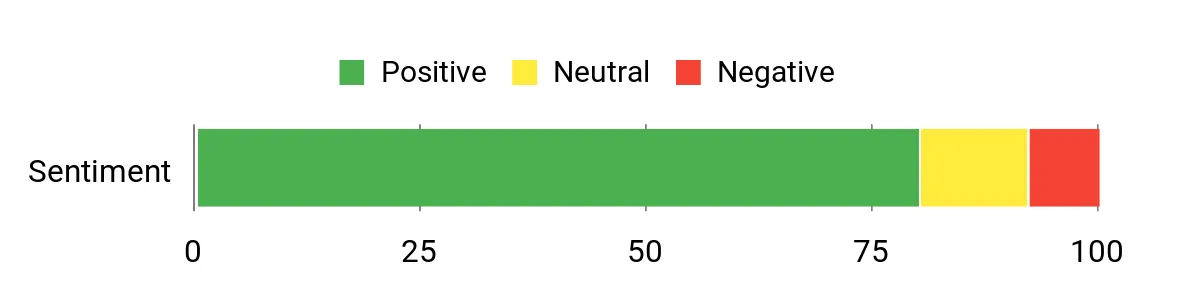
Buyers commonly praise the leather quality and correct-looking hardware, noting the sling feels solid and built to last. Many mention a necessary break-in period where the leather softens and molds to use, and a few report variability between individual units or the need to source extra mounting hardware.
Overall Sentiment: Positive
Situational Benefits
|
Situation |
How It Helps |
|---|---|
|
Hunting Carry |
Distributes weight comfortably across your shoulder so you can move and glass without fatiguing your hands. |
|
Supported Shooting |
Use it as a tensioned rear or front support to steady the rifle for slower, deliberate shots from prone or seated positions. |
|
Historic or Collector Builds |
Provides an authentic look and correct hardware for restorations and period-correct rifle setups. |
|
Range Practice |
Gives a repeatable sling anchor that helps isolate trigger and sighting issues during accuracy work. |
Problem Solving Ability
Effective at improving carry comfort and offering a repeatable, low-tech support for steadier shots. It does not replace purpose-built shooting slings or modern quick-adjust systems, and some units need a break-in period or minor hardware adjustments.
Key Benefits
- Top-grain leather construction for durability
- Authentic WWII-style hardware and appearance
- Adds a stable, repeatable point of contact for supported shots
- Simple, low-tech solution that fits many classic rifles
Rating: 4.6 (total: 298+)
FAQ
How Do I Choose The Right Bipod?
Start by matching the bipod to how you shoot and the terrain you hunt. If you spend most of your time on broken ground or need to cant and pan to follow targets, favor an independent-leg, high-cant design that keeps the rifle level. If you want a simple, durable support for seated or semi-prone shots, choose a hinged, wide-range model that deploys quickly and stays rock solid.
Consider weight, material and how repeatable the mount is so you get stability and repeatability rather than a feature list you won’t use.
Will These Aids Fit My Rifle?
Check the attachment method before you buy: many premium bipods mount to a 1913/Picatinny rail or use a flush-cup interface, while other models use a swivel-stud or adapter. If your stock lacks the right interface you can add a rail or flush cup, but confirm hardware requirements first since some rails need t-nuts or screws. For quick-detach systems, verify the lever style and rail compatibility so the mount seats cleanly and returns to the same position every time.
How Do I Use And Care For These Accessories?
Deploy and practice with each aid so you learn its limits and break-in behavior; some high-end bipods feel stiff at first but loosen with use, and leather slings soften and mold to your shoulder over time. Keep metal parts clean and lightly lubricated, torque fasteners to manufacturer specs, and treat leather sparingly with a suitable conditioner to avoid over-softening.
Also inspect mounts regularly for wear or play and verify authenticity when buying used high-value components to avoid counterfeit parts.
Customer Preferences
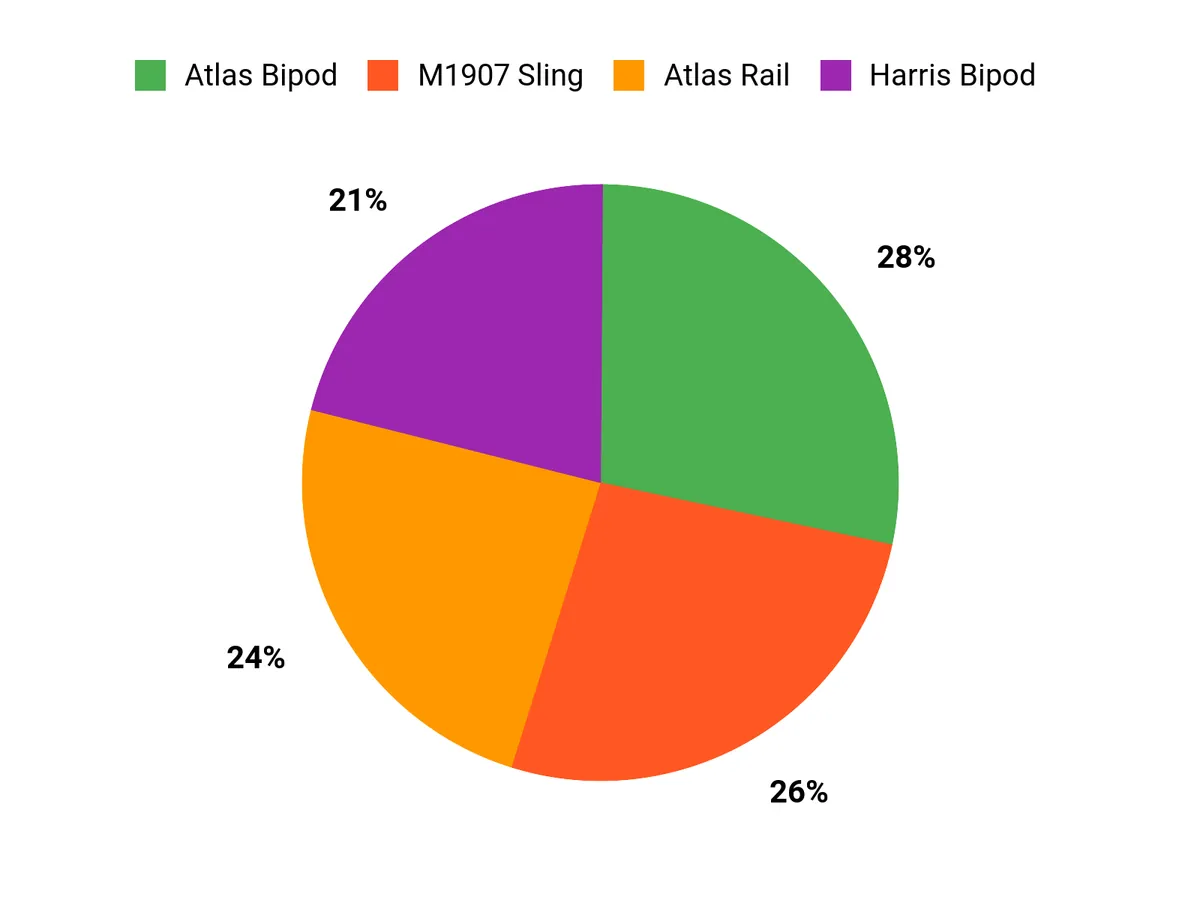
When you choose between the Harris bipod, Atlas bipod, and Atlas rail you typically prioritize what matters most to your hunts: the Harris is favored for simple, fast deployment and reliable seated support, the Atlas wins when you need precision, independent-leg articulation and rock-solid rigidity on uneven ground, and the Atlas rail is picked when mounting repeatability and a low-profile interface are the priority. In short, you balance stability, terrain adaptability and mounting compatibility against weight and intended shooting position to pick the best fit for your rifle and hunting style.
Wrapping Up
Match the tool to how and where you shoot. If you build for precision and terrain-compensated aiming, the Atlas bipod delivers unmatched articulation and rigidity.
If you hunt seated or need an affordable, quick-deploy rest, the Harris S-25 gives reliable height range and fast setup. Use the Atlas rail to fit modern bipods cleanly to traditional stocks and keep attachment points solid.
A leather M1907 sling adds low-tech, durable carrying support and an extra steady point when you need it. Taken together, these aids reduce movement, speed target acquisition, and help you make cleaner, more ethical shots in real hunting conditions.
| Product Name | Image | Rating | Material | Maximum Height | Minimum Height | Weight | Unique Highlights |
|---|---|---|---|---|---|---|---|
| Harris Engineering S-25 Series S Bipod |
|
4.7/5 (118 reviews) | Plastic | 25 Inches | 12 Inches | 0.55 Kilograms |
|
| Atlas AccuShot 3523 Bipod |
|
4.7/5 (337 reviews) | Aluminum | 9 Inches | 4.75 Inches | 0.79 Pounds |
|
| Atlas BT15 and BT17 Bipod |
|
4.7/5 (187 reviews) | Metal | 3.5 Inches | 4 Inches | 0.06 Pounds |
|
| US M1907 Leather Sling WWII |
|
4.6/5 (298 reviews) | Leather | N/A | N/A | 0.32 Kilograms |
|
This Roundup is reader-supported. When you click through links we may earn a referral commission on qualifying purchases.
