
Last Updated on September 11, 2026 by Logan Reeves
Cicada fishing can produce memorable surface action when insects are falling onto lakes, rivers, and ponds, but 2026 is different from the major periodical-cicada years that received so much attention in 2024 and 2025. There is no scheduled major 13- or 17-year periodical cicada brood in 2026. Annual cicadas still emerge across the United States each summer, however, and they can become an important localized food source for bass, trout, carp, panfish, and other fish.
This guide explains how to find productive cicada water, how to adjust your presentation, and how the Cicada Madness reference book, Arbogast Jitterbug, and Heddon Tiny Torpedo can fit different fishing situations. The Amazon links are affiliate links, so qualifying purchases may earn this site a commission at no additional cost to you.
Quick Answer
In 2026, no major 13- or 17-year periodical cicada brood is scheduled, but annual cicadas still emerge each summer and can create excellent local topwater fishing. Scout tree-lined water for active insects, match the surface silhouette, start with a dead drift or pause, and add subtle movement only when needed.
Key Takeaways
- UConn’s brood table lists no scheduled major periodical cicada brood for 2026, so focus on annual cicadas and any documented local stragglers.
- Tree-lined banks, overhanging branches, windward shorelines, current seams, eddies, and shaded edges are good places to look for cicada-feeding fish.
- A realistic cicada fly or floating imitation is best when fish are specifically inspecting insects; louder topwater lures can work when bass are willing to react to surface disturbance.
- Start with a natural presentation. Let the fly or lure settle after it lands, then use small twitches or pauses instead of constant aggressive movement when fish are wary.
At a Glance
| Time Required | Allow time to scout several tree-lined banks or stretches of water before committing to a fishing spot. |
| Difficulty | Beginner to intermediate; finding active insects is often more important than using an advanced retrieve. |
| Tools Needed | Fly or spinning tackle, floating cicada imitation or topwater lure, pliers, landing net where appropriate, and required fishing license. |
| Cost | Varies with the tackle and access you already have; no special expensive setup is required to begin. |
2026 Cicada Fishing Outlook
The University of Connecticut’s current periodical cicada brood table lists Brood XIV in 2025 and no scheduled major 13- or 17-year brood in 2026. The next listed major emergence is 13-year Brood XXII in 2027.
That does not make cicada fishing irrelevant this year. UConn explains that the cicadas commonly called annual cicadas have unsynchronized development, which means some adults mature every year. Many nonperiodical species appear from late June into late summer. They may be less spectacular than a mass Magicicada emergence, but enough insects around a productive shoreline can still get fish looking upward.
Note: A brood map is a starting point, not a promise of insects at every lake or stream. Periodical cicada populations can be highly patchy, and annual cicada abundance also varies locally. Confirm activity at the water before planning a trip around it.
Annual vs. Periodical Cicadas
Periodical cicadas in the genus Magicicada synchronize their development into 13- or 17-year cycles and can emerge in enormous numbers within established brood ranges. Annual or nonperiodical cicadas are different: individual insects may take multiple years to develop, but their populations are not synchronized, so adults appear in a given area every summer.
For anglers, that distinction affects expectations. A major periodical emergence can put an unusually large amount of food around wooded water for several weeks. Annual cicadas usually produce a more localized opportunity, so scouting becomes especially important.
UConn reports that periodical cicadas typically begin emerging once soil about 7 to 8 inches deep reaches approximately 64°F. Emergence timing therefore varies with latitude, elevation, and local weather rather than following one nationwide date.
How to Find Productive Cicada Water
Start with trees. Cicadas spend their adult stage in and around woody vegetation, so a barren shoreline is less promising than a bank lined with mature trees and overhanging branches.
- Listen before you fish: Loud daytime cicada activity tells you adults are present nearby.
- Watch the surface: Look for insects, wings, occasional splashes, dimples, or fish rising beneath branches.
- Check wind direction: A breeze that pushes insects from trees toward one shoreline can concentrate food.
- Fish current lanes: In rivers, current seams and eddies can funnel floating insects past holding fish.
- Check shaded banks: Overhanging vegetation combines insect activity with cover that bass and other fish may use.
- Keep moving: If one wooded bank has no cicada sound or surface activity, inspect another rather than assuming the entire lake or river is inactive.
Pro Tip: Finding the insects is usually more valuable than changing lures repeatedly. When you can hear cicadas in shoreline trees and occasionally see them hit the water, you have a much stronger reason to fish a cicada-style presentation.
How to Present Cicada Flies and Topwater Lures
A natural cicada often hits the surface with an obvious landing, then floats or struggles intermittently. That means constant aggressive movement is not always the best presentation.
- Make an accurate cast. Put the fly or lure close to overhanging trees, shade lines, structure, current seams, or visible feeding fish.
- Let it settle. After the landing disturbance fades, give the fish a chance to inspect the offering.
- Start subtle. Try a dead drift, long pause, or very small twitch.
- Add movement gradually. If fish are reacting to struggling insects, use occasional wiggles, short twitches, or a brief retrieve.
- Change approach when needed. If bass are actively chasing rather than inspecting food, a noisier Jitterbug or prop bait can become useful.
Realistic cicada flies and floating insect imitations have the advantage when fish are specifically keyed to shape and profile. The Jitterbug and Tiny Torpedo are different tools: they are general topwater reaction lures rather than anatomically realistic cicada imitations.
Fly Gear vs. Spinning Gear
Both methods can work. Choose according to the fish, cover, lure weight, and how closely you need to imitate the insect.
Fly tackle is useful for floating foam or deer-hair cicada patterns, especially when trout, carp, or cautious bass are inspecting individual insects. Large terrestrial patterns can be wind resistant, so use a rod and leader stout enough to turn over the fly and handle your target species rather than choosing tackle solely by hatch name.
Spinning or baitcasting tackle makes it easier to cast conventional topwater lures, cover more water, and work around bass cover. A floating insect-style lure is the closer match when fish are selective; Jitterbug- or Torpedo-style baits make more sense when fish respond to broader topwater disturbance.
Warning: Topwater plugs commonly carry multiple treble hooks. Use pliers when unhooking fish, keep hooks away from hands and other anglers during casting, and use extra caution on dark banks or in boats. Check current state fishing-license, tackle, size, season, and harvest regulations before fishing.
Top Picks
|
Category |
Product |
Editorial Fit Score |
|---|---|---|
|
📘 Best Cicada Guide |
92/100 |
|
|
🏆 Best Night Topwater |
88/100 |
|
|
🎯 Best Compact Prop Bait |
86/100 |
Selection Criteria
You need sources and gear that address either the cicada event itself or the surface-feeding behavior it can create. Top priority went to timing and science, followed by presentation value, ease of use, and suitability for common cicada-fishing situations.
For lures, the evaluation considers surface action, castability, retrieve control, hook configuration, and how well each bait fits a specific situation. The numerical scores above are editorial fit scores for this guide, not manufacturer test results or customer-review scores.
The two hard baits are not exact cicada replicas. They earn places here because their surface action can be useful when bass and other gamefish are actively reacting to topwater disturbance.
Cicada Madness
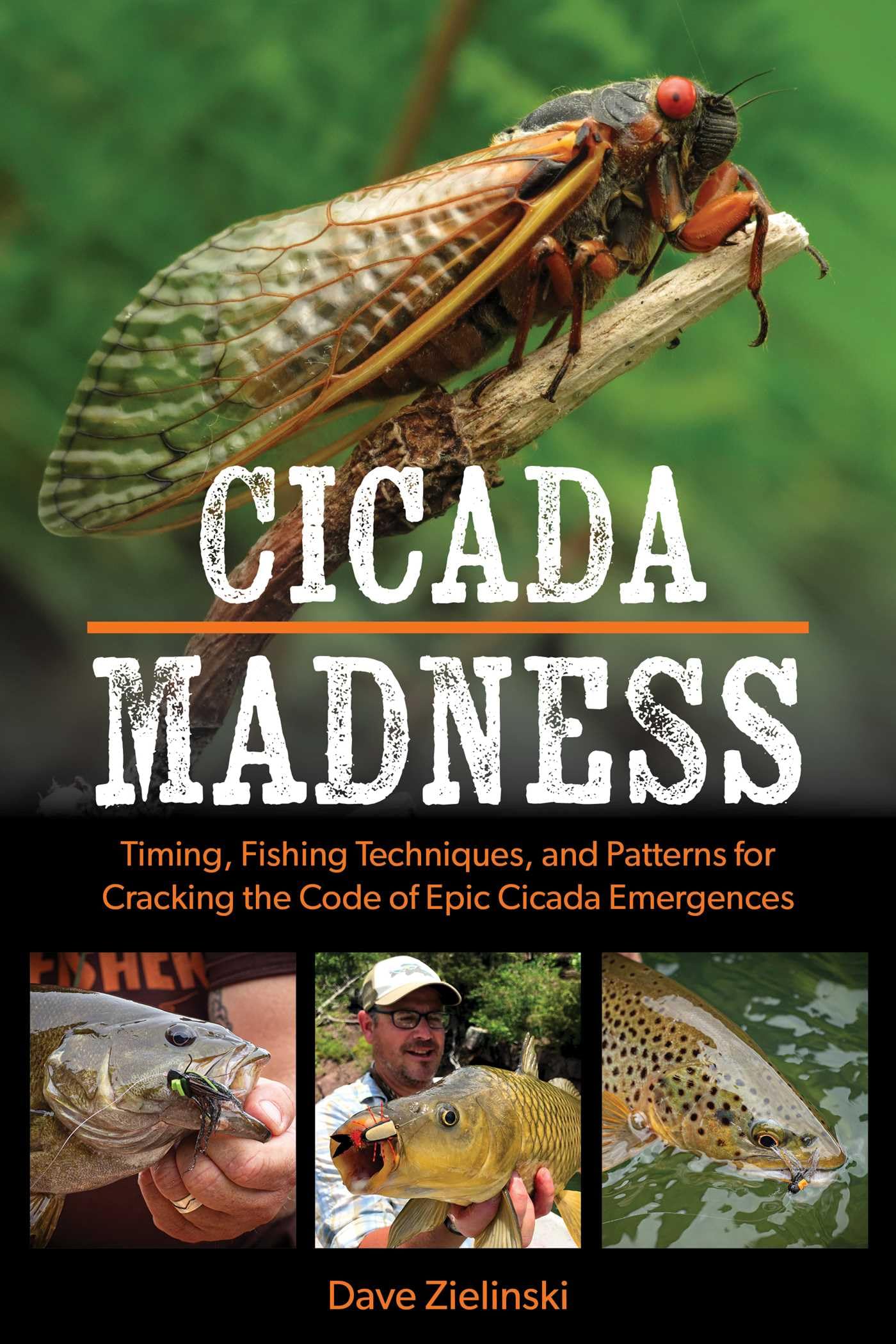
Cicada Madness: Timing, Fishing Techniques, and Patterns for Cracking the Code of Epic Cicada Emergences is by Dave Zielinski and was published by Stackpole Books in 2023. The publisher lists 176 pages and describes coverage of annual and periodical cicadas, brood ranges, scouting, fish behavior, destinations, fly tying, tactics, and gear.
That makes the book useful beyond a single brood year. In 2026, its annual-cicada and scouting material is particularly relevant because anglers cannot simply travel to a nationally prominent periodical brood. It also helps explain how species including bass, trout, carp, and other freshwater fish can respond when cicadas begin falling into the water.
What People Say
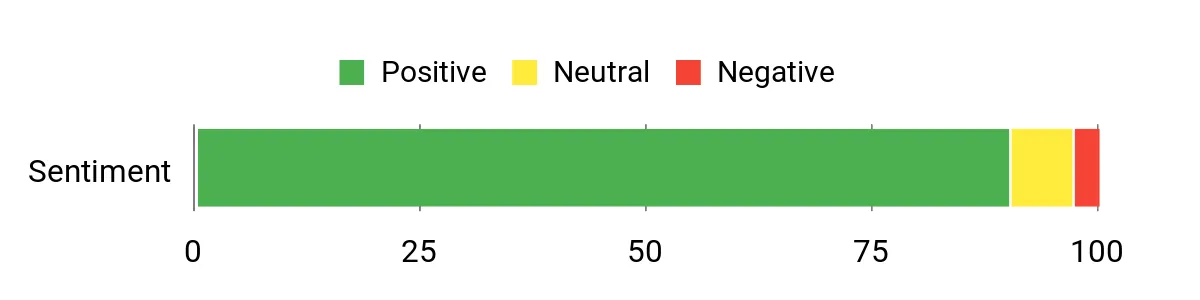
The original article’s retailer-review snapshot was positive and highlighted the combination of emergence information, fishing tactics, life-cycle explanation, and fly-tying material. Because retailer ratings and review counts change, treat that snapshot as historical context rather than a live measurement.
Overall Sentiment in the original review snapshot: Positive
|
Pros |
Cons |
|---|---|
|
✅ Focuses specifically on cicada emergences and fishing |
❌ Specialized subject may be unnecessary for anglers who rarely fish terrestrial-insect events |
|
✅ Relevant to both fly and conventional anglers |
❌ A book cannot replace checking current brood maps and local conditions before a trip |
|
✅ Includes fly-tying patterns, fish behavior, scouting, tactics, and gear |
Situational Benefits
|
Situation |
How It Helps |
|---|---|
|
Planning a Hatch Trip |
Provides background on broods, historical ranges, scouting, and timing so you can interpret current emergence information more effectively. |
|
Topwater Sessions |
Explains fish behavior and presentation ideas that can help you decide when to dead-drift, twitch, or change tactics. |
|
Fly Tying Preparation |
Includes a fly-tying library devoted to periodical cicada imitations. |
|
Learning Fish Behavior |
Covers fish responses to cicadas across species including trout, bass, carp, and others. |
Safety Notes
Use the book as a fishing reference rather than a substitute for current local regulations or on-water judgment. Confirm access rules, licensing, weather, streamflow, boating conditions, and any tackle restrictions before fishing.
Key Benefits
- Explains both annual and periodical cicada fishing
- Covers brood history and scouting rather than one isolated emergence
- Includes fish behavior, tactics, gear, and fly-tying material
- Useful for trip planning as well as offseason preparation
Original article retailer snapshot: 4.9/5 (24+ ratings at the time captured). Check the live retailer listing for the current rating and count.
Arbogast Jitterbug

The Arbogast Jitterbug is a classic topwater lure built around a double-cupped lip that creates a rhythmic surface wobble. The manufacturer specifically positions it as a strong night-fishing topwater bait, while also noting that it can draw strikes during the day.
The linked 3-inch, 5/8-ounce style fits situations where bass are reacting to obvious surface disturbance rather than carefully inspecting a realistic cicada profile. It is therefore better viewed as a cicada-season reaction bait than as a literal cicada imitation.
What People Say
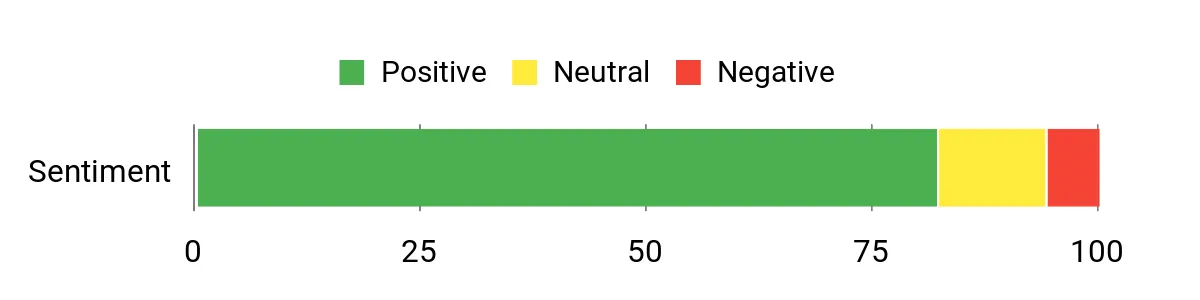
The original article’s review snapshot emphasized the Jitterbug’s recognizable surface action, night-fishing usefulness, and long-running reputation among bass anglers. Retailer reviews change continuously, so the original figures below should not be treated as live Amazon data.
Its retrieve does matter. In clear water or around cautious fish that are inspecting actual cicadas, a loud wobbling plug may be less convincing than a motionless or lightly twitched insect imitation.
Overall Sentiment in the original review snapshot: Positive
|
Pros |
Cons |
|---|---|
|
✅ Distinct rhythmic topwater action |
❌ Strong surface disturbance can be excessive when fish want a subtle cicada presentation |
|
✅ Particularly well suited to night and low-light bass fishing |
❌ Treble hooks require careful handling |
|
✅ Available in several sizes for different fishing situations |
❌ Not a realistic cicada imitation |
|
✅ Straightforward retrieve for anglers new to topwater plugs |
Situational Benefits
|
Situation |
How It Helps |
|---|---|
|
Night Fishing |
Creates a rhythmic wake and surface disturbance that makes the lure easy for bass to locate. |
|
Cicada-Season Surface Activity |
Offers a larger reaction-style topwater presentation when bass are already willing to feed at the surface. |
|
Aggressive Fish |
Lets you cover water with a more conspicuous presentation instead of waiting on a motionless insect imitation. |
|
Longer Cast Requirements |
The 3-inch, 5/8-ounce model carries enough weight for conventional casting around larger banks and structure. |
Safety Notes
The current Jitterbug line uses treble hooks, not “double hooks.” Use pliers for hook removal, control the lure before lifting a fish into a boat, and take extra care when fishing after dark.
Key Benefits
- Recognizable rhythmic topwater action
- Well suited to night and low-light fishing
- Multiple sizes available for different applications
- Simple retrieve for conventional-tackle anglers
Original article retailer snapshot: 4.6/5 (1,746+ ratings at the time captured). Check the live retailer listing for current information.
Heddon Tiny Torpedo

The linked Heddon lure corresponds to the Tiny Torpedo: a compact 1 7/8-inch, 1/4-ounce prop-equipped topwater lure. According to the current manufacturer specifications, its aerodynamic shape supports distance and accuracy, while the rear prop churns the surface when twitched.
The manufacturer lists Bass, Pike, and Panfish among its target species and specifies #6 hooks. The Tiny Torpedo can be twitched to create obvious disturbance or reeled more steadily, giving it more retrieve flexibility than the original article suggested.
Like the Jitterbug, this is not a realistic cicada replica. Its value during cicada activity comes from being a compact surface lure for fish willing to chase movement or react to topwater disturbance.
What People Say
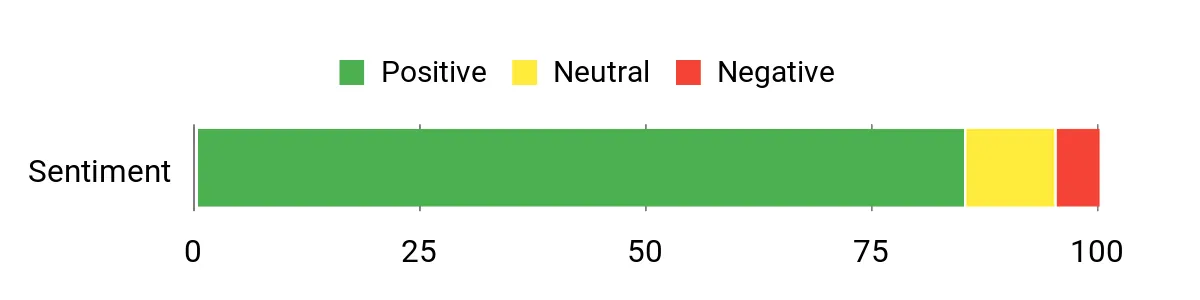
The original article’s retailer-review snapshot praised casting performance, surface action, and effectiveness around actively feeding fish. Those impressions fit the manufacturer’s description of the Tiny Torpedo as a compact prop bait designed for surface disturbance and accurate casting.
As with any retailer data, the numerical rating and review count can change, so use the figures below only as the historical snapshot contained in the original article.
Overall Sentiment in the original review snapshot: Positive
|
Pros |
Cons |
|---|---|
|
✅ Compact prop bait produces noticeable surface disturbance |
❌ Multiple hooks require careful handling |
|
✅ 1/4-ounce aerodynamic design supports useful casting distance |
❌ Prop action may be too aggressive when fish are inspecting individual natural cicadas |
|
✅ Works with short twitches or a steadier retrieve |
❌ Not a true cicada imitation |
|
✅ Small profile suits ponds, rivers, creeks, and other conventional topwater situations |
Situational Benefits
|
Situation |
How It Helps |
|---|---|
|
Schooling Activity |
The rear prop creates a compact surface disturbance that can draw reaction strikes from actively feeding fish. |
|
Cicada-Season Topwater Bite |
Gives conventional-tackle anglers a small reaction bait when fish are already looking toward the surface. |
|
Longer or Accurate Cast Needed |
Its aerodynamic shape and 1/4-ounce weight help reach holding water more easily than many extremely light insect imitations. |
|
Variable Retrieve |
Can be worked with short twitches and pauses or retrieved more steadily when fish prefer continuous movement. |
Safety Notes
Use pliers when removing the Tiny Torpedo’s hooks, keep the lure controlled when a hooked fish reaches the bank or boat, and make sure the area behind you is clear before casting.
Key Benefits
- Compact 1 7/8-inch, 1/4-ounce profile
- Prop-generated surface disturbance
- Designed for distance and casting accuracy
- Can be twitched, paused, or retrieved steadily
Original article retailer snapshot: 4.7/5 (1,282+ ratings at the time captured). Check the live retailer listing for current information.
What to Do When Fish Ignore Your Cicada Presentation
A visible hatch does not guarantee an easy bite. Fish can reject an artificial for several reasons, and changing presentation is often more useful than repeatedly changing locations after you have already found active insects.
- Too much movement: Let a realistic imitation sit longer or dead-drift naturally before twitching it.
- Too much noise: Replace a loud reaction lure with a quieter floating insect pattern when fish follow but refuse.
- Too many natural insects: When the surface is covered with real cicadas, your artificial competes with abundant natural food. Concentrate on isolated feeding lanes or individual rising fish.
- Wrong water: Move toward overhanging vegetation, shade, current seams, eddies, or the windward bank where insects are actually reaching the water.
- No cicada activity: Switch to a normal seasonal fishing pattern instead of forcing a cicada presentation simply because it is summer.
Frequently Asked Questions
Is there a major cicada hatch in 2026?
There is no scheduled major 13- or 17-year periodical cicada brood in UConn’s 2026 brood table. That does not mean there are no cicadas. Annual or nonperiodical cicadas still emerge every summer, and small off-cycle groups of periodical cicadas can also occur.
When do cicadas emerge?
Timing depends on the species and location. UConn reports that periodical cicadas generally emerge when soil about 7 to 8 inches deep reaches approximately 64°F, with southern locations tending to start earlier. Annual cicadas commonly appear from late June into late summer.
Should I use fly or spinning gear for cicada fishing?
Either can work. Fly gear is useful for buoyant cicada imitations and precise natural presentations, while spinning or baitcasting tackle handles conventional topwater plugs easily and lets you cover more water. Match the rod, line, leader, and hook strength to your target species and cover.
What lures and presentations work best?
When fish are clearly eating cicadas, start with a floating insect imitation and a natural presentation. Let it land, settle, and drift or sit before adding small twitches. When bass are more aggressive and less selective, reaction-style topwaters such as a Jitterbug or Tiny Torpedo can cover water and create more surface disturbance.
Where should I cast during cicada activity?
Prioritize tree-lined banks, overhanging branches, shade edges, current seams, eddies, and windward shorelines where insects are likely to hit or collect on the water. Visible rises or feeding fish should take priority over a general shoreline pattern.
Why are fish following but not eating my cicada lure?
Your presentation may be too loud, too fast, or visually different from the natural insects. Try a longer pause, a dead drift, a smaller movement, or a more realistic floating imitation. If many natural cicadas are already on the surface, target individual feeding lanes rather than competing with every natural insect.
Do only bass and trout eat cicadas?
No. Published cicada-fishing references describe surface feeding by bass and trout as well as carp, catfish, freshwater drum, panfish, and other species. The exact opportunity depends on which fish live in the water you are fishing and whether cicadas are reaching the surface in meaningful numbers.
Angler Preferences
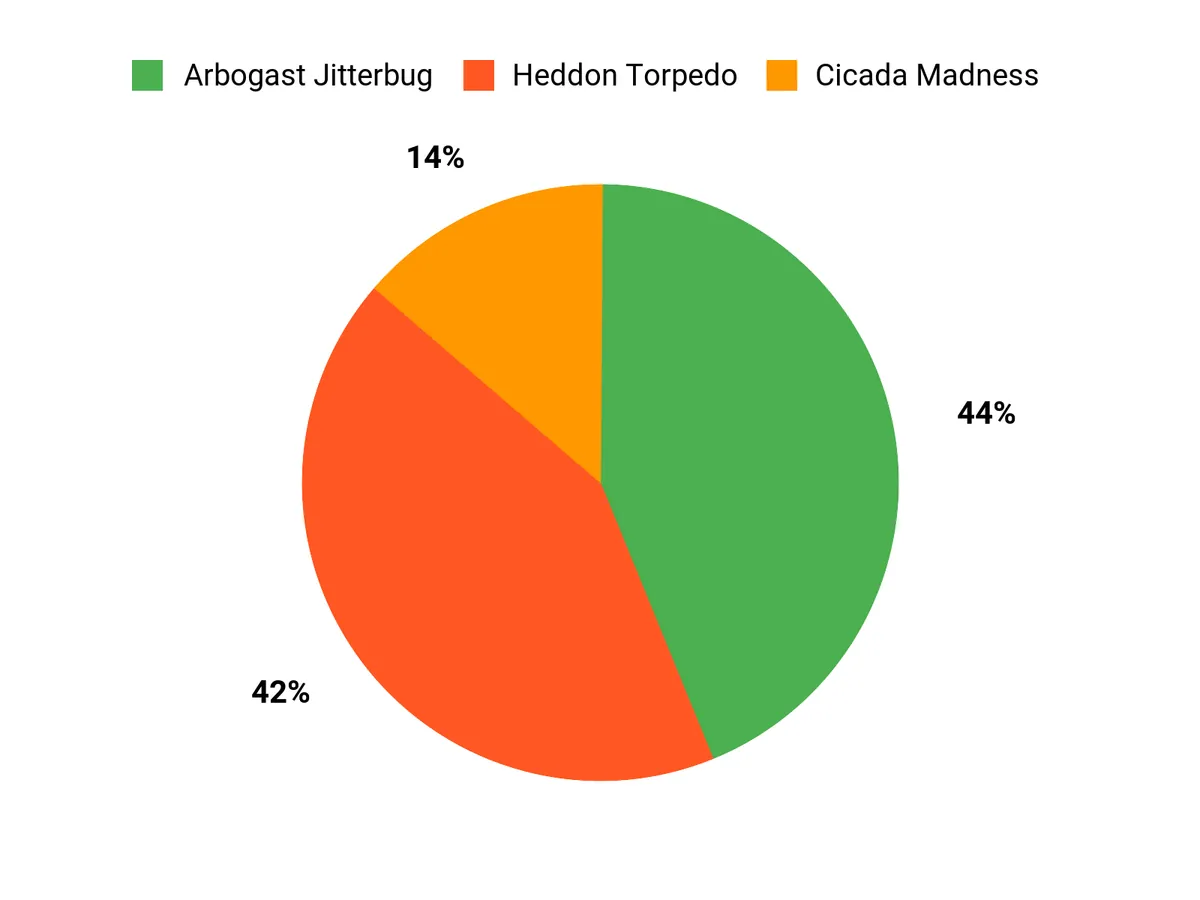
Choosing between Cicada Madness, the Arbogast Jitterbug, and the Heddon Tiny Torpedo comes down to the problem you are trying to solve. Choose the book when you need knowledge about broods, annual cicadas, scouting, fish behavior, flies, and tactics. Choose the Jitterbug when you want a conspicuous rhythmic topwater plug, especially for night or low-light bass fishing. Choose the Tiny Torpedo when you want a smaller prop bait that casts well and can be twitched, paused, or retrieved steadily.
If fish are visibly inspecting actual cicadas, none of these hard baits is as close a match as a realistic floating cicada fly or insect imitation. Use the reaction baits when fish behavior tells you they are willing to chase surface disturbance rather than forcing them into every situation.
Sources
- University of Connecticut — Periodical Cicada Brood Table — verifies brood years, including the absence of a scheduled major brood in 2026.
- University of Connecticut — Periodical Cicada Information Pages — supports emergence temperature, annual-versus-periodical cicada distinctions, and general biology.
- Simon & Schuster / Stackpole Books — Cicada Madness — verifies the book’s author, publication details, length, and coverage.
- Lurenet — Arbogast Jitterbug — verifies Jitterbug sizes, weights, treble hooks, double-cupped lip, and topwater use.
- Lurenet — Heddon Tiny Torpedo — verifies the 1 7/8-inch, 1/4-ounce Tiny Torpedo specifications and retrieve characteristics.
- U.S. Fish & Wildlife Service — Guide to Fishing for the First Time — supports checking fishing licenses, local bait/tackle rules, and responsible fishing basics.
Wrapping Up
Cicada fishing in 2026 is less about chasing a nationally prominent periodical brood and more about finding local annual-cicada activity. Listen for insects, scout tree-lined water, watch where bugs actually reach the surface, and let fish behavior dictate how much movement your presentation needs.
Use Cicada Madness when you want the deeper biological and tactical background, the Arbogast Jitterbug when a conspicuous night or low-light topwater presentation fits the conditions, and the Heddon Tiny Torpedo when you want a compact prop bait with flexible retrieve options. When fish are selectively eating individual cicadas, switch to a realistic floating imitation and keep the presentation natural.
| Cicada Madness: Timing, Fishing Techniques, and Patterns for Cracking the Code of Epic Cicada Emergences | Arbogast Jitterbug Topwater Bass Fishing Lure – Excellent for Night Fishing 3″, 5/8 oz Black | Heddon Tiny Torpedo Prop-Bait Topwater Fishing Lure, Baby Bass, 1/4 oz, 1 7/8 Inch | |
|---|---|---|---|
|
|
|
|
|
| Rating | Original article snapshot: 4.9/5 (24+); check live listing | Original article snapshot: 4.6/5 (1,746+); check live listing | Original article snapshot: 4.7/5 (1,282+); check live listing |
| Primary Use | Cicada science, scouting, fishing tactics, flies, and gear | Rhythmic topwater reaction lure, especially at night or low light | Compact prop-bait topwater fishing |
| Verified Format / Specs | 176-page trade paperback; published 2023 | 3-inch, 5/8-ounce topwater model; #1 treble hooks | 1 7/8-inch, 1/4-ounce topwater prop bait; #6 hooks |
| Shop Now | Shop Now | Shop Now |
This Roundup is reader-supported. When you click through links we may earn a referral commission on qualifying purchases.
