
Last Updated on September 11, 2026 by Logan Reeves
You know that the subtle differences in rasp and tone make the difference between a bird locking onto your call and moving on. Conditioning pot calls is the targeted approach to refine surface contact so your glass, crystal or synthetic call sounds more realistic, responds more predictably, and lasts longer.
These expert tips and tool choices help you get consistent results in the field and save time when you need a quick touch up before a hunt.
Disclosure: As an Amazon Associate I earn from qualifying purchases. Some links on this page are affiliate links, at no extra cost to you.
Top Picks
|
Category |
Product |
Score |
|---|---|---|
|
🏆 Best Overall |
95/100 |
|
|
💼 Best Food-Safe Scrub |
90/100 |
|
|
🎯 Best For Final Tone |
88/100 |
|
|
💰 Best Budget Sandpaper |
80/100 |
|
|
🚀 Best For Aggressive Prep |
82/100 |
|
|
⭐ Best Fine Finishing |
78/100 |
Selection Criteria
You want tools that change your call’s voice in predictable ways, so the primary factors were material compatibility, grit range, and the degree of abrasion. Products that work on glass and crystal without glazing or overheating the surface were favored because they let you shape tone without damaging the call. You also need options that are safe for items that touch the mouth, so food-safe or non-rusting choices scored higher.
Value, durability, and ease of use rounded out the criteria so that the recommended items perform in the stand and hold up over repeated conditioning.
3M Maroon Pads

These maroon Scotch-Brite pads give you a very fine, consistent abrasive for smoothing and finishing surfaces. You can use them to gently refine glass or crystal pot calls without taking off too much material, and they work equally well on wood and synthetic faces when you need a subtle change in tone.
The pads come in a 20-count pack so you can keep a couple in your kit for quick field touchups and swap to a fresh pad when one gets clogged. If you want a reliable finishing tool that’s easy to control, these pads are a practical go-to.
What People Say
Buyers commonly note that the pads deliver a consistent finish and hold up longer than cheaper alternatives, which makes them useful for both shop work and quick fixes in the field. Many users appreciate the pack size for having spares on hand and the ability to get a smooth, predictable surface without aggressive material removal.
The pads are often praised for working across different call materials with minimal residue.
Overall Sentiment: Positive

Situational Benefits
|
Situation |
How It Helps |
|---|---|
|
Field Touchups |
You can quickly smooth small rough spots on a call before a hunt without changing the overall voice. |
|
Final Tone Refinement |
Use light, controlled strokes to remove fine burrs and bring out a clearer, more realistic rasp. |
|
Shop Preparation |
When reshaping or restoring a call, the pads let you blend transitions between grits for a uniform finish. |
|
Multi-Material Work |
You can condition glass, crystal, wood and many synthetics with one abrasive, reducing the need for multiple specialty pads. |
How To Use
You’ll learn to use very light pressure and small, consistent strokes when working on pot calls so you shape tone instead of sanding it away. Start with short passes, check sound often, and rotate or replace pads as they clog.
Pair these pads with a coarser abrasive for shaping and a conditioning stone for the last tone adjustments to get predictable results.
Key Benefits
- Very fine 150 grit ideal for tone refinement
- Versatile on glass, crystal, wood and synthetics
- Large 20-pack for repeated field and shop use
- Durable alumina abrasive that resists glazing
Rating: 4.9 (total: 844+)
3M Green Pad

These dark green Scotch-Brite pads are built for medium-duty scrubbing and hold up when you need real cleaning power. You can use them to remove burnt-on residue from heavy-duty surfaces, restore a roughened call face that tolerates stronger abrasion, or keep equipment free of grime before a hunt.
They’re non-rusting and resilient, so you don’t have to worry about metal flakes, and the 20-count format means you can keep a fresh pad in your pack. If you need a tougher option for prep work rather than delicate tone tuning, this is a sensible tool to reach for.
What People Say
You’ll see reviewers praise these pads for their cleaning strength and longevity, noting they handle tough scrubbing without falling apart. Many mention the non-rusting quality and that the pads work well on stainless surfaces and cookware. People also value the pack size for repeated use in shop or field cleanups.
Overall Sentiment: Positive

Situational Benefits
|
Situation |
How It Helps |
|---|---|
|
Burnt Residue Removal |
Apply firm, controlled strokes to break up stuck-on grime without shredding like steel wool. |
|
Pre-Conditioning Prep |
Use to remove heavy build-up on call backs or housings before finer abrasives shape the tone. |
|
Gear Cleanup |
Keep your pot call stand, latches, and metal components clean and rust-free between hunts. |
|
On-the-Go Maintenance |
A single pad handles several quick touchups so you can get a call back into working order without tools. |
How To Use
These pads are tougher than fine finishing abrasives, so test them on an inconspicuous area first and use them only on call materials that can tolerate medium abrasion. Start with light pressure and increase only as needed, then follow with a finer pad or conditioning stone to refine tone. Think of these as a prep stage rather than the final tuning tool.
Key Benefits
- Medium-duty abrasion for stubborn residue
- Non-rusting and food-safe construction
- Durable and long-lasting under heavy use
- Good replacement for steel wool on tough jobs
Rating: 4.8 (total: 2571+)
Shineboc 220

These 220-grit wet/dry sheets give you a reliable mid-finish abrasive that’s great for smoothing and blending without removing too much material. You can use them for final surface prep on wooden pot-call housings, light smoothing of reshaped glass faces, and wet-sanding to remove tiny scratches before a final conditioning pass.
The individual sheet size makes them easy to trim or wrap around a block, and the wet/dry build helps cut dust and extend life when you use water. If you want a flexible, wallet-friendly finishing option to pair with coarser shaping grits and a conditioning stone, these do the job well.
What People Say
Customers frequently highlight the sheets’ consistent grit and how well they work for finishing tasks, noting that the wet/dry capability helps control dust and keeps the paper from clogging quickly. Many appreciate the pack size and the convenience of trimming sheets for custom tools.
A few buyers mention that heavier jobs wear the sheets faster, but for final sanding these tend to be reliable.
Overall Sentiment: Positive

Situational Benefits
|
Situation |
How It Helps |
|---|---|
|
Final Smoothing |
Use light passes to blend scratches left by coarser grits and create a uniform surface before conditioning. |
|
Wet Sanding |
Add water to reduce dust and heat, which helps preserve the abrasive and prevents glazing on glass or crystal faces. |
|
Custom Blocks |
Trim sheets to wrap around small blocks for controlled, even contact on curved call surfaces. |
|
Multi-Material Work |
Works on wood and light metal, so you can handle housing prep and minor hardware polishing with one abrasive. |
How To Use
When you use 220 grit on pot calls, keep pressure light and check sound often so you refine tone instead of removing it. Wet sanding helps with heat control and keeps grit from clogging; follow with a fine pad or conditioning stone to dial in the final rasp. Treat these sheets as the smoothing step between aggressive shaping and final tone tuning.
Key Benefits
- Consistent 220 grit for smoothing and blending
- Wet/dry design reduces dust and extends sheet life
- Easy-to-cut sheets fit blocks or hand use
- Good for both wood and light metal work
Rating: 4.5 (total: 90+)
Woodhaven Stone
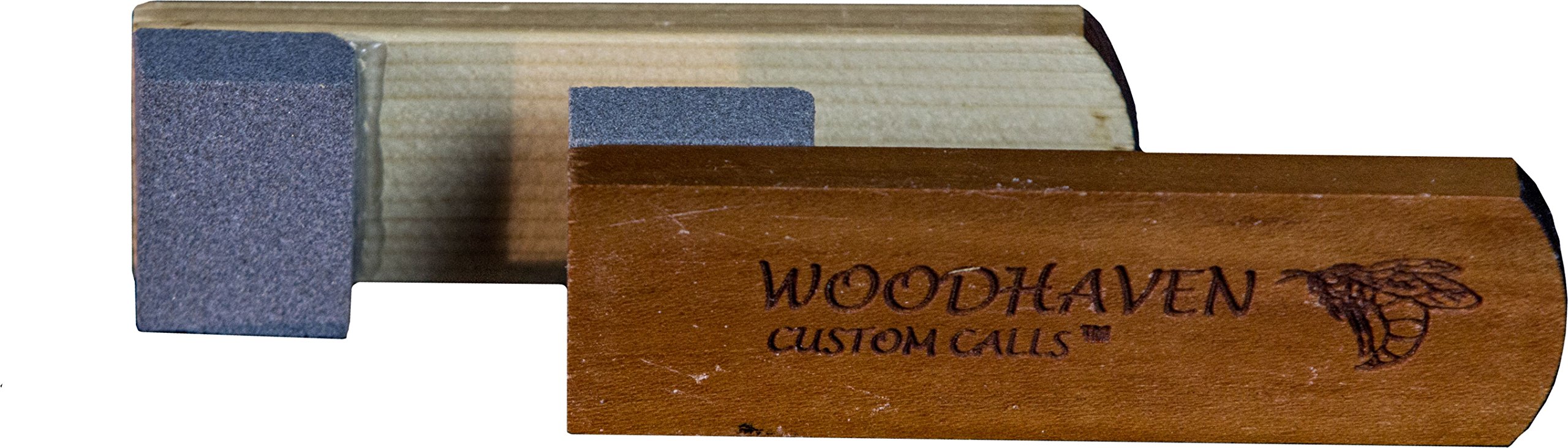
This small stone is built specifically for dialing in the final tone on glass and crystal pot calls. You can use it after shaping and smoothing to remove microscopic burrs and bring out a clearer, more realistic rasp. It’s compact enough to toss in your vest for last-minute field tweaks and precise enough for careful shop work when you’re restoring or refining a call. If you want a specialist tool for final-tone control, this is the go-to for targeted, repeatable results.
What People Say
Users commonly praise how the stone lets them fine-tune tone without aggressive material removal, making it ideal for last-step adjustments. Many note its precision and how a little practice yields consistent rasp and response. A few mention that it takes time to learn light stroking, but once you get the feel it becomes a reliable finishing tool.
Overall Sentiment: Positive

Situational Benefits
|
Situation |
How It Helps |
|---|---|
|
Field Final Touches |
You can make tiny adjustments to tone before a hunt without changing the overall voice of the call. |
|
Post-Sanding Refinement |
After using coarser abrasives, the stone smooths micro-burrs and blends edges for a clean, natural rasp. |
|
Call Restoration |
For older or slightly damaged calls, the stone helps restore clarity and improve responsiveness without heavy reshaping. |
|
Precision Tone Work |
When you need targeted changes on a small area, the stone offers control that broader pads and sheets can’t match. |
How To Use
Use very light pressure and short, consistent strokes; check the sound frequently so you shape instead of sanding away tone. Work in small sections and rotate the stone to avoid uneven wear, then clean residue from the call face with a soft cloth.
Pair the stone with coarser shaping abrasives and a fine finishing pad for a three-step workflow that gives reliable, repeatable results.
Key Benefits
- Designed for glass and crystal call faces
- Pinpoint control for final tone shaping
- Compact and portable for field use
- Gentle enough to refine without over-removing material
Rating: 4.7 (total: 100+)
KQCXIK 120
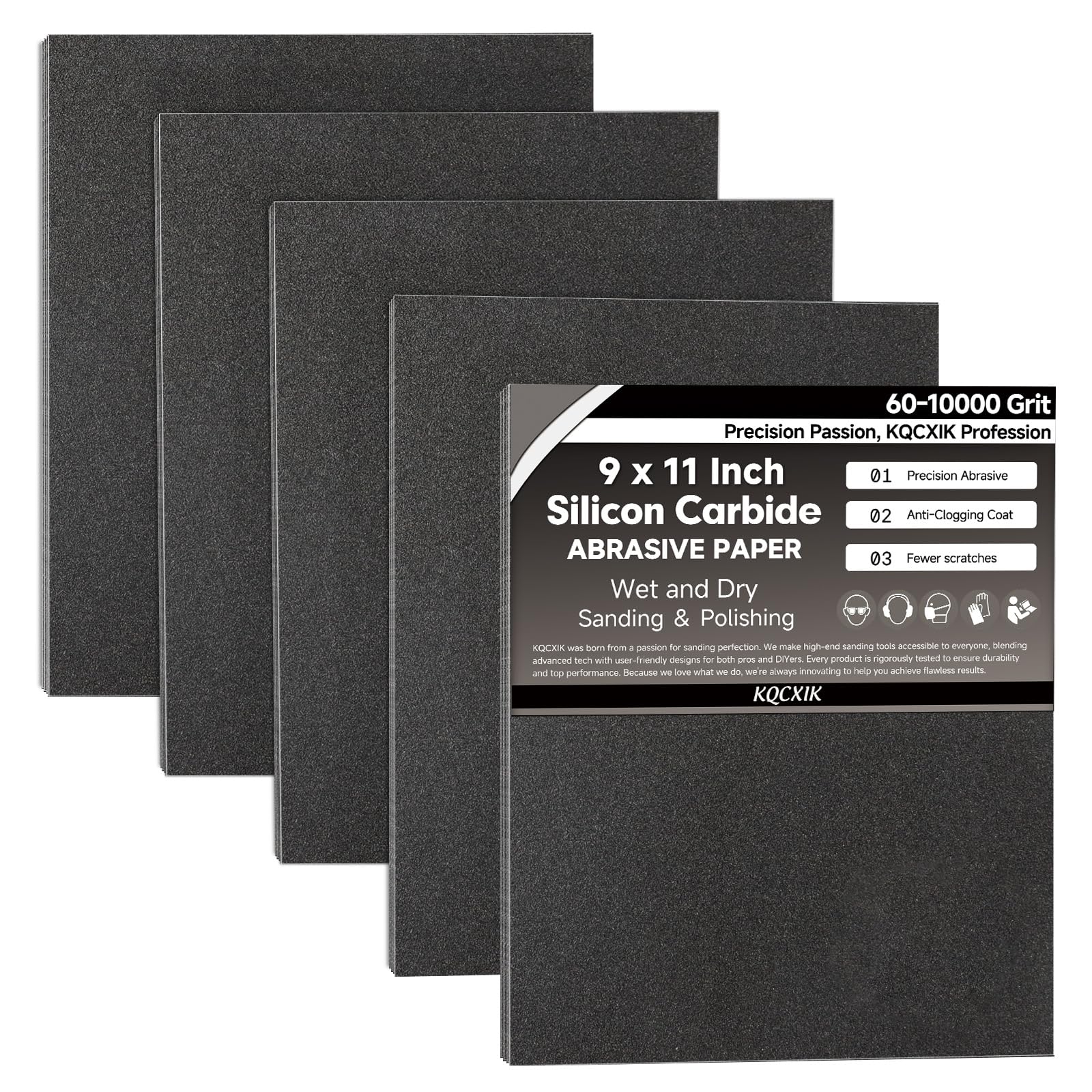
This 120-grit pack is built for shaping and aggressive smoothing when you need to remove material quickly. You can use these sheets to reshape wooden pot-call housings, knock down high spots after routing, or prepare surfaces before moving to finer abrasives. The full-sheet size lets you trim pieces to wrap around blocks or create custom sanding jigs, and the aluminum oxide grit stands up well under repeated use. If you want a dependable shaping step that pairs with 220 grit and a conditioning stone, these sheets fit neatly into that workflow.
What People Say
Reviewers often highlight how effectively these sheets remove stock and shape parts, appreciating the large sheet size for custom blocks and templates. Many note reliable grit consistency and decent durability for the price, while a few point out that heavy work will wear them faster than finer papers. Overall they’re seen as a practical shaping option before you switch to finishing grits.
Overall Sentiment: Positive

Situational Benefits
|
Situation |
How It Helps |
|---|---|
|
Rough Shaping |
Use the 120 grit to remove excess material quickly when reshaping housings or trimming high spots. |
|
Block Sanding |
Trim sheets to wrap around a small block for controlled, even passes on curved call surfaces. |
|
Prep Before Finishing |
Get an even surface fast so subsequent 220 or finer abrasives can produce a smooth tone-ready face. |
|
Rapid Correction |
Fix mistakes or quickly rebalance a call’s profile without spending time on slow, fine sanding. |
How To Use
Treat 120 grit as the shaping step: use steady, controlled strokes and check the sound frequently so you don’t over-sand. After shaping, move to a 220 or finer sheet, then finish with a fine pad or conditioning stone to dial in the final tone.
Key Benefits
- Aggressive 120 grit for fast material removal
- Large sheets easy to cut and mount on blocks
- Aluminum oxide grit holds up under pressure
- Good for initial shaping of wood call housings
Rating: 4.5 (total: 46+)
KQCXIK 220
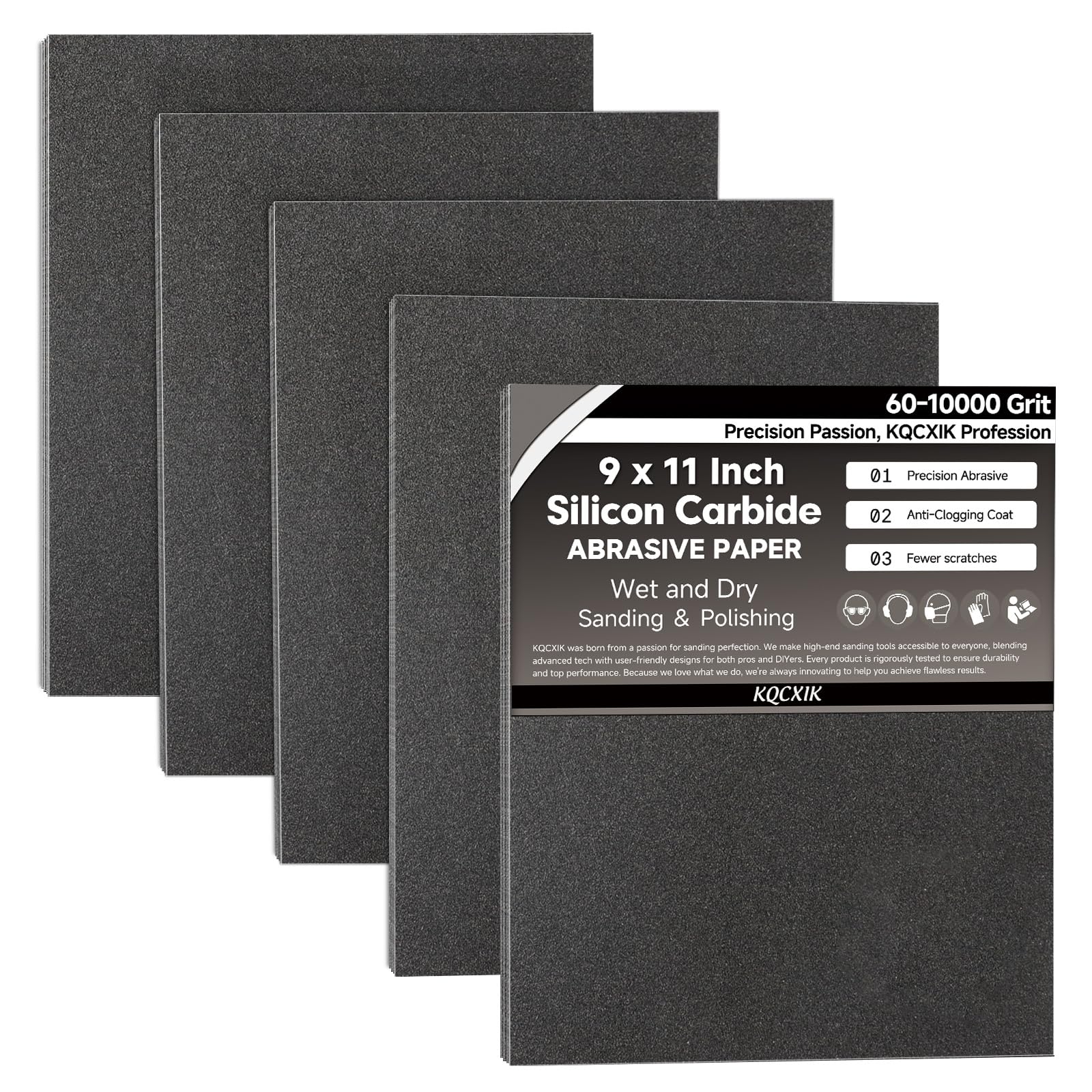
This 220-grit pack gives you a dependable finishing grit for blending, smoothing and light material removal. You can trim sheets to wrap a small block for controlled passes on curved call faces, use them wet to reduce dust and heat when working glass or crystal, or rely on them to soften scratches left by coarser papers. They’re a practical mid-step in a three-stage workflow: shaping with a coarse sheet, smoothing with 220, then dialing tone with a fine pad or conditioning stone.
If you want a versatile finishing paper that adapts to shop and field tweaks, these handle that role well.
What People Say
Customers commonly note the paper’s consistent grit and how well it finishes surfaces before final conditioning. Reviewers appreciate that sheets are easy to cut and mount on blocks, and many mention the wet-sanding capability as helpful for dust control and longer life.
Some buyers point out that aggressive work will wear the sheets faster, but for finishing passes they tend to perform reliably.
Overall Sentiment: Positive

Situational Benefits
|
Situation |
How It Helps |
|---|---|
|
Final Blending |
Use light, even passes to smooth transitions after coarser grits so the call face sounds uniform. |
|
Wet Sanding |
Add water to reduce dust and heat, which helps preserve the abrasive and prevents glazing on glass faces. |
|
Custom Blocks |
Trim sheets to wrap around a small block for controlled contact on curved or irregular surfaces. |
|
Hardware Prep |
Use to refine housings and metal parts before assembly so components sit flush and produce consistent tone. |
How To Use
Treat 220 grit as the smoothing step between shaping and final tone work: keep pressure light, check sound often, and use wet sanding when appropriate to control heat and clogging. After smoothing, move to a fine pad or conditioning stone to dial in the rasp.
Key Benefits
- Consistent 220 grit for smoothing and blending
- Sheets are easy to trim for custom blocks
- Silicon carbide resists glazing during wet sanding
- Suitable for wood and light metal prep
Rating: 4.4 (total: 38+)
FAQ
How Often Should I Condition a Pot Call?
You should condition a call whenever you notice dullness, inconsistent rasp, or tiny burrs that change the sound. For regular use that might be every few outings, while calls stored unused can go longer; the key is to check tone frequently and make small corrections rather than large ones. Use short sessions and audition the call after every few passes so you maintain the voice you want.
What Tools And Sequence Work Best?
Start with a shaping abrasive when you need material removed, move to a 220 or similar mid grit for smoothing, finish with a very fine pad and then a conditioning stone for final tone; this progressive grit sequence gives predictable results. Use light pressure, keep strokes short and consistent, and rotate or replace pads when they clog so you avoid glazing.
Wet-sanding can help control heat and dust on glass faces, and a food-safe, non-rusting pad is a good choice for anything that contacts your mouth.
Can Conditioning Damage My Call?
It can if you over-sand or use too much pressure, so the best safeguard is to work slowly and listen often. Test a new abrasive on an inconspicuous spot first, use the stone only for very fine adjustments, and stop the moment the tone improves.
Regular light maintenance is far safer than aggressive one-time corrections, and cleaning residue off the face after conditioning prevents buildup that could alter sound later.
Customer Preferences
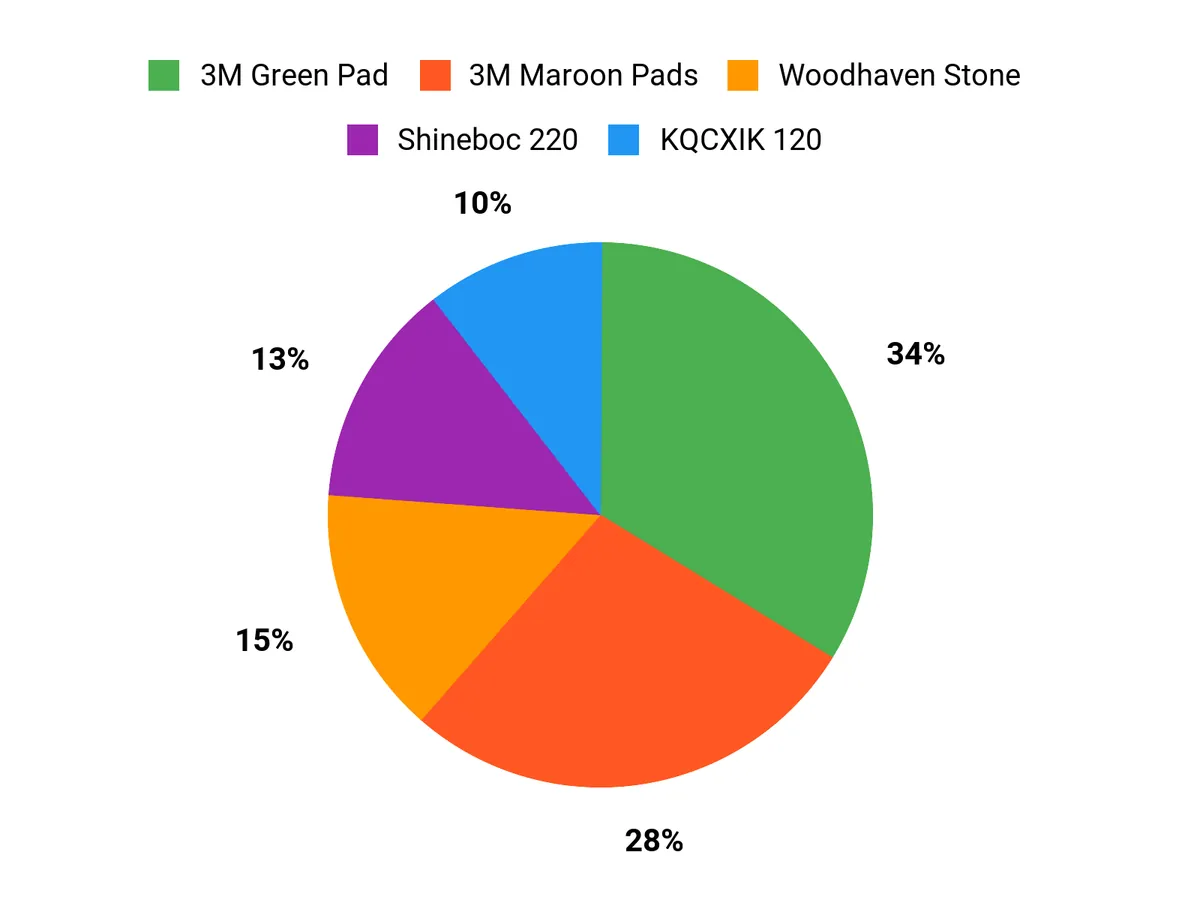
You prioritize how much material you need to remove, the call material youre working on, and whether you need a wet/dry sheet or a non-rusting pad for mouth-contact parts. For gentle final-tone work you’d reach for the 3M Maroon Pads, for heavier prep and food-safe, non-rusting scrubbing you’d pick the 3M Green Pad, and for customizable wet/dry finishing and trimming to blocks the Shineboc 220 sheets are the go-to.
Wrapping Up
Start your conditioning process with a shaping stage using a coarser abrasive and then move to finer grits for tone refinement. Use a 120 grit sheet for aggressive material removal and smoothing, follow with 220 grit or a maroon hand pad for a consistent finish, and finish on a dedicated conditioning stone to dial in the final tone.
If you need one versatile choice, the 3M maroon pads balance control, longevity, and safe use across materials, while the Woodhaven stone remains the specialist pick when you want pinpoint final-tone work.
| 3M 07447 Scotch-Brite Maroon General Purpose Hand Pads (1-Pack of 20 Pads) | 3M Scouring Pad 96-20, 20 Pads, General Purpose Cleaning | Sandpaper 220 Grit, Wet Dry Sanding Sheets 9 x 3.6 Inch | |
|---|---|---|---|
|
|
|
|
|
| Rating | 4.9/5 (844 reviews) | 4.8/5 (2,571 reviews) | 4.5/5 (90 reviews) |
| Material Type | Aluminum Oxide | Stainless Steel | Silicon Carbide |
| Dimensions | 0.25 x 6 x 9 inches | N/A | 9 x 3-2/3 inches |
| Best Sellers Rank | #9,310 in Health & Household | #34,643 in Health & Household | #85 in Tools & Home Improvement |
| Shop Now | Shop Now | Shop Now |
This Roundup is reader-supported. When you click through links we may earn a referral commission on qualifying purchases.

