

Last Updated on September 11, 2026 by Logan Reeves
You rely on your mouth call to create realistic turkey sounds that bring birds into range, so choosing the right call matters. This guide helps you cut through marketing claims by focusing on the features that affect performance in the field, such as tone, volume, reed configuration, and ease of use.
You will finish knowing which call fits your hunting style, whether you need loud long‑range volume, subtle hen yelps, or the strategic knowledge to use your calls more effectively in the field.
Disclosure: As an Amazon Associate I earn from qualifying purchases. Some links on this page are affiliate links, at no extra cost to you.
Top Picks
|
Category |
Product |
Score |
|---|---|---|
|
🏆 Best Volume (Mouth Call) |
96/100 |
|
|
📘 Best Companion Resource (Tactics Guide) |
86/100 |
|
|
🔰 Best Natural Tone (Diaphragm Call) |
89/100 |
Selection Criteria
You need calls that perform where you hunt, so we weighed sound quality, reed type and material, volume control, and how easily the call produces authentic hen and yelp sequences. Durability and consistency across weather conditions were considered so the call you choose won’t fail when it matters.
We also looked at value by comparing performance to price, reviewed feedback trends for real-world reliability, and included one non-call resource — a tactics guide — for readers who want to sharpen how they use whichever call they choose.
Screamin’ Green
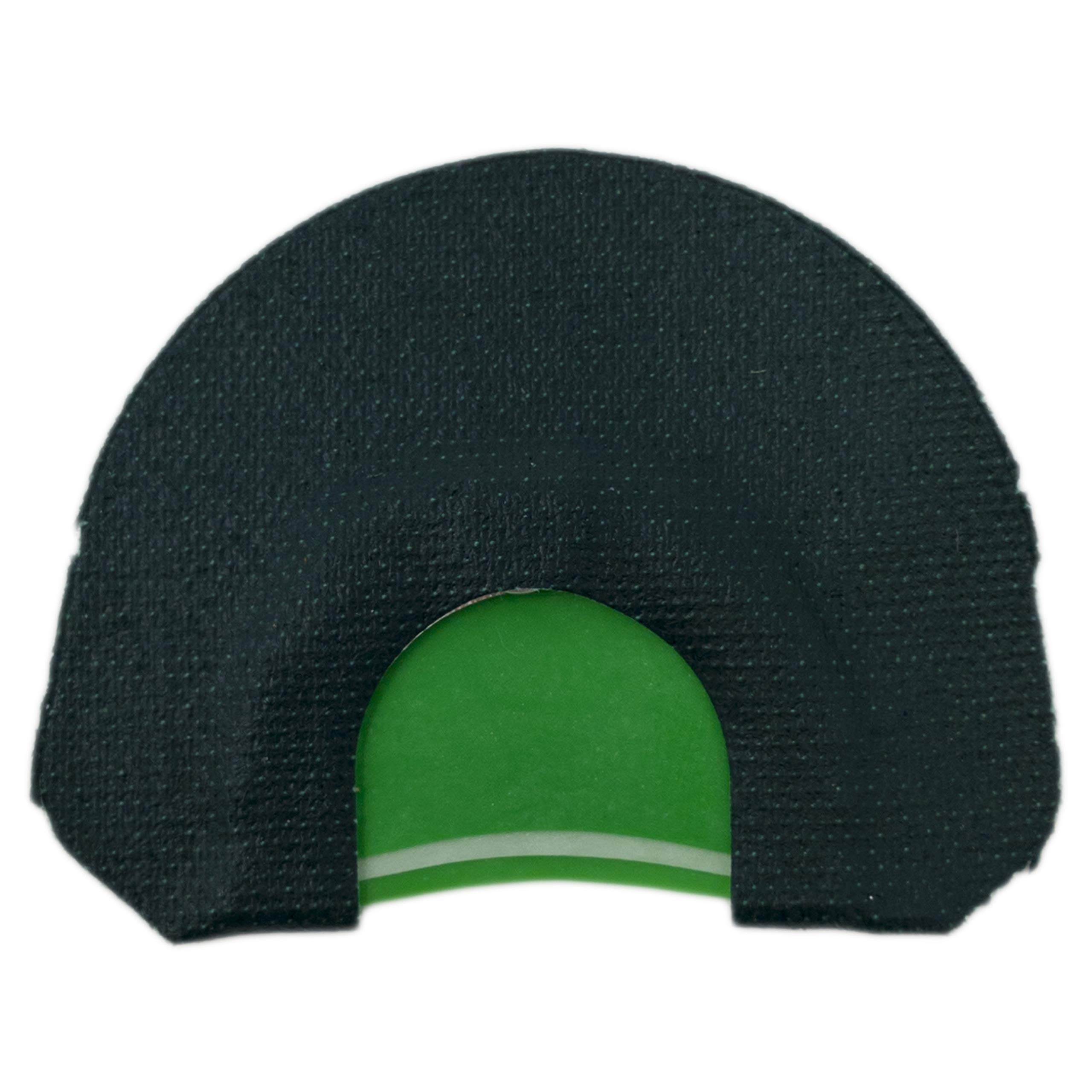
Quick Verdict: The loudest, most consistent option here — built for open fields and long-range calling, not for beginners who need whisper-quiet control.
You get a three-reed mouth call built for projection and clarity. The premium QB 2000 latex reeds give you a loud, cutting yelp that helps you reach birds at distance while still letting you pull off believable hen notes when you soften your breath.
It’s simple enough for a novice to learn quickly and responsive enough for experienced callers to shape advanced cuts and purrs. Use it for regular practice sessions, windy or open-field hunts where volume matters most, and as a reliable go-to when you need consistent sound from stand to stand.
Who It’s For: Open-field and public-land hunters who need to reach birds at distance. Who Should Skip It: Hunters working exclusively in tight blinds who need very soft, close-range tones without extra practice.
What People Say
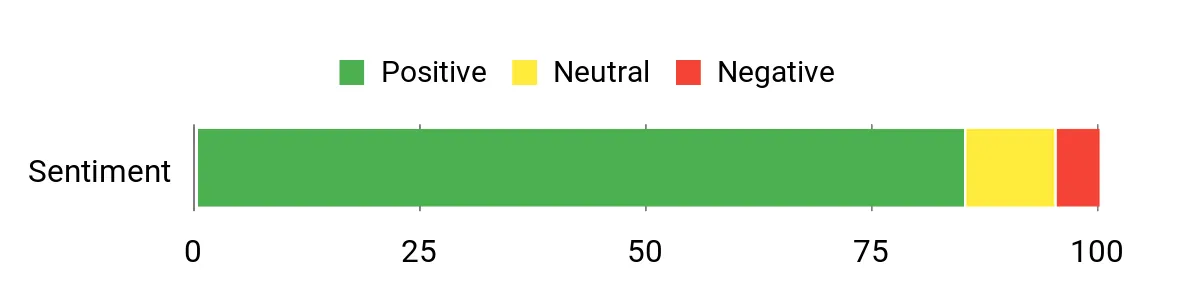
Feedback trends point to the Screamin’ Green standing out for its volume and clean yelp tone, with buyers describing it as carrying well without sounding harsh. Reviewers also note its consistency and how quickly it responds to pressure changes, making it popular with both weekend hunters and frequent callers.
Some mention it takes a little practice to soften the call for subtlety, but the overall feedback trend centers on dependability and projection.
Overall Sentiment: Positive
|
Pros |
Cons |
|---|---|
|
✅ Excellent volume and projection |
❌ Very loud for tight, close-range setups without practice |
|
✅ Clear, authentic hen yelps |
❌ May need brief break-in to reach optimal tone |
|
✅ Sturdy latex reeds that maintain tone |
|
|
✅ Ambidextrous and easy to use |
Durability
The QB 2000 latex and solid construction mean this call holds up to regular field use and resists sudden tone loss. Treat it like any latex call and store it dry to maximize life.
Indoor/Outdoor Use
You can practice indoors at low pressure to learn the note shapes, but the call really shines outdoors where its volume and projection are needed. In tight blinds you’ll have to soften your technique to avoid overpowering nearby birds.
Key Benefits
- Powerful long-range projection for reaching distant birds
- Clear, crisp yelps with three-reed responsiveness
- Durable QB 2000 latex that holds tone over time
- Easy to control for beginners and versatile for experts
Ray Eye’s Bible
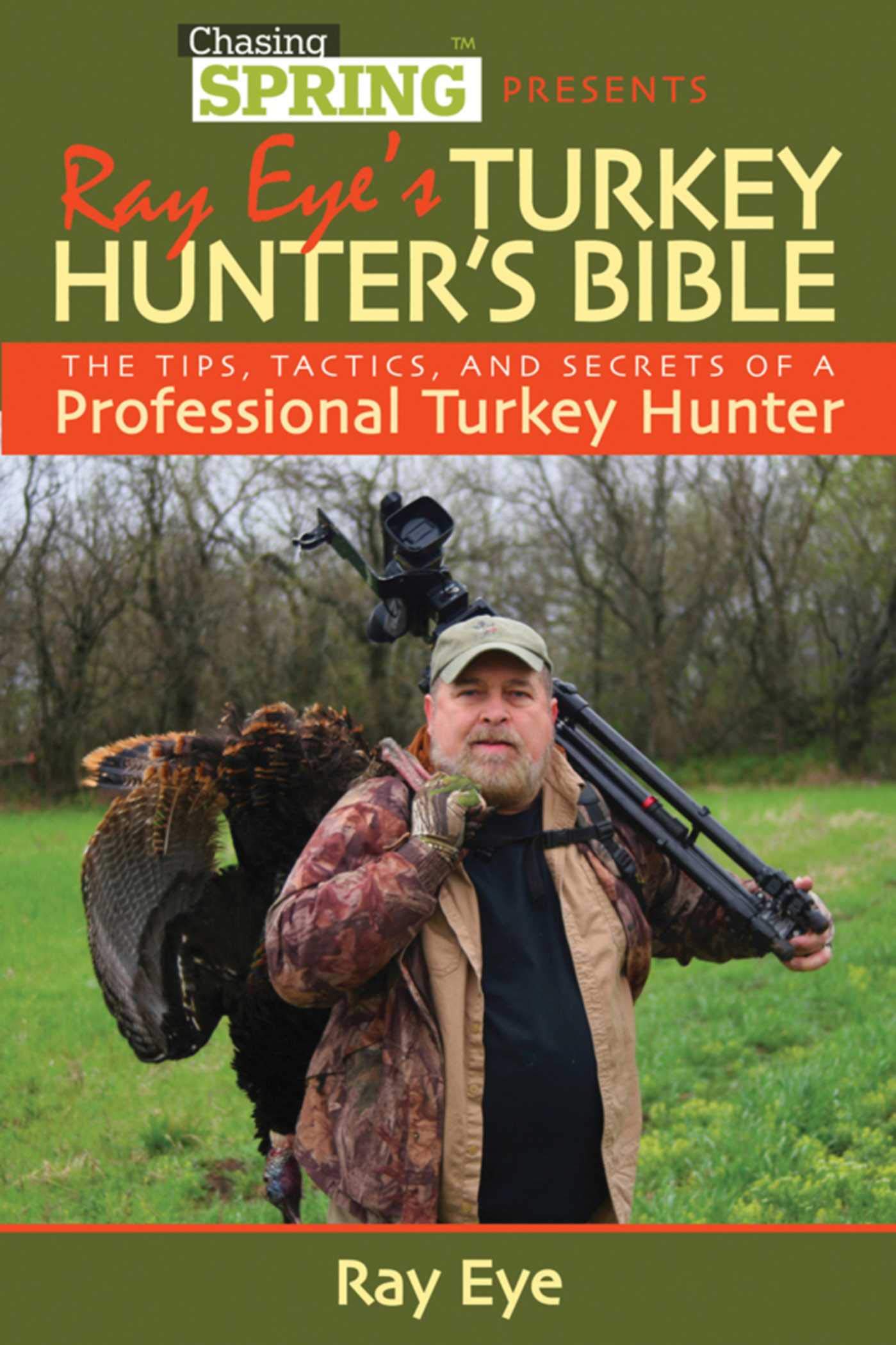
Quick Verdict: This is a book, not a mouth call — a tactics resource for hunters who want to get more out of whichever call they own.
You get a hands-on manual from a seasoned hunter that walks through calling techniques, situational tactics, and decision-making in the woods. The book balances step-by-step advice with real-world examples so you can apply lessons during evening practice or on opening weekend.
It works as both a learning tool when you’re starting out and a field reference to refresh tactics before a hunt. If you want to tighten your calling strategy and understand why certain approaches work, this is an easy-to-read guide you can keep in your pack.
Who It’s For: Hunters who already own a call and want to improve sequencing, timing, and situational decision-making. Who Should Skip It: Anyone shopping specifically for a physical mouth or diaphragm call.
What People Say
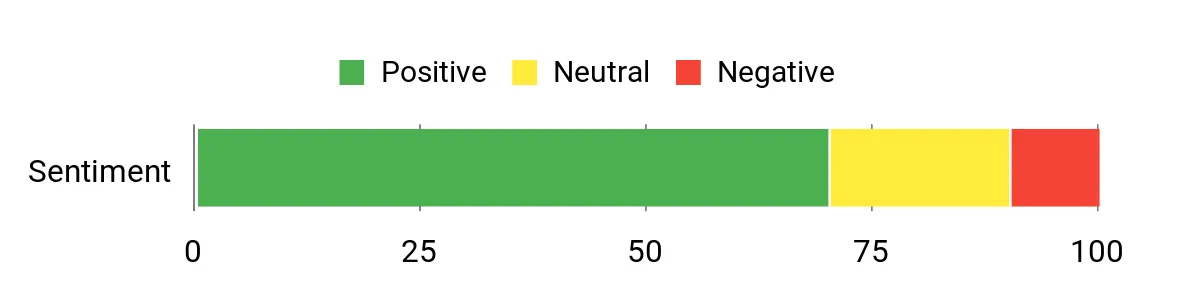
Reader feedback trends toward praise for straightforward, usable advice that translates well to real hunts, with the practical calling sequences and scenario-based tips called out most often.
Some readers note that a few examples feel dated, but the overall feedback trend favors its clarity and tactical focus.
Overall Sentiment: Positive
|
Pros |
Cons |
|---|---|
|
✅ Actionable tactics and calling instruction |
❌ Some material may reflect older techniques |
|
✅ Well organized for quick reference |
❌ Limited visual aids compared with modern guides |
|
✅ Accessible writing for newcomers |
Durability
The paperback holds up with normal use and fits easily in a pack; the advice itself remains useful, though you may supplement it with newer resources over time.
Indoor/Outdoor Use
Best read indoors when studying technique, and handy outdoors as a compact reference between hunts. You can flip to short chapters for last-minute refreshers before setting up.
Key Benefits
- Clear tactical guidance you can use in the field
- Practical calling drills and sequences
- Useful for both beginners and intermediate hunters
- Concise, easy-to-reference chapters
Butt Naked Hen

Quick Verdict: The most natural-sounding option for close-range and tight-blind setups — not built for reaching distant birds.
You get a small-frame diaphragm call designed to produce authentic hen tones with a natural, breathy quality. It’s the kind of call you reach for when you need subtlety and realism in close encounters or tight blinds.
The compact frame sits comfortably and lets you modulate pressure for soft yelps, clucks, and feeding calls, making it useful for regular practice sessions and pressure-filled weekend hunts. If you want a handcrafted option that favors realism over raw power, this one is worth trying.
Who It’s For: Hunters working tight blinds, tree cover, or close-range setups who need subtle, natural tone. Who Should Skip It: Open-field hunters who need long-range volume.
What People Say
Feedback trends favor the call’s authentic hen sound and how well it blends in close-range situations. Reviewers also mention the comfortable fit and quick response when adjusting pressure, useful during tense moments.
A few users point out that it takes precise breath control to get the softest notes.
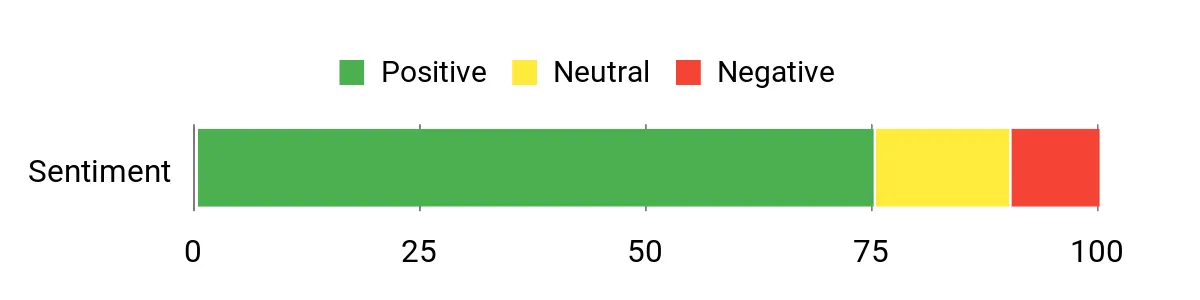
Overall Sentiment: Positive
|
Pros |
Cons |
|---|---|
|
✅ Authentic, breathy hen tones |
❌ Limited volume for long-range calling |
|
✅ Comfortable small frame |
❌ Requires refined technique for subtle notes |
|
✅ Good responsiveness for quick phrasing |
Durability
Built to handle regular use when stored dry between outings; diaphragms can last a long time with basic care, though replacements are normal after heavy use.
Indoor/Outdoor Use
Suitable for indoor practice at low pressure to master phrasing, and excellent outdoors in tight setups or tree cover where realistic close calls win. It’s less ideal for open fields where projection matters.
Key Benefits
- Very natural, realistic hen tones
- Small frame for comfortable wear and subtle control
- Responsive diaphragm for quick note changes
- Great for close-range or blind setups
Before You Buy: Quick Checklist
- Do you hunt open fields or tight blinds? Prioritize volume for the former, subtlety for the latter.
- Are you new to mouth calls? Start with a call known for being easy to control, and practice indoors at low pressure first.
- Want a call and a resource? Pair a call with a tactics guide rather than treating the guide as a substitute for the call itself.
- Store latex and diaphragm calls dry between outings to protect tone and lifespan.
FAQ
Which Call Should I Choose?
You should pick a call based on where and how you hunt: choose calls with strong volume and multi‑reed designs for open fields and long-range work, and opt for small-frame diaphragms or single/double reed mouth calls when realism and close-range subtlety matter. Consider your skill level too since some high‑projection calls require practice to soften for tight setups, while diaphragms reward refined breath control and quick phrasing.
How Do I Care For My Mouth Call?
Treat latex and diaphragms gently by wiping excess moisture, allowing them to air dry, and storing them in a ventilated case or bag to prevent mold; dry storage between outings extends reed life. Avoid extreme heat and harsh solvents, replace reeds or diaphragms after heavy use, and inspect seals and frames regularly so the call performs reliably when you need it.
How Do I Practice Calling Effectively?
Start indoors at low pressure to build consistent sounds, then move outdoors to test projection and tone in real conditions; focus on breath control and the timing of yelps, clucks, and pauses rather than volume alone. Record short sessions to hear what you actually produce, practice common sequences until they feel natural, and simulate hunt scenarios so you can choose the right phrasing under pressure.
Is Ray Eye’s Bible a Mouth Call?
No — it’s a printed tactics guide, not a physical call. It’s included here as a companion resource for hunters who want to sharpen strategy alongside whichever call they use.
Why Customers Choose
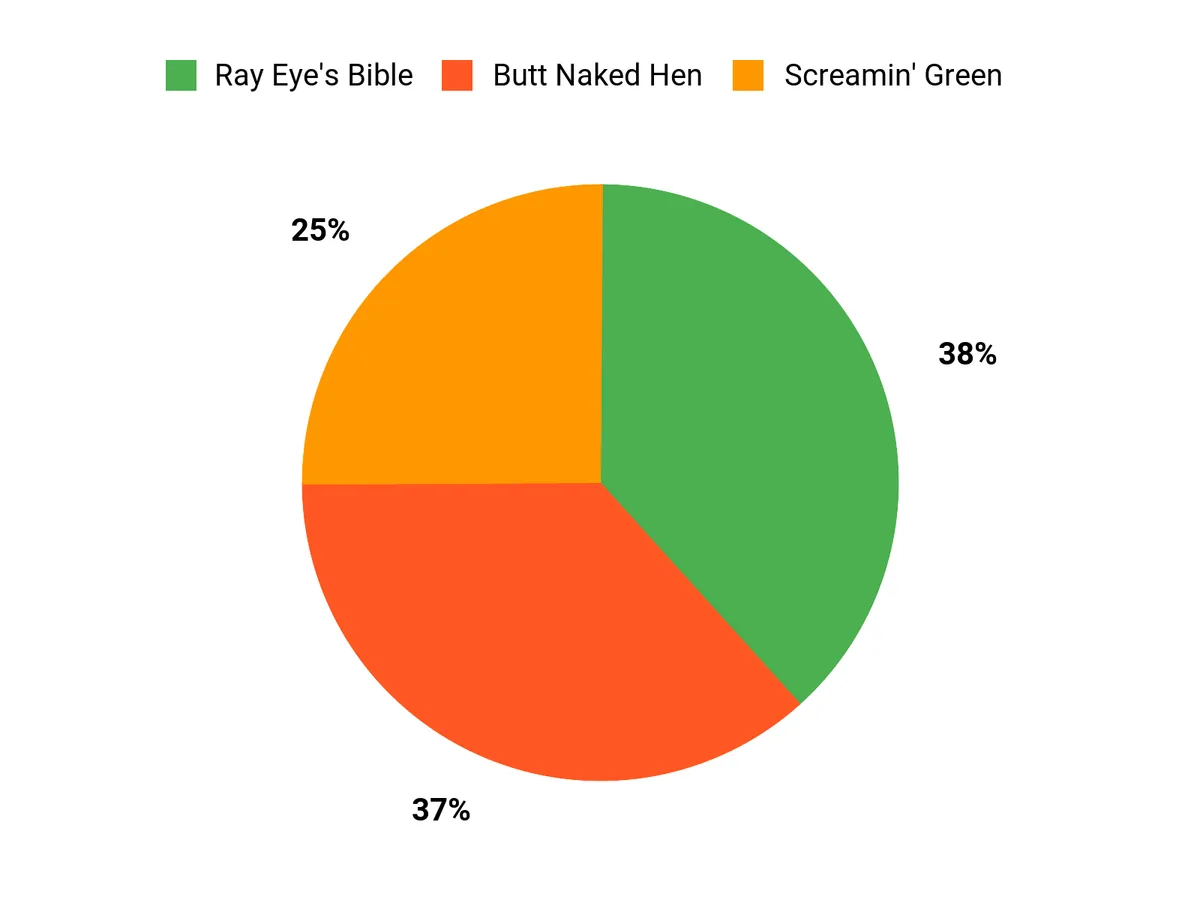
When choosing between these options you typically prioritize whether you need raw projection, authentic close-range realism, or the tactical knowledge to improve your calling decisions. Screamin’ Green appeals when you want long-range volume and consistency, Butt Naked Hen wins for subtle, natural hen tones in tight setups, and Ray Eye’s Bible is chosen by those who want to sharpen strategy and sequences alongside their existing call.
You also weigh ease of use, responsiveness, and durability so the selection matches your skill level and hunting conditions.
Wrapping Up
You can match a mouth call to your needs by focusing on what you want most in the field. Choose the Screamin’ Green for unmatched volume and projection when you need to reach birds at distance, pick Ray Eye’s Bible to sharpen your calling strategy and decision making, and opt for the Butt Naked Hen when you want a handcrafted call that produces authentic hen tones.
Practice and context matter as much as the call itself, so pair your selection with deliberate practice and the right setup for the conditions you hunt.
| Quaker Boy – Screamin’ Green Pro III Turkey Mouth Call | Ray Eye’s Turkey Hunting Bible: The Tips, Tactics, and Secrets of a Professional Turkey Hunter | Tom Teaser Tt Butt Naked Hen Small Frame Diaph – TT-SM5 | |
|---|---|---|---|
|
|
|
|
|
| Type | Mouth call | Book / tactics guide (not a call) | Diaphragm call |
| Description | A three-reeded call with premium QB 2000 latex, built for clean, crisp yelp sounds with strong volume. | A guide covering turkey hunting strategies and calling tactics from an experienced hunter. | A small-frame diaphragm call engineered to mimic realistic, natural hen sounds. |
| Dimensions (L x W x H) | 5.55 x 4.76 x 0.75 inches | 6 x 0.82 x 9 inches | 6.18 x 5.71 x 0.67 inches |
| Weight | 0.02 Kilograms | 1.3 pounds | 0.02 Kilograms |
| Check Price on Amazon | Check Price on Amazon | Check Price on Amazon |
This Roundup is reader-supported. When you click through links we may earn a referral commission on qualifying purchases.
