
Last Updated on July 26, 2026 by Daniel Globe
Understanding average Thailand hotel costs and accommodation options is essential for planning an accurate travel budget. Nightly rates vary widely based on location, season, and luxury level—ranging from $5 dormitory beds to five-star beachfront villas exceeding $500 per night. Beyond nightly room rates, factoring in local taxes, seasonal price surges, and booking strategies ensures you avoid unexpected expenses upon check-in.
Quick Answer
How much do hotels cost in Thailand? Expect to pay $5 to $15 (180–550 THB) per night for budget hostels, $40 to $80 (1,400–2,800 THB) for mid-range hotels, and $200 to $1,000+ (7,000–35,000+ THB) for luxury resorts. Always budget an extra 17% for the 7% VAT and 10% service fee.
Key Takeaways
- Tiered Pricing: Mid-range hotels typically cost $40–$80/night, while hostels start around $5–$15 and luxury resorts exceed $200.
- Seasonal Swing: Hotel rates peak during the dry season (November to February) and plummet up to 50% during the monsoon season (May to October).
- City vs. Island: Chiang Mai and Northern Thailand offer the best accommodation value, whereas island destinations like Phuket and Koh Samui command higher prices.
- Hidden Taxes: Standard hotel bills add a 7% Value-Added Tax (VAT) and a 10% service charge—always confirm if quoted prices are net or gross.
At a Glance: Thailand Hotel Cost Breakdown
| Budget Tier (Hostels & Guesthouses) | $5 – $25 per night (180 – 900 THB) |
| Mid-Range Hotels (3-Star & Boutiques) | $40 – $80 per night (1,400 – 2,800 THB) |
| Luxury Resorts (5-Star & Private Villas) | $200 – $1,000+ per night (7,000 – 35,000+ THB) |
| Mandatory Taxes & Surcharges | 7% VAT + 10% Hotel Service Charge |
Disclosure: As an Amazon Associate I earn from qualifying purchases. Some links on this page are affiliate links, at no extra cost to you.
Average Hotel Prices in Major Thai Cities
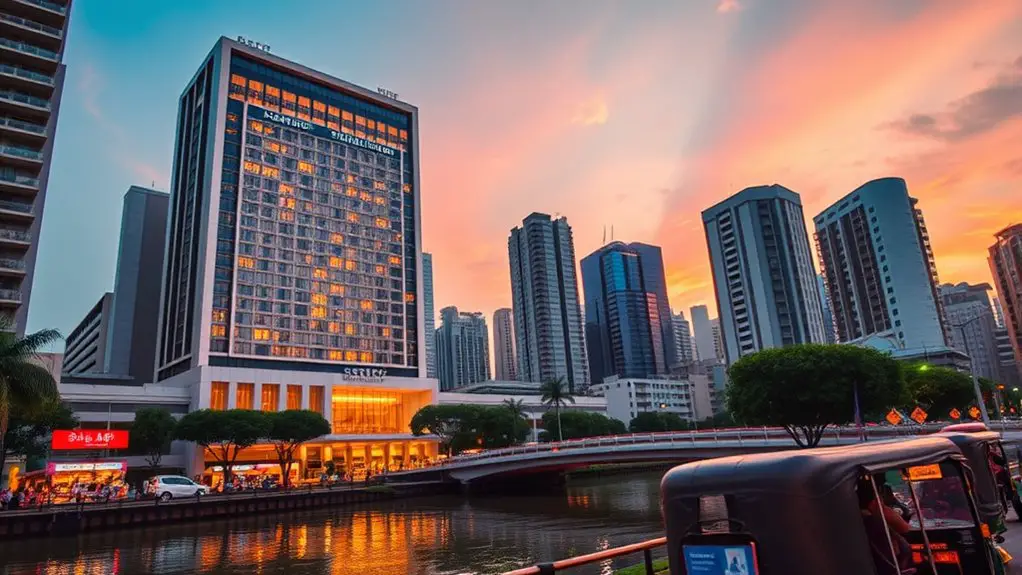
Accommodation rates in Thailand vary significantly depending on geography, municipal infrastructure, and regional demand. Standard pricing metrics according to official Tourism Authority of Thailand (TAT) reporting illustrate clear distinctions across primary destinations:
- Bangkok: In the capital, mid-range hotels in prime central areas like Sukhumvit, Silom, or Siam cost between 1,000 and 3,000 THB ($28–$85 USD) per night. Budget hostels start around 350 to 550 THB ($10–$15 USD), while luxury high-rises run from 5,000 to 15,000+ THB ($140–$420 USD).
- Chiang Mai: Northern Thailand offers exceptional value. Mid-range boutique hotels near the Old City or Nimman Road typically cost 800 to 2,000 THB ($22–$56 USD) per night, with quality guesthouses readily available for under 500 THB ($14 USD).
- Phuket & Insular Destinations: As popular island destinations, Phuket and Koh Samui command higher prices. Mid-tier beach hotels range from 1,200 to 3,500 THB ($34–$100 USD) per night in high season, while luxury beachfront resorts easily exceed 7,000 to 35,000 THB ($200–$1,000+ USD).
Budget Accommodation Options & Low-Cost Lodging
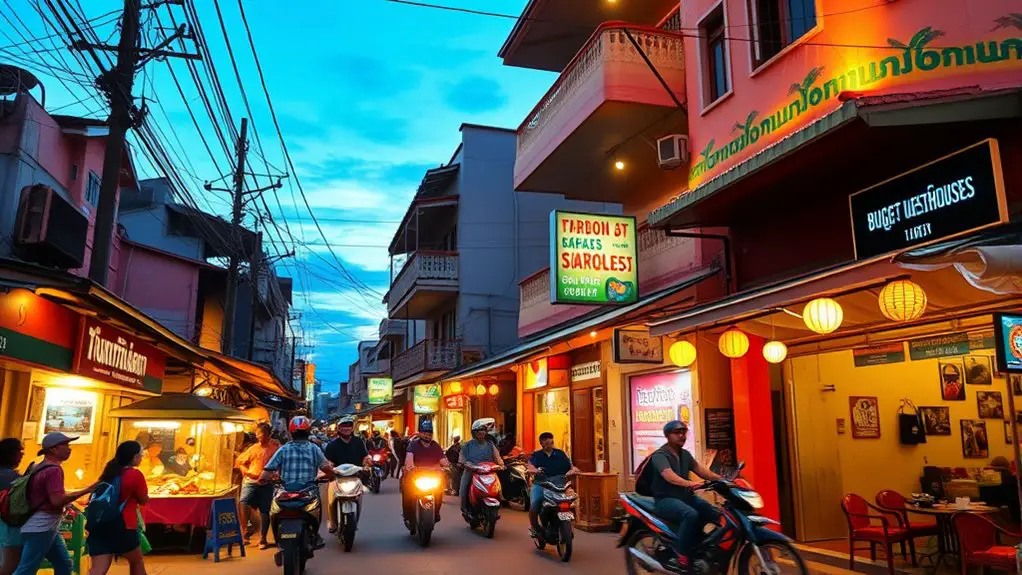
For budget-conscious travelers, Thailand provides some of the most affordable lodging options globally without compromising basic cleanliness and security.
Hostel Price Ranges & Dormitory Stays
Dormitory beds in backpacker hostels range from 150 to 450 THB ($4–$13 USD) per night in shared rooms. Private hostel rooms usually range from 400 to 700 THB ($11–$20 USD). Modern flashpacker hostels routinely include essential amenities like high-speed Wi-Fi, individual privacy curtains, personal lockers, and air conditioning.
Guesthouses & Family-Run Stays
Family-operated guesthouses offer private rooms with en-suite bathrooms for 300 to 1,000 THB ($8–$28 USD) per night. These properties provide a cozy, authentic atmosphere and personal local recommendations while offering facilities like daily housekeeping and laundry service.
Mid-Range Hotels: Pricing and Expectations
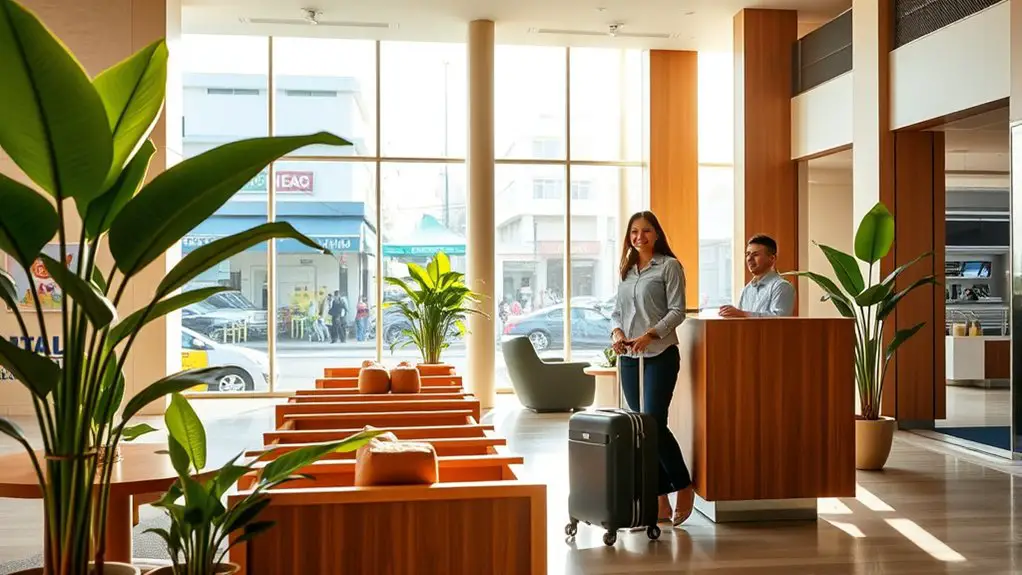
Mid-range accommodations ($40 to $80 USD / 1,400 to 2,800 THB per night) represent the sweet spot for comfort, location, and overall value in Thailand.
Average Nightly Rates
In major tourist centers, comfortable three-star or boutique four-star hotel rooms average around $50 to $70 USD per night during standard travel windows. Booking well in advance or visiting during shoulder months often reduces these rates toward the lower $40 threshold.
Amenities Included
Standard amenities included in mid-range Thai hotel bookings comprise:
- Powerful, quiet air conditioning systems
- Complimentary daily bottled water and high-speed Wi-Fi
- On-site swimming pools and small fitness facilities
- Hot breakfast buffets featuring local and Western dishes
- 24-hour reception, luggage storage, and tour desk arrangements
Pro Tip: When booking mid-range properties in city centers, check for proximity to public transit lines (such as Bangkok’s BTS Skytrain or MRT subway). Paying an extra $5 per night to stay within walking distance of a station saves significantly more in taxi fare and travel time.
Luxury Resorts and Exclusive Stays
Thailand is world-renowned for luxury hospitality, featuring properties that regularly rank among global top lists. High-end resorts combine world-class service with iconic tropical settings.
Luxury properties in Thailand average $200 to over $1,000 per night, providing private plunge pools, full spa facilities, butler service, and private beach access.
Luxury options are heavily concentrated in coastal destinations like Phuket, Koh Samui, and Krabi, as well as cultural centers like Chiang Mai. Peak-season rates for luxury villas can reach several thousand dollars per night during major holidays like Christmas, New Year, and Songkran (Thai New Year in mid-April).
Seasonal Variations & Price Fluctuations
Understanding Thailand’s tropical climate cycles is critical to predicting accommodation price swings throughout the calendar year.
| Season | Months | Price Impact | Travel Conditions |
|---|---|---|---|
| High / Peak Season | November – February | Highest rates (+30% to +100%) | Cooler temperatures, dry weather, high tourist volume |
| Shoulder Season | March – April & October | Moderate rates | Hotter temperatures, transitional weather, moderate crowds |
| Low / Green Season | May – September | Lowest rates (-30% to -50%) | Monsoon rainfall, high humidity, discounted hotel rates |
Additional Fees, Taxes, & Hidden Costs
When booking hotels in Thailand, the advertised rate on promotional portals often excludes local mandatory surcharges. Factoring these line items into your final budget prevents unexpected check-out costs.
Warning: Always inspect whether hotel quotes indicate “Net” (all taxes included) or “++” (plus tax and service charge). A “++” room rate adds 17.7% to your final bill!
- 7% Value-Added Tax (VAT): Under the Thai Revenue Department, a standard 7% statutory VAT applies to commercial lodging services.
- 10% Hotel Service Charge: Mid-range and luxury properties automatically levy a 10% service charge on room rates and food/beverage expenses.
- Security Cash Deposits: Many mid-range and budget properties require a refundable cash deposit upon check-in (typically 500 to 2,000 THB) for room keys and mini-bar incidents.
- Tipping Etiquette: While tipping is not strictly mandatory in Thailand, leaving 50–100 THB per day for housekeeping and 20–50 THB per bag for bell staff is widely appreciated.
Booking Strategies to Secure the Best Rates
Maximizing accommodation value in Southeast Asia requires choosing the right timing and platform strategy:
- Leverage Regional Booking Engines: Platforms like Agoda often hold exclusive inventory and lower room rates in Thailand compared to Western booking engines due to direct hotel partnerships.
- Book Early for High Season: Reserve peak winter season stays (December through January) 3 to 6 months in advance to secure prime locations before availability tightens.
- Direct Hotel Contact: For extended stays (longer than one week), contacting boutique hotels directly via email or phone often yields unlisted discounts or free inclusions such as breakfast and airport transfers.
Frequently Asked Questions
What amenities are typically included in Thai hotel rooms?
Standard hotel rooms in Thailand usually include free Wi-Fi, air conditioning, daily bottled water, television, and basic toiletries. Mid-range properties typically add mini-refrigerators, tea/coffee facilities, electronic safes, and access to swimming pools.
Are pets allowed in most hotels in Thailand?
Pet policies vary widely across Thailand. While traditional hotels generally restrict pets, an increasing number of boutique properties and dedicated pet-friendly resorts in destinations like Bangkok, Hua Hin, and Pattaya welcome domestic animals, often subject to size restrictions or cleaning surcharges.
Do Thai hotels offer free airport shuttle services?
Luxury resorts and high-end properties frequently include complimentary airport transfers. Mid-range hotels may provide shuttle arrangements for an additional fee (typically 300 to 800 THB), while budget hostels rarely offer dedicated shuttle transportation.
How safe are hotels in Thailand for solo travelers?
Hotels and hostels in Thailand are exceptionally safe for solo travelers. Major tourist accommodations employ 24-hour front desk staff, keycard security access, and security cameras. Standard safety precautions—such as utilizing room safes for valuables—are recommended.
What languages are hotel staff in Thailand fluent in?
English is widely spoken by front desk and concierge staff across major tourist regions in Thailand. At luxury resorts, staff often speak additional languages, including Mandarin, Japanese, German, and French, to assist international guests.
Conclusion
Navigating Thailand hotel costs effectively comes down to aligning your destination preferences and travel timing with your personal budget. Whether choosing a $10 hostel in Chiang Mai or a luxury ocean-view villa in Phuket, accounting for seasonal rate shifts and local taxes ensures a smooth, cost-effective trip. By booking early during peak months and staying mindful of total net pricing, you can enjoy Thailand’s world-class hospitality at every price point.
Sources
- Tourism Authority of Thailand (TAT) — Official statistics on tourism accommodation trends and hotel performance metrics in Thailand.
- The Revenue Department of Thailand — Legal guidance regarding the standard 7% Value-Added Tax (VAT) application on lodging services.
- Bank of Thailand (BOT) — Official economic statistical portal for tourism indicators and exchange rate benchmarks.
