
Last Updated on July 26, 2026 by Daniel Globe
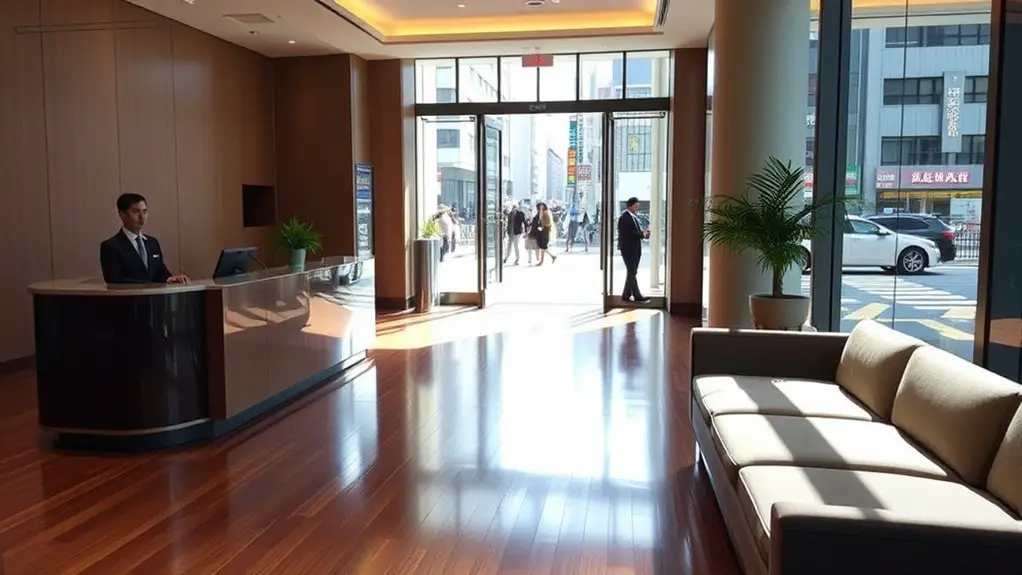
Navigating Japan hotel costs is one of the most vital parts of planning a smooth, stress-free trip. Accommodation rates across Japan vary significantly based on the city, season, and lodging style you select—ranging from hyper-efficient capsule beds in downtown Tokyo to lavish, all-inclusive luxury ryokans in Hakone or Kyoto. Understanding these price tiers, along with seasonal surges and hidden local stay taxes, ensures you maximize your budget and avoid unexpected charges at checkout.
Quick Answer
Hotels in Japan cost between ¥3,000 and ¥7,000 ($20–$45 USD) per night for budget options (capsules/hostels), ¥8,000 to ¥18,000 ($55–$120 USD) for mid-range business hotels, and ¥35,000 to ¥100,000+ ($230–$650+ USD) per night for luxury hotels and traditional high-end ryokans. Prices spike during cherry blossom season (late March–April) and autumn foliage.
Key Takeaways
- Budget Travelers: Hostels and capsule hotels offer private pods starting around ¥3,000 to ¥7,000 per night.
- Mid-Range Value: Western-style business hotels (e.g., Dormy Inn, Daiwa Roynet) provide high cleanliness and convenience for ¥8,000 to ¥18,000.
- Cultural Stays: Traditional ryokans usually charge per person (not per room) and often include elaborate multi-course kaiseki dinners and breakfasts.
- Watch for Hidden Fees: Cities like Tokyo, Kyoto, and Osaka levy a mandatory municipal accommodation tax (¥100–¥1,000/night), while hot springs charge an onsen bath tax (¥150/night).
Disclosure: As an Amazon Associate I earn from qualifying purchases. Some links on this page are affiliate links, at no extra cost to you.
Typical Hotel Prices in Major Cities
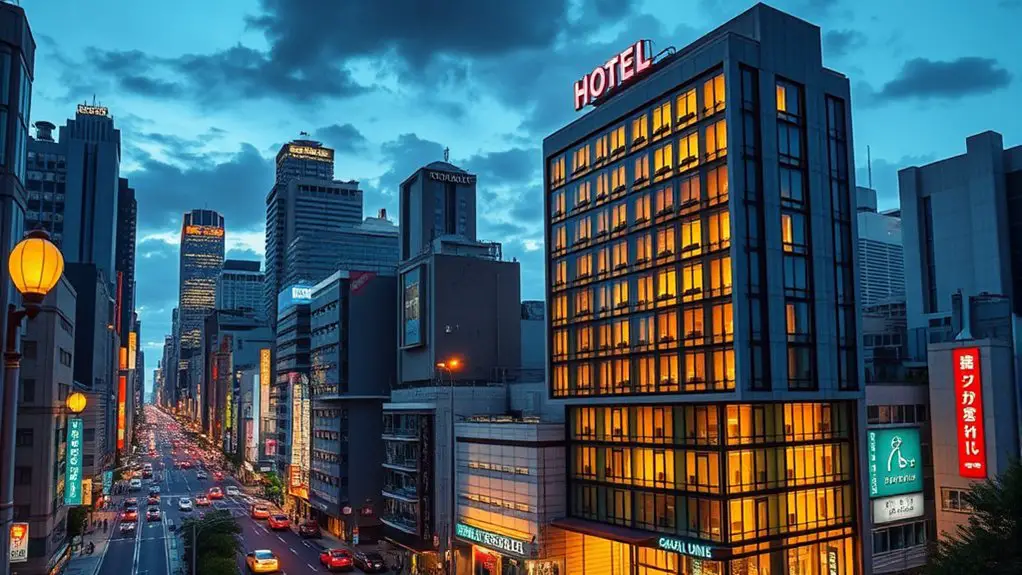
In Japan’s major cities, hotel prices vary widely depending on exact neighborhood convenience and time of year.
If you’re staying in major urban centers like Tokyo or Osaka, expect to pay anywhere from ¥8,000 to ¥22,000 per night for a standard western-style hotel room. Central districts located directly on primary train routes—such as Shinjuku, Shibuya, or Tokyo Station in Tokyo, and Namba or Umeda in Osaka—tend to sit on the higher end of that spectrum, particularly during peak travel windows like cherry blossom season or Golden Week.
Business hotels offer exceptional efficiency, clean rooms, and reasonable rates, while mid-range lifestyle hotels provide roomier layouts and additional amenities at a higher price point. If you book several months in advance, you can secure favorable rates, whereas last-minute reservations during high-demand months carry substantial surcharges.
Keep in mind that Friday and Saturday stays push nightly rates up considerably across all city centers. Planning your urban transit days for Sunday through Thursday can yield significant savings without sacrificing convenience.
Budget Accommodation Options
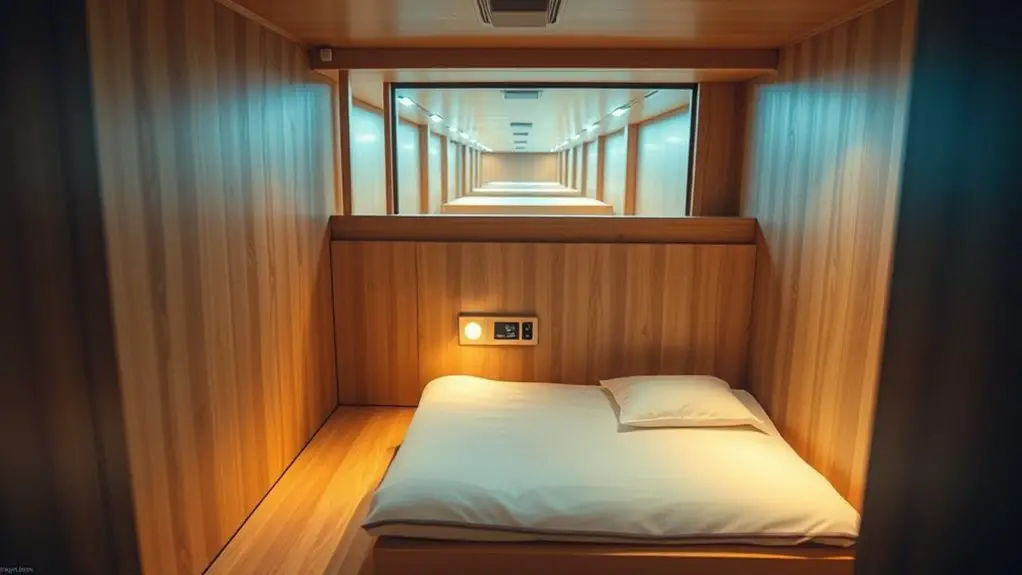
Although Japan’s major metropolitan areas have a reputation for high living costs, budget-conscious travelers have access to excellent, spotlessly clean accommodation formats.
Budget choices like hostels, capsule hotels, and compact business hotels offer cost-effective options without sacrificing hygiene or personal safety. Hostels frequently feature dormitory-style bunks or private micro-rooms, perfect for solo travelers looking to connect with international visitors.
Capsule hotels provide a private, sound-dampened sleeping pod alongside shared, spotless bathing facilities and secure luggage lockers—ideal for short city stopovers. Meanwhile, Japanese business hotels (chains like APA Hotels, Toyoko Inn, and Super Hotel) feature compact, private rooms with en-suite bathrooms tailored for efficiency.
You can typically book these options for ¥3,000 to ¥7,000 per night ($20–$45 USD). Choosing properties located two or three train stops outside major hub stations can stretch your travel funds even further.
Pro Tip: Business hotel chains like Dormy Inn often include complimentary night-time ramen (Yonaki Soba) and free access to top-floor hot spring or public baths, offering premium perks at mid-range prices.
Mid-Range Hotel Costs
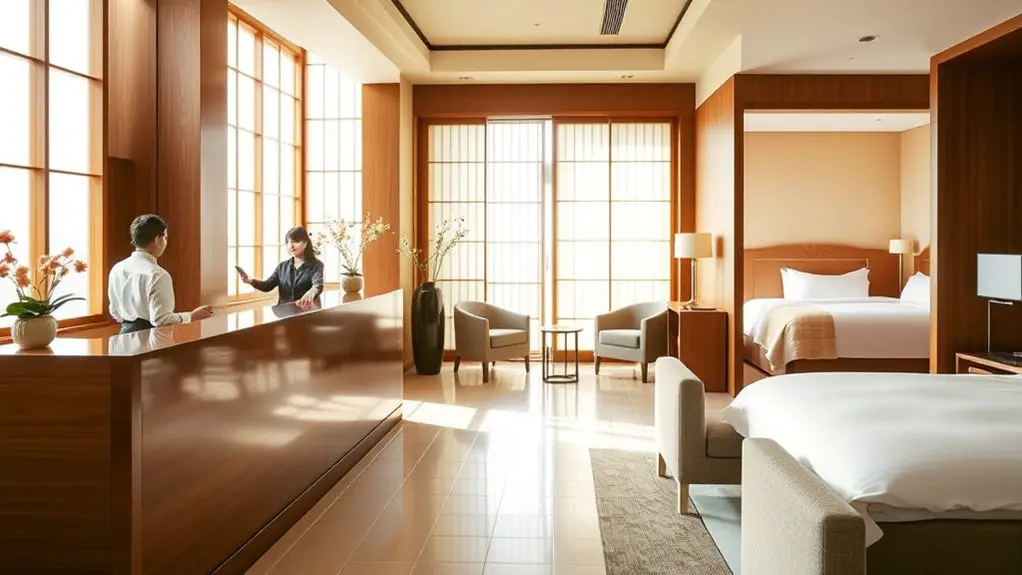
When booking a mid-range hotel in Japan, expect to pay between ¥8,000 and ¥18,000 per night ($55–$120 USD).
These accommodations usually include comprehensive room amenities such as high-speed Wi-Fi, air purification/humidifier units, comfortable bedding, and optional buffet breakfasts featuring both Japanese and Western cuisine.
Mid-range properties deliver an ideal balance of comfortable living space, guest services, and transit access without reaching luxury rate brackets.
Average Nightly Rates
Mid-range hotel rates across Japan typically average between ¥8,000 and ¥18,000 per night, contingent on city density and season.
In high-demand destinations like Tokyo, Kyoto, or Hiroshima, rates land near the upper limit during peak travel months (March–May and October–November). In smaller regional capitals or rural prefectures, mid-range quality rooms can frequently be secured near the lower end of that range.
Reserving rooms 3 to 6 months ahead protects against demand spikes, and weekday night rates remain substantially lower than Friday and Saturday stays.
Included Amenities
Standard mid-range hotels in Japan offer exceptional value through built-in conveniences. Expect daily housekeeping, individual climate control, complimentary tea-making sets, slippers, and traditional sleepwear (Yukata or pajamas).
Private bathrooms come standard with modern electronic bidet toilets, high-quality toiletries (shampoo, conditioner, body wash), hair dryers, and bathtubs. Many mid-range properties also provide self-service coin laundromats, ice machines, microwave stations, and 24-hour front desk support with luggage storage.
Breakfast is either bundled into the rate or available for an extra ¥1,200 to ¥2,500, offering a convenient start to a full day of sightseeing.
Luxury Hotel and Ryokan Pricing
Choosing luxury hotels or traditional ryokans elevates a trip to Japan into a high-end cultural experience characterized by world-class hospitality (*Omotenashi*).
Rates in this category reflect spacious floor plans, historic settings, fine dining, and personalized attendant service.
Luxury Hotel Rates
Rates for luxury international brand hotels (such as The Ritz-Carlton, Park Hyatt, or Aman) and high-end Japanese luxury properties in Tokyo and Kyoto generally start around ¥40,000 to ¥60,000 ($260–$400 USD) per night for standard guest rooms, easily surpassing ¥120,000+ ($800+ USD) for premium suites or peak-season dates. These establishments provide expansive city views, luxury spa access, fine dining options, and multi-lingual concierge teams.
| Accommodation Tier | Typical Price Range (per night) |
|---|---|
| Standard Luxury Hotel | ¥35,000 – ¥55,000 ($230 – $365 USD) |
| Premium Luxury Hotel | ¥55,000 – ¥90,000 ($365 – $600 USD) |
| Luxury Suite Tiers | ¥90,000 – ¥200,000+ ($600 – $1,300+ USD) |
| High-End Ryokan (per person/night) | ¥30,000 – ¥80,000 ($200 – $530 USD) |
| Peak Season Surcharge | +25% to +60% above standard rates |
Ryokan Experience Costs
A stay at a traditional Japanese ryokan (inn) offers authentic cultural immersion featuring tatami-mat flooring, sliding *shoji* screens, natural hot spring (*onsen*) baths, and personalized service from a room attendant (*nakai-san*).
Crucially, ryokan pricing is almost always calculated per person, per night, rather than per room. Mid-range ryokans cost between ¥15,000 and ¥30,000 per person, while luxury properties range from ¥40,000 to ¥90,000+ per person.
This pricing reflects half-board service: a multi-course kaiseki dinner composed of seasonal local delicacies served in your room or a private dining space, alongside a full traditional breakfast the following morning.
Note: When comparing ryokan costs to standard hotel rates, remember to factor in the included multi-course meal values, which would otherwise cost ¥10,000 to ¥20,000 per guest at high-end restaurants.
Seasonal Price Variations
Hotel pricing in Japan shifts dramatically according to domestic holiday schedules, seasonal flower blossoms, and weather conditions. Rates during the spring cherry blossom season (*sakura*, late March to mid-April) and autumn foliage period (*koyo*, October to November) peak across primary tourist corridors like Tokyo, Kyoto, and Nara.
National holiday weeks—most notably Golden Week (late April to early May), Obon (mid-August), and the New Year holiday period (December 29–January 3)—trigger steep price increases nationwide as domestic travel surges. Off-peak travel during winter (January to February, excluding ski resorts) or early summer (rainy season in June) offers lower rates and fewer crowds.
Hidden Costs: Taxes and Service Charges
When calculating your total accommodation budget, keep local taxes and service fees in mind, as they may not appear in the initial room quote on third-party search engines.
- Japanese Consumption Tax (JCT): A nationwide 10% tax is levied on all accommodation charges. Most major booking platforms display prices inclusive of JCT, but it is wise to double-check line items before completing payment.
- Municipal Accommodation Taxes: Several major tourist destinations levy a per-person, per-night accommodation tax collected directly at check-in:
- Tokyo: ¥100 for rooms ¥10,000–¥14,999/night; ¥200 for rooms ¥15,000+/night.
- Kyoto: Tiered stay tax ranging from ¥200 up to ¥1,000 per person, per night depending on room rate.
- Osaka: ¥100 to ¥300 per person, per night for rooms starting at ¥7,000.
- Fukuoka & Kanazawa: Similar local city stay taxes ranging between ¥200 and ¥500/night.
- Hot Spring Bathing Tax (Nyutai-zei): Staying at a hotel or ryokan with natural thermal hot springs (*onsen*) incurs a mandatory local municipality tax of ¥150 per person, per night, payable at checkout.
- High-End Service Charges: Luxury hotels and traditional ryokans typically add a 10% to 15% service charge to room and dining bills in lieu of tipping (tipping is not practiced in Japan).
Warning: Always keep a small amount of Japanese Yen (cash) available upon arrival at your hotel. Local municipal accommodation taxes and onsen bathing fees are often collected separately at the front desk in cash upon check-in or checkout.
Seasonal Price Fluctuations
Understanding Japan’s travel calendar helps avoid overpaying for accommodations.
During peak travel seasons, high demand drives room rates up significantly across major tourist centers. Conversely, traveling during shoulder months or mid-week allows access to mid-range comfort at budget-friendly prices.
Additionally, large-scale conventions, major concerts, and local seasonal festivals (*matsuri*) can cause localized price hikes in host cities. Reviewing local event schedules while planning your travel route helps prevent unexpected rate increases.
Impact of Location on Hotel Rates
Location plays a major role in determining nightly hotel rates across Japan.
Properties located within immediate walking distance of major train stations—such as Yamanote Line stations in Tokyo or major Shinkansen hubs—command a premium due to travel convenience. Choosing a hotel located 10 to 15 minutes away on foot or two subway stops off the main train loop can reduce room costs by 20% to 35% without adding significant travel time.
Staying in quieter suburban districts or neighboring cities (such as staying in Osaka or Otsu instead of downtown Kyoto) offers larger room layouts and more economical pricing while keeping major tourist sights accessible via public transportation.
Best Platforms for Booking Accommodations in Japan
Securing the best rates often depends on which booking channel you use. While international Online Travel Agencies (OTAs) work reliably, Japanese booking engines often unlock additional availability and localized deals:
- Agoda & Booking.com: Excellent interface, extensive Western-style hotel selection, flexible cancellation policies, and transparent reviews from international travelers.
- Rakuten Travel: Japan’s largest domestic booking platform. Ideal for finding authentic ryokans, regional inns, and domestic promotions that may not list inventory on international websites.
- Jalan Direct: A premier Japanese travel site offering detailed room filters, meal-plan options, and specialized hot-spring accommodation search features.
- Hotel Direct Websites: Japanese business hotel chains (APA, Toyoko Inn) frequently offer exclusive member discounts, guaranteed late checkouts, or free breakfast options when booked directly through their official portals.
Booking Tips to Save on Accommodation
Securing affordable hotel rates in Japan without compromising on quality comes down to timing and strategic planning. Utilizing key booking strategies allows you to optimize your budget for dining and activities.
| Money-Saving Strategy | Why It Reduces Accommodation Costs |
|---|---|
| Reserve 3–6 Months Ahead | Locks in lower base-tier rates before demand forces dynamic pricing updates. |
| Target Mid-Week Stays | Avoids heavy weekend domestic staycation price hikes on Friday and Saturday nights. |
| Join Free Hotel Chains Loyalty Programs | Unlocks direct-booking discounts, early check-in, or free breakfast options. |
| Stay Outside Key Tourist Hubs | Saves up to 35% by choosing hotels a few train stops away from central hubs. |
Comparing Hotel Costs With Alternative Lodging Options
Looking beyond traditional Western-style hotels opens up cost-effective alternative accommodation options across Japan.
Capsule hotels deliver modern, low-cost private pods for solo travelers prioritizing budget and location over room size. Hostels and guesthouses offer economical dormitory beds and social atmospheres for solo adventurers and younger tourists.
For families or group travel, licensed vacation rentals (*Minpaku*) rented via platforms like Airbnb provide full residential layouts, multi-room arrangements, and in-unit laundry capabilities, reducing long-term dining and laundry costs. Business hotel chains remain the middle ground, delivering private rooms, private baths, and high standards of cleanliness at accessible prices.
Frequently Asked Questions
Are hotel prices in Japan inclusive of breakfast?
Hotel rates in Japan do not automatically include breakfast unless specified in your booking tier. Mid-range business hotels often offer room-only or breakfast-inclusive packages for an additional ¥1,200 to ¥2,500. Traditional ryokan stays almost always include both dinner and breakfast in their standard per-person nightly rate.
Do hotels in Japan charge extra for late check-out?
Yes, standard check-out times in Japan are strictly enforced (typically 10:00 AM or 11:00 AM). Standard extension charges range from ¥1,000 to ¥2,000 per extra hour, depending on availability. Unannounced late check-outs can incur automatic fees equivalent to an extra half-day or full-day stay.
Is Wi-Fi typically free in Japanese hotels?
Complimentary high-speed Wi-Fi is standard across nearly all Japanese accommodation types, including budget capsule hotels, business hotels, and luxury establishments. Most rooms provide connection credentials directly on the main TV menu or room desk folder.
Are there additional fees for parking at hotels in Japan?
Yes, city center hotels in places like Tokyo, Osaka, and Kyoto charge daily parking fees averaging ¥1,500 to ¥3,500 per night. Free guest parking is primarily found at suburban properties, rural resort hotels, or countryside ryokans.
How do Japanese hotel cancellation policies generally work?
Standard Japanese hotel cancellation windows require notice 1 to 3 days prior to check-in to avoid penalties. Cancellations made the day prior typically incur a 20% to 50% fee, while same-day cancellations or no-shows incur a 100% penalty charge. High-end ryokans often require 7 to 14 days’ advance notice due to custom meal preparation.
Conclusion
When planning a trip to Japan, accommodation costs can easily be tailored to fit your travel style and budget. Budget choices like capsule hotels and hostels start around ¥3,000 per night, dependable business hotels average ¥8,000 to ¥18,000, and luxury properties or traditional ryokans range upward from ¥35,000. By factoring in municipal stay taxes, booking mid-week stays, and planning well ahead of peak seasonal spikes, you can maximize comfort while maintaining control over your total travel spending.
Sources
- Japan National Tourism Organization (JNTO) — Official travel research and lodging guidelines.
- Tokyo Metropolitan Government Bureau of Taxation — Official Tokyo Accommodation Tax policy rules.
- Kyoto City Official Portal — Information on Kyoto Municipal Accommodation Tax regulations.
