
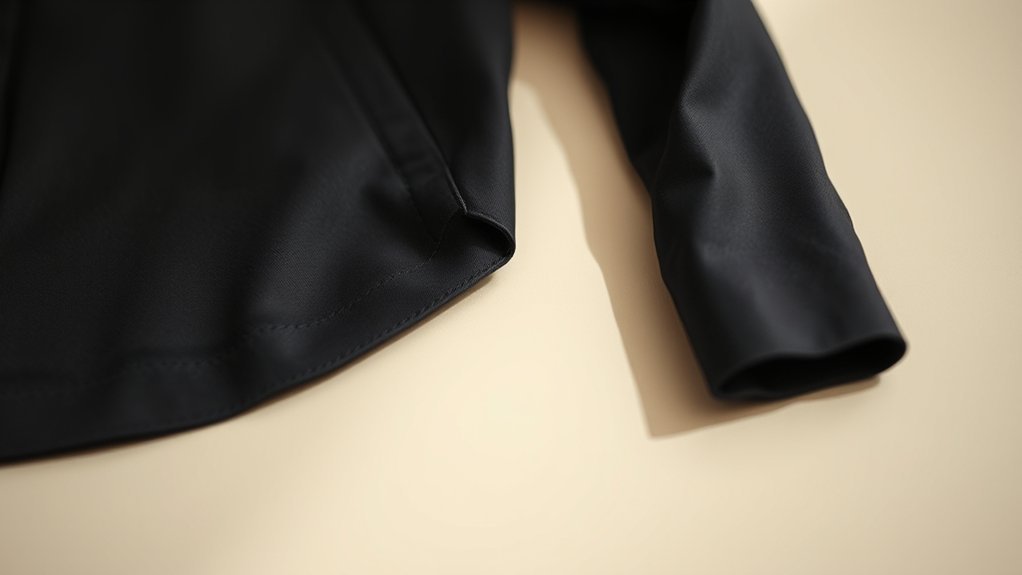
Last Updated on September 11, 2026 by Daniel Globe
Haimont uses several secure pocket designs across its trail-running shorts, tights, belts, and hydration vests. Some are small inner pockets for cards or keys, while others are zippered pockets made for a phone or electronics. The right way to use one depends on the exact model, pocket size, closure, and care label.
Quick Answer
Haimont does not use one identical hidden pocket across every product. Depending on the shorts, tights, belt, or hydration vest, the secure pocket may be an inner waist pocket, rear zip phone pocket, or water-resistant electronics pocket. Check your model, then pack only items that fit without stretching, bouncing, or pressing into your body.
Key Takeaways
- Haimont pocket placement and capacity vary by product, so check the listing for your exact model.
- Use small secure pockets for keys, ID, cards, cash, or compact nutrition unless the pocket is specifically listed as phone-sized.
- Water-resistant does not mean waterproof. Put electronics and paper items in a sealed pouch during wet runs.
- A snug, balanced load can reduce movement, but overpacking may cause bounce, pressure, or chafing.
- Follow the garment-specific care label because Haimont vest and shorts instructions are not identical.
At a Glance
| Time Required | 2 to 5 minutes to pack and test |
| Difficulty | Easy |
| Tools Needed | Your Haimont garment, the items you plan to carry, and an optional sealed waterproof pouch |
| Cost | $0 with gear you already own; an optional waterproof pouch costs extra |
Disclosure: As an Amazon Associate I earn from qualifying purchases. Some links on this page are affiliate links, at no extra cost to you.
What Is the Haimont Hidden Pocket?
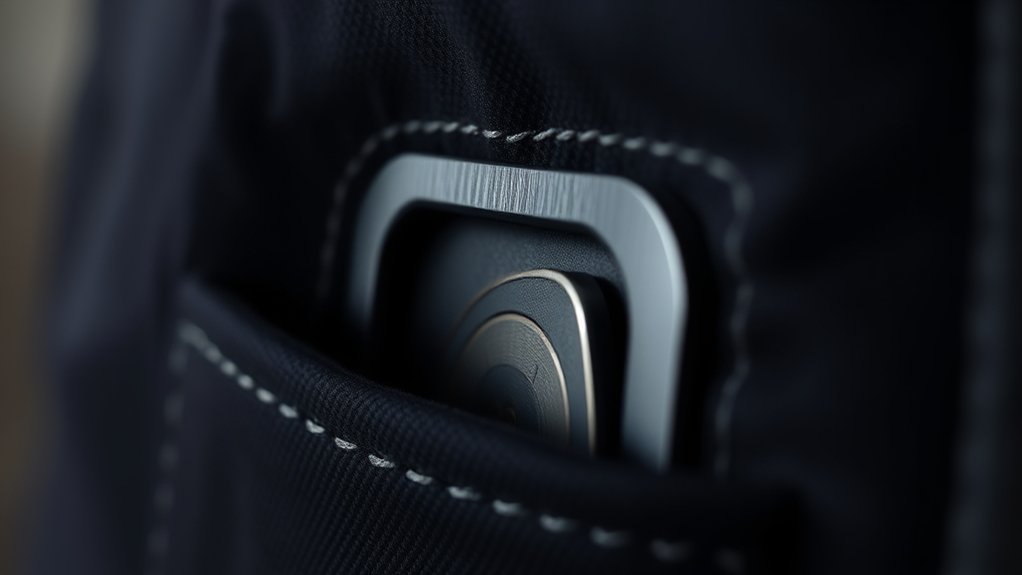
The term Haimont hidden pocket does not describe one universal pocket used on every garment. Haimont’s own guide to multi-pocket trail shorts describes inner security pockets and zippered hidden pockets as separate designs. Current product pages also use names such as rear zip phone pocket, zippered power-mesh pocket, and water-resistant electronics pocket.
This difference matters because pocket size, location, closure, and weather protection can change from one model to another. A small inner pocket may be suitable for a key or card, while a listed phone pocket can hold a larger item. Treat the product page and care label for your exact garment as the final guide.
Haimont Pocket Types by Product
| Product | Official Pocket Details | Best Use |
|---|---|---|
| APEX Men’s 4.5-Inch Split Run Shorts | Two open mesh pockets plus one rear YKK zip phone pocket measuring 210 by 100 mm | Phone, gels, or a key, based on the pocket used |
| Skylite 5L Hydration Vest | Ten pockets, including a zip phone pocket, tiered drop-in pockets, and a main storage compartment | Short trail runs, fuel, phone, hydration, and small gear |
| Race 8L Hydration Vest | Fifteen pockets, including a secure water-resistant pocket for electronics | Longer runs that require more organized storage |
Note: Product names and specifications can change. Confirm the pocket count, dimensions, and care instructions on the current page for your exact size and model.
Why Hidden Pocket Storage Helps Trail Runners
A well-placed secure pocket can keep a small item close to your body and separate it from bottles, layers, or larger gear. This can make the item easier to find and may reduce movement when the pocket fits the item correctly.
- Better organization: keys, cards, and nutrition stay in assigned pockets.
- Faster access: frequently used items can stay in front or waist pockets.
- Less movement: a snug pocket can limit shifting compared with a loose main compartment.
The benefit depends on fit. A pocket that is too large may let an item bounce, while an overfilled pocket can pull on the waistband or vest. Secure the closure, balance the load, and avoid hard objects that press against your skin.
What to Carry in a Hidden Pocket
Use a small hidden or zippered pocket for compact items that match its size and purpose. Good choices include a single key, emergency ID, payment card, folded cash, salt tablets, a small gel, or a compact lip balm. A phone belongs there only when the manufacturer identifies the pocket as phone-sized and the device fits without forcing the zipper.
| Item | Recommended Pocket | Packing Tip |
|---|---|---|
| Key | Small zippered or inner security pocket | Remove bulky keychains and cover sharp edges |
| ID, card, or cash | Inner or zippered pocket | Use a small sealed sleeve to block sweat |
| Gel or salt tablets | Easy-access waist or front pocket | Keep wrappers sealed and separate from electronics |
| Phone | Manufacturer-listed phone or electronics pocket | Check dimensions with the case installed |
What Not to Carry in a Small Hidden Pocket
Avoid loose blades, oversized keyrings, glass containers, leaking gels, or anything that makes the fabric bulge sharply. Do not force a phone into a small inner pocket. Stretching the fabric or zipper can reduce security and may create a pressure point against your body.
For remote or long trail runs, a hidden pocket is only one part of your setup. The National Park Service Ten Essentials includes navigation, hydration, nutrition, first aid, illumination, and emergency supplies. Carry what the route, weather, duration, and local rules require.
Warning: A pocket does not make a phone, card, or key waterproof. Use a sealed waterproof pouch when sweat, heavy rain, stream crossings, or immersion are possible.
Where Hidden Pockets Work Best

The best location depends on how often you need the item and how its weight affects your movement.
- Inner waist pocket: best for a key, card, cash, or emergency ID that you do not need often.
- Rear zip phone pocket: useful for a compatible phone when the pocket is sized and shaped for it.
- Front vest pocket: convenient for gels, salt tablets, or other items you use during the run.
- Water-resistant electronics pocket: better than an open mesh pocket for a GPS or phone, but still not suitable for immersion.
- Main compartment: better for layers, first-aid supplies, or larger emergency gear.
Place heavier items close to your body and spread them between the left and right sides when possible. Keep hard items away from the hip bones, ribs, and lower back.
How Hidden Pockets Improve Comfort on Runs
A secure pocket can improve comfort when it holds the right item and the garment fits correctly. Close-to-body storage may reduce swinging and help distribute small loads. Quick-drying or moisture-wicking fabric on some Haimont models can also manage sweat, but it does not stop water from reaching the pocket contents.
Comfort can get worse when you overpack. A heavy phone may pull down loose shorts, a key can create a pressure point, and an uneven vest load can shift on descents. Adjust the waistband or sternum straps, then test the full load before a long run.
Pro Tip: Pack the exact items you plan to carry, jog in place for 30 seconds, bend forward, and make a few side-to-side movements. Repack anything that bounces, rubs, rattles, or is hard to reach.
How to Use Hidden Pockets on Trail Runs
Use your pockets as a simple storage system. Put small valuables in the most secure compartment, frequently used nutrition in an easy-access pocket, and bulky emergency gear in the main compartment. Keep the total load light enough that the shorts or vest stays in place.
- Identify the pocket: check whether it is open, elastic, zippered, phone-sized, or water-resistant.
- Match the item: use the smallest pocket that holds the item without stretching.
- Protect moisture-sensitive gear: place electronics, cash, and paper ID in a sealed pouch.
- Balance the load: divide weight between both sides of a vest or waistband.
- Close and test: secure every zipper or closure, then walk and jog before leaving.
- Recheck during the run: stop and adjust if you feel rubbing, pulling, numbness, or unusual bounce.
Hidden Pocket Essentials
A small security pocket works best for items you want to keep close and do not need every few minutes. A key, emergency contact card, payment card, or folded cash usually makes more sense than a bulky phone. Keep the load flat, remove unnecessary packaging, and avoid sharp edges.
Smart Trail Storage
Store high-use items where you can reach them without removing the vest. Keep gels or salt tablets in front or waist pockets, and place a phone only in a pocket that the product page identifies for phone or electronics storage. Larger safety items belong in the main compartment, not in a tiny hidden pocket.
Reflective details and a safety whistle are available on some Haimont vests, but they do not replace route planning, adequate water, lighting, or emergency communication. The CDC advises athletes exercising in heat to drink more water than usual and not wait until they feel thirsty.
How to Clean Apparel With a Hidden Pocket
Start by emptying every pocket and checking the corners for wrappers, cards, or a key. Close zippers to reduce snagging, then follow the care instructions for the exact product. Haimont’s current care directions vary by model. The Skylite 5L and Race 8L vest pages call for cold hand washing and no machine washing, while the APEX 4.5-inch split shorts page allows a cold machine wash and low tumble dry.
- Empty and inspect every pocket.
- Close zippers and fasteners.
- Follow the product label, not a general rule for all Haimont gear.
- Let the pocket dry fully before storing the garment.
- Check the zipper, elastic, seams, and lining before the next run.
Hidden Pocket Troubleshooting
The Pocket Bounces
Reduce the load, move the item to a smaller pocket, tighten the garment within its normal adjustment range, or balance weight on the opposite side. If the item still moves, use a running belt or vest pocket designed for that size.
The Pocket Causes Chafing
Remove hard or angular items, flatten the load, and check whether the garment is too loose or too tight. Do not continue a long run with repeated rubbing. Change the pocket location or carry the item in another system.
The Phone Does Not Fit
Do not force the zipper or stretch the pocket. Compare the phone and case dimensions with the manufacturer’s listed pocket size. A larger case may prevent a phone from fitting even when the bare device is listed as compatible.
Moisture Reaches the Contents
Move the item into a sealed waterproof pouch. Water-resistant fabric may slow light moisture, but seams, zipper gaps, sweat, and prolonged rain can still let water reach the contents.
Frequently Asked Questions
Is the Haimont hidden pocket waterproof?
Do not assume it is waterproof. Haimont specifically describes the Race 8L electronics pocket as water-resistant, which is not the same as protection from immersion or prolonged heavy rain. Use a sealed waterproof pouch for a phone, paper ID, cash, or other moisture-sensitive items.
How do I clean apparel with a hidden pocket?
Empty every pocket, close the zippers, and follow the exact care label. Haimont’s vest pages may require cold hand washing, while some current shorts allow cold machine washing. Do not apply one cleaning method to every product.
Does the hidden pocket fit a smartphone securely?
Only some models have a phone-sized pocket. For example, Haimont lists a 210 by 100 mm rear zip phone pocket on the APEX men’s 4.5-inch split shorts and names several compatible iPhone models with a slim case. Check your phone and case dimensions before relying on the fit.
Will a hidden pocket affect garment durability?
A correctly used pocket should not automatically reduce durability. Problems are more likely when you overload it, force the zipper, carry sharp objects, or keep running after a seam starts to fail. Inspect the pocket regularly and stop using it for valuables if the closure or stitching is damaged.
Are Haimont hidden pockets available on all apparel styles?
No. Pocket count, location, closure, and size vary across Haimont shorts, tights, belts, and hydration vests. Read the current specifications and product images for the exact model before buying or planning your load.
What is the safest pocket for a running key?
Use a small zippered or inner security pocket that closes fully. Remove a bulky keychain, keep sharp edges away from your skin, and test for movement before the run. An open mesh pocket is less suitable for a single loose key.
Conclusion
A Haimont hidden or secure pocket can keep small essentials organized, but the design is not the same on every product. Check the exact pocket type, dimensions, closure, weather claim, and care label before you pack. Keep the load light, protect moisture-sensitive items, test for bounce and rubbing, and move larger gear to a vest or belt when a small pocket is not suitable.
Sources
- Haimont: Why Multi-Pocket Trail Shorts Are a Game-Changer for Runners — hidden and security pocket types.
- Haimont APEX Men’s 4.5-Inch Split Run Shorts — phone pocket dimensions, compatible devices, materials, and care.
- Haimont Skylite 5L Hydration Vest — pocket count, storage layout, fit, and care.
- Haimont Race 8L Hydration Vest — water-resistant electronics pocket, storage, and care.
- U.S. National Park Service: Ten Essentials — trail preparation, hydration, navigation, nutrition, and emergency gear.
- CDC: Heat and Athletes — hydration and heat-safety guidance for outdoor exercise.
