

Last Updated on July 26, 2026 by Daniel Globe
Four Seasons Hotels and Resorts is one of the best-known names in luxury hospitality, but the company behind the brand is not a typical publicly traded hotel chain. Founded by Canadian architect and builder Isadore “Issy” Sharp in 1960, Four Seasons opened its first hotel in Toronto in 1961 and later developed a business model focused largely on managing luxury properties for third-party owners.
Quick Answer
Four Seasons Hotels and Resorts is privately held. The latest disclosed ownership split is Cascade Investment, L.L.C. at 71.25%, Kingdom Holding Company at 23.75%, and founder Isadore Sharp, through Triples Holdings Limited, at 5%. Cascade is the majority shareholder; Bill Gates is connected to Four Seasons through Cascade.
Key Takeaways
- Four Seasons was founded by Isadore Sharp in 1960, and its first hotel opened in Toronto in 1961.
- Cascade Investment is the majority shareholder, with a latest disclosed stake of 71.25%.
- Kingdom Holding Company retains 23.75%, while Isadore Sharp retains 5% through Triples Holdings Limited.
- Four Seasons is privately held and has not been publicly traded since its 2007 take-private transaction.
- Owning Four Seasons the company is different from owning individual Four Seasons hotel buildings, which are generally held by third-party property owners.
- In January 2026, Four Seasons reported a global portfolio of 135 hotels and resorts and 61 residences in 47 countries.
Disclosure: As an Amazon Associate I earn from qualifying purchases. Some links on this page are affiliate links, at no extra cost to you.
The History of Four Seasons Hotels and Resorts
Four Seasons was founded in 1960 by Isadore Sharp, but the first Four Seasons hotel did not open until 1961. According to the official Four Seasons history, the first property was a 125-room motor hotel in downtown Toronto. Its focus on personal service helped establish an approach that would shape the company for decades.
The 1970 opening of a Four Seasons hotel in London was another major turning point. Rather than claiming Four Seasons invented the luxury hotel-chain concept, it is more accurate to say that the London property helped define the company’s future focus on high-end hotels, strong service standards, and consistent guest experiences.
During the 1980s, Four Seasons increasingly shifted away from owning hotel real estate itself and toward managing hotels for property owners. That approach became central to its business model and remains important for understanding who actually owns a Four Seasons hotel today.
Expansion continued through the 1990s and 2000s. Prince Al-Waleed bin Talal became a major Four Seasons stakeholder in 1994 through interests associated with Kingdom Holding Company. Cascade Investment first invested in Four Seasons in 1997 while the company was still public. In 2007, Cascade, Kingdom and Isadore Sharp participated in the transaction that returned Four Seasons to private ownership.
The Luxury Experience at Four Seasons Hotels
Four Seasons has built its reputation around luxury accommodations and highly personalized service. Individual properties differ widely because their design often reflects the destination, from large urban hotels to beach and mountain resorts.
Guest rooms and suites commonly emphasize high-quality bedding, thoughtful layouts, technology, dining and wellness services. Amenities vary by destination, room category and property, so travelers should check the specific hotel rather than assume that every Four Seasons provides the same facilities.
Service is a central part of the brand’s identity. Concierges and other hotel staff may help arrange restaurant reservations, transportation, local activities and special occasions. Four Seasons describes its service culture as being rooted in the Golden Rule: treating others as one would want to be treated.
Four Seasons grew from one Toronto hotel into a global luxury brand while keeping personalized service at the center of its business strategy.
The Global Presence of Four Seasons Hotels
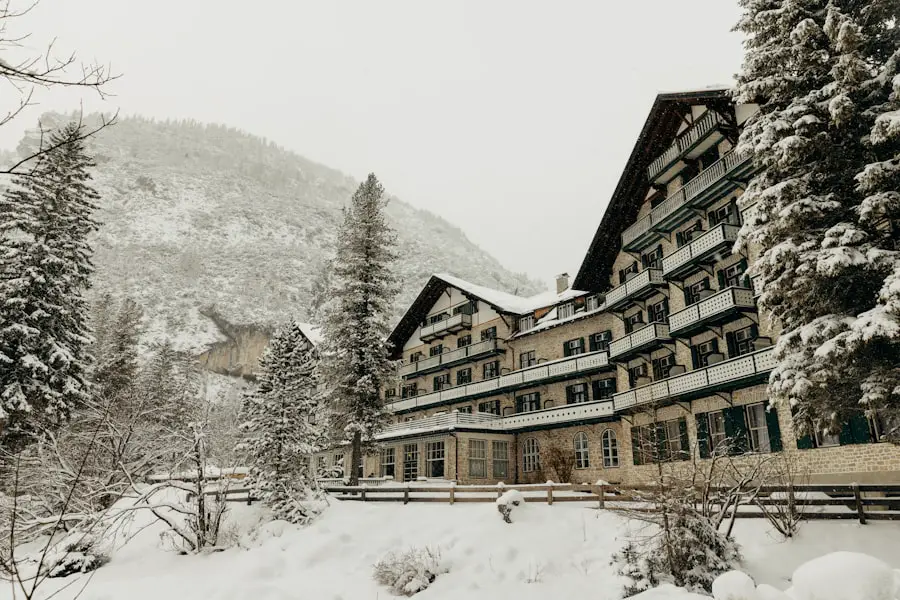
Four Seasons now has a much larger global footprint than the older figures often quoted online. In its January 2026 corporate growth update, the company reported 135 hotels and resorts and 61 residences in 47 countries.
The portfolio includes major cities and resort destinations across North America, Europe, Asia-Pacific, the Middle East, Africa, Central America and South America. Properties are designed to operate under the same Four Seasons service standards while still reflecting their locations through architecture, food, art and local experiences.
For example, a resort in Bali may emphasize the region’s landscape, traditions and cuisine, while an urban Four Seasons in London, New York or Tokyo provides a different type of experience. This combination of a common service philosophy and location-specific design is part of the brand’s global strategy.
The Partnership with Bill Gates and Current Ownership
Bill Gates is closely associated with Four Seasons ownership, but the legal shareholder is Cascade Investment, L.L.C., a private investment entity associated with Gates. Cascade first invested in Four Seasons in 1997, when Four Seasons was still a public company.
The ownership relationship changed significantly in 2007, when Cascade, Kingdom-related interests and Isadore Sharp participated in taking Four Seasons private. A second major change was announced in September 2021, when Cascade agreed to buy 23.75 percentage points of Kingdom Holding Company’s stake for $2.21 billion. The transaction closed in January 2022 and valued Four Seasons at a $10 billion enterprise value.
Four Seasons’ official ownership disclosure reported the resulting ownership structure as follows:
| Shareholder | Latest Disclosed Stake |
| Cascade Investment, L.L.C. | 71.25% — majority shareholder |
| Kingdom Holding Company affiliate | 23.75% |
| Isadore Sharp through Triples Holdings Limited | 5% |
Note: It is more precise to say that Cascade Investment is Four Seasons’ majority shareholder than to say Bill Gates personally owns every Four Seasons hotel. Four Seasons’ 2026 corporate communications continue to identify Cascade as the majority shareholder alongside Kingdom Holding Company and Isadore Sharp.
Who Owns Individual Four Seasons Hotels?
Corporate ownership of the Four Seasons brand should not be confused with ownership of the buildings bearing the Four Seasons name. Four Seasons primarily operates as a hotel-management and branded-residential company, managing properties for third-party real-estate owners.
That means a Four Seasons in one city may have a completely different property owner from a Four Seasons in another city. The property owner supplies the underlying real-estate investment, while Four Seasons manages the hotel under its brand, operating standards and service model.
Is Four Seasons Publicly Traded?
No. Four Seasons has been privately held since the 2007 transaction that bought out its public shareholders. As a result, ordinary investors cannot buy Four Seasons stock on a public exchange in the same way they can buy shares of publicly listed hotel companies.
The Unique Amenities at Four Seasons Hotels
Amenities differ from one Four Seasons property to another, which is important when comparing hotels. Resort properties may have beaches, pools, water activities or large outdoor spaces, while city hotels may focus more heavily on restaurants, spas, business facilities and convenient access to local attractions.
Wellness is a common part of the Four Seasons offering. Many locations provide spas, fitness centers and treatments that draw on local ingredients or traditions. Specific facilities, hours and services should always be checked on the individual property’s official page before booking.
The Culinary Experience at Four Seasons Hotels
Food and drink are major parts of the Four Seasons experience. The company operates hundreds of restaurant and bar outlets across its managed properties, ranging from relaxed poolside venues to fine-dining restaurants.
Menus and concepts vary by destination. Properties may emphasize regional ingredients, local cooking traditions and seasonal products alongside international dishes. Some Four Seasons restaurants have also earned major culinary awards, although recognition differs by restaurant and can change from year to year.
Selected properties offer additional food experiences such as chef-led events, tasting menus, cooking activities or wine programs. Because these offerings are property-specific, travelers should review the hotel they plan to visit rather than expect the same dining program everywhere.
The Exceptional Service at Four Seasons Hotels
Personalized service remains one of the main ideas behind the Four Seasons brand. Founder Isadore Sharp developed a company culture based on the Golden Rule, and Four Seasons continues to describe genuine care and personal attention as central to its approach.
In practice, this may include help from a concierge, attention to known guest preferences, assistance with celebrations, transportation arrangements or recommendations tailored to a visitor’s plans. The exact experience depends on the property and the guest’s needs.
This emphasis on service also helps explain why Four Seasons developed as a management company. Rather than relying solely on ownership of physical hotel buildings, the company has built much of its value around its brand, operating standards, employees and relationships with hotel owners.
The Sustainability Efforts of Four Seasons Hotels
Sustainability has become a formal part of Four Seasons’ operations through its Four Seasons for Good program. According to the company’s environmental program, its areas of focus include energy and carbon, water, waste, sustainable design, responsible sourcing and biodiversity.
Four Seasons has been reducing single-use plastics across the guest experience, expanding recycling and organic-waste diversion where local infrastructure allows, and incorporating sustainability standards into new construction and major renovations.
The company has also set a goal to cut food waste by 50% by 2030 compared with its 2019 baseline. Individual hotels may have additional programs involving water conservation, renewable energy, local sourcing, habitat protection or community partnerships.
The Exclusive Experiences at Four Seasons Hotels
Four Seasons extends beyond standard hotel rooms with destination-specific activities, private residences and curated travel experiences. What is available depends heavily on the property and location, so guests may find anything from cultural excursions and outdoor adventures to chef-led events and private celebrations.
The brand has also expanded beyond traditional hotel stays. Its travel portfolio includes the Four Seasons Private Jet Experience and Four Seasons Drive Experience. In March 2026, Four Seasons I began the inaugural Four Seasons Yachts voyage, extending the brand’s hospitality concept to sea.
These offerings reflect the company’s broader strategy of selling a luxury travel experience rather than limiting the Four Seasons name to conventional hotel accommodation.
The Future of Four Seasons Hotels
Four Seasons entered 2026 celebrating 65 years since the opening of its first hotel. Its current strategy continues to emphasize expansion in carefully selected luxury markets, along with growth in branded residences and other travel experiences.
The company’s January 2026 growth announcement highlighted development activity in destinations including Italy, Greece and Saudi Arabia. At the same time, the launch of Four Seasons Yachts shows how the brand is expanding beyond its traditional hotel and resort business.
Technology will continue to support reservations, communication and the guest experience, but the company’s public strategy still places personalized service and human interaction at the center of the brand. Sustainability is also becoming more closely integrated into the design and operation of new and renovated properties.
How to Book a Stay at Four Seasons Hotels
Travelers can search properties, room categories, rates and offers through the official Four Seasons website. Booking directly can also make it easier to work with Four Seasons reservations staff when a trip involves special requirements.
Four Seasons publishes a Best Rate Guarantee for qualifying reservations made through its official websites. The company states that direct bookings receive its lowest qualifying rate and access to its reservation specialists, subject to the program’s terms.
Pro Tip: Compare the cancellation deadline, deposit requirement, taxes, mandatory property fees and included benefits rather than comparing only the headline nightly rate. Advance-purchase offers can cost less but may be non-refundable.
Travel agents who specialize in luxury travel may also be useful when a stay involves multiple rooms, complex transportation, celebrations or other special arrangements. Before confirming any reservation, review the exact hotel’s policies because deposits, cancellation rules and included amenities vary by rate and property.
Frequent travelers may also want to keep everyday travel essentials compact. For example, this guide to the top travel toothbrushes covers portable options for maintaining oral hygiene while away from home.
Frequently Asked Questions
Who owns Four Seasons Hotels?
Four Seasons is privately held. The latest disclosed ownership split is 71.25% for Cascade Investment, L.L.C., 23.75% for an affiliate of Kingdom Holding Company, and 5% for founder Isadore Sharp through Triples Holdings Limited.
Does Bill Gates own Four Seasons Hotels?
Bill Gates is associated with Four Seasons through Cascade Investment. Cascade, rather than Gates personally, is the legal majority shareholder and has a latest disclosed stake of 71.25%.
Does Four Seasons own every Four Seasons hotel?
No. Four Seasons primarily manages hotels, resorts and residences on behalf of third-party owners. As a result, the real estate behind an individual Four Seasons property may belong to a developer, investment company or other property owner while Four Seasons operates it under the Four Seasons brand.
When was Four Seasons Hotels founded?
Isadore Sharp founded the company in 1960. The first Four Seasons hotel, a 125-room property in Toronto, opened in 1961.
How many Four Seasons Hotels are there?
Four Seasons reported in January 2026 that it operated 135 hotels and resorts and 61 residences across 47 countries. The total changes as properties open, convert or leave the portfolio.
Is Four Seasons publicly traded?
No. Four Seasons has been privately held since 2007, when Cascade Investment, Kingdom-related interests and Isadore Sharp participated in a transaction that bought out the company’s public shareholders.
What is the reputation of Four Seasons Hotels?
Four Seasons is positioned as a luxury hospitality brand known for personalized service, upscale accommodations, dining, wellness and destination-specific experiences. Facilities and service offerings vary by individual hotel or resort.
Was there a 2019 ownership dispute between Bill Gates and Prince Al-Waleed over Four Seasons?
Reliable corporate and regulatory sources do not substantiate the commonly repeated claim that Bill Gates and Prince Al-Waleed had a 2019 legal dispute over ownership of Four Seasons. The major documented ownership change occurred in 2021–2022, when Cascade acquired an additional 23.75% interest from Kingdom Holding’s affiliate.
Sources
- Four Seasons — Company History — founding, first hotel and major milestones.
- Four Seasons — ESG Summary Report — ownership structure and management model.
- Four Seasons — 2026 Strategic Growth and Expansion — current global footprint and shareholder confirmation.
- Four Seasons for Good — Planet — environmental priorities, plastics and food-waste goals.
- Four Seasons — Best Rate Guarantee — official direct-booking terms and benefits.
- Four Seasons — Four Seasons Yachts Launch — March 2026 debut of Four Seasons I.
