Last Updated on July 27, 2026 by Daniel Globe
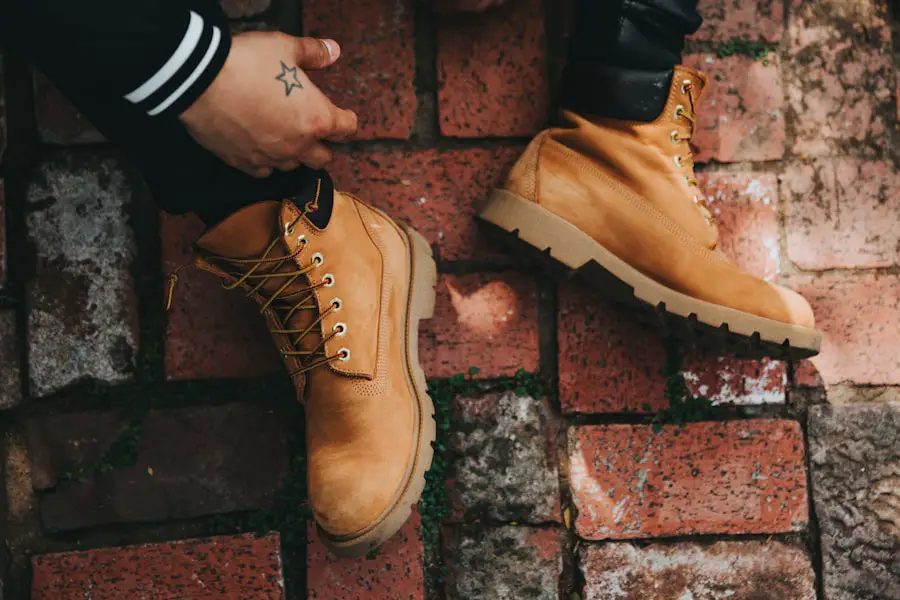
Timberland makes everything from low-cut trail shoes to more substantial waterproof hiking boots, but the best option depends on where you hike, how far you go, the weather, and how the shoe fits your feet. A good pair should feel secure without pinching, provide suitable tread for the trail, and match the level of weather protection you actually need.
Quick Answer
Timberland hiking shoes can be a good choice for day hikes and many established trails when you choose a model that matches the terrain, weather, distance, and your foot shape. Features vary widely by model, so check waterproofing, outsole design, cushioning, weight, fit, and intended use instead of assuming every Timberland hiker performs the same way.
Key Takeaways
- Timberland hiking footwear ranges from lighter low-cut shoes to waterproof mid-height boots, so match the model to your trail rather than choosing by brand alone.
- Current models may use technologies such as TimberDry waterproofing, TimberGrip outsoles, TimberCush cushioning, ReBOTL fabric, GreenStride midsoles, OrthoLite footbeds, or anti-fatigue footbeds, but these features are not universal.
- A hiking shoe should feel snug but not tight, hold the heel securely, and leave room for the toes to move without striking the front on descents.
- Break new footwear in with short walks before a long hike. Persistent rubbing, numbness, or pressure is a fit warning, not something you should simply endure.
- Clean footwear according to its material, air-dry it naturally, and inspect the outsole, upper, stitching, and waterproofing before demanding trips.
Disclosure: As an Amazon Associate I earn from qualifying purchases. Some links on this page are affiliate links, at no extra cost to you.
Are Timberland Hiking Shoes Good for Hiking?
Timberland hiking shoes and boots can work well for many recreational hikes, but there is no single Timberland design that suits every trail. The brand currently sells waterproof hikers, day-hiking footwear, low-cut shoes, mid-height boots, and trail-inspired styles with different levels of structure, weather protection, cushioning, and traction.
The most important question is not simply whether Timberlands are “good.” It is whether a particular model fits your feet and matches the conditions you expect. The National Park Service recommends sturdy footwear with suitable tread for many unpaved hiking trails, while more severe terrain, mud, snow, or ice can demand additional protection or traction.
Note: Timberland’s classic lifestyle boots and its purpose-built hiking footwear are not interchangeable categories. For regular trail use, check the individual product description for hiking-specific features rather than assuming any Timberland boot is designed for technical trails.
Features of Timberland Hiking Shoes
Timberland uses different materials and technologies across its hiking range. That distinction matters because a feature advertised on one model may be absent from another.
For example, the current Men’s Mt. Maddsen Mid Waterproof Hiking Boot uses waterproof Premium Timberland leather, a TimberDry waterproof membrane, a ReBOTL fabric lining containing at least 50% recycled plastic, an anti-fatigue removable footbed, a compression-molded EVA midsole, and a rubber lug outsole. Other models may use OrthoLite footbeds, TimberGrip outsoles, TimberCush systems, or different midsole constructions.
| Feature or Technology | What It Means |
| TimberDry | A waterproof membrane used on selected Timberland footwear to help block outside moisture. |
| TimberGrip | A traction-focused outsole system found on selected models. Other Timberland hikers use conventional rubber lug outsoles. |
| TimberCush | A cushioning system used on some newer Timberland footwear for underfoot comfort. |
| ReBOTL | Fabric used in selected uppers or linings. Current product descriptions commonly specify at least 50% recycled plastic in the ReBOTL component. |
| GreenStride | A midsole technology used on selected models. Timberland currently describes certain GreenStride midsoles as an EVA blend containing at least 65% biobased materials derived from sugar cane and responsibly grown rubber. |
| EVA, OrthoLite and anti-fatigue footbeds | Different cushioning systems used by different models. They can improve underfoot comfort, but they should not be treated as a guarantee against fatigue, pain, or injury. |
Timberland also sells footwear with GORE-TEX or other waterproof membranes, according to its hiking guide. The safest approach is to read the exact specification for the model you are considering rather than treating any technology as standard across the whole range.
Choosing the Right Timberland Hiking Shoes for Your Adventure
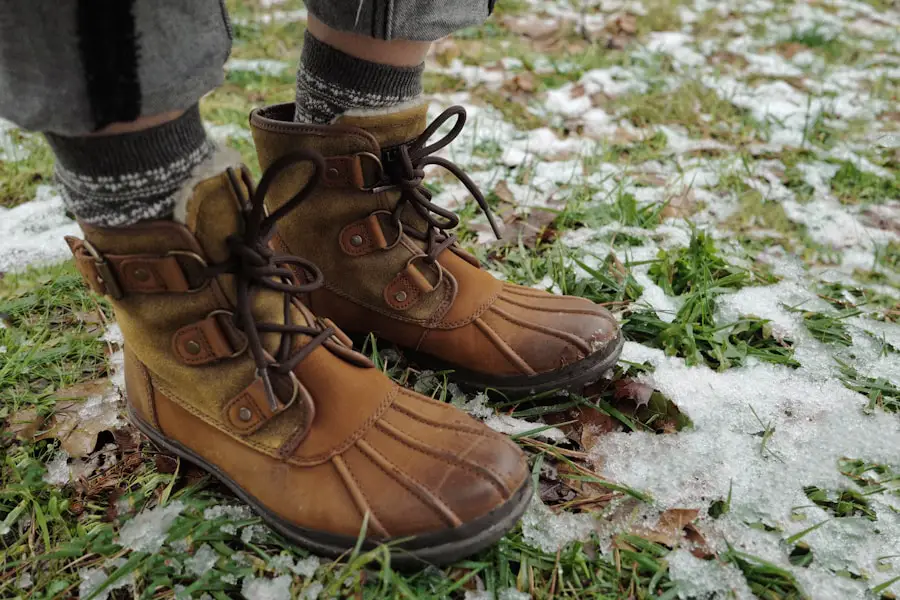
Start with the trail rather than the shoe. Consider terrain, expected weather, distance, elevation, and the weight you will carry. A light low-cut hiking shoe may feel more natural on maintained day-hiking trails, while rougher terrain may make a more protective upper, firmer platform, toe protection, or mid-height design more useful.
1. Match the Shoe to the Terrain
| Conditions | What to Look For |
| Maintained, dry day-hiking trails | A lighter hiking shoe or flexible boot with a comfortable fit and suitable rubber tread may be enough. |
| Rocky or uneven trails | Look for secure heel hold, protective construction, a stable platform, and a lugged outsole with tread that is still in good condition. |
| Mud, wet grass and frequent rain | A waterproof model with a gusseted tongue and suitable tread can help, although waterproof footwear usually feels warmer and dries more slowly if water enters from the top. |
| Hot, dry trails | Breathability and lower weight may be more useful than a waterproof membrane unless wet conditions are expected. |
| Snow or icy trails | Weather protection and appropriate warmth can help, but ordinary hiking lugs are not a substitute for dedicated traction devices when ice is present. |
Warning: No hiking shoe is slip-proof. The National Park Service advises sturdy footwear with adequate tread and recommends traction devices for icy conditions in areas where winter trails become slick. Slow down and adjust your route when surfaces are wet, loose, snowy, or icy.
2. Decide Whether You Need Waterproofing
Waterproof hiking shoes can be useful in frequent rain, shallow mud, wet grass, and damp trails. Timberland currently uses TimberDry on many waterproof hiking models, while its hiking guide also references GORE-TEX or other waterproof membranes on selected footwear.
Waterproofing is not automatically better in every climate. A membrane adds weather protection but can make footwear feel warmer and less ventilated than a comparable non-waterproof shoe. If most of your hiking is in hot, dry conditions, a lighter, more breathable design may be more comfortable.
3. Consider Distance and Pack Weight
Short hikes on maintained paths place different demands on footwear than long days over rocky terrain with a loaded pack. For longer or rougher outings, prioritize a secure fit, underfoot protection, cushioning that remains comfortable over time, and an outsole suited to the surface.
Do not choose a heavier boot simply because the hike is long. A boot that is too stiff, too warm, or poorly fitted can be just as troublesome as a shoe that lacks enough protection.
4. Check the Exact Model Specifications
Current Timberland examples illustrate how much models can differ:
- Mt. Maddsen Mid Waterproof: TimberDry waterproof membrane, ReBOTL lining, anti-fatigue removable footbed, compression-molded EVA midsole, and rubber lug outsole.
- White Ledge Mid Waterproof: waterproof leather, seam-sealed construction, EVA footbed and midsole, ReBOTL lining, gusseted tongue, and rubber lug outsole.
- Mt. Maddsen Peak Waterproof: selected versions include TimberDry waterproofing, OrthoLite cushioning, dual-density EVA, and TimberGrip traction.
- GreenStride Motion 6: selected versions use ReBOTL fabric and a GreenStride midsole made with an EVA blend containing at least 65% biobased materials.
Because specifications can change by version, color, gender-specific model, and season, confirm the current product page before buying.
Tips for Breaking in Your New Timberland Hiking Shoes
Some flexible hiking shoes may feel comfortable immediately, while stiffer leather or more structured boots can need more gradual use. Breaking in footwear should help you confirm the fit and allow the upper to flex naturally; it should not require enduring significant pain.
| Tip | What to Do |
| Choose the right size first | Do not rely on break-in to fix a shoe that crushes your toes, causes numbness, or allows major heel movement. |
| Start indoors | Wear the shoes around the house long enough to identify pressure points without committing to a long trail day. |
| Increase distance gradually | Move from short walks to longer local walks before taking new footwear on a demanding hike. |
| Use your hiking socks | Wear the same sock thickness and material you expect to use on the trail so the fit test is realistic. |
| Re-lace for a better hold | Adjust lace tension if your heel moves or the top of your foot feels pressured. Timberland’s hiking guide also describes alternative lacing patterns for pressure points. |
| Stop for persistent hot spots | Repeated rubbing in the same place can become a blister. Persistent pain or pressure usually means the size, width, volume, lacing, sock combination, or model needs attention. |
Pro Tip: Do your final pre-hike test on stairs or a safe incline. Your heel should remain controlled on the way up, and your toes should not repeatedly strike the front of the shoe on the way down.
Exploring Different Terrains in Timberland Hiking Shoes
Timberland hiking footwear can cover a wide range of recreational trail conditions, but terrain should determine which style you choose. A rubber lug outsole that works well on dirt and gravel does not make a shoe equally capable on every wet rock, loose slope, or sheet of ice.
For rocky and root-covered trails, look for a secure fit, good outsole condition, and enough protection around the foot for the route. In wet climates, a waterproof model can help limit outside moisture, especially when paired with a gusseted tongue. On warm and relatively dry trails, a lighter non-waterproof hiking shoe may offer better ventilation.
Winter requires additional judgment. Waterproof footwear can help with wet snow, but insulation and traction are separate issues. A waterproof hiking shoe is not necessarily insulated, and standard rubber lugs should not be treated as ice cleats.
Good tread matters, but trail conditions still set the limit. The National Park Service advises hikers to wear sturdy footwear with enough tread for traction and to add traction devices when icy conditions call for them.
Maintenance and Care for Timberland Hiking Shoes
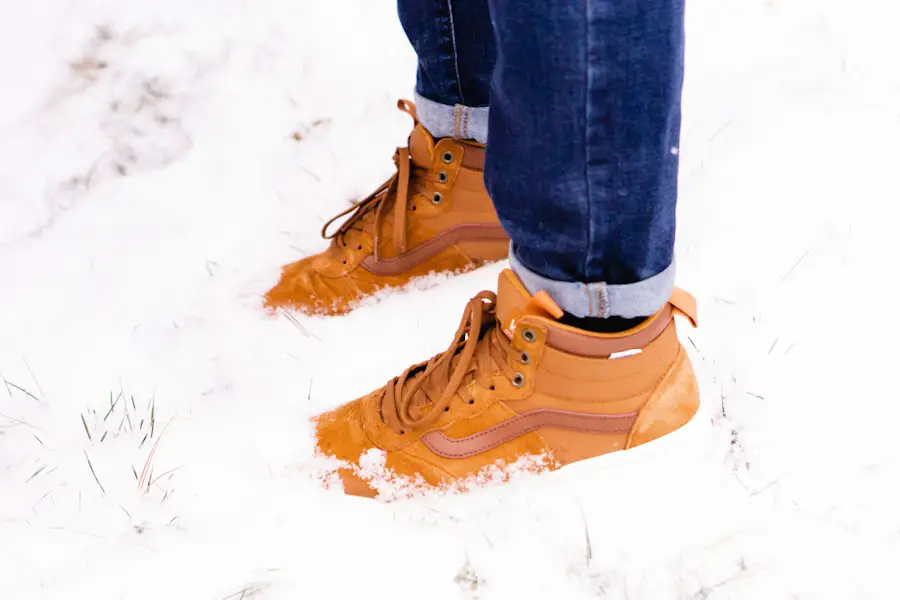
Proper care can help preserve the upper, outsole, appearance, and weather protection of hiking footwear. The correct method depends on whether your shoes use full-grain leather, nubuck, suede, fabric, or a waterproof membrane.
Clean Off Trail Dirt
After a muddy hike, allow heavy mud to dry enough that it can be brushed away without grinding grit deeper into the material. Timberland recommends choosing cleaning products according to the shoe material rather than treating leather, suede, nubuck, and fabric the same way.
Use Material-Compatible Cleaners and Protectors
Timberland currently lists products such as Renewbuck cleaner and Balm Proofer for compatible materials. Wax-based products require more care: Timberland specifically warns that Waximum is intended for waxed or oiled leather and should not be used on suede, nubuck, or canvas.
Before applying any treatment, read the care directions for your exact shoe. Waterproof membranes do not eliminate the need to maintain the outer material and water-repellent surface treatment.
Let Shoes Dry Naturally
After cleaning or a wet hike, allow footwear to air-dry in a ventilated location. Timberland’s waterproofing guidance warns against trying to speed drying with a radiator or hair dryer because excessive heat can damage uppers and the waterproof construction.
Remove insoles when practical and loosen the laces to improve airflow. Do not put the shoes away wet in an enclosed bag or damp storage area.
Inspect Them Before the Next Trip
Check the outsole for worn tread, separated rubber, cracks, or damage. Inspect the upper, stitching, eyelets, lace hardware, and areas where the upper joins the sole. For waterproof models, pay attention to repeated leaks or damaged seams rather than assuming a protector spray can repair structural damage.
Note: Timberland’s current U.S. and Canada warranty covers defects in materials and workmanship for 12 months from the original purchase date. Normal wear and tear, misuse, neglect, modification, and unauthorized repair are excluded.
Benefits and Trade-Offs of Timberland Hiking Shoes
One advantage of Timberland’s hiking range is variety. Hikers can choose between lower and mid-height designs, waterproof and non-waterproof options, leather and mixed-material uppers, and several cushioning or outsole systems. This makes it possible to choose footwear for a specific use instead of relying on one standard construction.
Selected current models also use materials with specific recycled or biobased content. ReBOTL fabric on many current styles contains at least 50% recycled plastic, while certain GreenStride midsoles use an EVA blend containing at least 65% biobased materials. Timberland also states that purchasing selected leather models supports Leather Working Group-certified tanneries.
Those are useful, measurable details, but they should not be interpreted to mean that every Timberland hiking shoe is environmentally neutral or that every component is recycled. Check the individual product page when material sourcing matters to your purchase.
There are also trade-offs. Leather and waterproof boots can be heavier and warmer than lighter trail shoes. Low-cut designs may feel less restrictive but provide less coverage around the ankle. Softer cushioning can feel comfortable without necessarily providing the platform a particular hiker prefers on rough terrain. The best choice is the one that balances these factors for your route and feet.
Finding the Perfect Fit: Sizing and Comfort in Timberland Hiking Shoes
Fit is more important than the feature list. Even a technically capable hiking boot can cause problems when its length, width, heel shape, or internal volume does not match your foot.
Timberland’s size guide recommends measuring feet at the end of the day, when they may be larger than they were in the morning. Measure both feet and use the larger measurement when the two are different.
How Timberland Hiking Shoes Should Fit
- Heel: It should feel secure rather than lifting dramatically with each step.
- Midfoot: The shoe should feel held in place without painful pressure or numbness.
- Toe box: Your toes should be able to move, and they should not repeatedly hit the front of the shoe.
- Width: The sides of the forefoot should not feel crushed or spill heavily over the edge of the footbed.
- Socks: Test the shoe with the thickness and type of hiking sock you intend to wear.
- Movement: Walk, climb stairs, and test a safe incline when possible to see how the heel and toes behave under load.
Timberland’s own hiking guidance says a properly fitted hiking boot should have no obvious hot spots or rubbing and should not allow the foot to slide around inside. Trying footwear later in the day and wearing your normal hiking socks gives you a more realistic fit check.
Arch shape and foot volume also affect comfort. Some hikers use replacement insoles or prescribed orthotics, but an insole cannot correct a shoe that is fundamentally the wrong length, width, or shape.
Pro Tip: Never buy a painful shoe because you expect it to stretch into the right size. Leather may soften and flex with wear, but your toes still need adequate length and your foot needs the right width and volume from the start.
When Should You Replace Timberland Hiking Shoes?
Hiking footwear does not have one reliable mileage or time limit because wear depends on the model, terrain, body weight, gait, frequency of use, storage, and care. Instead, inspect the condition of the shoe.
Replacement may be appropriate when the outsole has lost substantial tread, the sole begins separating from the upper, cushioning feels permanently compressed, the upper is cracked or structurally damaged, waterproof footwear develops persistent leaks from damaged construction, or the shoe no longer holds your foot securely.
Timberland’s warranty should not be treated as a lifespan guarantee. Its current policy covers defects in materials and workmanship for 12 months in the United States and Canada but specifically excludes normal wear and tear.
If you’re building a full hiking outfit, the existing guide to travel pants with hidden pockets covers another piece of practical trail and travel clothing. Pairing comfortable clothing with properly fitted hiking footwear can make longer days outdoors easier to manage.
Frequently Asked Questions
What are Timberland hiking shoes?
Timberland hiking shoes are trail-oriented footwear ranging from low-cut shoes to mid-height hiking boots. Depending on the model, they may include waterproof membranes, leather or fabric uppers, EVA cushioning, lugged rubber outsoles, recycled-content fabrics, and other trail-focused features.
What features do Timberland hiking shoes have?
Features vary by model. Current Timberland hikers may include TimberDry waterproof membranes, TimberGrip or other rubber lug outsoles, TimberCush cushioning, GreenStride midsoles, ReBOTL fabric, OrthoLite footbeds, anti-fatigue footbeds, gusseted tongues, or protective toe components. Always check the exact product specification.
Are all Timberland hiking shoes waterproof?
No. Timberland sells both waterproof and non-waterproof trail footwear. Waterproof models may use TimberDry, GORE-TEX, seam-sealed construction, or other systems depending on the design. Check whether the exact model is specifically labeled waterproof.
Are Timberland hiking shoes suitable for all types of hiking?
No single shoe is ideal for every hike. A lightweight Timberland hiking shoe may work well on maintained trails, while rough terrain, heavy packs, deep snow, or technical mountain travel may call for more specialized footwear and, in some conditions, separate traction equipment.
How do I choose the right Timberland hiking shoe?
Start with your terrain, weather, hike length, and carried load. Then compare waterproofing, outsole tread, cushioning, weight, cut height, and fit. The shoe should hold your heel securely, avoid painful pressure, and give your toes enough room for descents.
Do Timberland hiking shoes need to be broken in?
Some flexible hiking shoes need very little break-in, while stiffer leather or structured boots may benefit from gradual wear. Start indoors, progress to short walks, and use your normal hiking socks. Persistent rubbing, numbness, or painful pressure suggests a fit problem rather than normal break-in.
Are Timberland hiking shoes durable?
Many Timberland hikers use leather, rubber lug outsoles, protective components, and other materials intended for outdoor use, but durability varies with the model and how it is used. There is no universal lifespan. Timberland’s current U.S. and Canada warranty covers manufacturing and material defects for 12 months but excludes normal wear and tear.
Can Timberland hiking shoes be used for everyday wear?
Yes, many models can also be worn casually if you find them comfortable. Keep in mind that heavy or deeply lugged hiking boots can feel warmer and stiffer than everyday sneakers, while Timberland’s lighter hiking-inspired styles may be easier to wear around town.
Sources
- Timberland — Which Hiking Boots Are Right for Me? — hiking-footwear types, fit, break-in, lacing, waterproof options, and care.
- Timberland — Mt. Maddsen Mid Waterproof Hiking Boot — current TimberDry, ReBOTL, anti-fatigue footbed, EVA midsole, and outsole specifications.
- Timberland — Size Chart and Measurement Guide — footwear sizing and end-of-day foot-measurement guidance.
- Timberland — How to Waterproof Boots and Shoes — material-specific treatment and natural-drying guidance.
- Timberland — Warranty Policy — current 12-month defect warranty and normal-wear exclusions.
- National Park Service — Hike Smart — trail-footwear, tread, sock, equipment, and hiking-safety guidance.