

Last Updated on September 27, 2026 by Daniel Globe
You can travel the world from home without booking a flight or leaving your favorite chair. Virtual museum tours, online cultural experiences, cooking classes, and language exchanges let you discover places and connect with people across continents. Whether travel is beyond your budget, difficult because of mobility, or simply not possible right now, technology gives you meaningful ways to explore.
Quick Answer
To travel the world from home, explore virtual tours of famous landmarks, learn about different cultures, try international recipes, and connect with people through language exchanges. You can also attend online cultural workshops and use virtual reality to explore historic sites. Many experiences work in a regular web browser, so you do not need expensive equipment.
Key Takeaways
- Virtual tours let you explore museums, historic landmarks, and natural scenery without traveling.
- Online courses, documentaries, and cultural organizations help explain the history and traditions behind what you see.
- Language exchanges and social communities create opportunities for genuine conversations with people abroad.
- Cooking classes and cultural workshops turn passive viewing into hands-on learning.
- Virtual exploration complements physical travel, but it cannot fully reproduce the sights, sounds, and everyday interactions of being there.
Disclosure: As an Amazon Associate I earn from qualifying purchases. Some links on this page are affiliate links, at no extra cost to you.
Virtual Tours: Travel the World From Home
Virtual tours let you explore museums, historic landmarks, and cultural sites through photographs, video, and interactive panoramic views. Some tours let you move between locations, examine individual objects, and read explanations written by museum staff or historians.
They are especially useful when you cannot travel because of distance, cost, health, or mobility restrictions. You can explore at your own pace, revisit an exhibit, or pause to learn more about something that interests you.
Explore the Louvre in Paris
The Louvre offers official online tours covering selected exhibitions, museum rooms, and palace architecture.
For example, its exhibition From Afar: Travelling Materials and Objects explores how materials such as lapis lazuli, ivory, and ebony moved between distant societies through ancient trade networks.
The museum also offers a separate Mona Lisa virtual reality experience that explains Leonardo da Vinci’s painting techniques and the history of the famous portrait.
The Mona Lisa and Venus de Milo are among the Louvre’s best-known works, but not every virtual tour includes them. Choose a specific exhibition or digital experience rather than expecting a complete reproduction of the museum.
Walk Along the Great Wall of China
Google Arts & Culture offers a Great Wall virtual experience featuring panoramic views, historical explanations, and stories about the structure’s architecture.
You can explore sections such as Simatai and learn about the watchtowers, fortifications, and mountain passes that helped protect ancient China.
Rather than simply looking at the scenery, focus on how the wall changes across different landscapes. Its construction reflects centuries of military planning, engineering, and regional history.
Discover More Museums Without Traveling
The Smithsonian National Museum of Natural History provides self-guided virtual tours of selected exhibits. You can move between rooms, inspect objects, and explore displays about fossils, natural history, and scientific research.
Its virtual experiences work on desktop and mobile devices, making them useful for families, students, and independent learners.
For a more meaningful visit, choose one museum and explore a complete exhibition before moving to another destination. Read the descriptions and follow the stories behind the objects instead of simply moving through the images.
Learning About Different Cultures Through Online Resources
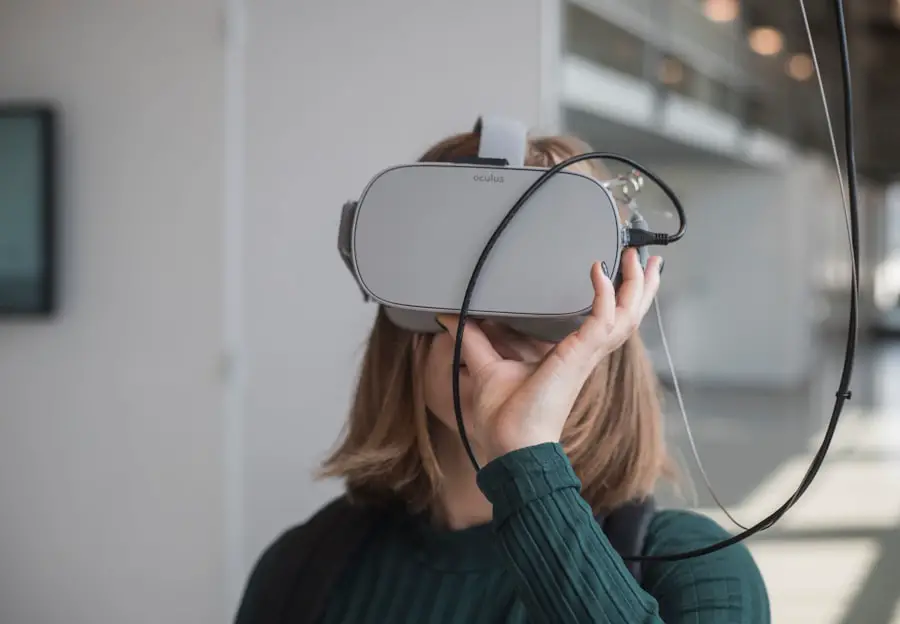
Online resources help you understand the people, traditions, and history behind the places you explore. Courses, documentaries, podcasts, books, and cultural archives provide context that a virtual sightseeing tour may not cover.
For example, you might explore a Japanese temple virtually, then learn about its architecture, religious traditions, and historical significance through a course or documentary.
Take Online Courses About Culture and History
Coursera’s arts and humanities courses cover subjects such as art history, literature, philosophy, music, and cultural traditions.
Courses are offered by universities and other educational institutions. Some provide free access to learning materials, while certificates and additional features may require payment.
Another option is edX, which offers courses about language, history, and intercultural communication. Its Foundations of Culture and Communication course, for example, examines how people communicate across different cultural settings.
These structured lessons can help you move beyond general impressions and understand why people follow particular customs or traditions.
Explore Cultures Through Videos and Documentaries
YouTube offers travel documentaries, interviews, cooking demonstrations, and videos about everyday life in different countries.
Travel creators such as Kara and Nate document journeys around the world, showing transportation, accommodation, food, and cultural experiences from a visitor’s perspective.
These videos can introduce you to unfamiliar places and encourage further research. However, one creator’s experience does not represent everyone living in a country.
To build a fuller picture, combine travel videos with local creators, museum collections, historical resources, and interviews with residents.
Learn About Traditions Beyond Tourist Attractions
Cultural exploration also involves understanding music, family traditions, festivals, crafts, language, and everyday routines.
For example, you could learn about Japanese tea ceremonies, explore traditional African drumming, or study how different communities celebrate important events.
Look for materials created by cultural institutions, local practitioners, and people who belong to the communities being discussed. Their perspectives can reveal details that general travel guides often miss.
Connecting with People Around the World Through Social Media
Social media makes it possible to meet people from other countries, exchange ideas, and participate in international communities. Facebook, Instagram, X, TikTok, and LinkedIn support different forms of interaction, from casual conversations to professional networking.
Technology can help you build connections around shared interests, but the quality of those interactions matters more than a platform’s total audience.
Understanding Social Media Audience Figures
The following figures were included in the original article. They represent historical estimates, not a current comparison of platform audiences.
| Platform | Reported Users or Members (Millions) | Reported Percentage of Global Population |
|---|---|---|
| 2,740 | 35.7% | |
| 1,221 | 15.9% | |
| Twitter (now X) | 330 | 4.3% |
| 774 members | 10.1% |
The original figures do not share a confirmed reporting date or consistent methodology, and the percentage values have not been independently established. LinkedIn’s official historical reporting identifies its 774 million figure as members rather than active users.
For a broader comparison, DataReportal explains current social media measurement methods, including why advertising reach, registered accounts, and active users should not be treated as identical statistics.
LinkedIn’s historical company report confirms the membership figure used in the original table.
Join Communities Built Around Shared Interests
Social media communities bring together people who enjoy similar hobbies, professions, and cultural interests.
For instance, artists can share work with international audiences, travelers can exchange destination advice, and language learners can practice with people abroad.
Groups focused on photography, books, music, or traditional crafts can also introduce you to perspectives you might not encounter locally.
Instead of joining many unrelated groups, choose a community connected to something you genuinely want to learn. Ask thoughtful questions and participate in discussions rather than simply collecting followers.
Discover Cultural Traditions Through Everyday Posts
Photos, short videos, and personal stories can show how people prepare meals, celebrate festivals, decorate their homes, or spend time with family.
Hashtags such as #CulturalExchange and #GlobalCommunity may help you discover related conversations and creators.
However, popular posts often emphasize unusual or visually striking experiences. Ordinary daily life may be less visible.
Following several creators from different regions and backgrounds can give you a broader understanding of a country than relying on a single account.
Exploring Global Cuisine Through Online Cooking Classes
Cooking is a practical way to explore another culture from home. Online classes let you prepare dishes from different countries while learning about ingredients, cooking methods, and the traditions surrounding each meal.
You can turn an ordinary evening into a culinary journey by choosing a country, learning about its food, and preparing a traditional recipe.
Learn From Chefs and Experienced Instructors
MasterClass offers cooking lessons covering different techniques and culinary traditions. Skillshare also provides online cooking classes for learners who want to develop practical kitchen skills.
These platforms include lessons from experienced instructors, although course formats, access, and pricing vary.
You can also explore live online cooking sessions when you prefer direct interaction with an instructor.
For example, an Indian cooking class might explain how spices are combined while guiding participants through the preparation of a curry.
Similarly, lessons about Italian pasta, Thai cooking, or Mexican cuisine can introduce techniques and ingredients associated with different regional food traditions.
Make Cooking a Cultural Learning Experience
Preparing a recipe becomes more meaningful when you understand where it comes from and how people traditionally serve it.
Before starting, learn about the dish’s region, common ingredients, and place in everyday meals or celebrations.
Then follow these steps:
- Choose a traditional recipe from a country you want to explore.
- Read about the dish and its regional variations.
- Gather the ingredients and review the cooking instructions.
- Prepare the food while following a class or demonstration.
- Learn how the dish is commonly served and enjoyed.
Remember that national cuisines are rarely uniform. Different regions and families may prepare the same dish in different ways.
If an ingredient is unavailable, you can use a suitable substitute while recognizing that the finished dish may differ from the original preparation.
Virtual Language Exchanges: Connecting With Speakers of Different Languages
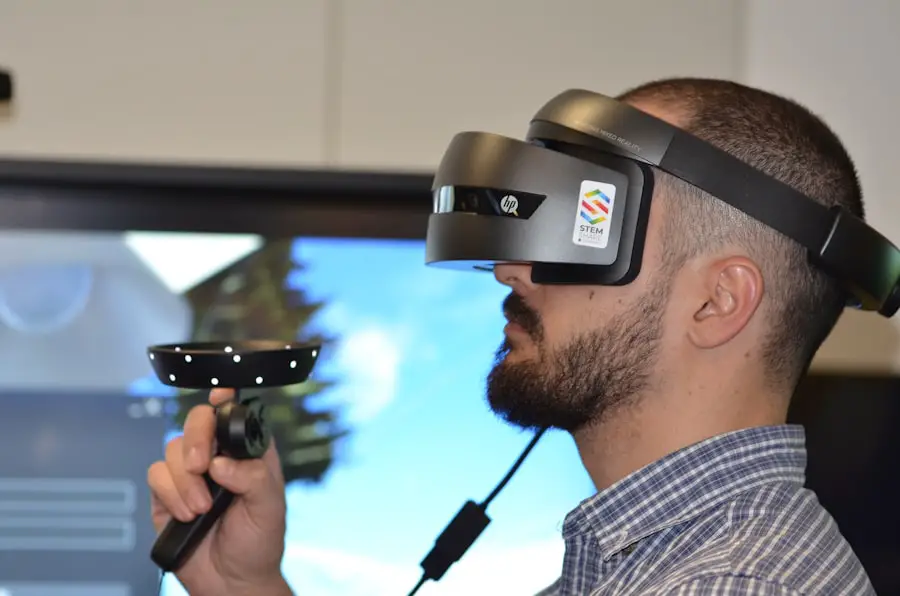
Virtual language exchanges connect people who want to practice each other’s languages. They allow you to improve your speaking and listening skills while learning about everyday life in another country.
Unlike studying vocabulary alone, a language exchange gives you an opportunity to use words and expressions in real conversations.
How Online Language Exchanges Work
Platforms such as Tandem help language learners find partners who speak the language they want to learn.
HelloTalk also connects learners through text, voice, and video communication. It includes language-learning tools that support translation and corrections.
For example, a Spanish speaker learning English could connect with an English speaker learning Spanish.
They might spend part of a conversation practicing English and another part practicing Spanish. Both participants gain speaking experience while sharing details about their lives.
What Should You Talk About?
Start with familiar subjects that do not require advanced vocabulary.
- Daily routines, work, and hobbies.
- Traditional foods and favorite family recipes.
- Local celebrations and public holidays.
- Music, films, and books.
- Regional expressions and everyday language.
- Places each person would like to visit.
As your confidence grows, you can discuss more complex cultural topics and ask about expressions that do not translate directly.
This reciprocal learning process helps both people practice communication while understanding the context behind unfamiliar words.
Warning: Protect your privacy when communicating with strangers online. Avoid sharing your home address, financial information, identification documents, or other sensitive details. Be cautious of requests for money or invitations to move conversations to unfamiliar platforms.
Online Cultural Workshops and Events: Embracing Diversity From Home
Online cultural workshops offer a more active way to learn than watching videos alone. Participants can follow demonstrations, practice new skills, and ask questions about the traditions being presented.
Museums, cultural organizations, educational institutions, and independent practitioners may offer workshops on music, dance, traditional crafts, history, and regional customs.
Participate in Hands-On Cultural Activities
An online African drumming workshop, for example, might introduce a particular musical tradition through demonstrations, rhythm exercises, and explanations of its cultural background.
Other workshops may focus on textile making, traditional dance, calligraphy, storytelling, or craft techniques.
Choose an activity that allows you to participate rather than simply watch. Even a short guided exercise can help you understand the skill involved.
When a class covers a cultural practice, seek instruction from someone familiar with that tradition and its community.
Attend Virtual Cultural Events
Online performances, festival broadcasts, discussions, and museum presentations can introduce you to traditions from different parts of the world.
Some events are recorded and can be watched later, while live sessions may include audience questions and opportunities for discussion.
If an event includes audience participation, follow the organizer’s guidance about recording, sharing images, and respecting cultural practices.
Approaching these activities with curiosity and respect makes cultural exchange more meaningful for everyone involved.
The Future of Global Exploration: Virtual Reality and Beyond
Virtual reality, or VR, can make digital exploration feel more immersive by placing you inside a simulated environment. Depending on the experience, you may look around a historic location, examine a reconstructed building, or follow a guided cultural story.
VR can provide a stronger sense of place than ordinary photographs, but it does not recreate every part of physical travel.
Explore Cultural Heritage in Three Dimensions
Imagine exploring the streets of Tokyo through panoramic footage or examining a digital reconstruction of an ancient archaeological site.
These experiences can help you understand the layout of a destination and how different buildings or objects relate to one another.
UNESCO’s Dive into Heritage platform uses 3D models, photographs, videos, and guided digital storytelling to present World Heritage sites.
Its experiences include heritage locations in the Arab States region, such as Hegra in Saudi Arabia and Bahla Fort in Oman.
These digital representations help visitors explore architectural details while learning about the history and significance of the sites.
Do You Need a VR Headset?
No. Many virtual tours work through an ordinary web browser on a computer, tablet, or smartphone.
A VR headset may provide a more immersive experience when a program supports it, but it is not required for most online museum collections or panoramic tours.
Some experiences use interactive photographs rather than fully simulated 3D environments, so the level of immersion varies.
For beginners, browser-based tours are a practical starting point because they require no specialized equipment.
What Virtual Exploration Cannot Replace
Digital experiences cannot fully reproduce the sensory and social parts of physical travel.
Walking through a busy market, hearing conversations around you, tasting unfamiliar food, and meeting local residents create experiences that are difficult to recreate through a screen.
Virtual tours may also show only selected areas of a museum or landmark. They should not be mistaken for complete access to a destination.
However, they can make cultural learning more accessible and help travelers prepare for future trips.
They also allow people to continue exploring places and traditions when physical travel is not possible.
How to Create Your Own Virtual Travel Experience
You can make virtual exploration more memorable by combining several activities around one destination. Instead of moving randomly between websites, create a simple itinerary that connects sightseeing, history, food, and conversation.
For example, you could spend an evening exploring Japan through a virtual landmark visit, a documentary, a Japanese recipe, and a short language lesson.
Build a Simple At-Home Itinerary
- Choose a destination: Select a city, country, or region that interests you.
- Explore a landmark: Take a virtual museum tour or view panoramic photographs of an important site.
- Learn the background: Read about the destination’s history, customs, and cultural traditions.
- Try a related activity: Prepare a regional dish, listen to local music, or practice basic language phrases.
- Connect with people: Join a cultural discussion or language exchange to hear different perspectives.
You can adapt this approach for almost any destination. A virtual trip to France might include the Louvre, French art history, a cooking lesson, and conversational French practice.
A visit focused on China could combine the Great Wall, historical documentaries, regional cuisine, and basic Mandarin expressions.
For a family activity, let each person choose one part of the experience and share something they learned afterward.
The goal is not to imitate every detail of an international vacation. It is to develop a richer understanding of a place through several connected experiences.
If virtual exploration inspires you to plan a physical trip, practical preparation can make that experience easier. Our guide to portable camping stoves covers cooking equipment for outdoor adventures.
Families can also explore our guide to the best double stroller for travel.
For footwear suitable for changing travel conditions, see our article about the
Sources
- Musée du Louvre — Online Tours: Official virtual exhibitions and museum experiences.
- Google Arts & Culture — Great Wall of China: Virtual exploration and historical information about the Great Wall.
- Smithsonian National Museum of Natural History: Virtual tour availability, navigation, and supported devices.
- Coursera — Arts and Humanities: Online learning opportunities covering culture, history, and the arts.
- DataReportal — Digital 2026: Social media audience measurements and methodological limitations.
- LinkedIn — FY21 Q4 Business Highlights: Historical LinkedIn membership figure.
- MasterClass — Culinary Classes: Online cooking instruction and culinary subjects.
- Tandem — Frequently Asked Questions: Language exchange methods and communication features.
- HelloTalk — Language Exchange: Language partner matching and communication tools.
- UNESCO — Dive into Heritage: Interactive 3D heritage experiences and digital cultural preservation.

