
Last Updated on July 27, 2026 by Daniel Globe
Hiking can be as simple as walking a short nature trail or as demanding as spending a full day climbing steep mountain terrain. Either way, a good hike starts with choosing a route that matches your ability, checking current conditions, carrying the right gear, and knowing when to turn around. With sensible preparation, hiking can provide exercise, time outdoors, and a welcome break from everyday routines.
Quick Answer
Hiking is walking on trails or natural terrain for recreation, exercise, or exploration. Beginners should start with a well-marked route that matches their fitness level, check weather and trail alerts, carry the Ten Essentials, leave a trip plan with someone, pace themselves, and be willing to turn around when conditions become unsafe.
Key Takeaways
- Choose a trail based on distance, elevation gain, terrain, weather, available daylight, and the ability of the least-experienced person in your group.
- Carry the Ten Essentials, including navigation, extra food and water, layers, sun protection, first aid, illumination, emergency shelter, and signaling or repair items.
- Check official trail alerts and weather before leaving, tell someone your route and expected return time, and set a turnaround time.
- Stay alert for heat, storms, changing temperatures, altitude illness, difficult terrain, and wildlife.
- Follow posted trail rules and Leave No Trace principles so the trail remains safe and enjoyable for others.
At a Glance
| Time Required | Allow time to research the route and conditions before the hike; trail time can range from less than an hour to a full day or longer. |
| Difficulty | Beginner to advanced; choose according to distance, elevation gain, footing, exposure, altitude, and weather. |
| Tools Needed | Suitable footwear, backpack, navigation, water, food, weather layers, first aid, sun protection, light, emergency supplies, and any route-specific equipment. |
| Cost | Often low if you already own suitable gear; parking, permits, entrance fees, transportation, and specialized equipment vary by location. |
Disclosure: As an Amazon Associate I earn from qualifying purchases. Some links on this page are affiliate links, at no extra cost to you.
Benefits of Hiking
Hiking combines physical activity with time outdoors. Because trails may include hills, rocks, roots, and changing surfaces, hiking can challenge the cardiovascular system, legs, core, balance, and muscular endurance. Using trekking poles can also involve the upper body and may help with stability on uneven terrain.
Regular physical activity is associated with important health benefits. The Centers for Disease Control and Prevention reports that physical activity can support heart health, healthy weight, bone health, sleep, and mental well-being. How strenuous a hike feels depends on your fitness, pack weight, pace, altitude, terrain, and elevation gain.
A useful hike does not have to be extreme. A well-paced walk on an easy trail can provide meaningful physical activity while giving you time outdoors.
Nature itself may add another benefit. Research on nature exposure has found reductions in perceived stress and favorable changes in some physiological stress measures, although results vary between studies and individuals. A systematic review indexed by PubMed found generally positive effects of nature exposure on perceived and physiological stress.
Sunlight can contribute to vitamin D production in the skin, but more sun is not always better. The CDC notes that vitamin D production depends on many factors and that continued ultraviolet exposure increases skin-cancer risk. Use shade, protective clothing, sunglasses, and sunscreen as appropriate rather than deliberately seeking extra UV exposure for vitamin D.
Note: Hiking can be adapted to many fitness levels. If you have a medical condition, are returning to exercise after a long break, or plan a strenuous high-altitude trip, consider discussing the activity with a qualified healthcare professional.
Choosing the Right Hiking Trail
Selecting an appropriate trail is one of the most important parts of planning a safe and enjoyable hike. Beginners generally do best on well-marked routes with modest elevation gain, predictable footing, and a distance they can comfortably complete with energy to spare.
Do not judge a hike by mileage alone. A short trail with steep climbing, loose rock, river crossings, high altitude, exposed cliffs, deep sand, mud, snow, or intense heat can be harder than a much longer level path.
Check These Trail Details Before You Go
- Distance: Confirm whether the published mileage is one way, round trip, or a loop.
- Elevation gain: More climbing usually means more effort and more time.
- Terrain: Look for rocks, roots, scrambling, stream crossings, snow, sand, mud, or exposed ledges.
- Route type: Know whether the trail is an out-and-back, loop, point-to-point route, or network of intersecting paths.
- Expected time: Leave enough daylight for the entire trip plus a margin for breaks and delays.
- Weather: Check the forecast for the trail’s actual elevation, not just the nearest town.
- Official alerts: Check the park or land manager for closures, fire restrictions, damaged bridges, flood hazards, snow, road access, or wildlife advisories.
- Rules: Confirm permits, entrance or parking requirements, dog regulations, camping restrictions, and seasonal limitations.
- Group ability: Choose a route suitable for the least-experienced or least-conditioned person in the group.
The National Park Service Hike Smart guidance recommends knowing your limits, choosing an appropriate trail, checking weather and alerts, and preparing a backup plan when conditions are poor.
Pro Tip: Set a turnaround time before starting. Reaching a viewpoint or summit is optional; getting back safely is not. Turn around when your predetermined time arrives even if the destination is close.
Essential Gear for Hiking
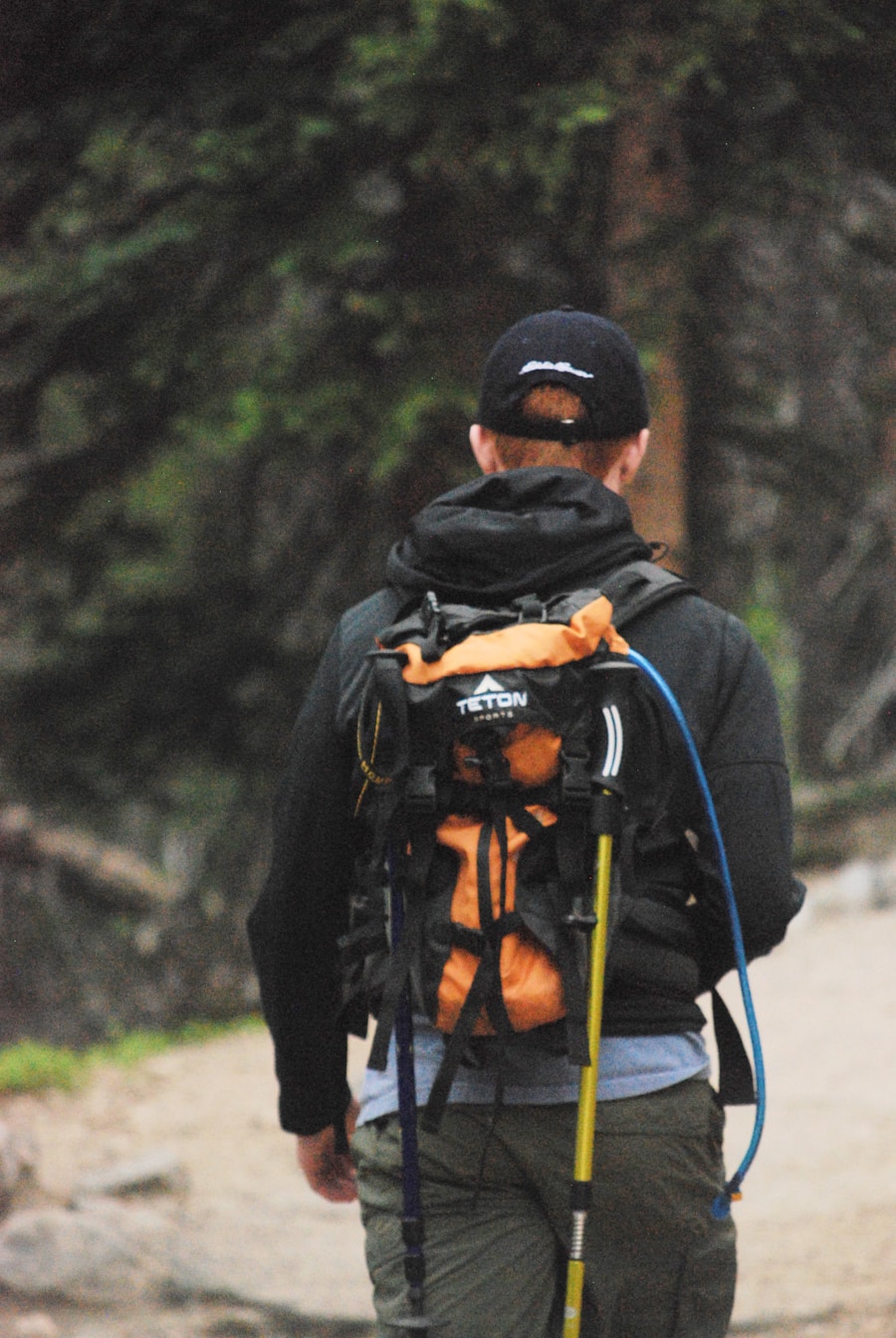
Having the right gear helps you deal with normal trail conditions as well as unexpected delays. Footwear is especially important. Choose hiking shoes or boots that fit well and provide enough traction, support, and protection for the terrain. Moisture-wicking socks made from wool or synthetic fibers can help manage moisture and reduce friction.
Clothing should match the expected weather while also allowing for changes. A moisture-wicking base layer, an insulating layer when temperatures warrant it, and a rain or wind shell give you more options than relying on one heavy garment. Avoid assuming that a warm trailhead means the entire hike will stay warm.
The Ten Essentials
The American Hiking Society and National Park Service recommend carrying a core set of emergency and preparedness items. Exact gear should still be adjusted for the route, climate, season, and trip length.
- Navigation: Map, compass, GPS, or another appropriate navigation system. Know how to use your tools.
- Appropriate footwear: Shoes or boots suited to the terrain.
- Water: Carry enough for the trip and know how you would obtain and safely treat additional water if your route requires it.
- Food: Bring enough energy-rich food for the planned hike plus extra for delays.
- Weather protection and insulation: Rain protection and extra layers appropriate to the season.
- Sun protection: Sunscreen, sunglasses, a hat, and protective clothing as conditions require.
- First aid: A small kit that you know how to use, including supplies for common problems such as blisters.
- Illumination: A headlamp or flashlight with sufficient power or spare batteries.
- Tools and emergency items: A knife or repair tool plus an appropriate signaling device such as a whistle.
- Emergency shelter and fire capability where appropriate: Carry emergency insulation or shelter and, where legal and suitable, a safe method of starting an emergency fire.
Warning: A smartphone is useful, but it should not be your only navigation or emergency plan. Batteries fail, phones break, and many trails have weak or no cellular service. Download offline maps before leaving and carry an appropriate non-electronic backup for remote routes.
Safety Tips for Hiking
| Safety Step | What to Do |
|---|---|
| 1. Plan your route | Know the distance, elevation, major junctions, hazards, and turnaround point. |
| 2. Check the weather | Review the forecast and official alerts immediately before leaving. |
| 3. Pack essential supplies | Carry navigation, water, food, layers, first aid, light, sun protection, and emergency gear. |
| 4. Wear suitable footwear and clothing | Match traction, protection, and layers to the terrain and weather. |
| 5. Stay on the intended route | Follow trail signs and avoid shortcuts that can cause erosion or lead you off course. |
| 6. Respect wildlife | Observe from a distance, never feed animals, and follow local wildlife rules. |
| 7. Eat, drink, and rest | Pace yourself and respond early to thirst, unusual fatigue, overheating, or illness. |
| 8. Watch your footing | Slow down around cliffs, loose rock, slippery surfaces, snow, water, and steep terrain. |
| 9. Carry a signaling method | A whistle, satellite communicator, or other suitable device can help during an emergency. |
| 10. Leave no trace | Pack out waste, protect natural features, respect wildlife, and be considerate of others. |
Leave a Trip Plan
Before leaving, tell a reliable person where you are going, your trailhead, route, vehicle information when useful, who is with you, and when you expect to return. Give that person clear instructions about when to raise concern if you fail to check in.
Do not rely on a social-media post as your only trip plan. Someone should know that they are responsible for noticing if you are overdue.
Plan for Water and Food
Water needs vary greatly with heat, humidity, altitude, body size, pace, pack weight, and terrain, so a single amount does not fit every hike. Research whether reliable water is available and carry enough for your route and conditions. Natural-looking water can contain organisms that cause illness, so do not assume a stream or lake is safe to drink untreated.
Bring food that is easy to eat on the trail and carry extra for an unexpected delay. On longer hikes, regular snacks may be easier to manage than waiting until you feel depleted.
Watch the Weather
Mountain, desert, canyon, and coastal weather can change quickly. Heat, thunderstorms, lightning, flash flooding, wind, cold rain, snow, and poor visibility can turn an otherwise easy route into a dangerous one.
Check official forecasts and trail alerts before the hike, but keep watching conditions after you start. If weather is deteriorating, the safest decision may be to turn around rather than trying to finish the planned route.
Warning: Do not enter flooded roads, washes, slot canyons, swift water, or other areas affected by flooding simply because the trail itself appears dry. Conditions upstream can create dangerous water with little warning.
Know the Signs of Altitude Illness
Higher elevations require additional caution, especially when you ascend faster than your body can acclimatize. According to the CDC Yellow Book, acute mountain sickness can include headache along with fatigue, dizziness, nausea, reduced appetite, or vomiting.
Gradual acclimatization reduces risk. Do not continue ascending when altitude symptoms are worsening. Severe symptoms, confusion, trouble walking normally, or breathing difficulty at rest require urgent attention and may make descent and emergency assistance necessary.
What to Do if You Become Lost or Injured
Stop before wandering farther from your known route. Stay calm, assess your location and supplies, and use your navigation tools to determine whether you can safely return to a confirmed point. If moving could make the situation worse, staying in a safe location can make you easier to find.
Use your whistle, phone, satellite device, or other signaling equipment when assistance is needed. In a life-threatening emergency, contact the appropriate emergency service as soon as communication is available. Preserve battery power and provide rescuers with the clearest location information you can.
Connecting with Nature on the Trail
Hiking gives you time to notice natural environments at walking speed. Forests, deserts, mountains, wetlands, grasslands, and coastal trails each have different plants, sounds, wildlife, geology, and weather patterns. Slowing down enough to notice those details can make even a familiar trail feel different from one visit to the next.
You can practice mindfulness simply by paying attention to what is happening around you: the feel of your footsteps, your breathing, changing light, bird calls, wind through vegetation, or the sound of moving water. This does not require turning a hike into a formal meditation session.
That connection can also encourage better stewardship. Protecting a trail is not limited to picking up litter. It includes avoiding shortcuts, respecting closures, leaving plants and rocks where they are, keeping wildlife wild, and reducing unnecessary disturbance.
Follow Leave No Trace Principles
The National Park Service’s Leave No Trace guidance summarizes seven widely used principles:
- Plan ahead and prepare.
- Travel and camp on durable surfaces.
- Dispose of waste properly.
- Leave what you find.
- Minimize campfire impacts.
- Respect wildlife.
- Be considerate of other visitors.
Note: Local regulations take priority over general recreation advice. Some areas require hikers to remain strictly on designated trails, prohibit fires, restrict pets, require food storage, or close sensitive areas seasonally.
Hiking Etiquette
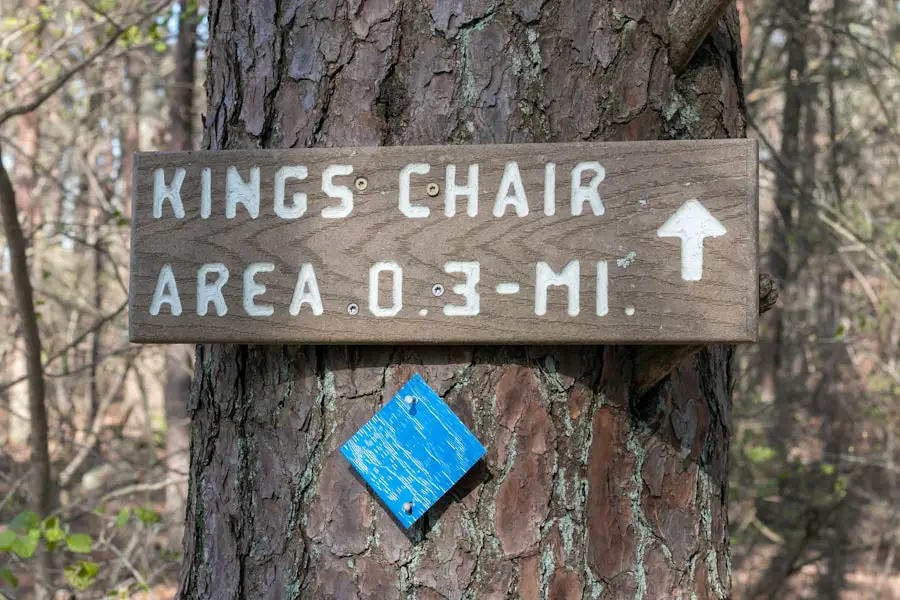
Good hiking etiquette reduces conflict and helps protect the trail. On many hiking trails, people descending generally yield to hikers traveling uphill because climbing hikers may be working to maintain their pace. However, posted signs and local rules always take priority.
Multi-use trails require extra awareness. The National Park Service hiking-etiquette guidance says hikers should yield to horses and other pack stock, while bicyclists generally yield to hikers and stock. When horses approach, stay calm, communicate with the rider, and follow the rider’s directions about where to stand.
Simple Trail Courtesy
- Stay to the side when taking a long break so others can pass.
- Announce yourself calmly before passing someone from behind.
- Keep groups together and avoid blocking the full width of the trail.
- Keep music and conversations at a level that does not dominate the experience of everyone nearby.
- Follow local rules for dogs and other pets.
- Do not cut switchbacks.
- Pack out your trash, food scraps, tissues, and other waste.
- Give people enough room near cliffs, crossings, and technical terrain.
Exploring Wildlife While Hiking
Seeing wildlife can be one of the most memorable parts of a hike. Birds, deer, mammals, reptiles, insects, and other animals are often easiest to observe when hikers move quietly and watch from a respectful distance.
Wild animals are unpredictable. Never approach an animal for a photograph, touch it, corner it, or attempt to feed it. Feeding wildlife can change natural feeding behavior and may encourage animals to approach people. The National Park Service advises visitors to never feed wildlife and give animals room.
Safe viewing distances and recommended behavior differ by species and location. Bear country, for example, may require food-storage equipment and specific encounter procedures that do not apply elsewhere. Check the official guidance for the land you are visiting before the hike.
Pro Tip: Binoculars or a zoom lens let you enjoy wildlife without closing the distance. If an animal changes its behavior because of your presence, give it more space.
Hiking as a Form of Exercise and Meditation
Hiking can combine aerobic exercise with periods of quiet attention. Climbing hills raises the physical demand, while uneven surfaces require balance and careful foot placement. The difficulty can be adjusted by choosing an easier route, carrying less weight, slowing the pace, or taking more breaks.
The mental side of hiking does not need to be complicated. Some hikers use the rhythm of walking and attention to their surroundings as a simple mindfulness practice. Focusing on breathing, foot placement, sounds, and scenery can provide a temporary break from phones, work, and other daily demands.
These experiences differ from person to person. Hiking should not be presented as a treatment for stress, anxiety, depression, or another medical condition, but physical activity and time outdoors can form part of a healthy routine for many people.
Start Gradually if You Are New to Hiking
For a first hike, choose a short route with modest elevation gain and a clearly marked trail. Walk at a pace that allows you to remain in control on uneven terrain. Take breaks before you are exhausted and pay attention to how your body responds during the outing and afterward.
As your fitness and trail skills improve, increase one challenge at a time. You might add distance, elevation, pack weight, or rougher terrain rather than increasing all of them at once. This makes it easier to understand what difficulty level is comfortable for you.
When traveling to a hiking destination, keeping electronics charged can be convenient during the airport or road-trip portion of the journey. The existing TakeTravelInfo guide to a carry-on suitcase with a USB charger may be useful for travel planning. On the trail, however, a charging feature should never replace offline navigation, backup navigation, emergency equipment, or a trip plan.
Love travel? Join Our Facebook Community For More Tips.
Frequently Asked Questions
What is hiking?
Hiking is walking for recreation, exercise, or exploration on trails or through natural environments. It can range from an easy paved nature path to a strenuous backcountry route with steep climbs and rough terrain.
What are the benefits of hiking?
Hiking provides physical activity that can support cardiovascular fitness, muscular endurance, balance, and healthy weight management. Time outdoors may also help reduce stress and improve mood for some people.
What equipment do I need for hiking?
At minimum, use suitable footwear and carry navigation, water, food, weather-appropriate layers, sun protection, first aid, illumination, and emergency supplies. The exact equipment should match the route, season, climate, altitude, and length of the hike.
What are some popular hiking destinations?
Popular hiking destinations include national parks, mountain ranges, coastal trails, forests, and long-distance paths around the world. Well-known examples include sections of the Appalachian Trail in the United States, Peru’s Inca Trail region, and hiking routes associated with sections of the Great Wall of China. Access rules, permits, and conditions can change, so check the responsible land manager or official tourism authority before traveling.
How do I prepare for a hiking trip?
Research the route, distance, elevation gain, terrain, weather, and official trail alerts. Pack the Ten Essentials, download any needed offline maps, leave a trip plan with someone, set a turnaround time, and make sure the route matches your fitness and experience.
What should I consider when choosing a hiking trail?
Consider distance, elevation gain, route type, footing, exposure, altitude, available daylight, forecast weather, water availability, closures, permits, and the experience of everyone in your group. Choose a route you can complete with a safety margin rather than one that pushes you to your absolute limit.
Should I rely on my phone while hiking?
No. A phone can provide offline maps, weather information, photographs, and communication where service exists, but it can lose signal, break, or run out of power. Remote hikers should carry navigation and emergency backups appropriate to the route.
When should I turn around on a hike?
Turn around when you reach your planned turnaround time or when worsening weather, fading daylight, navigation uncertainty, injury, unusual exhaustion, insufficient water, altitude symptoms, unsafe terrain, or another hazard makes continuing a poor choice.
Sources
- National Park Service — Hike Smart — trail planning, alerts, trip plans, weather, limits, and hiking preparedness.
- American Hiking Society — The Ten Essentials of Hiking — essential hiking equipment and preparedness.
- CDC — Health Benefits of Physical Activity for Adults — evidence-based physical-activity benefits.
- CDC — Benefits of Spending Time Outdoors — outdoor activity, sun protection, and vitamin D guidance.
- CDC Yellow Book — High-Altitude Travel and Altitude Illness — acclimatization and altitude-illness symptoms.
- National Park Service — Leave No Trace — the seven principles of responsible outdoor recreation.

