

Last Updated on July 25, 2026 by Daniel Globe
A five-star hotel is generally expected to deliver the highest level of comfort, service, facilities, and attention to detail within the rating system that evaluates it. However, there is no single worldwide checklist for earning five stars. Requirements vary between countries and organizations, so the rating body behind the stars matters almost as much as the number itself.
Quick Answer
A 5-star hotel typically combines luxury accommodations, exceptional cleanliness, extensive guest services, high-quality dining, thoughtful design, and highly personalized hospitality. There is no universal global standard, though. Organizations such as Hotelstars Union and Forbes Travel Guide use their own inspection criteria, while AAA uses a separate Five Diamond system.
Key Takeaways
- There is no single worldwide definition of a 5-star hotel; standards depend on the organization or country awarding the rating.
- Five-star status normally reflects a combination of excellent service, comfort, cleanliness, facilities, dining, and consistent attention to detail.
- Under the Hotelstars Union 2025–2030 system, a 5-star hotel must reach at least 610 points and satisfy 113 mandatory criteria.
- Forbes Travel Guide places especially strong emphasis on personalized service and evaluates hotels anonymously against hundreds of standards.
- Amenities such as spas, pools, Egyptian-cotton sheets, or Michelin-starred restaurants can add luxury, but they are not universal requirements for every 5-star hotel.
Disclosure: As an Amazon Associate I earn from qualifying purchases. Some links on this page are affiliate links, at no extra cost to you.
What Does a 5-Star Hotel Rating Actually Mean?
Hotel stars are meant to help travelers understand the level of facilities, comfort, and service they can expect. Five stars usually represent the highest standard within a traditional one-to-five-star classification system.
The important catch is that hotel stars are not governed by one worldwide authority. An official classification in one country may use different requirements from a rating in another. UN Tourism has documented both the similarities and differences among hotel classification systems around the world.
For example, the Hotelstars Union uses a harmonized classification system in its participating countries. Its current 2025–2030 framework assesses areas including reception and service, rooms, food and beverages, leisure facilities, quality management, and online activities.
By contrast, Forbes Travel Guide operates an independent luxury-rating program. Its anonymous inspectors assess properties against as many as 900 standards, and the system gives substantial weight to service and the way guests are treated throughout their stay.
Note: A star symbol shown on a booking website is not necessarily the same thing as an independently inspected official classification. Before paying a premium for a “5-star” property, check who awarded or supplied the rating.
Attention to Detail and Consistency
Attention to detail is one of the clearest differences between an ordinary hotel stay and a true top-tier hospitality experience. It affects much more than expensive furniture or an impressive lobby. Guests notice how smoothly the entire stay works, from booking and arrival to housekeeping, dining, problem resolution, and departure.
A luxury property may use carefully coordinated architecture, furniture, lighting, artwork, scent, and music to create a consistent atmosphere. Those details can make the hotel feel distinctive rather than simply expensive.
The same principle applies to service. Staff may remember a returning guest’s preferred room, know that a guest requested an extra pillow, or provide useful recommendations based on the purpose of the trip. The goal is not theatrical luxury for its own sake. It is a stay in which the details feel considered and problems are handled quickly.
Consistency matters as much as any single impressive moment. AAA, for example, identifies consistency as one of the core areas assessed in its Diamond program, alongside cleanliness, comfort, and cuisine.
Luxurious and High-Quality Amenities
Five-star hotels are usually associated with high-quality rooms and extensive amenities, but there is no worldwide rule requiring a particular mattress brand, thread count, shower type, or toiletry label.
Features such as Egyptian-cotton bedding, high-thread-count sheets, down pillows, memory-foam mattresses, pillow menus, blackout curtains, robes, slippers, premium toiletries, large showers, soaking tubs, or heated towel rails can make a room feel more luxurious. They should be viewed as examples of premium comfort rather than a universal five-star checklist.
Official systems can be much more specific. Under the Hotelstars Union 2025–2030 criteria, five-star classification includes mandatory service requirements such as a 24-hour staffed reception, a dedicated concierge or guest-relations function, luggage service, and turndown service. The same catalogue also evaluates room comfort, bathroom equipment, food and beverage service, and many other details.
Spa facilities are common in luxury resorts, but they are not automatically required everywhere. In the Hotelstars Union system, facilities such as gyms, treatment rooms, saunas, and swimming pools can earn classification points without functioning as a universal requirement for every five-star property.
Pro Tip: When comparing luxury hotels, look beyond the star count. Check the exact amenities that matter to you, such as a pool, spa, accessible room, airport transfer, 24-hour dining, family facilities, or club lounge.
Impeccable Service and Hospitality

Service is one of the most important elements of a five-star experience. A beautiful building alone does not guarantee a top rating. Staff must be professional, knowledgeable, responsive, and capable of handling requests without making the guest repeatedly chase for help.
Forbes Travel Guide makes this distinction especially clear. Although its inspectors assess both facilities and service, its rating system emphasizes service because the quality of the human interaction can determine how a stay feels.
That can include a warm arrival, efficient luggage assistance, useful concierge support, discreet housekeeping, accurate room-service orders, quick responses to maintenance problems, and staff who communicate clearly across departments.
Personalized service can go further. A hotel may recognize a birthday or anniversary, remember a returning guest’s preferences, prepare an appropriate room before arrival, or suggest activities that match the guest’s interests. Good personalization should feel helpful rather than intrusive.
Products Worth Considering
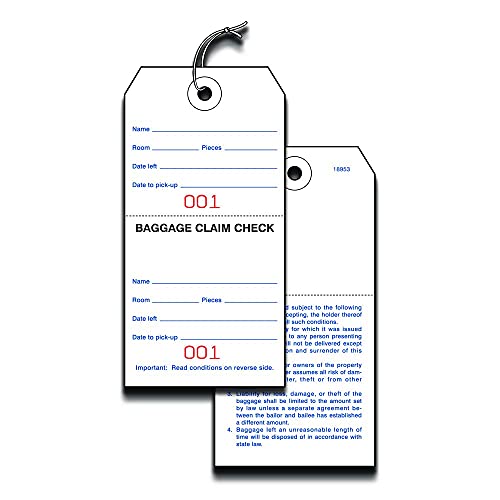
Designed for hotel front desk, bell desk, concierge, valet, and guest luggage management operations. These numbered luggage claim tags help hotels and hospitality teams...
Exceptional Dining and Culinary Experience
Food and beverage service is another important part of many luxury-hotel classifications. Depending on the rating system, assessors may consider breakfast service, restaurants, bars, in-room beverages, room service, menu availability, staff knowledge, presentation, and consistency.
| Area | What Top-Tier Assessments May Examine |
|---|---|
| Food and beverage | Availability, range, quality, presentation, and consistency of the hotel’s food and drink service. |
| Breakfast | Choice, service level, dietary options, and whether the offering matches the hotel’s claimed standard. |
| In-room service | Availability, ordering experience, timing, accuracy, presentation, and beverage service where applicable. |
| Restaurant experience | Staff knowledge, atmosphere, food quality, cleanliness, and the overall standard of hospitality. |
| Consistency | Whether high standards are maintained throughout the stay rather than appearing only in isolated moments. |
Some luxury hotels collaborate with well-known chefs, offer farm-to-table menus, provide chef’s tables, or run cooking experiences. These can make a stay more memorable, but none should be treated as a universal condition for receiving five stars.
A Michelin-starred restaurant is also a separate distinction. A hotel does not automatically become a five-star hotel because its restaurant has culinary awards, and a five-star hotel does not necessarily contain a Michelin-starred restaurant.
Products Worth Considering

【Luxury Modern Design】17-inch modern crystal chandelier features an elegant multi-layer design with cascading crystal prisms and polished chrome finish. The round silhouette and architectural-inspired structure create a stunning statement piece that adds sophistication to any upscale space.


DIVERSIFIED HOSPITALITY Terra Pure Green Tea Body Bar Soap, ideally designed and packaged for use in Hotel, VACATION RENTAL (Hotel &VRBO), Motel, Bed and Breakfast, Guest Room, and more to provide GREAT LOOKING hospitality service.
Thoughtful and Personalized Guest Experience
Personalization is a defining characteristic of many high-end hospitality experiences. Rather than giving every traveler exactly the same treatment, staff can adapt the stay around reasonable preferences and needs.
A hotel may record preferences such as pillow type, room location, dietary requirements, or preferred housekeeping times so that a returning guest does not have to make the same request again. Some properties also use pre-arrival communication to arrange transfers, restaurant reservations, children’s equipment, celebrations, accessibility needs, or itineraries.
The strongest personalization is practical. It saves the guest time and removes friction. A concierge who provides recommendations suited to a guest’s interests is more useful than one who simply hands everyone the same tourist brochure.
This high level of attention also explains why staffing matters. Luxury service often requires enough trained employees to respond promptly throughout the hotel, even though there is no universal worldwide staff-to-guest ratio that defines five-star status.
Stunning Design and Ambiance
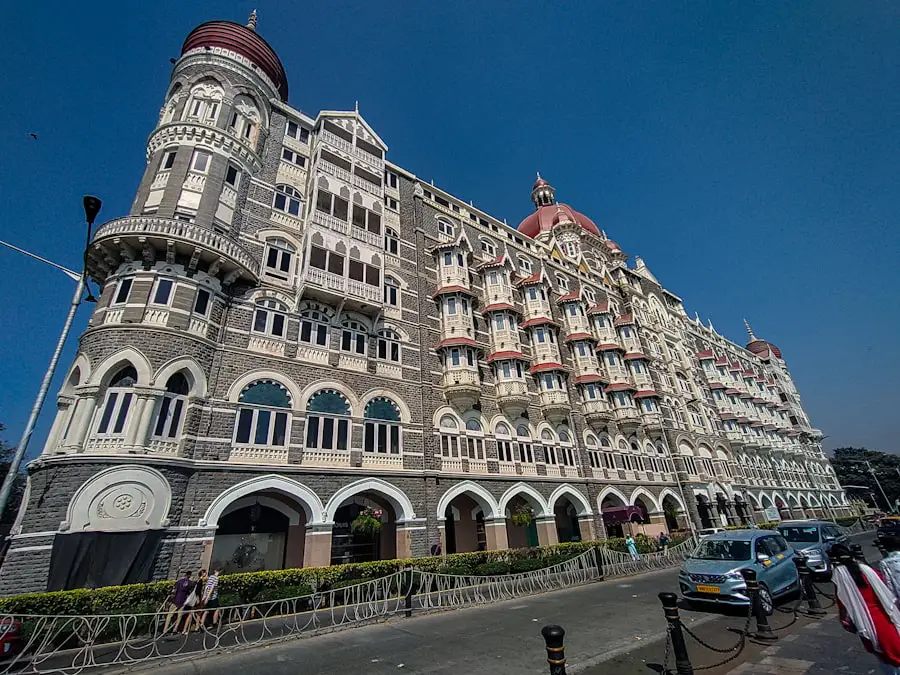
Design influences how guests experience a hotel, but five-star quality is not limited to one decorative style. A historic palace, contemporary city tower, secluded resort, and minimalist boutique property can all approach luxury differently.
What matters is the quality and condition of the spaces. Furniture should be comfortable and well maintained. Lighting should suit the purpose of each room. Public areas should feel intentional rather than neglected, and the hotel’s architecture and interiors should support both appearance and function.
The Hotelstars Union criteria explicitly consider the hotel’s overall impression, including the quality and harmony of furnishings, while Forbes Travel Guide evaluates the sense of luxury alongside guest comfort and service.
Outdoor spaces can also contribute to the experience. Terraces, gardens, beaches, courtyards, and views may become major features of a resort or city hotel, but they are property-specific advantages rather than universal five-star requirements.
Commitment to Cleanliness and Maintenance
Luxury loses its meaning quickly when rooms are dirty or equipment does not work. Cleanliness and maintenance are therefore basic foundations of a high-quality hotel rather than optional extras.
The Hotelstars Union’s current criteria treat cleanliness and hygiene as prerequisites across all star categories. They also require hotel furniture, fittings, equipment, and infrastructure to be properly maintained and functional. AAA similarly includes cleanliness among the four core areas checked during its Diamond inspections.
Under the Hotelstars Union 2025–2030 system, a five-star hotel must satisfy 113 mandatory criteria and earn at least 610 points.
For guests, this means paying attention to much more than whether a room looks attractive in photographs. Bathrooms, bedding, public spaces, elevators, climate control, lighting, furniture, and other facilities should all be clean, functional, and maintained to the standard promised by the property.
Modern hotels may choose particular sanitation technologies or cleaning equipment, but no single technology such as UV-C treatment or electrostatic spraying universally determines whether a hotel qualifies for five stars.
Sustainability and Environmental Responsibility
Sustainability is becoming more visible in luxury-hotel assessment, but practices and requirements differ between rating systems.
Hotels may reduce waste, improve energy efficiency, manage water consumption, reduce unnecessary single-use items, source ingredients locally, measure their carbon footprint, or seek recognized environmental certification. These measures can reduce environmental impact without lowering the level of guest comfort.
The current Hotelstars Union catalogue includes points related to sustainability certification and hotel carbon-footprint reporting. Forbes Travel Guide also states that sustainability and wellness considerations factor into its overall assessment.
Luxury properties may also support their destination by working with local suppliers, craftspeople, guides, or food producers. Done well, these partnerships can give guests a stronger connection to the place while directing more tourism spending into the surrounding community.
How Major Hotel Rating Systems Compare
Because there is no universal hotel-star standard, the organization behind a rating is essential context. Three widely recognized systems illustrate how different approaches can lead to similar ideas about top-tier hospitality.
| Rating System | Top Hotel Level | How It Works |
|---|---|---|
| Hotelstars Union | 5 Stars | Uses published mandatory criteria and a points system covering service, rooms, food and beverages, leisure, quality management, and other areas. Five stars require at least 610 points and 113 mandatory criteria under the 2025–2030 catalogue. |
| Forbes Travel Guide | Five-Star | Uses anonymous professional inspectors and evaluates properties against as many as 900 standards. Service receives particular emphasis, and hotel inspections involve stays of at least two nights. |
| AAA Diamond Program | Five Diamond | Uses professional inspections rather than stars. Current evaluations emphasize cleanliness, comfort, cuisine, and consistency, and Five Diamond inspections include an overnight stay. |
What a 5-Star Rating Does Not Automatically Guarantee
A five-star rating can set expectations, but travelers should avoid assuming that every top-rated hotel has an identical list of facilities.
- A spa or swimming pool: These are common luxury amenities, especially at resorts, but they are not universal requirements across every classification system.
- A Michelin-starred restaurant: Restaurant awards and hotel-star classifications are separate systems.
- A specific sheet thread count or mattress brand: Comfort and quality matter, but there is no single worldwide bedding specification.
- A particular room size: Some classification systems have detailed room criteria, while others place more weight on the overall experience.
- Perfect guest reviews: Professional classification and customer-review scores measure different things.
- The same experience in every country: A five-star rating should be interpreted within the system that issued it.
The same caution applies to labels such as “six-star” or “seven-star.” The major systems discussed above top out at five stars or five diamonds, so higher-number marketing descriptions should not be mistaken for an additional level within those systems.
How Is a 5-Star Hotel Different From a 4-Star Hotel?
Both four-star and five-star hotels can be luxurious. The difference usually lies in the breadth, availability, personalization, and consistency of service rather than one dramatic amenity.
A four-star hotel may have excellent rooms, a restaurant, concierge help, fitness facilities, and high-quality design. At the five-star level, a rating system may demand more extensive service hours, additional staffing functions, more personalized guest care, and a higher overall threshold across multiple categories.
Hotelstars Union provides a useful concrete example. Its current system requires at least 410 points and 91 mandatory criteria for four stars, compared with 610 points and 113 mandatory criteria for five stars. That does not mean every country uses those numbers, but it shows why the step from four to five stars involves more than adding expensive decor.
How to Check Whether a Hotel Is Really 5-Star
Before booking an expensive luxury stay, take a few minutes to investigate what the five-star label represents.
- Identify the source of the rating. Look for the organization, tourism authority, or classification body that awarded the stars.
- Check the rating body’s own website when possible. An independently listed or certified property gives you stronger evidence than a marketing claim alone.
- Review the actual facilities. Confirm that the hotel provides the services that matter to your trip instead of assuming every five-star property has them.
- Read recent guest feedback separately. Formal star classifications describe standards and facilities, while reviews can reveal how consistently the hotel delivers them in practice.
- Check recent photographs and renovation information. A rating does not make every room identical, particularly in older or historic properties.
Note: Hotel amenities and personal travel gear are different things. Some high-end properties provide dental products on request, but travelers who prefer their own can consult our best travel toothbrush guide. For hiking or wildlife excursions, our compact binoculars for hiking guide covers another useful packing option. Neither item determines a hotel’s star rating.
Frequently Asked Questions
What are the criteria for a hotel to be considered 5-star?
There is no universal worldwide checklist. Criteria depend on the organization or jurisdiction awarding the rating. Common areas include cleanliness, room comfort, reception and concierge service, food and beverages, maintenance, guest care, and the consistency of the overall experience. Hotelstars Union, for example, uses mandatory criteria plus a points system, while Forbes Travel Guide uses anonymous inspections covering hundreds of standards.
What are some common features of a 5-star hotel?
Typical features include high-quality rooms, excellent housekeeping, extensive reception and concierge service, luggage assistance, refined food and beverage options, premium bathroom amenities, thoughtful design, and highly personalized service. Specific features vary by property and rating system.
How is the service at a 5-star hotel different from other hotels?
Five-star service is generally more extensive, responsive, and personalized. Guests may have access to around-the-clock reception, concierge or guest-relations staff, luggage service, turndown service, and more proactive assistance. The exact requirements depend on the rating system.
What types of amenities can be found at a 5-star hotel?
Five-star properties may offer restaurants and bars, room service, concierge assistance, premium bedding, robes and slippers, minibars, fitness facilities, spas, pools, valet parking, business facilities, or private transfers. Not every amenity is mandatory in every rating system, so guests should check an individual hotel’s facilities before booking.
Are there different rating systems for 5-star hotels in different countries?
Yes. Hotel classification varies between countries and rating organizations. Hotelstars Union provides harmonized criteria across participating countries, Forbes Travel Guide operates its own international luxury-rating system, and other countries or organizations maintain separate standards. AAA uses Diamonds rather than stars.
Does every 5-star hotel need a spa and swimming pool?
No. Spas and pools are common at luxury resorts, but they are not universal five-star requirements. Some systems award points for leisure and wellness facilities while allowing hotels to reach the top category through a broader combination of required services and other qualifying features.
What is the difference between a 4-star and 5-star hotel?
The difference usually involves a higher overall service level, more extensive availability, additional personalized assistance, and stricter quality thresholds. Under Hotelstars Union’s 2025–2030 system, for example, four stars require at least 410 points and 91 mandatory criteria, while five stars require at least 610 points and 113 mandatory criteria.
Are 6-star and 7-star hotels official rating categories?
Not within the major systems discussed here. Hotelstars Union and Forbes Travel Guide top out at five stars, while AAA’s highest hotel designation is Five Diamond. Hotels described as six- or seven-star are therefore not receiving an additional category from those rating systems.
Sources
- Hotelstars Union — What Does Star-Rated Hotel Mean? — explains official hotel classification, the five-star scale, inspections, and current criteria framework.
- Hotelstars Union — Classification Criteria 2025–2030 — supports current mandatory criteria, service requirements, amenities, and minimum point thresholds.
- Forbes Travel Guide — Rating Methodology — explains anonymous inspections, the use of up to 900 standards, minimum hotel-stay length, and the emphasis on service.
- AAA — 2026 Diamond Program — supports the Five Diamond designation, inspection process, overnight assessment, and the four Cs of cleanliness, comfort, cuisine, and consistency.
- UN Tourism — Hotel Classification Systems — documents similarities and differences among international four- and five-star classification systems.
