

Last Updated on August 22, 2026 by Ethan Caldwell
You need an oversize or overweight permit when your vehicle or load exceeds the legal size or weight limits set by the jurisdictions on your route. Before crossing state, county, or city lines, measure your load, confirm permit requirements, prepare your documents, and choose a route that can legally handle your shipment.
Quick Answer
An oversize load permit allows you to move cargo that exceeds normal legal limits for width, height, length, or weight. Requirements vary by state and local authority, so you must check every jurisdiction along your route before traveling.
Key Takeaways
- Measure width, height, length, and axle weight before applying.
- Check every state and local jurisdiction on your route.
- Prepare DOT information, vehicle details, insurance, and freight specifications early.
- A legal route is not always the shortest route; clearance and restrictions matter.
At a Glance
| Time Required | Varies by route, load, and permit authority |
| Difficulty | Moderate; requires accurate measurements and planning |
| Tools Needed | Load measurements, vehicle details, route maps, permit applications |
| Cost | Depends on jurisdiction, load type, and permit duration |
Disclosure: As an Amazon Associate I earn from qualifying purchases. Some links on this page are affiliate links, at no extra cost to you.
Check Whether You Need a Permit

Before you travel, check whether your shipment requires a permit. A permit is generally needed when your cargo exceeds legal limits for weight, width, height, or length. The exact limits depend on the state and local authorities involved.
Start by recording your load measurements and matching them with the permit rules for every part of your route. Some trips require state approval, while others may require additional city or county permissions. Never assume one permit covers every road you plan to use.
Warning: A permit does not automatically make every road legal for your load. Always confirm route restrictions, bridge limits, and clearance requirements before departure.
Choose a Permit-Friendly Route
The best route for an oversized load is the one that keeps your shipment legal and safe. A shorter road may create problems if it has low bridges, narrow lanes, weight restrictions, or local permit requirements.
| Route Check | Why It Matters |
|---|---|
| State boundaries | Permit rules may change. |
| Bridge clearances | Prevents height-related delays. |
| Road restrictions | Avoids illegal or unsafe segments. |
| Approved corridors | Can simplify travel planning. |
Pro Tip: Plan your route before submitting your permit application. Accurate routing information can prevent approval delays and unexpected changes.
Identify the Permits Your Trip Requires
Measure your load weight and dimensions first because those details determine the permits you may need. Oversize permits usually address dimensions such as width, height, and length, while overweight permits focus on vehicle or axle weight limits.
Some shipments may require special approvals because of unusual dimensions, heavy weights, or route conditions. Check each jurisdiction separately because permit categories, fees, and approval processes differ.
Gather the Documents That Speed Approval
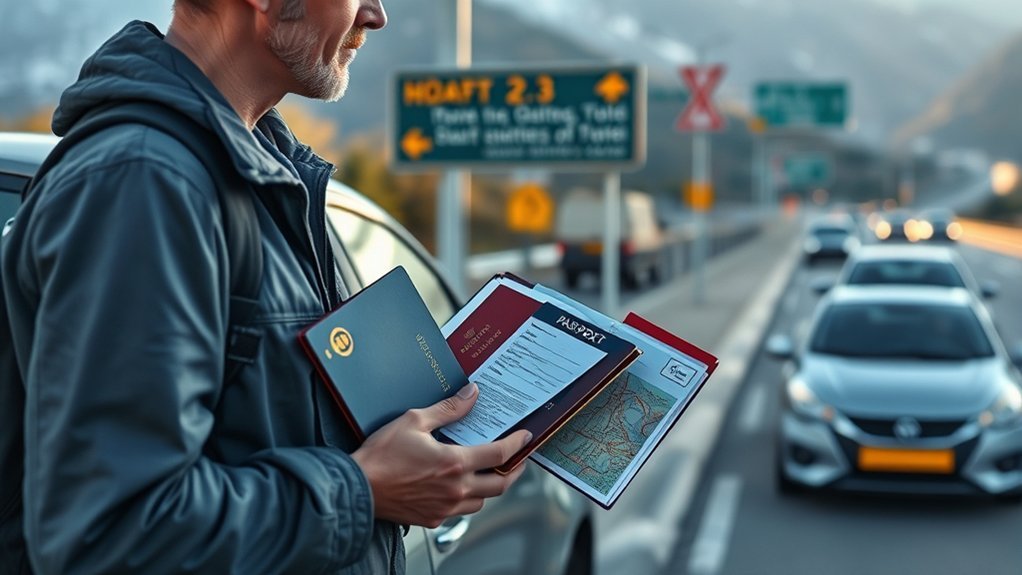
Prepare your paperwork before applying. Most permit applications require accurate carrier information, vehicle details, and shipment specifications.
- DOT number and carrier information
- Truck and trailer specifications
- Load weight and dimensions
- Origin, destination, and planned route
- Insurance and registration information when required
Avoid Common Permit Delays
Many permit delays happen because of incorrect measurements, incomplete applications, or routes that do not match the shipment details. Review your paperwork carefully before submission and confirm every jurisdiction involved.
Keep records organized, maintain accurate vehicle information, and update your route plan if conditions change. Careful preparation reduces avoidable problems during transport.
Frequently Asked Questions
Do all oversized loads need a permit?
Most loads that exceed legal size or weight limits require permits, but the exact requirements depend on the jurisdiction and the type of load.
What information is needed for a permit application?
You typically need carrier details, vehicle specifications, load measurements, and route information. Requirements vary by permitting authority.
Are escort vehicles always required?
Escort requirements depend on load size, route, and jurisdiction rules. Confirm requirements before traveling.
How do you get an oversize load permit?
Apply through the appropriate state or local permitting authority, provide the required shipment information, and follow the approved route instructions.
Conclusion
Crossing jurisdictions with an oversized load requires careful preparation. Check permit rules early, measure your shipment accurately, select a suitable route, and organize your documents before departure. Good planning helps reduce delays and keeps your transport operation compliant from start to finish.
Sources
- Iowa Department of Transportation Oversize/Overweight Permits — permit requirements and application guidance.
- Iowa DOT Permit Requirements — size and weight limit guidance.
- Iowa DOT Permit Types — examples of permit categories and route requirements.
