
Last Updated on September 11, 2026 by Daniel Globe
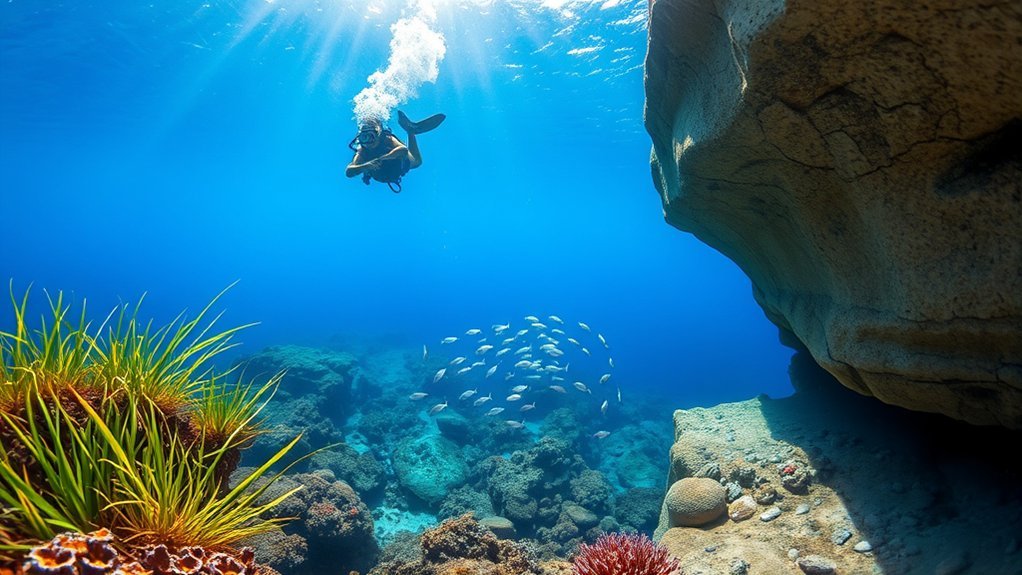
Koh Yao Yai can be a convenient base for exploring Shark Point, Anemone Reef, Koh Doc Mai, and the King Cruiser Wreck without the long boat journeys common from Phuket. Conditions at these offshore sites can still include current, depth, and limited visibility, so the best site depends on your certification, recent experience, weather, and the dive operator’s assessment.
Quick Answer
Koh Yao Yai is a useful diving base because the closest offshore sites are often about 20 to 25 minutes away by speedboat. Certified divers can join reef, pinnacle, wall, and wreck trips, but currents and depth vary. Confirm your certification, recent-dive history, group ratio, equipment, insurance, and daily conditions before booking.
Key Takeaways
- Shark Point and Anemone Reef offer colorful pinnacle diving, but current can change their difficulty.
- Koh Doc Mai is known for wall diving and small marine life, while King Cruiser is the most demanding major site.
- Elixir Divers currently advertises four-hour, two-dive speedboat trips with 4–12 divers aboard and a maximum guide ratio of 1:4.
- The Andaman coast usually has its best overall diving conditions from October through April, but the daily forecast and tide matter more than the month alone.
- Wildlife sightings are never guaranteed, and your certification, recent experience, and medical fitness should guide every booking.
Warning: This guide provides general travel and diving information. It does not replace your certification training, dive computer, instructor, operator briefing, or medical advice. Never enter an overhead environment or exceed the limits of your training and recent experience.
Disclosure: As an Amazon Associate I earn from qualifying purchases. Some links on this page are affiliate links, at no extra cost to you.
Why Dive Koh Yao Yai?
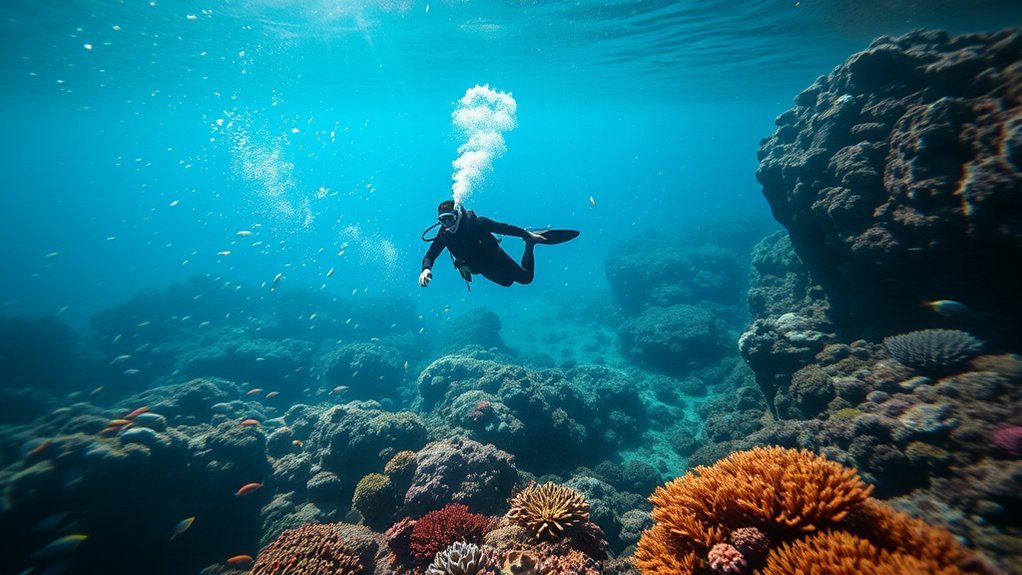
Koh Yao Yai sits between Phuket and Krabi, near several established dive sites in the southern Andaman Sea. Its main advantage is shorter access to the closest sites. Elixir Divers currently describes trips of about four hours, including two dives and roughly 20 to 25 minutes of speedboat travel to the nearest dive areas.
A shorter boat ride can reduce travel fatigue and leave more time for equipment checks, briefings, surface intervals, and post-dive rest. It does not guarantee more bottom time. Your actual dive duration depends on gas supply, depth, current, no-decompression limits, the group plan, and the guide’s instructions.
The area also offers useful variety. You can explore pinnacles at Shark Point and Anemone Reef, a limestone wall at Koh Doc Mai, or the deeper King Cruiser Wreck. That variety is valuable when your experience and certification match the chosen site.
Note: Short boat access should not be confused with easy diving. Offshore current, depth, surface conditions, and boat traffic can make a nearby site unsuitable for an inexperienced or inactive diver.
Best Dive Sites Near Koh Yao Yai
The best site is not always the most famous one. Choose according to your certification, comfort in current, recent dive history, maximum planned depth, and the operator’s assessment of the day’s conditions.
| Dive Site | Main Features | Conditions and Experience |
|---|---|---|
| Shark Point | Several pinnacles with soft coral, sea fans, reef fish, and possible leopard-shark sightings. | Depth can reach about 24 meters. North-south current may affect the route and entry point. |
| Anemone Reef | A submerged pinnacle covered with anemones, soft coral, snapper, barracuda, and smaller reef species. | The top begins at about 5 meters. It may be manageable in mild conditions but challenging when current increases. |
| Koh Doc Mai | Limestone walls, cracks, overhangs, sea fans, nudibranchs, seahorses, moray eels, and other macro life. | Often treated as an intermediate wall or drift dive. Current can range from mild to strong. |
| King Cruiser Wreck | A passenger ferry that sank in 1997 and now supports schools of fish and marine growth. | The deepest and most demanding option. Advanced, deep, wreck, or other experience may be required. |
Shark Point
PADI’s Shark Point guide describes a group of pinnacles east of Phuket. The northern pinnacle reaches the surface, while the deeper sections can extend to about 24 meters. Current commonly runs north or south, so the guide may change the starting point and route.
Despite its name, Shark Point does not guarantee a shark sighting. Leopard sharks have historically been associated with the site, but reef fish, soft coral, sea fans, moray eels, lionfish, and smaller creatures may be more dependable subjects.
Anemone Reef
Anemone Reef is a submerged pinnacle whose top is roughly 5 meters below the surface. Its shallow areas are covered with anemones, while the deeper structure supports soft coral, sea fans, schooling snapper, barracuda, scorpionfish, groupers, and smaller marine life.
The site is often paired with Shark Point. Elixir Divers says it schedules departures around the tide when possible because current can change the difficulty. Maintain close control of your depth, position, and buoyancy instead of drifting away from the group while taking photographs.
Koh Doc Mai
Koh Doc Mai is a limestone wall dive with cracks, caves, and overhangs. Divers often search the wall for nudibranchs, ghost pipefish, frogfish, seahorses, moray eels, shrimp, and bamboo sharks. Larger schools may pass away from the wall.
Current can make the dive feel like a drift. Stay on the agreed side of your guide, watch your depth, and avoid entering cracks or overhead areas unless your training and the dive plan specifically permit it.
King Cruiser Wreck
The King Cruiser was a passenger ferry that sank in 1997 after striking Anemone Reef. It is now a large artificial reef, but deteriorating metal, fishing line, current, depth, sharp surfaces, and restricted spaces create additional risk.
PADI warns that some or all of the site may require training and experience beyond basic certification. Remain outside the wreck unless you have the appropriate wreck or overhead-environment training, equipment, gas plan, and direct authorization within the dive plan.
Warning: Do not book King Cruiser only because it is famous. Ask the operator about expected depth, current, descent method, minimum certification, recent-dive requirements, and whether the plan involves any overhead area.
Best Time to Dive Koh Yao Yai
The Andaman side of Thailand generally offers its most favorable diving conditions from October through April. PADI’s Thailand guide describes warm water throughout the year, with the west-coast season usually strongest during these drier months.
That seasonal pattern is not a guarantee. Rain, wind, tide, current, plankton, runoff, and boat traffic can change visibility and surface conditions within hours. The green season may still offer diveable days, while a dry-season day may still be rough.
- October through April: Often the best overall period for calmer Andaman conditions.
- May through September: More rain, wind, and changing sea conditions are possible.
- Any month: Ask for the actual site forecast and tide plan rather than relying only on a seasonal average.
Pro Tip: Keep one flexible day in your itinerary. A reputable operator may change the departure time, switch sites, postpone the trip, or cancel when the current, weather, or minimum participant number is unsuitable.
What Marine Life Koh Yao Yai Offers
The offshore reefs and walls near Koh Yao Yai support a mix of coral, anemones, reef fish, schooling fish, and smaller macro species. Possible larger encounters include leopard sharks, bamboo sharks, reef sharks, turtles, barracuda, and trevally, but no animal should be treated as guaranteed.
Your best approach is to enjoy the site that appears on the day. Maintain neutral buoyancy, keep your fins away from the reef, and allow animals to choose their own path.
Coral Reefs and Fish
Shark Point and Anemone Reef are known for colorful soft coral, sea fans, anemones, snapper, fusiliers, sweetlips, moray eels, clownfish, parrotfish, damselfish, and other reef species. Koh Doc Mai adds wall-dwelling life such as nudibranchs, seahorses, ghost pipefish, shrimp, and small moray eels.
- Approach the reef slowly and keep your equipment secured.
- Stay off the bottom unless the guide identifies a safe sandy area.
- Do not hold coral to stabilize yourself.
- Never collect shells, coral, or marine life.
Sharks and Turtles
Sharks and turtles may appear around southern Thailand’s reefs, but sightings vary by season, site, time, and chance. Shark Point is historically associated with leopard sharks rather than guaranteed blacktip or whitetip reef sharks.
If you see a shark or turtle, remain calm and give it room. Do not chase it, block its route, touch it, feed it, or descend directly over it. Let the animal decide how close it is willing to remain.
Responsible Diving in the Andaman Sea
A colorful reef should not be used as proof that an ecosystem is free from stress. Coral reefs can be affected by warming water, storms, pollution, anchors, fishing activity, careless fin contact, and heavy visitor use.
For underwater photography, establish stable buoyancy before using a camera. Green Fins guidance recommends avoiding contact with the seabed and coral, limiting disruptive flash use, and moving away when an animal shows signs of stress.
The best wildlife encounter is one in which the animal can continue its normal behavior after you leave.
Why Choose Elixir Divers
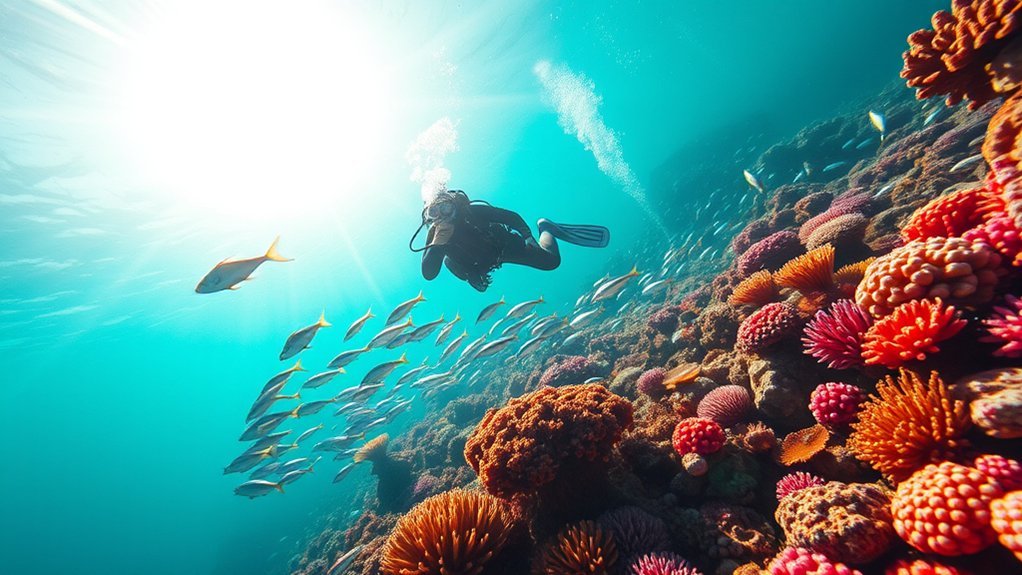
Elixir Divers is a PADI dive center based on Koh Yao Yai. Its current website advertises four-hour, two-dive speedboat trips, Apeks regulators, tide-based departure planning, 4–12 divers aboard, and a maximum ratio of one guide for four divers. It also says an additional instructor may be used for beginners.
The operator reports that it was founded in 2006 and has extensive local experience. Treat experience totals and similar figures as operator-provided information rather than independently verified performance measures.
| Feature | Current Published Detail | What You Should Confirm |
|---|---|---|
| Group arrangement | 4–12 divers aboard, with a maximum 1:4 guide ratio. | Your actual group size and whether divers are separated by experience. |
| Trip format | About four hours with two dives at selected nearby sites. | The chosen sites, departure time, surface interval, and return time. |
| Equipment | Full rental sets and Apeks regulators are advertised. | Fit, condition, dive-computer availability, tank size, and any rental fee. |
| Boat | A custom aluminum speedboat with a marine toilet and entry platforms. | Shade, drinking water, oxygen, first-aid equipment, and emergency communication. |
Note: Operator prices, equipment inclusions, transfer fees, group sizes, and cancellation terms can change. Confirm the complete written price before paying, especially whether rental equipment, dive computer, insurance, hotel transfer, and marine fees are included.
How Koh Yao Yai Diving Trips Work
You normally begin by providing your certification level, number of logged dives, date of your most recent dive, equipment sizes, medical information, and hotel details.
The operator then selects the departure time and sites according to tide, weather, current, certification, participant experience, and operational needs. A two-tank itinerary usually includes a briefing, equipment check, first dive, surface interval, second dive, and return to the island.
Do not assume that the site shown during booking is guaranteed. Responsible operators may substitute or cancel a site when the conditions do not match the group.
Booking and Departure
Book early during the drier season, but keep your schedule flexible. Provide accurate information about your certification and recent experience. Hiding a long period of inactivity can place you, your buddy, and the guide at unnecessary risk.
Before paying, ask the operator to confirm:
- The planned dive sites and minimum certification.
- The maximum expected depth and current.
- The diver-to-guide ratio for your group.
- Whether a refresher is required.
- Which equipment is included and whether a dive computer is available.
- Whether hotel transfer, drinks, fruit, insurance, and fees are included.
- The cancellation and weather-change policy.
- The emergency oxygen, first-aid, communication, and evacuation arrangements.
Arrive at least 30 minutes before the confirmed departure unless the operator gives you a different check-in time. Bring your certification card, logbook or digital record, swimwear, towel, sun protection, reusable water bottle, and any personal equipment you rely on.
Dive Trip Format
Elixir Divers currently describes dives of approximately 50 minutes or until the agreed reserve pressure is reached, followed by about a one-hour surface interval. That is an operator itinerary, not a personal guarantee. A guide may end your dive sooner because of gas consumption, depth, current, cold, separation, equipment concerns, or no-decompression limits.
During the briefing, listen for:
- Maximum depth and planned route.
- Entry and exit procedures.
- Current direction and separation procedure.
- Minimum gas reserve and turn pressure.
- Ascent rate and safety-stop plan.
- Surface-marker buoy procedure.
- Boat pickup signals.
- Lost-buddy and emergency procedures.
Pre-Dive Equipment Check
Complete a full buddy check before every entry, even when staff assembled the equipment. Confirm that the cylinder is open, the regulator breathes correctly, the BCD inflates and dumps, weights are secure and releasable, gauges work, hoses are routed safely, and your alternate air source is easy to reach.
Turn on your dive computer before entering the water. Confirm the correct gas setting, battery status, units, altitude setting if applicable, and that it has recorded all earlier dives in the series.
Diving Koh Yao Yai for Beginners
Koh Yao Yai can work for a newer diver when the site, current, depth, guide ratio, and trip plan match that diver’s training. It is inaccurate to describe every nearby site as calm or beginner-friendly.
Certified Open Water divers may be accepted for selected recreational trips, but the operator can require a refresher, private guide, or different site when recent experience is limited. Elixir Divers currently states that its standard fun dives require Open Water certification and that divers without a sufficiently recent logged dive may need refresher training.
If you are not certified, choose a recognized introductory experience or certification course rather than joining a normal fun-dive group. A Discover Scuba Diving experience has direct supervision and strict limits, but it is not a certification.
- Practice mask clearing, regulator recovery, hovering, and controlled ascent before the trip.
- Tell the guide if you are uncomfortable with current, negative entries, deep water, or boat exits.
- Do not carry a camera until you can maintain depth and position without using your hands.
- Choose an easier site instead of trying to keep up with a more experienced group.
Pro Tip: Complete your refresher before the holiday when possible. You can then correct equipment or skill problems in a pool or familiar local site instead of using vacation time and an offshore dive to relearn them.
Koh Yao Yai Dive Safety
Good dive safety begins before you board the boat. You need a realistic plan for depth, gas, decompression exposure, current, surface conditions, equipment failure, separation, illness, and evacuation.
Dive Computer and Ascent Planning
Use a dive computer that you understand, or use the dive tables and procedures in which you were trained. DAN explains that computers calculate decompression guidance but cannot account fully for your health, exertion, thermal stress, or individual susceptibility.
Stay within your no-decompression limits, avoid riding the limit throughout a dive series, ascend slowly according to your training and computer, and complete the planned safety stop when conditions allow. Never hold your breath during ascent.
Flying After Diving
DAN’s consensus guidance recommends waiting at least 12 hours after one no-decompression dive and at least 18 hours after repetitive or multiday no-decompression diving before flying. Longer intervals reduce risk further.
Dives requiring mandatory decompression call for a substantially longer interval. Do not fly or travel to altitude when you have possible decompression-sickness symptoms.
Emergency Planning and Insurance
Ask where the nearest appropriate medical facility is, how oxygen is delivered, who contacts local emergency services, and how an injured diver would be moved from the site. Carry insurance that covers scuba injuries, emergency transport, and evacuation according to the activities and limits of your trip.
After a suspected diving injury, end the diving, provide emergency oxygen when trained and available, contact local emergency services, and seek diving-medical assistance. Do not return to the water to test whether symptoms disappear.
What Gear Elixir Divers Provides
Elixir Divers advertises full rental equipment, Apeks regulators, aluminum cylinders, BCDs, exposure protection, weights, and related recreational equipment. Exact inclusions, models, sizes, and charges may vary, so confirm them in writing.
Rental equipment should fit without restricting breathing or movement. An oversized BCD can trap air away from the dump valve, while a tight wetsuit can make breathing and movement uncomfortable. Test the fit on land and tell the staff about leaks, sticking inflators, damaged mouthpieces, inaccurate gauges, or worn straps.
Ask specifically about:
- Dive-computer availability and rental cost.
- Standard and larger cylinder options.
- Wetsuit thickness and available sizes.
- Open-heel versus full-foot fins.
- Prescription masks.
- Surface-marker buoys and reels.
- Nitrox availability and analyzer procedures.
- Whether personal equipment can be serviced or stored.
If you use nitrox, verify your certification, analyze the cylinder yourself, mark the oxygen percentage, confirm the maximum operating depth, and set your computer to the measured mix.
How to Get to Koh Yao Yai
Koh Yao Yai is reached by boat from Phuket, Krabi, and nearby islands. Common departure areas include Bang Rong or Ao Po on the Phuket side and several Krabi-area piers. The exact route, destination pier, journey time, baggage policy, and last departure depend on the operator and season.
Do not build an international-flight connection around an unverified online timetable. Ask your resort, transfer provider, or dive operator to confirm:
- The correct departure pier.
- The arrival pier on Koh Yao Yai.
- The final sailing of the day.
- Check-in time and baggage allowance.
- Weather-related cancellation arrangements.
- Road transfer time between the island pier, hotel, and dive center.
Arrive early and keep electronics and travel documents in a waterproof pouch. Use handrails, wear stable footwear on wet surfaces, and follow crew instructions while boarding.
Note: A resort’s private speedboat may use a different Phuket marina and island pier from the public boat. Confirm the route before arranging taxis or connecting transport.
Other Koh Yao Yai Activities
Koh Yao Yai also offers beaches, village roads, mangroves, boat trips, local food, and nature activities. Plan strenuous activities around your diving rather than exhausting yourself before a challenging dive.
Popular Island Adventures
- Laem Had Beach: Visit with awareness of tides, heat, and limited shade.
- Village and market visits: Dress respectfully and carry cash for small local businesses.
- Boat trips: Confirm the weather, passenger capacity, life jackets, and return time.
- Scooter trips: Wear a certified helmet and ride only with the correct license, insurance, and experience.
- Mangrove kayaking: Use a fitted life jacket and check tide and weather conditions.
Roads may become slippery after rain, and an injury can end your diving plans. Do not treat low traffic as permission to ride without a helmet or proper license.
Nature and Wildlife Activities
Move slowly in mangrove channels, avoid nesting areas, and do not feed wild animals. Keep cameras and phones secured so you do not capsize while reaching for them.
If you visit an elephant venue, favor an observation-focused facility that does not offer riding, forced bathing, tricks, or unrestricted contact. A business using the word “sanctuary” is not automatically ethical. Review its animal-handling practices before booking.
You may also find trips toward Koh Nok, Phi Phi, Phang Nga Bay, or smaller islands. Availability depends on weather, park rules, and the operator’s route.
Where to Stay and Eat Nearby
Your best accommodation depends on the dive center’s departure point, the transfer route, and how early you must check in. A low room rate can lose its value when you need a long private taxi ride before and after each trip.
Koh Yao Yai Village is a west-coast resort with villas, sea views, and organized experiences. Santhiya Koh Yao Yai Resort & Spa offers hillside rooms, villas, pools, and its own scheduled Phuket transfer system. Confirm which island pier each property uses and how far it is from your dive-center meeting point.
When comparing accommodation, check:
- Transfer time to the dive center or pier.
- Early-breakfast or packed-breakfast availability.
- Drying and storage space for personal equipment.
- Late check-in after weather delays.
- Restaurant hours and access to drinking water.
Isaan Fine Restaurant & Bar, Dang Paradise Food, and Baan Rim Nam Restaurant have been listed as local dining options. Restaurant names, locations, opening hours, and ownership can change, so verify them on the day rather than planning around an old listing.
Choose a moderate meal, hydrate normally, and avoid excessive alcohol before diving. Alcohol, poor sleep, vomiting, diarrhea, heat illness, and dehydration are valid reasons to cancel a dive.
Frequently Asked Questions
What is the 120 rule in scuba diving?
The informal 120 rule says that maximum depth in feet plus bottom time in minutes should total no more than 120. It is an old approximation, not a substitute for a dive computer, tables, certification training, gas planning, ascent control, or repetitive-dive calculations. Follow the system in which you were trained.
Is it better to stay on Koh Yao Yai or Koh Yao Noi?
Koh Yao Yai may be more convenient when your chosen dive operator departs from the island’s southern area. Koh Yao Noi has a different mix of hotels, restaurants, and transfers. Compare the actual travel time to the dive center rather than choosing only by island name.
Is Koh Yao Yai or Raja Ampat better for a beginner?
Neither destination is automatically suitable for every beginner. Koh Yao Yai offers shorter half-day trips to several established sites, while parts of Raja Ampat can involve strong current and remote logistics. Choose a specific operator and site that match your certification, recent experience, buoyancy, and comfort in current.
Can a person with a thyroid condition scuba dive?
A thyroid condition is not an automatic approval or ban. Fitness depends on the diagnosis, symptoms, treatment stability, cardiovascular effects, temperature tolerance, exercise capacity, medication, and other medical issues. Complete the current Diver Medical Participant Questionnaire and obtain evaluation from an appropriate physician when the form or your symptoms indicate it.
Do I need certification to dive from Koh Yao Yai?
Standard recreational fun dives normally require recognized scuba certification. Elixir Divers currently states that Open Water certification is required for its fun dives. Uncertified visitors should book a supervised introductory program or certification course instead.
When is the best time to dive near Koh Yao Yai?
The Andaman coast generally offers its strongest overall conditions from October through April. Diving may still operate at other times, but rain, wind, current, and visibility can be less predictable. Ask for the site-specific forecast and tide plan before departure.
How long should I wait before flying after diving?
DAN recommends at least 12 hours after one no-decompression dive and at least 18 hours after repetitive or multiday no-decompression diving. A longer interval further reduces risk. Dives involving mandatory decompression require a substantially longer interval and individual planning.
Sources
- Elixir Divers — current operator information, trip duration, boat access, group range, guide ratio, and equipment.
- PADI: Shark Point — site structure, approximate depth, current direction, and marine-life context.
- PADI: King Cruiser Wreck — wreck history and the need for additional training or experience.
- PADI: Diving in Thailand — general Andaman diving season and water conditions.
- Divers Alert Network: Flying After Diving — recommended minimum preflight surface intervals.
- Undersea & Hyperbaric Medical Society — current recreational diving medical-screening forms and physician guidance.
Conclusion
Koh Yao Yai offers convenient access to several respected Andaman dive sites, but proximity does not remove the need for careful planning. Shark Point and Anemone Reef provide colorful pinnacle diving, Koh Doc Mai offers wall and macro opportunities, and King Cruiser adds deeper wreck hazards.
Choose a site that matches your certification and recent experience. Confirm the current, maximum depth, guide ratio, equipment, transfer, insurance, and emergency procedures before paying. Follow your briefing and dive computer, leave enough time before flying, and treat every wildlife encounter as a possibility rather than a promise. With those checks in place, Koh Yao Yai can be a practical and rewarding base for responsible diving.
