
Last Updated on July 27, 2026 by Daniel Globe
Sofia rewards travelers who like to mix history, city life, food, and nature in the same trip. Roman streets sit beneath the modern center, Orthodox churches stand beside government buildings, and Vitosha Mountain rises just beyond the city. Most of Sofia’s headline sights are close enough to combine on foot, with a few worthwhile trips farther from the center.
Quick Answer
The best things to do in Sofia include seeing Alexander Nevsky Cathedral, walking through the Roman Serdica ruins, visiting St. George Rotunda and Boyana Church, relaxing in Borisova Gradina, exploring the National Palace of Culture, hiking on Vitosha Mountain, and trying Bulgarian dishes such as banitsa and shopska salata.
Key Takeaways
- Sofia’s compact center makes Alexander Nevsky Cathedral, the Serdica ruins, St. George Rotunda, and several museums easy to combine in one sightseeing day.
- Vitosha Mountain adds hiking and seasonal snow sports within easy reach of the capital, but weather and facility conditions should be checked before you leave.
- Boyana Church is one of Sofia’s most important cultural sights and a UNESCO World Heritage Site known for its medieval frescoes.
- Central Halls has changed significantly: the restored building reopened in 2024 as a combined retail, archaeology, history, and cultural space.
- Two to three days gives most first-time visitors enough time for the historic center, food, parks, and either Vitosha Mountain or Boyana Church at a comfortable pace.
Disclosure: As an Amazon Associate I earn from qualifying purchases. Some links on this page are affiliate links, at no extra cost to you.
Explore Sofia’s Historic City Center
Sofia’s center reveals several periods of the city’s history within a surprisingly small area. Roman archaeological remains appear beside late-19th- and early-20th-century civic buildings, Orthodox churches, Ottoman-era landmarks, pedestrian streets, cafes, and modern offices.
A good walk can connect Alexander Nevsky Cathedral, the National Assembly area, the Russian Church, the City Garden, St. George Rotunda, the Largo, and the Serdica archaeological complex. Rather than treating these as isolated attractions, walking between them makes Sofia’s layered history much easier to see.
One landmark that deserves a location correction is the Monument to the Tsar Liberator, which depicts Russian Emperor Alexander II. It stands on Narodno Sabranie Square near the National Assembly, not in front of the Russian Church. The monument was inaugurated in 1907 and is part of the monumental civic landscape around the eastern side of central Sofia. See the official Visit Sofia listing for the Tsar Liberator monument.
Pro Tip: Wear comfortable shoes and save the central historic sights for the same day. Much of the value comes from walking between them and noticing how Roman remains, religious buildings, government architecture, and modern city life overlap.
Visit the Alexander Nevsky Cathedral
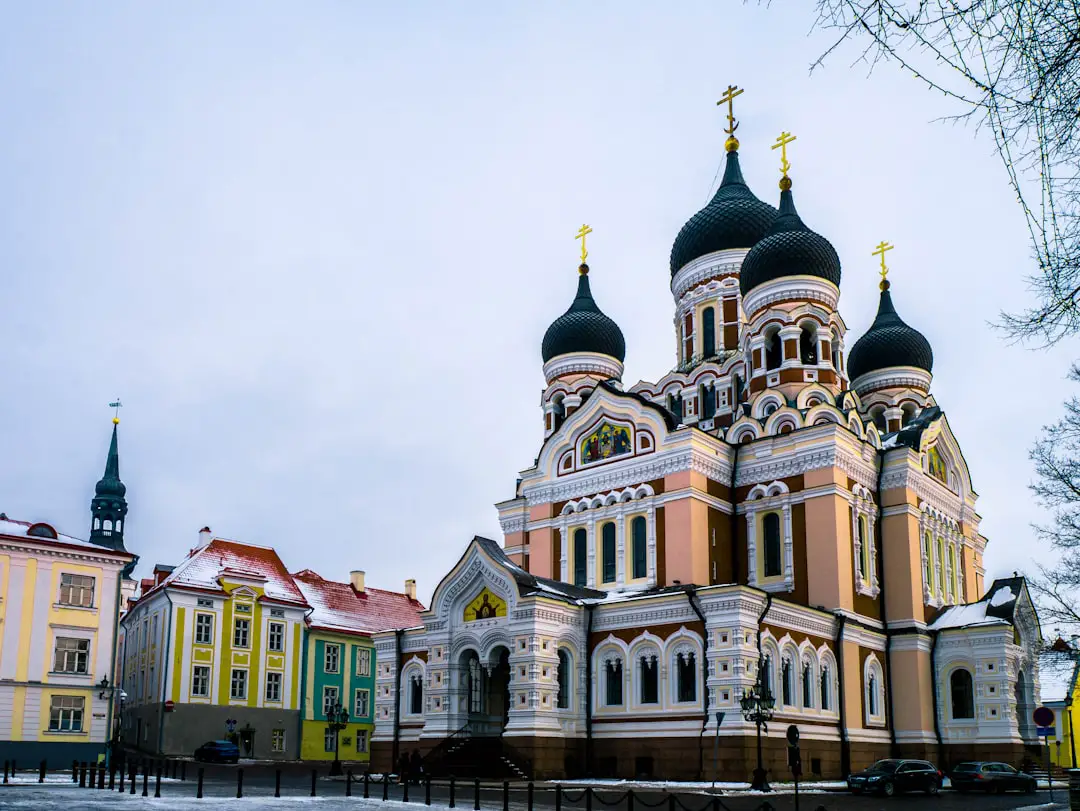
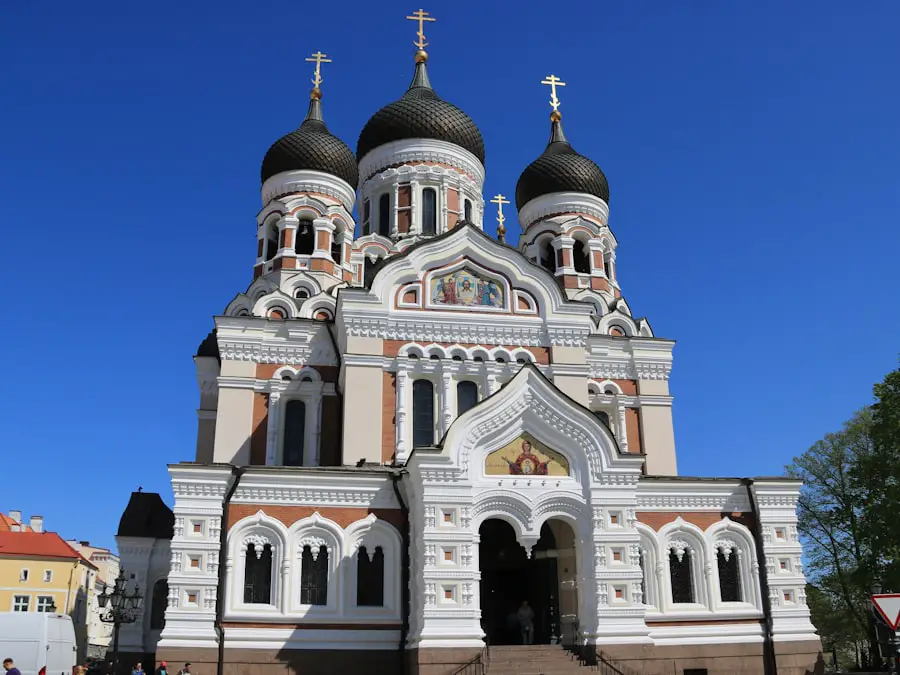
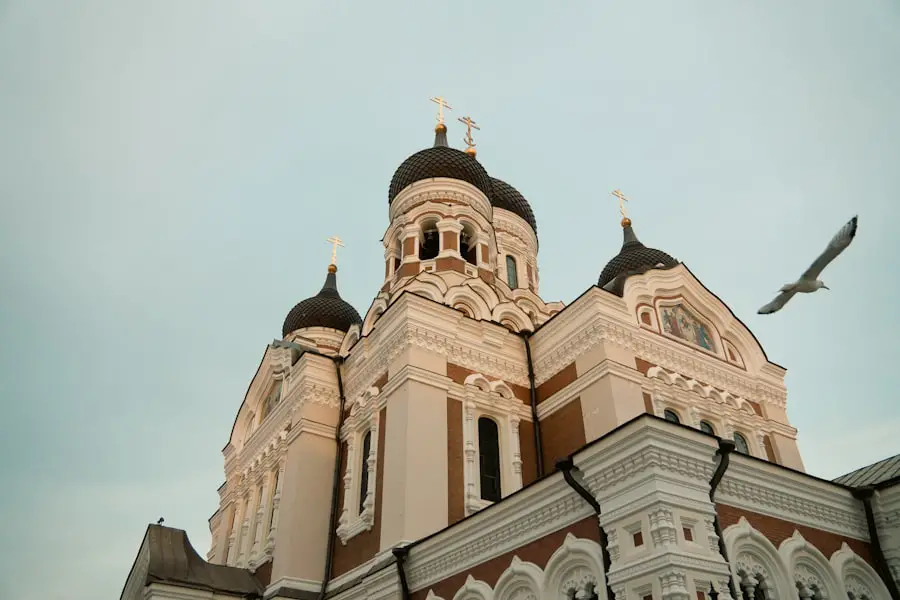
Alexander Nevsky Cathedral is one of Sofia’s most recognizable landmarks and remains an active Bulgarian Orthodox cathedral. Its monumental Neo-Byzantine design, domes, arches, stonework, mosaics, and Old Bulgarian decorative motifs make the building worth seeing from several sides before going inside.
See the Exterior Architecture
The foundation stone was laid in 1882, while actual construction began in 1904 and was completed in 1912. The cathedral was consecrated in 1924. Architect Alexander Pomerantsev’s final design drew heavily from Byzantine architecture while incorporating Bulgarian decorative elements. The cathedral’s official website provides additional architectural and historical details.
Step Inside the Cathedral
Inside, the scale changes dramatically. Frescoes, icons, stone, marble, chandeliers, and the central dome create a much quieter experience than the busy square outside. Because this is an active place of worship rather than simply a tourist attraction, visitors should speak quietly, dress respectfully, and avoid interrupting services.
Note: Cathedral access and museum access are separate experiences. Check current opening information before visiting, especially around Orthodox feast days and services.
Visit the Museum of Christian Art in the Crypt
The crypt houses the Museum of Christian Art, a branch of Bulgaria’s National Gallery. Its collection includes icons, fresco fragments, manuscripts, and church objects spanning many centuries of Christian art in the Bulgarian lands. The National Gallery’s Museum of Christian Art page is the best place to check current visitor information.
See St. George Rotunda and More of Roman Sofia
St. George Rotunda is easy to miss because it sits within a courtyard surrounded by much newer buildings. That contrast is exactly what makes it memorable. Bulgaria’s Ministry of Tourism identifies the rotunda as Sofia’s oldest and best-preserved Roman-era architectural monument, dating its construction to the beginning of the fourth century.
Step inside when open to see the compact church and layers of wall paintings, then walk around the surrounding archaeological remains. It is a useful companion to the larger Serdica complex because it shows how ancient Sofia survives not only underground but also inside the modern street plan.
Official information is available from the Bulgarian Ministry of Tourism.
Discover the Ancient Serdica Ruins
Under and around central Sofia are remains of the ancient city of Serdica. One of the easiest places to understand the Roman street plan is the Serdica Ancient Cultural and Communicative Complex at the Largo and beneath Maria Luisa Boulevard.
The main archaeological zone preserves portions of an ancient street along with residential and cult buildings, courtyards, water-supply features, sewerage systems, and artifacts discovered during excavations. Information panels help connect the ruins to the modern buildings immediately above them.
Sofia contains additional Roman sites beyond this single complex, including gates, thermal-bath remains, and other archaeological areas. That distinction is useful because references to “the Serdica ruins” can describe several different locations around the center. The official Visit Sofia Serdica guide lists the main complex and its location.
One of Sofia’s defining experiences is seeing Roman streets preserved beneath a functioning 21st-century capital.
Wander through the National Palace of Culture
The National Palace of Culture, commonly called NDK, is one of Sofia’s major contemporary cultural landmarks. It officially opened in 1981 to mark 1,300 years since the founding of the Bulgarian state.
According to the National Palace of Culture, NDK is the largest multifunctional complex in Southeastern Europe. Its spaces host conferences, exhibitions, festivals, concerts, theater, literary events, and other cultural programs.
The building is surrounded by a broad pedestrian and park area that is useful even when you are not attending an event. Fountains, open spaces, benches, cafes, and the long approach from central Vitosha Boulevard make NDK an easy stop during an afternoon walk.
Pro Tip: Check NDK’s event calendar before your trip. The experience is much better when you can combine a look at the building with a concert, exhibition, film, or performance that interests you.
Take a Stroll in Borisova Gradina Park
| Category | Details |
| Location | East/southeast of Sofia’s central core, beginning near Eagle Bridge and Vasil Levski National Stadium |
| Size | More than 330 hectares in Sofia Municipality’s historical reference; broader planning boundaries may use a larger figure |
| Development | Planning began in the early 1880s; active development under gardener Daniel Neff began in 1884 |
| Notable Features | Ariana Lake, Lily Lake, tree-lined paths, Vasil Levski National Stadium, Bulgarian Army Stadium, historic monuments, and large wooded areas |
| Best For | Walking, running, picnics, casual cycling, sports, and a break from sightseeing |
Borisova Gradina is Sofia’s best-known large central park and one of the easiest places to take a break from churches, museums, and busy streets. Its character changes as you move through it: landscaped paths and lakes near the city gradually give way to more wooded areas.
The park’s development began in 1884 under Swiss gardener Daniel Neff and continued under later landscape designers. Sofia Municipality describes it as both the city’s oldest major park and an important work of Bulgarian garden and park design. You can read the municipality’s historical overview of Borisova Gradina.
Look for Ariana Lake, Lily Lake, sports venues, wooded paths, and monuments connected with Bulgarian public life. The Soviet Army Monument should not be listed as a Borisova Gradina attraction: its site is in Knyazheska Gradina elsewhere in central Sofia.
Visit Boyana Church
Boyana Church deserves a place on a first-time Sofia itinerary even though it sits outside the compact historic center. The church is a UNESCO World Heritage Site and consists of structures built and expanded during several periods.
Its best-known works are the frescoes painted in 1259. UNESCO describes them as one of the most important collections of medieval painting and highlights the site’s exceptional preservation and artistic value. Learn more through the UNESCO World Heritage Centre’s Boyana Church listing.
The interior is much smaller than Alexander Nevsky Cathedral, so a Boyana visit is more about close observation than monumental scale. Combine it with another attraction on Sofia’s southern side or with a trip toward Vitosha to make better use of your travel time.
Experience Vitosha Mountain
Vitosha Mountain is one of the reasons Sofia feels different from many European capitals. Trails, forests, open plateaus, viewpoints, and seasonal snow activities are close enough to turn part of a city break into an outdoor day.
Go Hiking in the Warmer Months
Numerous routes cross Vitosha, ranging from relaxed woodland walks to longer climbs. One of the classic goals is Cherni Vrah, the mountain’s highest point at 2,290 meters. Visit Sofia describes a marked route toward the summit from the Aleko Hut area.
Do not assume city-center weather tells you what conditions will be like higher on the mountain. Temperatures, wind, cloud, rain, snow, and trail surfaces can change quickly with elevation.
Enjoy Winter Sports When Conditions Allow
Vitosha has ski and snowboard terrain near Sofia, including the Aleko area. However, snow coverage, piste conditions, lifts, and other facilities can vary throughout the season. Treat skiing as a condition-dependent activity rather than assuming every facility will operate throughout winter.
Visit Sofia recommends checking the ski operator for current track and facility information. See its official Vitosha skiing information.
Warning: Check the mountain forecast, trail conditions, daylight, transportation, and any lift or ski-facility status before leaving Sofia. Wear footwear appropriate for the terrain and carry water and an extra layer even when conditions in the city feel mild.
Plan Your Transportation Before You Go
Public transport reaches several Vitosha access areas, but routes and seasonal services can change. Rather than relying on an old bus or lift number from a travel article, check the Sofia Urban Mobility Center and the relevant mountain or ski operator on the day of your trip.
Delight in Bulgarian Cuisine
Bulgarian food draws on Balkan, Slavic, Mediterranean, and Ottoman influences, and Sofia is an easy place to try both traditional cooking and modern versions of familiar dishes.
Start with banitsa, a layered pastry commonly filled with eggs and Bulgarian white brined cheese. It is particularly popular as a breakfast or snack.
Shopska salata is another staple. It combines chopped tomatoes, cucumber, peppers, onion, and grated or crumbled Bulgarian white brined cheese known as sirene. Calling sirene simply “feta” is convenient for English-speaking visitors, but the Bulgarian cheese has its own identity and tradition.
For something more filling, look for grilled kebapche, meatballs, stews, grilled vegetables, or sarmi, which are stuffed leaf or cabbage preparations found in several forms. A traditional-style tavern, often called a mehana, can be a good introduction to several dishes in one meal.
For dessert, baklava reflects the wider Ottoman and Balkan culinary history shared across the region. Bulgarian menus also feature cakes, pastries, yogurt-based desserts, and preserves, so there is no need to limit yourself to one sweet dish.
Pro Tip: Try banitsa from a bakery in the morning, then save a sit-down Bulgarian meal for later. That gives you two different sides of the local food culture without spending sightseeing time on a long breakfast.
Shop and Explore the Restored Central Halls
Central Sofia Market Hall, commonly known as Central Halls or Tsentralni Hali, remains an important historic building, but the visitor experience has changed significantly from the traditional market described in many older travel guides.
Construction began in 1909 from a design by architect Naum Torbov and took about two years. The building’s facade, clock tower, metal structure, and central location make it worth seeing even before you go inside. Visit Sofia provides an official architectural description of Central Sofia Market Hall.
After a major restoration, Central Halls reopened on May 23, 2024. The renewed complex combines modern food and retail shopping with archaeology, historical interpretation, educational displays, and cultural programming. Archaeological remains connected with ancient Serdica can be seen in the lower level, and the building also hosts cultural events.
That makes Central Halls less of an old-fashioned stall market and more of a mixed shopping, heritage, and cultural stop. It works particularly well when combined with the nearby Serdica ruins, Banya Bashi area, and central streets. Information about the restoration is available from Kaufland Bulgaria’s Central Halls project page.
Walk Vitosha Boulevard and Central Sofia
After the heavier historical sights, spend time simply walking through modern central Sofia. Vitosha Boulevard is the city’s best-known pedestrian shopping and dining street, and it creates an easy link between the central commercial area and the National Palace of Culture.
The value here is not a single monument. Stop for coffee, browse shops, look toward Vitosha Mountain when visibility is good, and use the surrounding side streets to find restaurants and smaller local businesses.
The City Garden and streets around the Ivan Vazov National Theatre are another pleasant place for a slower walk. Together, these areas show the everyday side of Sofia that can get lost when an itinerary focuses only on churches and archaeological sites.
How to Plan Your Sofia Visit
How Many Days Do You Need in Sofia?
Two days is enough for the main central sights plus food and an evening walk. Three days is more comfortable and gives you time to add Boyana Church, Vitosha Mountain, more museums, or a slower afternoon in Borisova Gradina.
With only one day, focus on Alexander Nevsky Cathedral, the National Assembly area, St. George Rotunda, the Serdica complex, Central Halls, and Vitosha Boulevard.
When Is the Best Time to Visit Sofia?
Spring and early autumn are often the easiest seasons for travelers who want comfortable walking weather and outdoor sightseeing. April through June and September through October are popular choices, although exact conditions vary from year to year.
Summer works well for long sightseeing days and evenings outside, while winter makes more sense for visitors who want seasonal atmosphere or hope to combine the city with snow activities on Vitosha. Sofia has a temperate continental climate, so packing for changing weather is sensible in any season.
Getting Around Sofia
Many of the historic-center attractions are walkable. For longer trips, Sofia has metro, tram, trolleybus, and bus services.
For occasional public-transport trips, the Sofia Urban Mobility Center currently supports contactless bank-card Pay-As-You-Go travel. Use the same card or the same tokenized device consistently so fare aggregation works correctly. Current ticket products and rules are available from the official Sofia Urban Mobility Center portal.
Note: Attraction opening hours, worship schedules, exhibitions, transport routes, mountain conditions, and event programs can change. Check official websites shortly before visiting rather than relying on an old printed itinerary.
If you’re planning other destinations as well as Sofia, you may also be interested in this seasonal guide to the best time to travel to Puerto Rico.
Love travel? Join Our Facebook Community For More Tips.
Frequently Asked Questions
What are the top things to do in Sofia, Bulgaria?
Top Sofia experiences include Alexander Nevsky Cathedral, the Serdica archaeological complex, St. George Rotunda, Boyana Church, the National Palace of Culture, Borisova Gradina, Vitosha Boulevard, Central Halls, and a hike or seasonal outdoor trip on Vitosha Mountain.
What is the best time to visit Sofia, Bulgaria?
Spring from roughly April through June and early autumn from September through October are good choices for travelers who prioritize walking and sightseeing in mild conditions. Summer offers long days and lively outdoor areas, while winter is better for visitors interested in seasonal atmosphere and possible snow activities on Vitosha.
What are some popular landmarks in Sofia?
Popular landmarks include Alexander Nevsky Cathedral, St. George Rotunda, the National Palace of Culture, the Ivan Vazov National Theatre, Boyana Church, the Monument to the Tsar Liberator, and the ancient Serdica remains beneath the city center.
What outdoor activities are available in Sofia?
You can walk, run, picnic, or cycle in Sofia’s parks, spend time in Borisova Gradina, and hike on Vitosha Mountain. During suitable winter conditions, Vitosha also offers skiing and snowboarding. Always check mountain weather and facility status before leaving the city.
What cultural experiences should I have in Sofia?
Visit the Museum of Christian Art beneath Alexander Nevsky Cathedral, see the medieval frescoes at Boyana Church, explore Sofia’s Roman archaeology, attend a performance or exhibition at NDK or another cultural venue, and try traditional Bulgarian food in a bakery or restaurant.
How many days do you need in Sofia?
Two days can cover Sofia’s major central attractions, while three days gives you enough time to add Boyana Church, Vitosha Mountain, parks, museums, or a slower food-focused afternoon.
Is Sofia easy to explore without a car?
Yes. Many major sights in central Sofia are within walking distance, and the city also has metro, bus, tram, and trolleybus services. A car is generally unnecessary for a normal city-center visit.
Sources
- Visit Sofia — St. Alexander Nevsky Cathedral — cathedral construction, architecture, and crypt information.
- National Palace of Culture — NDK history, opening date, purpose, and complex details.
- Sofia Municipality — Borisova Gradina — park history, size, development, and significance.
- Visit Sofia — Serdica Ancient Cultural and Communicative Complex — Roman archaeological remains and visitor location.
- UNESCO World Heritage Centre — Boyana Church — World Heritage status, building history, and 1259 frescoes.
- Central Halls Restoration Project — May 2024 reopening and the building’s restored contemporary use.
