
Last Updated on July 27, 2026 by Daniel Globe
The historic inner city of Paramaribo, the capital of Suriname, is a treasure trove of colonial architecture and cultural heritage. Designated as a UNESCO World Heritage Site in 2002, this vibrant area is characterized by its unique blend of Dutch colonial buildings, intricate wooden structures, and rich street life. Walking through its historic avenues offers visitors a captivating glimpse into South America’s most culturally diverse capital.
Quick Answer
The best things to do in Paramaribo, Suriname, include touring the UNESCO-listed historic inner city, admiring Saint Peter and Paul Cathedral, strolling along the riverfront Waterkant, sampling multicultural fusion dishes like roti and pom, taking a Suriname River boat tour, and exploring the bustling Central Market.
Key Takeaways
- UNESCO World Heritage Site: Paramaribo’s inner city features 18th- and 19th-century Dutch colonial wooden architecture, including Fort Zeelandia and Saint Peter and Paul Cathedral.
- Multicultural Melting Pot: The population blends Hindustani, Maroon, Creole, Javanese, Indigenous, and Chinese traditions, creating a rich cultural mosaic.
- Vibrant Culinary Fusion: Must-try dishes include Surinamese roti, savory pom casserole, bami, and fragrant saoto soup.
- Riverfront & Nature Escape: Relax along the Waterkant promenade, stroll through Palmentuin palm garden, or cruise the Suriname River to spot wildlife.
Disclosure: As an Amazon Associate I earn from qualifying purchases. Some links on this page are affiliate links, at no extra cost to you.
Exploring Paramaribo’s UNESCO Historic Inner City
The wooden houses of Paramaribo, many dating back to the 18th and 19th centuries, are painted in bright white and green hues, creating a picturesque scene that feels like stepping back in time. Notable structures include the Presidential Palace, which stands at Independence Square as a symbol of Suriname’s political history, and the Saint Peter and Paul Cathedral—one of the largest wooden structures in the Western Hemisphere showcasing extraordinary craftsmanship.
As you wander through the inner city, you will encounter various historical landmarks that tell the story of Suriname’s colonial past. Fort Zeelandia, built in the 17th century along the riverbank, is a must-visit site offering insights into the military history and colonial struggles of the region. The fortress has been well-preserved and houses museum exhibits exploring Suriname’s multi-layered history.
Note: Engaging local guides while touring Fort Zeelandia and the inner city provides fascinating historical anecdotes that bring Paramaribo’s wooden architecture to life.
Sampling Surinamese Cuisine
Surinamese cuisine is a vibrant tapestry woven from Indigenous, African, Indian, Javanese, Chinese, and Dutch culinary influences. This diversity reflects Suriname’s multicultural society and gives visitors an incredible gastronomic experience. One cannot visit Paramaribo without trying traditional dishes such as roti—a spiced flatbread served with curried chicken, potatoes, and long beans.
Another beloved dish is pom, a savory baked casserole made from grated pomtayer root and tender chicken or fish. Traditionally served during special occasions and Sunday family gatherings, pom holds a cherished spot in Surinamese heritage. Street food stalls across the city also serve quick favorites like bami (stir-fried seasoned noodles) and saoto soup—a fragrant chicken broth filled with shredded chicken, bean sprouts, boiled egg, and crispy potato threads.
Pro Tip: Visit local street vendors in the late afternoon or evening for the freshest saoto soup and warm roti. Pair your meal with a cold local Parbo Beer or fresh ginger drink (gemberbier).
Visiting the Waterkant and Independence Square
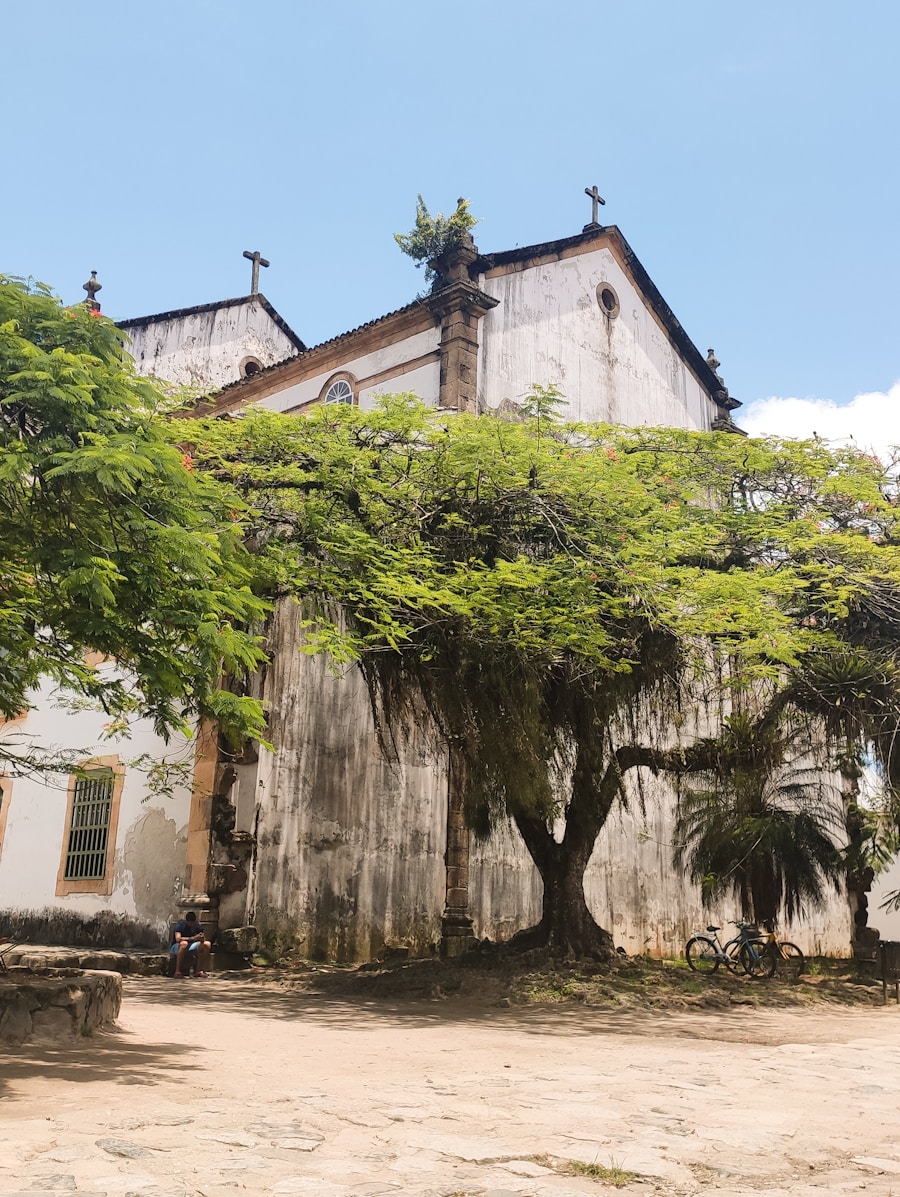
The Waterkant is one of Paramaribo’s most picturesque locations, offering views of the wide Suriname River and a lively atmosphere that draws locals and travelers alike. This historic waterfront promenade is lined with colonial wooden buildings, shade trees, and bustling outdoor cafes where visitors can relax and take in the scenery. The area comes alive during sunset when the sky turns deep orange over the water.
Independence Square (Onafhankelijkheidsplein), located just a short walk from the Waterkant, serves as the main civic square for national celebrations and public gatherings. It is anchored by the Presidential Palace, the High Court of Justice, and the National Assembly building. On Sunday mornings, the square frequently hosts traditional songbird competitions, where local bird enthusiasts gather to display their prized songbirds.
For official travel guidelines and background on local attractions, consult the Lonely Planet Paramaribo Guide.
Discovering the Diverse Cultures of Suriname
Suriname is renowned for its harmonious cultural diversity, with numerous ethnic groups sharing daily life, traditions, and celebrations. The Maroons—descendants of enslaved Africans who escaped interior plantations to establish independent communities—have preserved vibrant artistic traditions, including wood carving, music, and dance.
| Cultural Group | Population Share | Primary Languages |
|---|---|---|
| Hindustani | 27.4% | Sarnami Hindustani, Dutch |
| Maroons | 21.7% | Saramaccan, Aukan |
| Creole | 15.7% | Sranan Tongo, Dutch |
| Javanese | 14.7% | Javanese, Dutch |
| Indigenous | 3.7% | Arawak, Carib languages |
“Suriname’s unique ethnic harmony is vividly showcased in Paramaribo, where a synagogue and a mosque stand right next to each other on Keizerstraat in mutual respect.”
In addition to African and Asian influences, Suriname’s Indigenous communities (including Kalina and Lokono peoples) contribute significantly to the cultural fabric through traditional crafts like pottery and basket weaving. Religious festivals like Diwali, Phagwah, Eid al-Fitr, and Maroon Day are celebrated publicly across Paramaribo with community gatherings and feasts.
Exploring the Green Spaces of Paramaribo
Despite being a bustling commercial capital, Paramaribo offers peaceful green sanctuaries for relaxation. The Palmentuin (Palm Garden) is a tranquility hub situated right behind the Presidential Palace. Planted during the 17th century, this royal garden features towering royal palms, shaded walkways, and abundant birdlife, making it ideal for afternoon strolls.
Another botanical highlight is the Anton de Kom University Botanical Garden, which showcases native tropical plants, medicinal flora, and rainforest species unique to Guiana Shield ecosystems. These urban parks provide accessible opportunities to experience Suriname’s legendary natural biodiversity without leaving the city limits.
Taking a River Cruise on the Suriname River
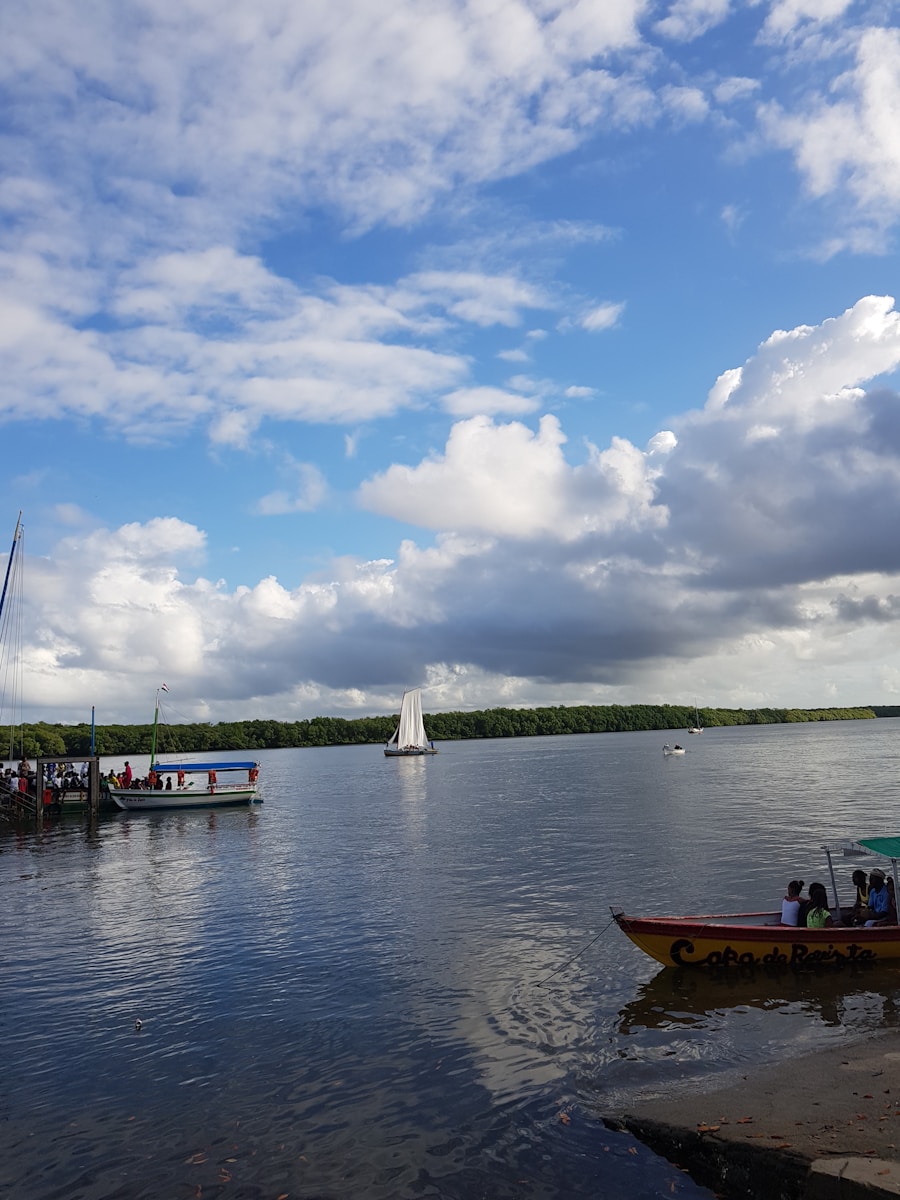
A boat tour along the Suriname River provides a scenic perspective of Paramaribo and its surrounding rainforest estuaries. Guided river cruises range from daytime wildlife safaris to sunset tours. Travelers often spot pink river dolphins (Tucuxi) near the mouth of the river, as well as exotic birds and monkeys resting in the riverside canopy.
Many boat excursions include visits to historic plantation settlements in the nearby Commewijne district, such as Frederiksdorp and Rust en Werk. These stops offer deep historical insights into sugarcane and coffee plantations alongside opportunities to taste homemade village snacks.
Visiting the Central Market and Local Artisan Shops
The Central Market (Centrale Markt) along the riverfront is Paramaribo’s bustling trade hub. Divided into fresh produce stalls, spice stalls, and fish sections, the market bursts with tropical fruits like soursop, passion fruit, and mangoes, alongside exotic herbs used in traditional medicine.
Adjacent artisan shops offer authentic handcrafted souvenirs, including hand-carved Maroon wooden utensils, woven Indigenous basketry, and colorful traditional fabrics. Purchasing directly from market vendors supports local micro-entrepreneurs and preserves regional crafting heritage.
Enjoying the Nightlife in Paramaribo
As evening falls, Paramaribo transitions into an energetic entertainment hub. Waterkant’s riverside venues open up for outdoor drinks, while lounge bars and music clubs host live bands playing Kaseko and Kawina—upbeat Surinamese music genres rooted in African rhythms and brass arrangements.
Night markets and late-night food stalls serving hot satay with peanut sauce, fried plantains, and saoto soup remain open late into the night, allowing visitors to enjoy casual dining alongside local residents.
Practical Travel Tips for Visiting Paramaribo
Warning: Paramaribo is largely a cash-based economy. Carry sufficient Surinamese Dollars (SRD) or Euros/USD for small vendors, taxis, and markets, as credit cards are only accepted at major hotels.
- Best Time to Visit: Dry seasons occur from February to April and August to November, offering optimal conditions for walking tours and river cruises.
- Getting Around: Central Paramaribo is highly walkable, while yellow licensed taxis and local mini-buses are readily available for longer trips.
- Health & Safety: Use high-SPF sunscreen, wear lightweight tropical clothing, and use mosquito repellent when exploring outdoor parks or taking evening river tours.
Frequently Asked Questions
What are the top things to do in Paramaribo, Suriname?
Top attractions include exploring the historic UNESCO-listed inner city, visiting Saint Peter and Paul Cathedral, touring Fort Zeelandia, strolling through the Palmentuin palm garden, sampling local food at the Central Market, and taking a river cruise along the Suriname River.
What is the historic inner city of Paramaribo known for?
Paramaribo’s inner city is renowned for its remarkably intact 18th- and 19th-century Dutch colonial wooden architecture, combining European building techniques with South American materials, which earned it UNESCO World Heritage status in 2002.
What can visitors expect to find at the Central Market in Paramaribo?
Visitors will find a large, multi-story marketplace filled with fresh tropical fruits, vegetables, spices, fresh fish, Surinamese street food, clothing, and handcrafted artisan souvenirs.
What are some popular outdoor activities in Paramaribo?
Popular outdoor activities include taking dolphin-watching river boat tours, visiting the Palmentuin palm park, touring nearby Commewijne plantations, and taking guided walking tours through the historic center.
Are there notable cultural and historic attractions in Paramaribo?
Yes, key landmarks include the Surinaams Museum inside Fort Zeelandia, the Saint Peter and Paul Wooden Cathedral, Independence Square, and the famous side-by-side Neveh Shalom Synagogue and Keizerstraat Mosque.
Sources
- UNESCO World Heritage Centre — Historic Inner City of Paramaribo Designation & Architecture Details
- Lonely Planet Suriname Guide — Waterkant, Independence Square, and Local Travel Information
