
Last Updated on September 10, 2026 by Daniel Globe
Customizing a commercial airliner is not the same as remodeling a room. A new seat, monument, entertainment system, lavatory, galley, light fixture, or exterior feature can affect weight, balance, structural loads, electrical demand, emergency evacuation, fire protection, maintenance, and operating approval. The project therefore has to combine a clear passenger or owner vision with approved engineering data and a controlled installation plan.
The exact path depends on the aircraft, its current configuration, the country of registration, the intended operation, and the scale of the change. An airline may be refreshing a cabin during a scheduled maintenance visit, while a leasing company may be reconfiguring an aircraft for a new operator. A private or charter owner may also convert an airliner-sized transport aircraft into a VIP configuration. In every case, the aircraft must remain airworthy and suitable for its approved operation.
Quick Answer
To customize a commercial airliner, first define the mission and cabin requirements, then use qualified designers, engineers, suppliers, and maintenance organizations to develop an approved modification package. The project must address certification, weight and balance, structural and electrical loads, flammability, seating, exits, testing, documentation, and continued maintenance before the aircraft returns to service.
Key Takeaways
- Start with the aircraft’s approved baseline configuration, operating mission, passenger capacity, route profile, and business goals.
- Treat certification as part of the design from day one, not as a final paperwork step.
- Evaluate every feature for weight, center of gravity, structural attachment, electrical demand, fire safety, emergency access, reliability, and maintenance.
- Use approved seats, materials, systems, installation data, and qualified organizations that understand the aircraft model.
- Measure return on investment with revenue, passenger response, downtime, fuel and maintenance effects, dispatch reliability, and residual value.
At a Glance
| Time Required | From a planned maintenance visit for a limited refresh to many months for a major cabin conversion; certification and long-lead parts often control the schedule. |
| Difficulty | Expert-level, multidisciplinary, and certification-led. |
| Tools Needed | Approved aircraft data, configuration records, CAD and engineering tools, compliance checklists, test plans, weight-and-balance data, maintenance instructions, and controlled production records. |
| Cost | Project-specific. Budget for design, certification, parts, testing, labor, aircraft downtime, training, spares, documentation, and ongoing maintenance. |
Disclosure: As an Amazon Associate I earn from qualifying purchases. Some links on this page are affiliate links, at no extra cost to you.
How the Commercial Airliner Customization Process Works
A successful project follows a controlled sequence. The steps may overlap, but skipping one usually creates expensive rework later.
- Confirm the aircraft baseline. Record the exact model, serial number, current cabin layout, installed modifications, equipment, manuals, and operating approvals.
- Define the mission. Decide whether the aircraft will serve scheduled passengers, charter clients, cargo-and-passenger missions, corporate travel, or VIP transport.
- Create the cabin and exterior brief. Set capacity, class mix, seating goals, accessibility needs, galley and lavatory requirements, connectivity, lighting, branding, storage, and service standards.
- Run a feasibility study. Check available space, structural attachment points, electrical and cooling capacity, weight and center-of-gravity limits, emergency exits, and maintenance access.
- Choose the approval path. Classify each change and determine whether it can use existing approved data, a minor-change approval, an amended approval, or a supplemental type certificate.
- Freeze the design. Complete drawings, specifications, interface-control documents, safety assessments, material selections, and a compliance plan.
- Build and inspect the installation. Use controlled parts, approved instructions, trained personnel, and documented quality checks.
- Test the modified aircraft. Verify system function, electrical loads, interference, lighting, placards, emergency equipment, passenger-service systems, and any required ground or flight tests.
- Update records and manuals. Revise weight and balance, equipment lists, maintenance instructions, illustrated parts data, wiring records, cabin configuration documents, and operating procedures.
- Return the aircraft to service. Complete the required approvals, maintenance release, crew training, spares planning, and entry-into-service support.
Note: A VIP aircraft based on a commercial airliner may have a very different cabin and operating model, but it is still an aircraft modification project. Luxury finishes do not replace certification, approved installation data, maintenance instructions, or operating limitations.
Define the Mission, Business Case, and Baseline Aircraft
The first design decision is not the color palette. It is the purpose of the aircraft. A short-haul airline needs fast boarding, durable finishes, efficient cleaning, and high daily utilization. A long-haul operator may place more value on sleep, privacy, storage, in-seat power, connectivity, meal service, and crew rest. A charter or VIP operator may want suites, meeting areas, showers, lounges, or special communications equipment.
Audit the Existing Configuration
Before drawing a new layout, the project team should confirm what is already installed and approved. That includes seats, galleys, lavatories, bins, partitions, monuments, floor structure, wiring, antennas, emergency equipment, placards, lighting, oxygen systems, and previous modifications. Existing supplemental type certificates and repairs can affect the new design, so the team must check whether different changes interact safely.
Set Measurable Requirements
Turn broad ideas such as “more premium” or “better Wi-Fi” into measurable requirements. Examples include passenger capacity, seat count by cabin, aisle width, storage volume, power available per seat, target system reliability, turnaround time, cleaning time, accessibility functions, and permitted added weight. This makes supplier bids easier to compare and reduces late design changes.
Choosing the Right Features for Personalization
Selecting features requires more than copying a competitor’s cabin. Airlines should study their routes, passenger mix, fare structure, brand position, maintenance network, and expected aircraft utilization. Private and charter operators should consider the number of travelers, trip length, luggage, work needs, sleeping needs, catering, privacy, and ground support at likely destinations.
Prioritize Features by Passenger and Operational Value
Common options include new seating, larger overhead storage, upgraded lavatories, redesigned galleys, in-seat power, wireless or seatback entertainment, satellite connectivity, mood lighting, new partitions, premium bedding, branded soft goods, and revised exterior paint. Rank each feature by passenger value, revenue potential, added weight, electrical demand, reliability, maintenance burden, certification risk, lead time, and effect on aircraft downtime.
Plan for Accessibility Early
Accessibility should be part of the first cabin layout, not an add-on after seats and monuments have been placed. Consider boarding and aisle-chair movement, accessible controls and signs, movable armrests, stowage, service procedures, lavatory access, and crew tasks. In the United States, the Department of Transportation has finalized accessibility requirements affecting lavatories on new single-aisle aircraft, so operators and design teams should review the rules that apply to the aircraft and delivery plan.
Pro Tip: Create a weighted decision matrix before selecting products. Score each option for passenger benefit, revenue, weight, power, reliability, maintenance, certification effort, delivery risk, and total ownership cost. This keeps attractive but impractical features from controlling the design.
Working with Designers and Engineers
Designers translate the operator’s goals into cabin layouts, materials, lighting scenes, finishes, branding, and passenger touchpoints. Engineers determine whether those ideas can be installed without creating unacceptable structural, system, safety, or maintenance problems. The best projects keep both groups involved from the first concept through final inspection.
Build the Right Project Team
The team may include the aircraft manufacturer, a design organization, a supplemental type certificate holder, cabin and systems engineers, human-factors specialists, seat and monument suppliers, a certified repair station or approved maintenance organization, airline engineering, flight operations, cabin service, maintenance, safety, procurement, finance, and the relevant aviation authority or its authorized representatives.
Create a Certification and Compliance Plan
The design package should identify every affected rule and the planned means of compliance. Depending on the change, that may include analysis, similarity to approved designs, component qualification, material testing, structural testing, electrical-load analysis, system-safety work, ground tests, inspection, or flight tests. The FAA explains that a supplemental type certificate approves both a modification and its effect on the original type design. EASA Part 21 similarly classifies changes and defines approval routes for changes to type certificates.
Warning: Do not buy cabin equipment first and ask an engineer to approve it later. A product can be attractive, commercially available, or even approved on another aircraft and still be unsuitable for the specific model, serial number, configuration, installation location, or operating rules.
Manage Weight, Balance, Structure, and Aircraft Systems
Cabin customization changes more than appearance. Moving a galley, adding premium seats, installing a lounge, replacing bins, or adding connectivity equipment changes weight and can shift the center of gravity. The team must account for removed equipment, new equipment, wiring, brackets, fasteners, insulation, water, catering, passenger distribution, baggage, and service items.
Weight and Center of Gravity
Engineering must calculate the new empty weight and center of gravity and update the aircraft’s records. The design should also consider loading flexibility. A layout that is legal only under a narrow loading condition may create daily operational problems, payload restrictions, or extra fuel-planning complexity.
Structural Attachments and Crash Loads
Seats, partitions, monuments, galleys, stowage units, and other large masses need approved attachments. The structure must carry normal flight loads and applicable emergency landing loads. Passenger seats and their surrounding areas also have occupant-injury requirements under 14 CFR 25.785.
Electrical, Cooling, and Data Interfaces
In-seat power, entertainment, Wi-Fi, lighting, pumps, ovens, refrigeration, and other equipment draw electrical power and may create heat. Engineers must verify normal and emergency power behavior, circuit protection, wire routing, cooling, electromagnetic compatibility, equipment bonding, failure effects, and access for troubleshooting. New digital systems also need a plan for software control, security, updates, and protection of aircraft functions from passenger networks.
Incorporating Personal Touches and Preferences
| Personalization Area | Questions to Answer |
|---|---|
| Colors, materials, and finishes | Are they approved for the intended location, durable, cleanable, repairable, and available for future replacement? |
| Artwork and branding | Will the installation affect placards, emergency markings, windows, antennas, inspection access, or fire performance? |
| Seating and room layout | Does the layout protect exits, aisles, crew stations, head-strike zones, passenger capacity, and weight-and-balance limits? |
| Personalized service | Can meals, amenities, entertainment, and stored items be delivered safely and consistently without disrupting cabin service? |
Personal touches can make an aircraft memorable. Private and charter operators may choose custom veneers, fabrics, carpets, artwork, suites, meeting areas, and branded tableware. Airlines may use regional art, distinctive upholstery, lighting scenes, cabin music, amenity kits, and food concepts to connect the cabin with the brand.
The selected materials still need to be suitable for aviation use and for the exact location where they will be installed. A material that works on a decorative panel may not be approved for a seat, floor covering, galley surface, or another area with different fire or wear requirements. Operators should also secure spare material, approved repair methods, color standards, and supplier support so the cabin can be maintained consistently for years.
Ensuring Safety and Compliance with Regulations
Safety and certification shape every part of the project. In the United States, transport-category airplane design standards are primarily found in 14 CFR Part 25, while operating and maintenance rules depend on how the aircraft is used. In the European system, EASA Part 21 governs design approvals and classifies type-design changes as minor or major based on their effect on airworthiness and environmental characteristics.
Minor Changes, Major Changes, and Supplemental Type Certificates
Not every modification follows the same path. A limited decorative change using already approved materials and data may be treated differently from a new seating layout, large monument, electrical system, or structural alteration. Major changes proposed by someone other than the original type-certificate holder commonly require an STC or another applicable major-change approval. The project team should agree on the approval route before detailed design and purchasing begin.
Fire Safety, Seats, and Emergency Evacuation
Cabin materials and components must meet the fire-protection requirements that apply to their location. 14 CFR 25.853 addresses compartment interiors, while seats and their installations must meet applicable occupant-protection requirements. Layout changes must also preserve emergency exits, markings, lighting, escape routes, crew access, and passenger flow.
For transport airplanes with more than 44 passenger seats, 14 CFR 25.803 requires showing that the maximum seating capacity can be evacuated under simulated emergency conditions within 90 seconds, using the rule’s approved demonstration or equivalent method.
Documentation and Continued Airworthiness
Approval does not end when the installation is complete. The operator needs the records and instructions required to inspect, repair, troubleshoot, and replace the new equipment. Depending on the project, this may include approved drawings, test reports, conformity records, weight-and-balance revisions, wiring diagrams, equipment lists, component manuals, inspection intervals, life limits, software records, placards, training material, and instructions for continued airworthiness.
Customizing the In-Flight Entertainment and Connectivity System
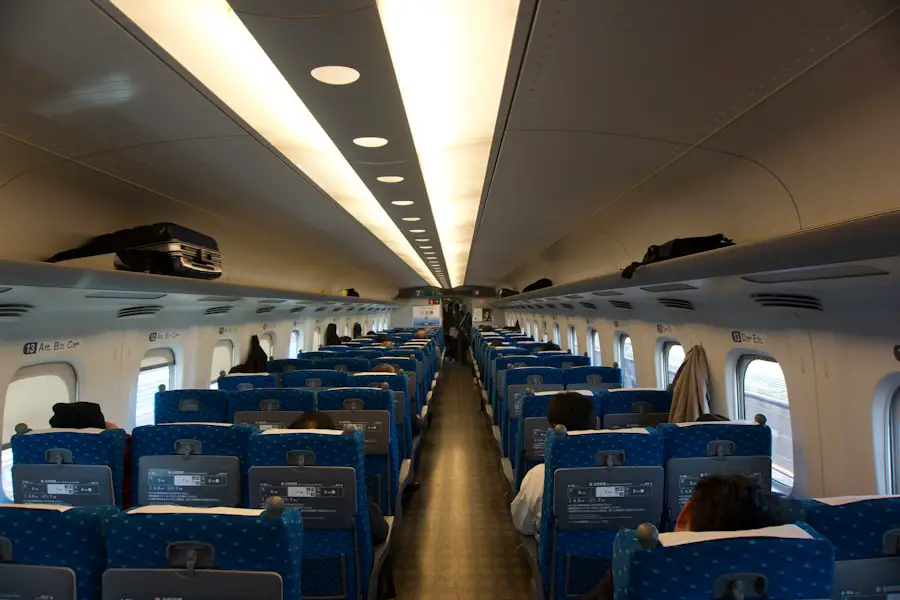
An in-flight entertainment system may use seatback screens, overhead displays, passenger-device streaming, or a mix of these options. Connectivity can add onboard Wi-Fi, messaging, live content, operational data services, or satellite communications. The correct choice depends on route length, passenger expectations, fleet commonality, aircraft power and cooling, content rights, maintenance support, and the cost of antennas and external modifications.
Plan the Complete System, Not Just the Screens
The design must cover servers, wireless access points, cabling, seat electronics, power supplies, controls, cooling, antennas, radomes, data loading, crew interfaces, accessibility, content management, cybersecurity, and fault reporting. It should also define what happens when part of the system fails and whether the failure affects dispatch or only passenger service.
Control Content and Support Costs
Entertainment content requires licensing, regular updates, storage, quality checks, and regional controls. Operators should compare the ongoing cost of content, connectivity, software support, hardware repair, spares, and data service with the expected passenger and revenue benefit. A simpler streaming system may suit a short-haul fleet, while a long-haul premium product may justify seatback displays and higher-capacity connectivity.
Designing Comfortable and Functional Seating Arrangements
Seating is often the most visible part of a cabin change, but it is also one of the most constrained. Seat count, class mix, pitch, width, recline, bed length, privacy panels, aisle access, monuments, exits, lavatories, galleys, crew seats, and passenger service equipment all compete for limited space.
Protect Safety and Operational Requirements
Each seat and installation must be approved for the aircraft and location. The layout must keep required aisles and exits usable, preserve access to emergency equipment, account for flight-attendant stations, protect passengers from nearby objects, and support the certified passenger capacity. A denser layout can increase revenue per flight, but it can also increase boarding time, cleaning time, carry-on storage demand, service complexity, and passenger dissatisfaction.
Design for Comfort, Durability, and Maintenance
Comfort depends on the complete seating environment, not one measurement. Consider cushion design, posture, foot and knee space, recline behavior, privacy, lighting, ventilation, noise, storage, tray-table size, power access, screen position, and ease of entering or leaving the row. Maintenance teams also need access to fasteners, wiring, life vests, seat electronics, dress covers, and replaceable parts.
Personalizing Cabin Lighting and Ambiance
Modern LED systems can support different scenes for boarding, meal service, rest, wake-up, and landing. Color and brightness can reinforce the brand and help create a calm, practical cabin. Designers should test scenes in the actual materials and geometry of the cabin because carpet, sidewalls, seats, and monuments can change how the light appears.
Decorative lighting must not interfere with emergency lighting, exit signs, required placards, crew tasks, or passengers’ ability to see important information. The system should also be easy for cabin crews to control, have sensible default modes, avoid distracting effects, and provide maintainable fixtures and software.
Adding Customized Amenities and Services
Amenities can include premium bedding, amenity kits, charging, extra storage, improved lavatories, upgraded galleys, refrigeration, espresso equipment, bars, lounges, meeting tables, wardrobes, showers, or private sleeping areas. Each physical feature creates design, weight, water, drainage, electrical, fire, structural, hygiene, stowage, and maintenance questions.
Galleys, Lavatories, and Accessibility
Galley and lavatory changes need special attention because they combine plumbing, electrical equipment, fire protection, waste systems, ventilation, service access, and heavy monuments. The layout should support safe crew movement, passenger queues, accessibility, cleaning, waste handling, catering equipment, and emergency procedures.
Personalized Service Without Unsafe Cabin Clutter
Meal choices, entertainment preferences, welcome gifts, amenity kits, and branded travel accessories can complement the aircraft design without becoming permanent modifications. Even so, loose and stowed items need suitable storage, restraint, inventory control, fire-safe handling, and crew procedures. Passenger-facing extras should support the cabin concept without blocking access or adding uncontrolled weight.
Creating a Unique Branding and Identity for the Aircraft
Branding can appear in the livery, tail design, entry area, bulkheads, upholstery, carpet, lighting, tableware, menus, uniforms, entertainment interface, announcements, and service style. A consistent system is stronger than placing a logo on every surface. The aircraft should feel recognizably connected to the brand while remaining clear, calm, and easy to maintain.
Exterior paint and decals must respect required markings, inspection areas, static ports, antennas, sensors, windows, doors, exits, and maintenance access. The paint process should also account for surface preparation, corrosion protection, material compatibility, added weight, balance records, and future repainting or lease-return conditions.
Installation, Testing, and Return to Service
The installation phase should follow controlled drawings, work instructions, parts records, tooling requirements, and inspection points. Teams should manage aircraft access, removed interiors, hidden damage, late supplier changes, wiring separation, foreign-object control, and configuration differences discovered after the cabin is opened.
Typical Post-Installation Checks
- Conformity of parts, materials, placards, and installation details to the approved design.
- Seat, monument, bin, partition, and equipment attachment inspections.
- Electrical-load, circuit-protection, bonding, software, network, and system-function checks.
- Water, waste, drainage, galley, refrigeration, and lavatory tests where applicable.
- Cabin lighting, emergency lighting, signs, public-address, interphone, and entertainment tests.
- Exit, aisle, crew-station, emergency-equipment, stowage, and passenger-capacity checks.
- Updated weight and balance, equipment lists, manuals, maintenance tasks, and configuration records.
- Required ground tests, flight tests, inspections, approvals, and maintenance release.
Evaluating Cost and Return on Investment
There is no reliable universal price for customizing a commercial airliner. A project can range from replacing soft goods during maintenance to a full cabin conversion with new seats, monuments, systems, connectivity, and exterior work. The aircraft model, fleet size, certification path, supplier availability, material selection, labor location, downtime, and degree of one-off design all affect cost.
Build a Full-Life-Cycle Budget
The budget should include design, engineering, certification, program management, prototype work, testing, parts, shipping, customs, tooling, installation, aircraft downtime, spares, training, software, content, connectivity fees, scheduled maintenance, repairs, warranty support, and eventual removal or lease return. A low purchase price can become expensive if parts are hard to obtain or the system has poor reliability.
Measure Both Revenue and Operational Results
Useful measures include fare premium, upgrade sales, load factor, customer feedback, repeat bookings, ancillary revenue, dispatch reliability, system fault rate, maintenance hours, cleaning time, fuel and payload effect, aircraft downtime, warranty recovery, residual value, and brand consistency. Compare results with a documented pre-modification baseline rather than relying on unsupported satisfaction percentages.
Pro Tip: Protect the business case with change-control rules. After the design is frozen, require every proposed change to show its cost, schedule, weight, certification, supplier, maintenance, and revenue effect before approval.
Common Airliner Customization Mistakes to Avoid
- Starting with finishes instead of requirements: This creates a beautiful concept that may not fit the aircraft, budget, or approval path.
- Assuming approval on one aircraft applies to another: Model, series, serial number, configuration, and prior modifications can change the installation basis.
- Ignoring weight until the end: Small additions across hundreds of seats can reduce payload or require redesign.
- Underestimating interfaces: A seat may affect power, entertainment, oxygen, life-vest stowage, floor tracks, lighting, and passenger-service systems.
- Choosing unsupported one-off products: Cabin equipment needs spares, repair data, trained technicians, warranties, and long-term supplier support.
- Compressing certification and testing: Late compliance discoveries can delay return to service and increase downtime.
- Forgetting cleaning and maintenance: Complex surfaces, inaccessible fasteners, fragile finishes, and proprietary parts can raise operating cost.
- Using vague ROI claims: Track real revenue, reliability, maintenance, passenger, payload, and residual-value results.
Frequently Asked Questions
What is the process of customizing a commercial airliner?
The process starts with the aircraft baseline, mission, passenger and business requirements. A qualified team then completes feasibility studies, selects an approval path, develops the design, produces compliance data, installs and tests the equipment, updates records and manuals, and obtains the required release before the aircraft returns to service.
Who can customize a commercial airliner?
Airlines, lessors, charter operators, governments, and private owners can sponsor a customization project. The design and installation work must be performed through organizations, approval holders, engineers, suppliers, and maintenance providers that have the qualifications and authority required for the aircraft and jurisdiction.
What are common commercial airliner customizations?
Common projects include new seating layouts, premium cabins, galleys, lavatories, bins, partitions, lighting, in-seat power, entertainment, Wi-Fi, satellite systems, accessibility features, soft goods, branded finishes, exterior liveries, crew areas, and VIP rooms.
Does every aircraft customization require an STC?
No. The approval route depends on the aircraft, jurisdiction, existing approved data, and whether the change is classified as minor or major. Some changes can use approved manufacturer data or another approved path, while major changes proposed by someone other than the type-certificate holder commonly require an STC.
How long does it take to customize a commercial airliner?
A limited cabin refresh may fit within a planned maintenance visit. A new layout, major systems installation, or VIP conversion can take many months and may require a longer development program before the aircraft enters the modification facility. Certification, engineering, supplier lead times, testing, and discovered aircraft condition usually drive the schedule.
How much does commercial airliner customization cost?
There is no single standard cost. The total depends on aircraft type, fleet size, design complexity, approval path, seats and systems, materials, labor, testing, downtime, spares, training, and ongoing support. A useful estimate must be based on a defined configuration and full-life-cycle scope.
Can an airline change the cabin layout without changing weight and balance records?
A layout change that alters installed equipment weight or location must be evaluated and recorded under the applicable approved procedures. The operator needs accurate empty-weight, center-of-gravity, equipment, and loading information before operating the modified aircraft.
Sources
- Federal Aviation Administration: Supplemental Type Certificates — explains how an STC approves a modification and its effect on the original type design.
- 14 CFR 25.785: Seats, Berths, Safety Belts, and Harnesses — supports seat approval, occupant protection, and installation requirements.
- 14 CFR 25.853: Compartment Interiors — supports cabin interior fire-protection requirements.
- 14 CFR 25.803: Emergency Evacuation — supports emergency-evacuation requirements for transport airplanes.
- EASA Easy Access Rules for Initial Airworthiness and Environmental Protection — supports Part 21 change classification and approval routes.
- U.S. Department of Transportation: Accessible Lavatories on Single-Aisle Aircraft — supports current accessibility planning considerations for new single-aisle aircraft.
