

Last Updated on August 26, 2026 by Daniel Globe
Travel baseball gives young athletes opportunities to compete, develop their skills, build teamwork, and play beyond a local recreational schedule. It also creates financial risks for teams, coaches, organizers, parents, and volunteers. Injuries, property damage, lawsuits, equipment losses, tournaments, and transportation can all create costs that a team may need insurance to address. The right travel baseball team insurance package depends on the team’s roster, activities, travel schedule, organization structure, and the coverage required by leagues, facilities, and tournament operators.
Quick Answer
Travel baseball team insurance does not have one standard price. Costs depend on roster size, age, limits, deductible, optional coverages, and program eligibility. In 2026, published baseball programs show some basic accident-plus-liability packages near $100 per team, while broader standalone programs can have $300 minimum premiums before optional add-ons.
Key Takeaways
- General liability and participant accident medical coverage are common starting points for travel baseball teams.
- Premiums may be calculated per team, per player, or with a minimum premium, so there is no reliable universal average.
- Travel teams should also evaluate abuse/molestation, directors and officers, equipment, crime, excess liability, tournament, and hired/non-owned auto exposures.
- Compare policy limits, exclusions, deductibles, covered activities, travel territory, additional-insured provisions, and certificates of insurance—not just the premium.
- Risk-management practices such as background checks, written safety procedures, coach training, and prompt injury reporting can protect athletes and may also be required for certain coverage.
Note: This guide provides general information, not legal, insurance, or financial advice. Coverage, eligibility, exclusions, deductibles, and limits vary by insurer, policy form, state, and organization. The issued insurance policy controls if its terms differ from summaries or marketing materials. Confirm your team’s needs with a licensed insurance professional and seek qualified legal advice when necessary.
Disclosure: As an Amazon Associate I earn from qualifying purchases. Some links on this page are affiliate links, at no extra cost to you.
How Much Does Travel Baseball Team Insurance Cost?
There is no single standard price for travel baseball insurance. Some programs charge by team, some charge by participant, and some impose a minimum premium. Optional coverage can substantially change the final cost.
Current published rates show why a single national “average” can be misleading. For example, Sadler Sports Insurance publishes the following 2026 rates for specific baseball programs. These figures are examples of available programs, not quotes for every travel team.
| 2026 published example | Coverage shown by program | Published pricing example |
| DB Baseball | $250,000 accident medical plus $2 million general liability | Accident: $49.05–$66.20 per team, depending on division; general liability: $54.32 per team |
| Dizzy Dean Baseball | $50,000 accident medical plus $2 million general liability | $77.37–$116.17 per baseball team, depending on age group, for the listed 2026–27 period |
| Sadler Amateur Teams/Leagues | $1 million commercial general liability with $25,000 medical payments under the published option | Baseball rates published per player, including $6.59 for age 12 and under, $10.97 for ages 13–15, and $17.50 for ages 16–19, subject to a $300 minimum premium |
These examples show that a basic team package can sometimes cost around $100 under an eligible group program, while a standalone program may start with a minimum premium and become more expensive as players and optional coverages are added. A larger organization buying D&O, equipment, crime, abuse/molestation, auto, excess liability, or other protection can pay considerably more.
The useful question is not “What does every travel baseball team pay?” but “What will adequate coverage cost for this team’s roster, activities, travel, limits, and required add-ons?”
Factors Affecting the Cost of Travel Baseball Team Insurance
Several factors can change the cost of travel baseball insurance. The first is how the insurer prices the program. A per-player policy generally becomes more expensive as the roster grows, while a per-team program may use a fixed team rate within an eligible age or division.
Player age can also matter. Published sports-insurance programs sometimes charge different rates for younger players and older teenagers. However, age is not used identically by every insurer.
Coverage limits and options are another major factor. A team buying only basic general liability and accident medical protection will usually be purchasing a different risk package from an organization that also adds D&O, equipment, crime, abuse/molestation, hired/non-owned auto, excess liability, or tournament coverage.
Other considerations can include the team’s activities, number of participants, policy territory, facilities, tournaments, prior loss information requested during underwriting, organization size, and any additional-insured or contractual requirements imposed by field owners or tournament operators.
Pro Tip: Ask every insurer to quote the same limits and optional coverages. A lower premium is not a true savings if it results from removing participant liability, accident medical benefits, abuse/molestation protection, or another exposure your team needs.
Types of Coverage Available for Travel Baseball Team Insurance
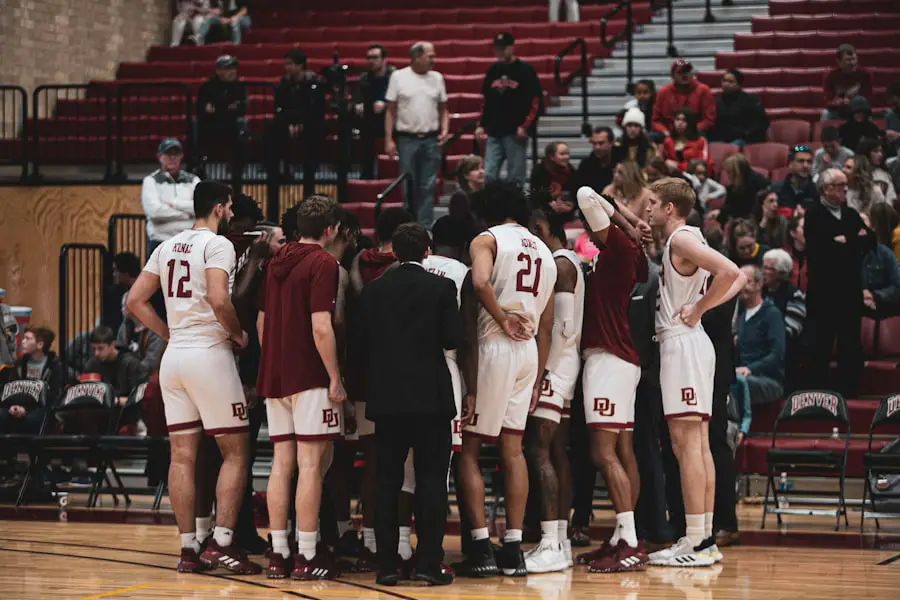
Travel baseball insurance can include several different policies or coverage parts. The exact combination depends on the insurer and the team’s operations.
General Liability Insurance
General liability insurance for amateur sports organizations can address covered claims alleging bodily injury or property damage. Depending on the policy, coverage may extend to the named organization, employees, volunteers, coaches, officials, and athletic participants.
Teams should confirm that the policy includes legal liability to athletic participants. Do not assume every general liability policy treats participant injuries the same way.
Participant Accident Medical Coverage
Participant accident coverage can help pay eligible medical expenses when an insured athlete or other covered participant is injured during a covered activity. This coverage usually does not require the injured person to prove that the team was negligent.
However, benefit limits, deductibles, eligible participants, exclusions, and coordination with other health insurance vary. Some sports programs use accident coverage on an excess basis, meaning applicable personal or group health insurance is used first.
Abuse and Molestation Coverage
Youth organizations should specifically verify whether sexual abuse and molestation coverage is included, optional, excluded, or available only if the organization satisfies risk-management requirements.
Warning: Do not assume youth-sports liability automatically includes abuse or molestation coverage. Some current baseball insurance programs condition this protection on background checks, written prevention procedures, and a written response plan for allegations. Confirm both the coverage and its conditions before the season begins.
Directors and Officers Liability
D&O liability can address certain management-related claims that ordinary general liability may not cover, such as allegations involving wrongful suspension, discrimination, failure to follow organizational rules, or other covered management decisions. It can be especially relevant for incorporated clubs, leagues, and organizations with a governing board.
Equipment and Property Coverage
Equipment coverage can protect organization-owned bats, uniforms, training gear, machines, field equipment, and other insured property against covered causes of loss such as theft, fire, or vandalism, subject to the policy’s terms and deductible.
Crime Coverage
Crime or fidelity coverage can address certain losses involving theft or dishonesty by covered employees or volunteers. This can matter for organizations that collect registration fees, tournament revenue, sponsorship money, or fundraising proceeds.
Excess or Umbrella Liability
Organizations that need limits above their primary liability policy can ask about excess liability. Higher limits may also be requested by facilities, governing bodies, tournament operators, or contractual partners.
Travel, Vehicles, Facilities, and Tournament Coverage
Travel baseball creates exposures that a local practice-only program may not have. Teams may play in another city or state, rent fields, enter tournaments, stay in hotels, and use rental or volunteer-owned vehicles.
Hired and Non-Owned Auto Liability
If an organization rents a vehicle or has coaches and volunteers use personal vehicles for organization business, ask whether hired and non-owned auto liability is available. Do not assume the team’s general liability policy covers vehicle accidents.
This coverage generally concerns the organization’s liability exposure and is not a substitute for the vehicle owner’s personal auto insurance or a commercial auto policy for vehicles owned by the organization.
Certificates of Insurance and Additional Insureds
Field owners, schools, municipal facilities, tournament operators, and other organizations may request a certificate of insurance before allowing a team to participate or rent space. Some also require their organization to be named as an additional insured.
Ask whether certificates can be issued quickly, whether additional-insured endorsements cost extra, and whether the requested entity actually receives the required coverage under the policy.
Hosted Tournaments and Special Events
A policy covering your team’s participation in games does not necessarily mean the organization is automatically covered when it hosts a tournament, clinic, camp, fundraiser, or other event. Tell the insurer about every significant activity and confirm it falls within the policy’s definition of covered or sanctioned operations.
Tips for Finding Affordable Travel Baseball Team Insurance
| Tip | Description |
|---|---|
| Research Multiple Providers | Request comparable quotes from multiple sports-insurance providers instead of choosing the first premium offered. |
| Consider Group Rates | Check whether your league, sanctioning organization, or baseball association offers an eligible group program with published team rates. |
| Review Coverage Options | Match the policy to your actual practices, games, tournaments, travel, facilities, participants, and organization structure. |
| Ask About Deductibles | Compare deductibles and benefit limits. A higher deductible may reduce cost in some programs, but not every sports policy offers deductible choices. |
| Explore Payment Plans | Ask whether installments or other payment arrangements are available, but compare the total cost rather than only the payment amount. |
Finding affordable travel baseball insurance requires more than looking for the lowest premium. First, obtain comparable quotes using the same roster size, activity description, limits, and optional coverages. That makes it easier to identify whether a cheaper policy is genuinely a better value or simply offers less protection.
Next, assess the team’s actual exposure. A small team that only participates in sanctioned games may have different requirements from an organization that hosts tournaments, operates multiple teams, owns substantial equipment, rents vehicles, or maintains a board of directors.
Joining a larger organization or eligible league can sometimes provide access to group insurance pricing. Current baseball programs demonstrate that group plans can publish relatively low per-team rates, although eligibility rules and coverage should always be checked carefully.
Understanding the Risks and Liabilities of Travel Baseball
Travel baseball involves risks to players, coaches, volunteers, spectators, and organizations. Injuries can result from collisions, thrown or batted balls, sliding, falls, heat, weather, field conditions, and other sports-related activity.
Risk management should therefore work alongside insurance. Teams should inspect facilities and equipment, establish emergency procedures, train coaches, maintain appropriate supervision, document incidents, and communicate safety rules to players and parents.
Concussions deserve particular attention. According to the CDC HEADS UP sports-concussion guidance, an athlete with a suspected concussion should be removed from sports participation immediately, kept out for the day, and not return until cleared by a healthcare provider.
Organizations should also establish written procedures for severe weather, heat illness, medical emergencies, transportation, abuse prevention, and reporting allegations involving minors.
Liability can extend beyond physical injuries. Claims may involve negligent supervision, property damage, management decisions, improper procedures, or other alleged wrongdoing. Insurance cannot eliminate these risks, but an appropriately designed package can help protect the organization from covered losses and defense expenses.
Comparing Quotes for Travel Baseball Team Insurance

When comparing travel baseball insurance quotes, start by gathering the same information from every insurer. Premium alone does not tell you whether two policies provide equivalent protection.
| Compare | What to verify |
| General liability | Occurrence and aggregate limits, participant liability, covered organizations and people, defense provisions, and exclusions. |
| Accident medical | Benefit limit, deductible, excess or primary structure, eligible participants, covered activities, and claim deadline. |
| Abuse/molestation | Whether it is included, optional, or excluded; its limit; and required background checks or written prevention procedures. |
| Travel and auto | Hired/non-owned auto, policy territory, out-of-state activities, and any transportation exclusions. |
| Events | Practices, tryouts, regular games, tournaments, clinics, camps, fundraisers, ceremonies, and hosted events. |
| Organization protection | D&O/EPLI, crime, equipment, excess liability, and any coverage required by a governing body. |
| Facilities | Certificate-of-insurance service, additional-insured endorsements, and premises requirements. |
Also examine the insurer’s claim-reporting procedure and the policy documents supplied with the quote. Ask what must be reported after an injury, property loss, demand letter, allegation, or lawsuit and how quickly notice must be provided.
A lower premium may not be a better deal if the policy has materially lower limits, excludes an important activity, omits athletic participant liability, or leaves a major travel exposure uninsured.
Negotiating Terms and Coverage for Travel Baseball Team Insurance
Some insurance programs use fixed published rates, so traditional price negotiation may be limited. Other accounts are individually underwritten and may offer more flexibility in limits, deductibles, endorsements, or optional coverage.
Before discussing terms, provide the insurer with accurate information about the number and ages of players, practices, games, tournaments, travel, facilities, vehicles, equipment, employees, volunteers, and other activities. Incomplete information can make a quote appear cheaper while leaving uncertainty about whether an activity is actually covered.
Teams should also document their risk-management practices. Background checks, written abuse-prevention procedures, coach training, equipment inspections, emergency action plans, and injury-response protocols demonstrate a structured approach to player safety. Some insurers may specifically require certain controls before providing particular coverage.
Ask questions about ambiguous terms before purchasing. Important phrases such as “participant,” “sanctioned activity,” “insured event,” “occurrence,” “additional insured,” and “excess accident” can materially affect how a claim is handled.
Ensuring Adequate Coverage for Your Travel Baseball Team
Begin with a simple risk assessment. List who participates, where the team practices and plays, how often it travels, whether it rents facilities, whether it hosts tournaments, how players are transported, what equipment the organization owns, and whether it has employees or a governing board.
Then match each meaningful exposure with the policy that could address it. General liability and accident medical coverage are common starting points, but an established travel organization may also need D&O, equipment, crime, abuse/molestation, auto, excess liability, property, workers’ compensation, or other specialized protection.
Review the policy when the team changes. Adding another team, substantially increasing the roster, purchasing expensive equipment, running a camp, hosting a tournament, leasing a facility, or changing travel arrangements can create exposures that were not contemplated when the original policy was issued.
Keep current certificates, policy documents, contact information, incident forms, and claim instructions accessible to coaches and administrators. If an injury or incident occurs, provide appropriate medical assistance first, document what happened, preserve relevant records, and notify the insurer or administrator according to the policy’s reporting requirements.
Travel Equipment and Logistics
Insurance protects against covered financial risks, but teams also need practical systems for transporting uniforms, personal belongings, and equipment. Players and families flying to tournaments may find a reliable carry-on suitcase with a USB charger useful for personal travel items. A durable ski travel bag may also illustrate the protective features worth looking for in long equipment bags, while hardside carry-on luggage with spinner wheels can simplify airport movement.
These travel products do not replace equipment insurance. If bats, machines, uniforms, electronics, or other organization-owned property have significant replacement value, review whether the insurance policy covers them in storage, at fields, and while in transit.
Frequently Asked Questions
What factors affect the cost of insurance for a travel baseball team?
Pricing can depend on whether the program charges per player or per team, player ages, roster size, limits, deductibles, organization structure, activities, travel, and optional coverages. Some programs publish fixed rates for eligible leagues, while broader programs may use minimum premiums or individual underwriting.
What type of insurance do travel baseball teams typically need?
General liability and participant accident medical coverage are common starting points. Depending on the organization, teams may also need abuse/molestation, D&O/EPLI, equipment, crime, excess liability, hired/non-owned auto, property, tournament, or other specialized coverage.
How much does insurance for a travel baseball team typically cost?
There is no dependable universal average. Published 2026 baseball programs include some accident-plus-general-liability packages near $100 per eligible team, while other programs charge per participant and impose a $300 minimum premium. Optional D&O, equipment, crime, abuse/molestation, auto, or excess coverage can increase the total significantly.
Are there ways for travel baseball teams to lower their insurance costs?
Compare equivalent quotes, investigate eligible league or association programs, avoid buying unnecessary duplicate coverage, and give insurers accurate information about the team’s operations. Deductible choices may affect premiums in some programs, but teams should not sacrifice coverage that addresses a meaningful exposure simply to lower the price.
Does general liability insurance cover injured baseball players?
It depends on the policy. Sports organizations should verify that athletic participant liability is included rather than assuming every general liability form treats player injuries the same way. Participant accident medical coverage is separate and can help pay eligible medical expenses under its own terms.
Does travel baseball insurance cover out-of-state tournaments?
It may, but teams should confirm the policy territory and definition of covered activities before traveling. Verify that practices, games, tournaments, and other scheduled activities are included and ask whether hosted tournaments require separate coverage or an endorsement.
Do travel baseball teams need hired and non-owned auto insurance?
Teams that rent vehicles or have coaches or volunteers use personal vehicles for organization business should discuss hired and non-owned auto liability with their insurer. It addresses a different exposure from ordinary general liability and does not replace the vehicle owner’s required auto insurance.
What is a certificate of insurance for a baseball team?
A certificate of insurance is evidence of specified insurance coverage. Field owners, schools, municipalities, tournaments, and other organizations may request one before allowing a team to use a facility or participate. A certificate by itself does not change the policy, so confirm separately whether an additional-insured endorsement is required.
Sources
- Sadler Sports — Baseball Insurance — coverage types commonly considered by baseball teams and leagues.
- Sadler Sports — Amateur Sports Teams/Leagues — 2026 per-player baseball pricing, minimum premium, liability limits, medical payments, and optional coverages.
- Sadler Sports — Dizzy Dean Baseball Program — published 2026–27 baseball team rates and abuse/molestation risk-management requirements.
- SportsInsurance.com — Sports Insurance Program Description — participant liability, accident medical, abuse/molestation, excess liability, and hired/non-owned auto options.
- Little League — League Resource Guide — example organized-baseball insurance requirements and coverage limits.
- CDC HEADS UP — Responding to a Sports-Related Concussion — current youth-sports concussion response and return-to-play safety guidance.
