

Last Updated on July 28, 2026 by Daniel Globe
A traveler’s name is often the first clue other players receive about a roleplay character. It can suggest where the character came from, what they value, how they travel, and what kind of story follows them. The best traveler names are distinctive enough to remember but simple enough for the group to say during play.
Quick Answer
A strong traveler name should match the game world, hint at the character’s origin or goal, and be easy for the group to say. Start with a theme—roads, seas, stars, trade, pilgrimage, or exile—then combine a fitting given name with a surname, title, nickname, or place reference. Check the game’s naming rules before committing.
Key Takeaways
- Match the name to the setting, culture, region, and tone of the campaign.
- Use the character’s origin, motive, profession, or reputation as naming material.
- Borrow ideas from history and fiction without copying famous names or stereotypes.
- Say the name aloud and make sure other players can remember and repeat it.
- For online games, check length limits, availability, conduct rules, and privacy concerns.
At a Glance
| Time Required | About 10–20 minutes |
| Difficulty | Easy |
| Tools Needed | Campaign notes, game lore, and a short list of character traits |
| Cost | $0 |
Disclosure: As an Amazon Associate I earn from qualifying purchases. Some links on this page are affiliate links, at no extra cost to you.
Why a Traveler Name Matters in a Roleplay Game
A character name is more than a label. It can communicate personality, background, skills, loyalties, and ambition before the character says a word. A name such as Elysia Windrider suggests speed, open skies, and a life spent moving between distant places.
Names also support world-building. A mountain guide, desert courier, coastal smuggler, and interstellar navigator should not all sound as though they came from the same village unless the story gives them a shared origin.
A rugged name such as Dorran Stonebreaker may suggest a traveler raised among mines and mountain passes. The original idea behind Thorin Stonebreaker creates a similar image, but “Thorin” is already closely associated with Tolkien. Changing the given name makes the character feel less derivative.
The strongest RPG names do two jobs at once: they identify the character and quietly hint at a story the other players want to uncover.
72 Traveler Name Ideas for Roleplay Games
The names below are designed as flexible starting points. Use one as written or change a syllable, surname, title, or place reference to fit your campaign’s lore.
| Style | Traveler Names |
|---|---|
| Fantasy Wanderers | Avelin Farpath, Bren Talebrook, Caelis Windward, Dorran Stonepass, Elira Dawntrail, Fenric Waystone, Ilyra Mossstep, Kaelan Swiftfoot, Lirael Starbound, Mira Starford, Sable Northwind, Tovin Embermile |
| Desert and Caravan Travelers | Amara Dunesong, Azel Sunscar, Farah Copperveil, Idris Sandglass, Jamir Dustroad, Kessa Saffronwind, Nadiya Red Horizon, Rafiq Mooncaravan, Samira Saltpath, Tariq Lanternbearer, Yara Oasisborn, Zahir Dawnmarket |
| Sea and Coastal Travelers | Arden Tidebound, Brina Gullwatch, Corin Saltwake, Delia Stormharbor, Eamon Reefwalker, Isla Bluewake, Joren Wavecrest, Maris Tidewalker, Nessa Shorelight, Rowan Deepcurrent, Talia Seafar, Varen Foamrunner |
| Forest and Mountain Travelers | Aerin Pinepath, Brann Stoneward, Cerys Fernstride, Dain Ridgewalker, Elowen Greenway, Fara Flinttrail, Garran Highpass, Liora Cedarstep, Niall Frostroad, Oren Wildvale, Runa Peakborn, Sylvi Brookwander |
| Scholars, Pilgrims, and Cartographers | Althea Mapkeeper, Bastian Quillroad, Celene Archivebound, Darian Bellway, Esra Wayfinder, Fenn Ledgerfoot, Hana Shrinepath, Lucan Starreader, Mirel Compasshand, Noor Lanternscribe, Perrin Lorewalker, Sabine Roadwise |
| Science-Fiction Travelers | Asha Vey, Cato Meridian, Elian Rook, Juno Farline, Kira Sol, Lex Nomad, Mira Quell, Nyx Calder, Orion Vale, Rhea Vector, Soren Drift, Tavi Kepler |
Note: Words such as Adventurer, Wanderer, Nomad, Wayfarer, Pathfinder, Voyager, Roamer, Explorer, Pilgrim, and Drifter work better as titles, aliases, or nicknames than as complete character names.
Simple Traveler Name Formulas
A formula gives you a repeatable structure without forcing every character to sound the same.
| Formula | Examples |
|---|---|
| Given name + travel surname | Elira Dawntrail, Kaelan Swiftfoot |
| Given name + home region | Nessa of Greyhaven, Darian of the East Road |
| Given name + reputation | Alaric Shadowbane, Seraphina Brightheart |
| Nickname + profession | Quiet Reed the Cartographer, Red Fen the Courier |
| Call sign + short surname | Drift Calder, Meridian Voss |
| Given name + lineage | Tovin Ashborn, Mira Valehart |
Researching Different Traveler Name Options
Begin with the campaign rather than a random name generator. Fantasy, historical, horror, science-fiction, and post-apocalyptic games use different sounds and naming patterns. A name that fits a starship navigator may feel out of place in a grounded medieval village.
The official Dungeons & Dragons Basic Rules encourage players to consider whether a character’s name came from an ancestor, carries religious significance, or was chosen by the character. That approach connects the name to the character’s origin instead of treating it as decoration.
- Identify the setting. Write down the region, culture, technology level, and campaign tone.
- Choose three character traits. Examples include curious, guarded, loyal, reckless, hopeful, or ambitious.
- Choose a travel motive. The character may be trading, fleeing, mapping, searching, serving, wandering, or returning home.
- Select a name structure. Decide whether the character uses a given name, family name, title, alias, call sign, or place name.
- Create three to five options. Do not stop at the first usable name.
- Check meaning and associations. Search the full name to catch accidental references, jokes, brands, or famous characters.
- Test it aloud. Say the name in introductions, combat, and dialogue before making the final choice.
Brainstorming from descriptive words can also help. An adventurous, free-spirited traveler might become Kaelan Swiftfoot, while a quiet astronomer searching for a lost observatory might become Lirael Starbound.
Pro Tip: Write each finalist in a sentence of dialogue: “Ask Maris Tidewalker,” “Captain Tidewalker is missing,” and “Maris, take the northern road.” A name that works in all three forms will usually be easy to use at the table.
Considering the Character’s Background and Story

A traveler’s home region can shape the imagery behind the name. A character raised in a coastal town might be called Maris Tidewalker. Someone who guides caravans across a dry interior might earn the name Zahara Sandstrider.
Next, consider family lineage and major life events. Was the name inherited, imposed, earned, or chosen? A character called Alaric Shadowbane may be trying to escape a dark family reputation. Seraphina Brightheart may be a public name adopted by someone determined to represent hope.
A useful traveler name can answer at least one of these questions:
- Where did the character grow up?
- Who named them?
- What road, sea, border, or world do they know best?
- Why did they leave home?
- What do strangers assume when they hear the name?
- Does the character accept, hide, or resent that assumption?
This connection gives the name a role in the story. It can also create hooks for relatives, rivals, lost settlements, inherited duties, and old reputations.
Finding Inspiration from Real Life and Fictional Travelers
Real explorers, pilgrims, merchants, writers, and fictional adventurers can provide themes for a character. Use their motives and story patterns as inspiration, not their exact names.
| Traveler | Useful Inspiration | Journey or Setting |
|---|---|---|
| Marco Polo | Long journeys, trade, observation, and cultural exchange | Silk Roads and Asia |
| Ibn Battuta | Pilgrimage, scholarship, adaptation, and extensive travel | North Africa, the Middle East, and Asia |
| Christopher Columbus | A reminder to examine power, perspective, and the consequences of exploration | 1492 Atlantic voyage, the Caribbean, and encounters with the Taíno |
| Elizabeth Gilbert | Travel connected with personal and spiritual change | Italy, India, and Indonesia in Eat, Pray, Love |
| Bilbo Baggins | A reluctant traveler who develops courage and independence | Middle-earth in The Hobbit |
UNESCO’s Silk Roads overview describes Marco Polo’s travels as lasting more than 20 years. UNESCO also presents Marco Polo and Ibn Battuta as examples of travelers who carried information and ideas across long-distance networks.
The Library of Congress account of Columbus and the Taíno provides a more responsible basis for the Columbus row than the old “discovery of the New World” wording. The land was already home to complex Indigenous societies.
Instead of creating names such as Kiran Polo or Amina Silkroad, extract the underlying idea. A merchant who records distant customs could become Kiran Farledger. A diplomat who travels between rival kingdoms could become Amina Manyroads.
Avoiding Stereotypical or Overused Traveler Names
Familiar names can communicate a genre quickly, but copying or lightly altering a famous character usually weakens originality. Names such as Aragorn, Legolas, Frodo Baggins, and Indiana Jones already carry strong associations with specific stories.
Changing Thorin to Tharion may still sound like an imitation rather than a new creation. A better method is to identify what you liked about the original—perhaps its hard consonants, short length, or mountain-culture feeling—and build a fresh name from those traits.
Avoid relying on the same fantasy patterns for every character:
- Too many apostrophes or accented letters added only to look exotic
- Every elf receiving a flowing nature name
- Every dwarf receiving a stone, hammer, or beard surname
- Every desert traveler receiving a name built from sand, sun, or scorpions
- Every rogue receiving a surname containing shadow, night, or blade
- A real culture reduced to one sound pattern or stereotype
Warning: Do not assume a famous fictional name is acceptable in every online game. Some services restrict names that use third-party intellectual property, impersonate public figures, contain offensive language, or violate community rules.
Incorporating Cultural and Linguistic Influences
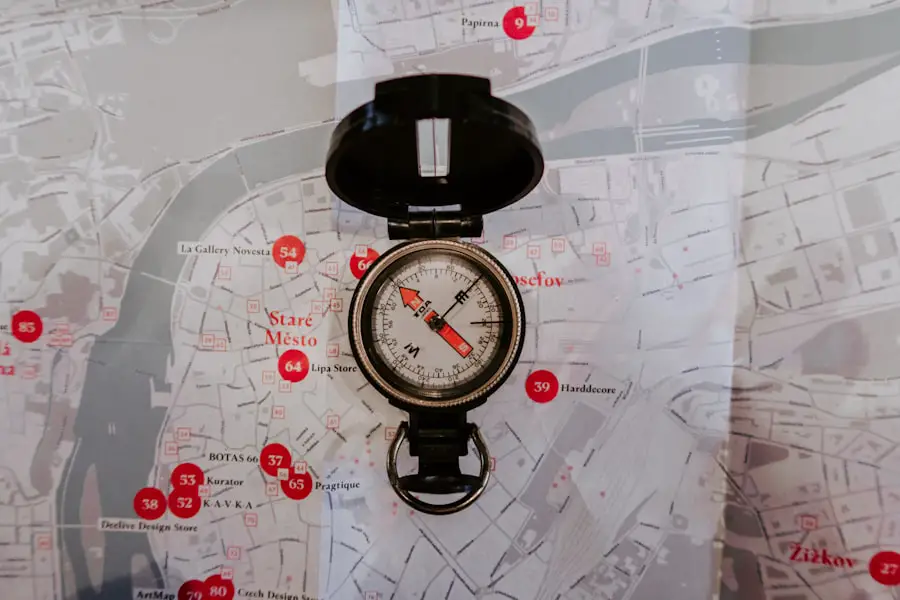
Real languages can add depth, but they should be used with care. Names such as Astrid, Björn, and Santiago come from genuine naming traditions with their own histories, spelling conventions, pronunciation, and cultural associations. A one-line name website rarely captures all of that context.
When drawing from Norse, Gaelic, Arabic, Spanish, or another language, check more than a simple translation. Learn how personal names are structured, whether the spelling is modern or historical, and whether the word is commonly used as a person’s name at all.
Use these safeguards:
- Verify the name through more than one reliable reference.
- Listen to a pronunciation from a fluent speaker when possible.
- Do not combine unrelated languages merely because the sounds appear exotic.
- Avoid sacred titles, slurs, ceremonial names, and terms you do not understand.
- Give characters from the same region varied personalities instead of treating culture as personality.
- Ask a knowledgeable person for feedback when a real-world culture is central to the concept.
Authenticity does not require copying a real name exactly. You can study the rhythm, syllable length, family-name system, or use of place references and then create a fictional tradition that remains consistent within the game world.
Checking Game Rules and Name Availability
Tabletop games usually give the group broad freedom. The 2024 D&D Basic Rules state that a character’s name can be whatever the player likes, subject to the shared campaign and the Dungeon Master’s expectations.
Online roleplaying games may impose stricter technical and conduct requirements:
- Final Fantasy XIV: The official name-length guidance requires a first and last name. Each part must contain 2–15 characters, with a combined maximum of 20 characters.
- Final Fantasy XIV conduct rules: The user agreement restricts offensive names, impersonation, and certain uses of third-party names or intellectual property.
- The Elder Scrolls Online: A name may be rejected because it is already taken or fails the game’s conduct rules, according to ESO Support.
- Public visibility: ESO explains that character names can appear in public chat. Its support guidance also recommends keeping character names different from account identifiers and passwords.
Rules, supported characters, and naming systems can change. Check the current character-creation screen or official support page for the specific game before building a long backstory around one name.
Warning: Do not place your full legal name, birth year, address, school, workplace, password pattern, or other identifying information in an online character name.
Seeking Feedback and Input from Others
Once you have three to five finalists, ask fellow players what each name suggests before explaining the backstory. Their first impressions reveal whether the name communicates what you intended.
Useful feedback questions include:
- How would you pronounce this name?
- What kind of setting does it suggest?
- What personality or profession comes to mind?
- Does it remind you of an existing character, brand, or joke?
- Can you remember it after hearing it once?
- Does it fit the rest of the party?
Online RPG communities can also help, but provide enough context to receive useful suggestions. Include the game, setting, species or ancestry, profession, home region, travel motive, and desired tone.
Feedback does not mean letting other people design the character for you. Use it to catch unintended associations, difficult pronunciation, or a mismatch between the name and the campaign.
Finalizing the Perfect Traveler Name for Roleplay Games
A name is ready when it fits the character, works in the game, and remains comfortable to use repeatedly. A dramatic name may sound impressive on a character sheet but become awkward when spoken dozens of times during a campaign.
Score each finalist from 1 to 5 in the following areas:
| Check | What to Ask |
|---|---|
| Setting fit | Does it sound as though it belongs in this world? |
| Story value | Does it connect with the character’s origin, goal, or reputation? |
| Pronunciation | Can the group say it without repeated correction? |
| Originality | Does it avoid copying a famous character or tired stereotype? |
| Flexibility | Can it produce a useful nickname, title, or formal version? |
| Rule compliance | Is it available and permitted by the game or group? |
For a one-shot, prioritize clarity and quick memorability. For a long campaign, choose a name with room for formal titles, nicknames, aliases, and changes in reputation. The character may begin as Elira Dawntrail, become known as Elira of the Broken Road, and later earn a completely different title through play.
Pro Tip: Keep one backup name. Online availability, a last-minute lore change, or another party member with a similar name can make your first choice impractical.
Frequently Asked Questions
What are some good names for travelers in roleplay games?
Examples include Avelin Farpath, Elira Dawntrail, Maris Tidewalker, Nadiya Red Horizon, Garran Highpass, Noor Lanternscribe, Cato Meridian, and Soren Drift. Adventurer, Wanderer, Nomad, Wayfarer, Pathfinder, Voyager, Roamer, Explorer, Pilgrim, and Drifter can also work as titles or aliases.
What should I consider when choosing a traveler character name?
Consider the game’s setting, the character’s home region, family, profession, travel motive, personality, and future story arc. The name should also be easy for the group to pronounce and appropriate for the game’s naming rules.
Are there naming restrictions for traveler characters?
Restrictions depend on the game. A tabletop group may only require a name that fits the shared setting, while an online RPG may limit length, supported characters, duplicate names, offensive language, impersonation, or third-party intellectual property. Check the current official rules before finalizing the name.
Can I create a completely unique traveler name?
Yes. Combine a new given name with a travel-related surname, place reference, title, lineage, profession, or earned reputation. Search the complete result before using it so you can catch an existing character, brand, joke, or unwanted meaning.
How do I make an RPG name easy to remember?
Keep the spoken form reasonably short, avoid several similar syllables, and give the name a clear rhythm. Say it aloud in a sentence and ask another player to repeat it. A simple nickname can help when the formal name is intentionally long.
Is it acceptable to use a real language for a fantasy name?
It can be, provided you verify the meaning, pronunciation, and cultural context. Avoid sacred terms, stereotypes, and random mixtures of unrelated languages. When accuracy matters, ask a fluent speaker or knowledgeable cultural consultant.
What should I do when my preferred online character name is taken?
Try a lore-friendly surname, home region, title, shortened form, or different spelling that remains readable. Avoid long number strings and excessive punctuation unless they suit the setting and the game allows them.
Sources
- Dungeons & Dragons 2024 Basic Rules: Creating a Character — supports connecting a character’s name with ancestry, beliefs, and personal history.
- Square Enix Support: Final Fantasy XIV Character Name Length — confirms the game’s first-name, surname, and character-count requirements.
- Final Fantasy XIV User Agreement — supports the guidance about offensive names, impersonation, and third-party intellectual property.
- The Elder Scrolls Online Support: Unavailable Character Names — supports checking duplicate names and conduct requirements.
- UNESCO: About the Silk Roads — supports the historical context for Marco Polo and long-distance cultural exchange.
- Library of Congress: Columbus and the Taíno — supports the corrected description of Columbus’s 1492 arrival in the Caribbean.

