
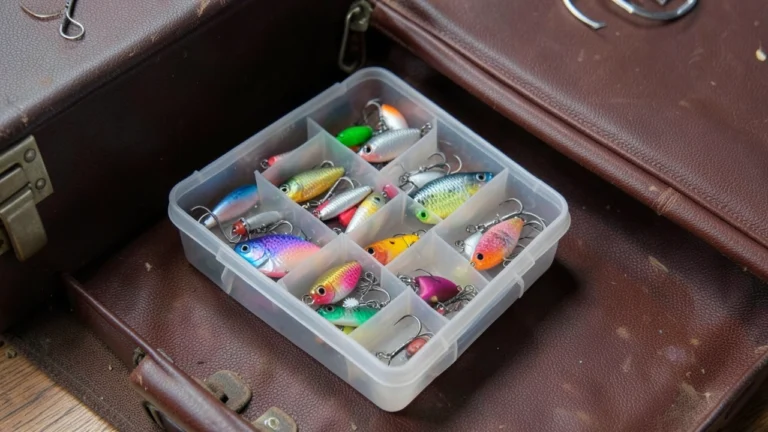
Anglers know that a day on the water starts with the right hooks, but airports can make you nervous about carrying sharp tackle. If you are asking can you bring fishing hooks on a plane, the answer is yes. TSA allows fishing hooks, lures and line in carry-on and checked bags, with a few practical points about protection and inspection.
This guide covers how officers treat hooks, how to pack them so that no one is hurt and what to know about knives, bait and rods.
Quick Answer
Yes. Fishing hooks, lures, line and sinkers are allowed in carry-on and checked bags. Officers can inspect tackle boxes, and the final call belongs to the officer on duty. Pack hooks in a hard case or with hook covers, and put fillet knives, large pliers and other tools in checked luggage.
Key Takeaways
- Hooks and lures are allowed in carry-on and checked bags.
- Hard tackle boxes with latches are safer than loose bags for officers and handlers.
- Fillet knives and long tools belong in checked baggage.
- Liquid bait and scents follow the 3.4 oz carry-on rule.
- Check destination rules on live bait and used tackle.
What TSA Says About Fishing Hooks
TSA lists fishing hooks and lures as allowed items in both bags. Because hooks are sharp and often tangled, officers may open a tackle box to see inside, and it helps if the box is organized and easy to inspect. A bag full of loose hooks with no covers is the problem case, since an officer could be injured while searching it.
Fishing Gear Compared
| Item | Carry-on | Checked bag |
|---|---|---|
| Fishing hooks and jigs | Allowed, protected | Allowed |
| Lures with treble hooks | Allowed, covered | Allowed |
| Fishing line and leaders | Allowed | Allowed |
| Lead sinkers | Allowed | Allowed, mind weight |
| Fillet or bait knife | Not allowed | Allowed, sheathed |
| Pliers over 7 inches | Not allowed | Allowed |
| Liquid scents and attractants | 3.4 oz max | Allowed |
Because the officer can decide that an item is unsafe, a checked bag is the safest place for a complete tackle collection.
How to Pack Hooks Safely
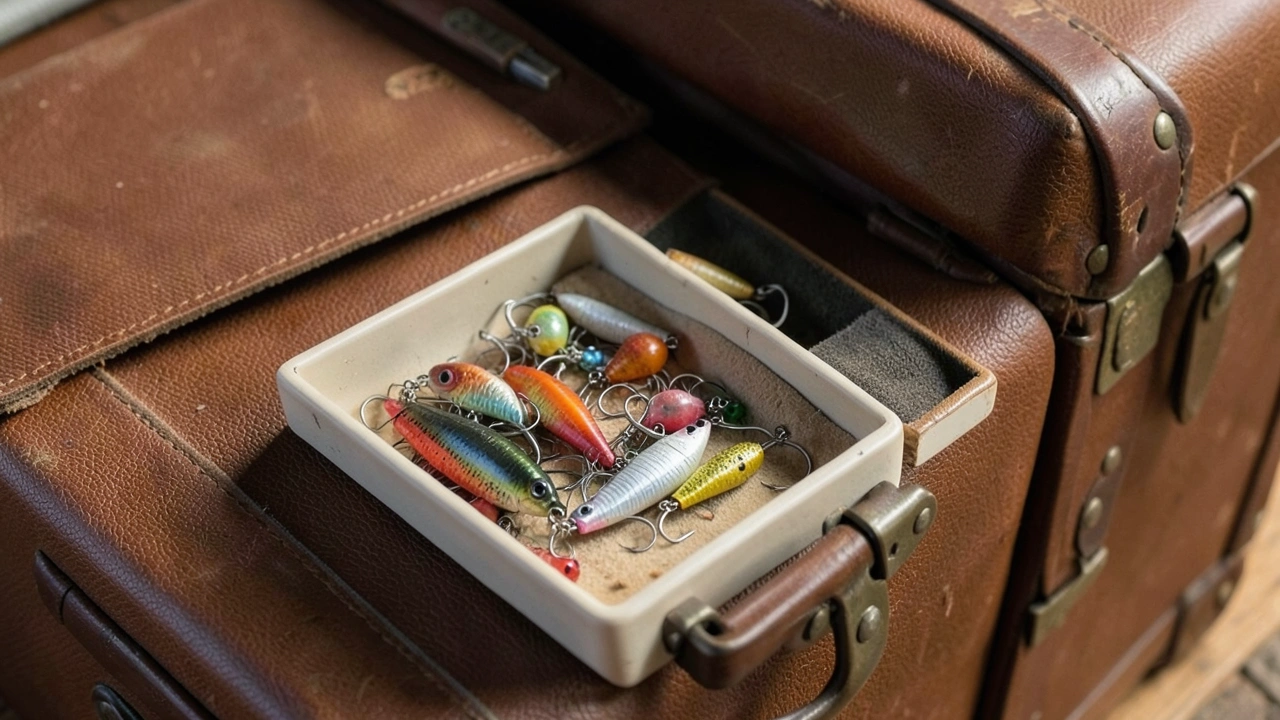
- Use a hard plastic tackle box with latches, and keep trays closed with a rubber band.
- Cover treble hooks with foam, cork or a hook keeper.
- Wrap loose hooks in a small plastic bag or tape them to a card.
- Put the tackle box in the middle of your checked bag, wrapped in clothing.
- Keep a few essential lures and a small pair of pliers in your carry-on if you must, but leave the rest at the bottom of the checked bag.
- Label the tackle box in case the bag is opened by security.
Rods, Knives and Bait
For rods and reels, see our fishing pole guide. For knives, read our pocket knife guide. For general tools, see screwdrivers and our list of prohibited items. Check the fish and wildlife rules at your destination too, since some places restrict live bait, barbed hooks or used tackle.
Frequently Asked Questions
Can you bring fishing hooks in your carry-on?
Yes, if they are protected. Officers may ask to inspect them.
Can you pack fishing hooks in checked luggage?
Yes. This is the safest option.
Are treble hooks allowed on planes?
Yes, but cover them so that they do not injure anyone.
Can you bring a fillet knife?
Only in checked luggage, sheathed.
Can you bring fishing lures abroad?
Usually, but some countries restrict used tackle for biosecurity reasons.
Conclusion
So, can you bring fishing hooks on a plane? Yes. Use a hard tackle box with covered hooks, put knives and tools in checked luggage and check destination fishing rules.
